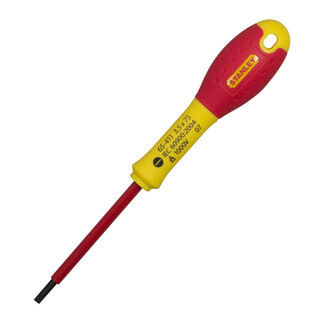
Stanley FatMax Screwdrivers
Stanley FatMax screwdrivers are built for daily site use, from first fix and board work to snagging, control gear and stubborn fixings that need proper grip.
If you're forever slipping out screw heads, rounding fixings, or using a cheap driver as a pry bar, this is where you stop wasting money. A Stanley FatMax screwdriver gives you solid handle grip, decent blade strength, and tips that suit real site work, whether you need a Stanley FatMax Phillips screwdriver, Pozidriv, flat head, precision pattern, or a Stanley FatMax demolition screwdriver. Pick the right tip for the fixing and you'll get cleaner driving, fewer chewed heads, and less grief on the job.
What Are Stanley FatMax Screwdrivers Used For?
- Driving woodscrews into back boxes, pattresses, clips and faceplates is where a Stanley FatMax screwdriver earns its keep, especially when you need proper grip without camming out the head.
- Working through first fix and second fix joinery is easier with fatmax screwdrivers because the handles sit well in the hand when you are repeating the same fastening job all day.
- Snagging kitchens, ironmongery and fitted units calls for the right Stanley FatMax Phillips screwdriver or Pozidriv pattern so you do not mark visible fixings right at the end of a job.
- Opening covers, terminals and smaller fittings in controls, appliances and detailed repair work suits a Stanley FatMax precision screwdriver where a full size driver is too clumsy.
- Levering trim, punching through light material and shifting stuck fixings is where a Stanley FatMax demolition screwdriver comes into its own, because it is built for harder treatment than a standard driver.
Choosing the Right Stanley FatMax Screwdriver
Sorting the right one is simple. Match the tip and build to the fixing in front of you, not whatever happens to be nearest in the van.
1. Phillips vs Pozidriv
If you are driving most modern trade screws, go Pozidriv first because that is what a lot of site fixings are cut for. If you use a Phillips on a PZ screw, expect slip, chewed heads and wasted time. Keep both in the bag because they are not the same thing.
2. Standard Driver vs Demolition Driver
If the job is just fastening and adjusting, a standard Stanley FatMax screwdriver is the right call. If you know it will get knocked with a hammer, used on stuck fixings or pressed into rough strip out work, buy a Stanley FatMax demolition screwdriver and save wrecking your everyday set.
3. Single Driver vs Set
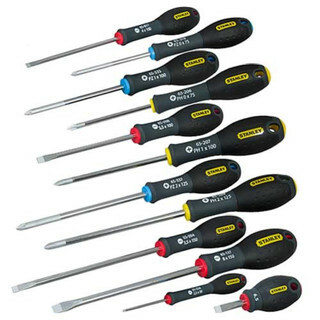
If you only ever replace one common size, a single fatmax screwdriver is fine. If you do mixed snagging, first fix and repair work, a Stanley FatMax screwdriver set makes more sense because you will need Phillips, Pozidriv and flat head sizes sooner than you think.
4. Full Size vs Precision
For general site fixings, stick with full size drivers that give you enough grip and torque. For terminals, control gear and smaller screws where space is tight, a Stanley FatMax precision screwdriver gives you better feel and far less chance of damaging the fixing.
Who Uses These on Site?
- Sparkies use a Stanley FatMax screwdriver set for faceplates, terminals, clips and general first fix, keeping Phillips, Pozidriv and flat head options close by so they are not bodging screws with the wrong tip.
- Chippies and kitchen fitters swear by fatmax screwdrivers for hinges, brackets, handles and adjustments, especially when they need control by hand instead of overdriving with an impact driver.
- Maintenance teams keep a fatmax screwdriver in the bag for day to day callouts, because it covers everything from tightening door furniture to opening panels and replacing worn fittings.
- Plumbers and heating engineers reach for them when working on controls, pump covers and valves, and a precision or flat head driver usually lives in the case for smaller screws and awkward access.
- General builders and site foremen like a Stanley FatMax demolition screwdriver for rougher jobs where a standard driver would soon get bent, chipped or written off.
Choose the Right Stanley FatMax Screwdriver for the Job
Use this quick guide to avoid chewing heads or carrying more kit than you need.
| Your Job | Category or Type | Key Features |
|---|---|---|
| General fixing and day to day site work | Standard Stanley FatMax screwdriver | Comfortable grip, strong blade, common tip sizes for repeated use |
| Driving modern trade screws into timber and fittings | Stanley FatMax Pozidriv screwdriver | PZ tip fit, better engagement in common site screws, less cam out |
| Older fixings, electrical accessories and mixed hardware | Stanley FatMax Phillips screwdriver | Cross head fit for PH screws, useful for repair and replacement work |
| Detailed controls, terminals and small fasteners | Stanley FatMax precision screwdriver | Smaller tip sizes, better access, more feel in delicate work |
| Stuck screws, rough strip out and hammer assisted work | Stanley FatMax demolition screwdriver | Heavier build, strike cap style design, suited to tougher treatment |
Common Buying and Usage Mistakes
- Using Phillips on Pozidriv screws is the big one. It feels close enough until the tip slips and the head gets ruined, so check the screw properly and match the driver to it.
- Buying one cheap all purpose driver instead of a proper Stanley FatMax screwdriver set usually means you force the wrong size into half the fixings on site. That costs more in damaged screws and slower work than just carrying the right selection.
- Using a standard screwdriver for prying, chiselling or hammering soon bends the blade or wrecks the handle. If the job is rough, use a Stanley FatMax demolition screwdriver instead.
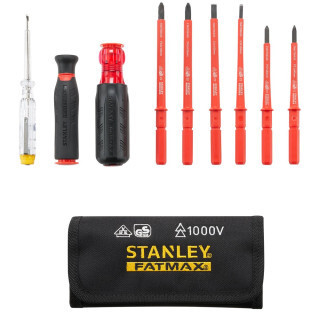
- Assuming all insulated looking handles are VDE rated can get dangerous fast. If you need electrical live working protection, check the product spec properly rather than guessing from the grip style.
- Ignoring tip wear makes even a decent fatmax screwdriver feel poor. Once the edges round off, grip drops and screw heads suffer, so replace worn favourites before they start costing you time.
Pozidriv vs Phillips vs Flat Head
Pozidriv
This is the one many trades reach for most on UK site screws. A Stanley FatMax Pozidriv screwdriver usually gives better bite on modern woodscrews and general fixings, so it is the safer pick for first fix, carcassing and hardware fitting.
Phillips
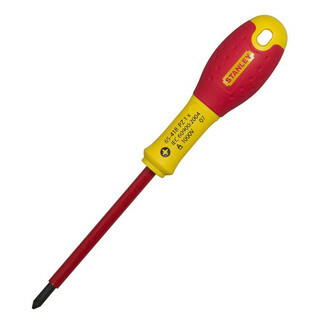
A Stanley FatMax Phillips screwdriver suits plenty of older screws, electrical fittings and mixed repair work, but it is often wrongly used on Pozidriv heads. Buy it because you need PH fixings covered, not because it looks close enough to PZ.
Flat Head
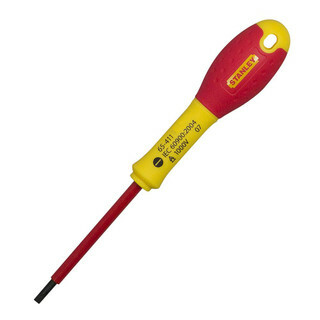
A Stanley FatMax flat head screwdriver still matters for terminals, cover plates and traditional slotted screws. It is handy to keep around, but for most modern fastening work it is more of a support driver than your main one.
Precision vs Demolition
Precision drivers are for fine control on small screws and tight spaces. Demolition drivers are the opposite job entirely, built for force, stubborn fixings and rough handling where a smaller or standard driver would not last.
Maintenance and Care
Clean the Tips After Use
Wipe off plaster dust, paint, sealant and grime before it hardens around the tip. A dirty tip never sits properly in the screw head, which is when slipping starts.
Check for Rounded or Chipped Ends
If the point is visibly worn, stop using it for finish work. A tired tip will chew fixings and make decent screws feel poor, especially on Pozi heads.
Store Them Dry and Sorted
Throwing loose screwdrivers into a wet van floor is a good way to invite rust and lose the size you actually need. Keep a Stanley FatMax screwdriver set together in a pouch, tray or box so the right driver is always to hand.
Use the Right Driver for Rough Work
Save your everyday drivers for fastening. If you need to strike, lever or free seized screws, use a Stanley FatMax demolition screwdriver rather than wrecking a standard blade.
Replace, Do Not Bodge
Bent shafts, split handles or damaged insulated coatings are not worth gambling with. Once a driver is past it, retire it and replace it before it causes damage or injury.
Why Shop for Stanley FatMax Screwdrivers at ITS?
Whether you need a single Stanley FatMax screwdriver, a full Stanley FatMax screwdriver set, precision drivers, demolition patterns, or the usual Phillips, Pozidriv and flat head sizes, we stock the range trades actually use. It is all in our own warehouse and ready for next day delivery, so you can get the right driver on site without hanging about.
Stanley FatMax Screwdriver FAQs
Are Stanley FatMax screwdrivers magnetic tipped?
Some are, some are not, so do not assume every Stanley FatMax screwdriver has a magnetic tip. Check the product spec on the exact driver or set you are buying, especially if you want to hold screws one handed when working in awkward spots.
What is a demolition screwdriver used for?
A demolition screwdriver is for rougher treatment than standard driving. It is the one for seized screws, light levering, punch through jobs and work where the handle or strike cap may need a tap, but it is still not a substitute for a proper bolster or pry bar when the job goes beyond that.
What is the difference between Phillips and Pozidriv screwdrivers?
Pozidriv has extra ribs and is designed to grip the PZ screws used on a lot of modern UK fixings. Phillips is different and fits PH screws. They look similar enough to catch people out, but use the wrong one and you will soon round the head or slip under load.
Are FatMax screwdrivers VDE insulated?
Not all FatMax screwdrivers are VDE insulated. If you need a driver for electrical work where insulation rating matters, make sure the individual product is clearly marked and listed as VDE approved rather than assuming from the handle shape or colour.
Do FatMax screwdrivers have a lifetime guarantee?
Many Stanley FatMax screwdrivers are sold with a lifetime guarantee, but it depends on the exact product and it covers manufacturing faults rather than abuse or normal wear. It is worth checking the listing details so you know what is covered before you buy.
Is a Stanley FatMax screwdriver set worth it over buying singles?
Yes, if you do mixed site work. A set stops you reaching for the wrong tip when you hit a different fixing halfway through the day. If you only ever replace one favourite size, singles are fine, but most trades are better off with a proper spread of PH, PZ and flat head drivers.