Stanley FatMax Hammers & Mallets
Stanley FatMax hammers are built for site graft, from first-fix nailing to knocking out masonry and shifting stubborn materials without shaking your arm to bits.
When you are swinging all day, a poor hammer soon lets you know about it. A Stanley FatMax hammer gives you solid striking power, proper grip and the sort of balance that suits real site use, whether you need a Stanley FatMax claw hammer for timber work, a brick hammer for block and brick, or a Stanley FatMax mallet or lump hammer for heavier demolition jobs. Pick the head style and weight to match the job, and you will get more done with less faff.
What Are Stanley FatMax Hammers Used For?
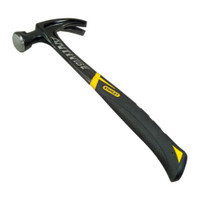
- Driving nails into studwork, roofing battens and shuttering is where a Stanley FatMax claw hammer earns its keep, giving you enough weight for clean strikes without feeling clumsy on repetitive first-fix work.
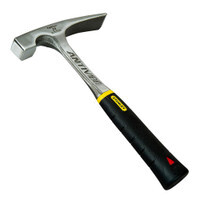
- Chipping brick, dressing block edges and trimming out small sections of masonry are proper jobs for a Stanley FatMax brick hammer, especially on snagging, repair work and quick alterations on site.
- Breaking up stubborn materials, tapping in heavy fixings and persuading timber, slabs or posts into place suits a Stanley FatMax lump hammer when lighter striking tools just are not shifting it.
- Knocking components together without marking finished surfaces is where a Stanley FatMax mallet comes into its own, handy for joinery fitting, paving work and assembling awkward sections cleanly.
- Working long shifts on framing, demolition or general building jobs is easier with a FatMax AntiVibe hammer because it cuts down the sting through the handle when you are striking all day.
Choosing the Right Stanley FatMax Hammer
Sorting the right one is simple: match the head and weight to the job, not whatever happens to be in the van.
1. Claw, Brick, Lump or Mallet
If you are mainly driving and pulling nails, go for a Stanley FatMax claw hammer. If you are trimming masonry, choose a brick hammer. For heavier blows on demolition or stake work, a lump hammer is the right tool. If the job needs force without marking the material, use a mallet instead.
2. Head Weight Matters
A Stanley FatMax hammer 20oz is a strong all-round size for general carpentry and site work. If you go too light, you will need more swings to get the same result. Too heavy for repetitive work and your arm will know about it by lunch.
3. AntiVibe for Long Days
If you are only doing the odd fixing job, any decent FatMax hammer will do. If you are striking all day on timber or demolition work, Stanley AntiVibe is worth having because it cuts down the shock through your wrist and elbow.
4. One Piece Build vs General Use
If your hammer lives a rough life in the van, gets used for levering and takes regular drops, a one piece steel build is the safer bet. It stands up better to abuse than lighter duty site hammers meant for occasional use.
Who Uses These on Site?
- Chippies and first-fix joiners reach for a Stanley FatMax claw hammer for framing, stud walls, noggins and general nail work where balance matters as much as striking force.
- Brickies and general builders use the Stanley FatMax brick hammer for trimming bricks, cleaning up edges and dealing with small masonry corrections without dragging out bigger kit.
- Groundworkers and demolition lads keep a Stanley FatMax lump hammer close for breaking brittle material, driving stakes and shifting jobs that need blunt force more than finesse.
- Fitters, landscapers and joiners use a Stanley FatMax mallet when they need to knock parts into line without bruising the surface, especially on paving, timber assemblies and finish work.
- Maintenance teams and site labourers swear by FatMax hammers as reliable van kit because one good hammer covers a lot of day to day jobs before you need specialist tools.
Choose the Right Stanley FatMax Hammer for the Job
Use this quick guide to sort the right striking tool before you buy.
| Your Job | Hammer Type | Key Features |
|---|---|---|
| First-fix timber, studwork and general nailing | Stanley FatMax claw hammer | Curved claw, balanced head weight, solid grip and decent control for repeated strikes |
| Brick trimming, light masonry dressing and repair work | Stanley FatMax brick hammer | Flat striking face and chisel end for shaping, trimming and cleaning edges |
| Heavy knocking, stake driving and rough demolition | Stanley FatMax lump hammer | Compact heavy head, short handle control and solid striking force |
| Assembling parts without marking the surface | Stanley FatMax mallet | Controlled blows, less surface damage and better for fitted components or paving |
| Long shifts where hand shock becomes a problem | FatMax AntiVibe hammer | Shock reducing handle design, better comfort and less sting through the arm |
Common Buying and Usage Mistakes
- Buying one hammer to cover every job usually ends in compromise. A claw hammer is not a brick hammer, and using the wrong head shape slows the job and wrecks materials.
- Choosing the heaviest hammer on the shelf sounds sensible until you are swinging it all day. Too much weight causes fatigue fast, so match the hammer to the amount of repetitive striking you actually do.
- Using a finished-face or nail hammer for masonry or demolition work chews up the face and risks damage to the tool. Keep brick and lump hammers for the rough stuff.
- Ignoring vibration control on all-day work is a mistake many lads only make once. If you are constantly driving nails or striking hard material, an AntiVibe handle makes a noticeable difference by the end of the shift.
- Leaving hammers wet and buried under site rubble shortens their life for no reason. Wipe them down, check the grip and keep the striking face clean so you are not dealing with slips or rust later.
Claw Hammer vs Brick Hammer vs Lump Hammer
Stanley FatMax Claw Hammer
This is the everyday site hammer for timber work, nails and general first-fix. It gives you a proper striking face plus a claw for pulling fixings back out. If your work is mostly wood and fixings, this is the one to start with.
Stanley FatMax Brick Hammer
A brick hammer is for masonry jobs, not nail work. The chisel end lets you trim and dress brick or block cleanly, so it suits brickies, builders and repair work where a claw hammer would just make a mess.
Stanley FatMax Lump Hammer
When the job needs blunt force, this is the better choice. A lump hammer is shorter, heavier and built for heavier hits on demolition, stakes and stubborn materials. It is not for tidy nail work, but it is far more effective for rough breaking and driving.
Where a Mallet Fits In
A Stanley FatMax mallet does a different job again. It is the one for tapping parts into place without bruising timber, paving or fitted surfaces. If appearance matters, a mallet saves you marking up the finish.
Maintenance and Care
Clean the Face After Rough Work
Brick dust, mortar and general site grime build up fast on striking faces. Give the hammer a quick wipe after use so it keeps clean contact and does not transfer muck onto finished materials.
Check the Grip Regularly
If the handle grip starts tearing, twisting or going smooth with wear, sort it before it becomes a slip risk. A secure hold matters just as much as the head weight when you are striking accurately.
Do Not Use Damaged Faces
If the striking face is badly chipped, burred or mushroomed from misuse, retire it from proper work. Damaged faces can glance off fixings and make controlled hits harder than they should be.
Store Them Dry in the Van or Box
Leaving hammers wet in the back of the van or lying in mud just invites corrosion. Dry storage keeps the steel in better nick and stops rubber grips degrading early.
Replace the Wrong Tool Habit
The quickest way to wear a hammer out is using it as a pry bar, bolster or wrecking tool when it is not meant for it. Keep the right hammer for the right task and the tool will last longer.
Why Shop for Stanley FatMax Hammers at ITS?
Whether you need a Stanley FatMax claw hammer for first-fix, a brick hammer for masonry work, or a lump hammer for heavier jobs, we stock the full range in one place. It is all in our own warehouse, ready for next day delivery, so you can get the right striking tool on site without hanging about.
Stanley FatMax Hammer FAQs
What is Stanley AntiVibe technology?
It is Stanley's way of reducing the shock that travels from the head into your hand and arm after each strike. On real site work, especially repeated nailing or harder blows, Stanley AntiVibe makes the hammer less harsh to use and helps cut down fatigue over a full day.
What weight hammer is best for general site work?
For general carpentry and mixed site jobs, a 20oz hammer is a solid middle ground. A Stanley FatMax hammer 20oz gives enough striking power for most nail work without feeling overkill for repeated use, which is why plenty of trades stick with that size.
Are Stanley FatMax hammers one-piece steel?
Many Stanley FatMax hammers use a one-piece steel construction, which is what site users want for strength and durability. It stands up well to daily van life, missed strikes and rough handling, but always check the individual product spec because builds can vary across the range.
What is the difference between a claw hammer and a brick hammer?
A claw hammer is for driving nails and pulling them back out, mainly on timber and general first-fix work. A brick hammer has a chisel style end for trimming, shaping and knocking masonry, so it is the right choice for brick, block and tougher mineral materials.
Do FatMax hammers have a magnetic nail starter?
Some Stanley FatMax claw hammers do include a magnetic nail starter, which is handy when you are working one-handed or reaching into awkward spots. Not every model has it though, so check the product details if that feature matters for the way you work.
Are FatMax hammers any good for all-day use?
Yes, provided you choose the right type and weight for the job. The better grip, solid balance and AntiVibe options make them easier to live with through a full shift than cheap hammers that jar your arm or feel head-heavy.