Stanley FatMax Demolition and Construction Tools
Stanley FatMax demolition tools are built for stripping out, levering apart and knocking through tough site materials without folding under abuse.
When you're pulling skirting, opening up stud, knocking out block or chasing back old plaster, this is the sort of kit that earns its keep. Stanley FatMax demolition tools give you proper forged bars, bolsters, cold chisels and hammers that take repeated hits, keep their shape and help you get through rough strip-out work faster. Pick the shape and length to suit the access and the force you actually need.
What Are Stanley FatMax Demolition Tools Used For?
- Stripping out old joinery, kitchens and second fix trim is where a fatmax demolition bar or fatmax pry bar saves time, letting you lift boards, frames and fixings without wrecking your hands.
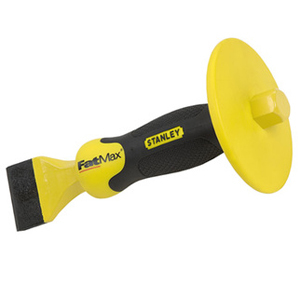
- Breaking out plaster, chasing blockwork and trimming back masonry is exactly what a stanley fatmax bolster or stanley fatmax cold chisel is for when power tools are overkill or access is tight.
- Pulling stubborn nails, opening pallet timber and separating sheet material is easier with a stanley fatmax wrecking bar because you get more leverage and better control than with a basic claw hammer.
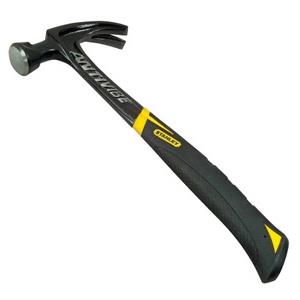
- Knocking through light masonry, freeing seized parts and backing up chisels on rough refurbishment jobs is where stanley fatmax hammers come into their own, especially when the work is dusty, awkward and repetitive.
Choosing the Right Stanley FatMax Demolition Tools
Match the tool to the material and the amount of force needed. Do not try to do every strip-out job with one bar.
1. Wrecking Bar or Pry Bar
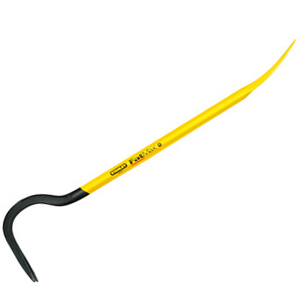
If you are opening bigger gaps, pulling fixed timber apart or dealing with heavier rip-out, go for a stanley fatmax wrecking bar. If you are lifting trim, easing boards or working in tighter spots, a fatmax pry bar gives you more control and less collateral damage.
2. Bolster or Cold Chisel
If the job is cutting through plaster, block faces or mortar lines, pick a stanley fatmax bolster for broader impact. If you need narrower, more precise chipping or trimming, a stanley fatmax cold chisel is the better shout.
3. Length and Leverage
Longer bars give you more leverage on stubborn materials, but they are not always the best call in tight rooms, between joists or around finished surfaces. Shorter tools are easier to place accurately and safer where space is limited.
4. Struck Tools Need Proper Protection
If you are buying chisels and bolsters for regular hammer work, check the striking end often and keep it dressed. Once a head starts mushrooming, sort it before the next hit or you are asking for flying shards.
Who Uses These on Site?
- Chippies and refurbishment teams use a fatmax demolition bar for lifting floorboards, removing architrave and opening up timber work without wasting half the day fighting fixed joints.
- Brickies and groundworkers reach for a stanley fatmax bolster or stanley fatmax cold chisel when they need to tidy brick edges, chip out small sections or make space for follow-on trades.
- Sparkies and plumbers keep a stanley fatmax crowbar or pry bar nearby for strip-out, access panels and awkward first-fix alteration work where neat leverage matters more than brute force.
- General builders, site labourers and maintenance teams swear by stanley demolition tools for day-to-day rip-out, nail pulling and opening up work because the gear is simple, tough and easy to trust.
The Basics: Understanding Demolition Tools
These are simple tools, but the shape of the business end makes a big difference to how cleanly and safely the job goes. Here is the bit that matters on site.
1. Pry Bars and Wrecking Bars
These work by turning a small movement into usable leverage. The thinner end gets you started behind timber, trim or sheet material, then the curve or length helps you pull it free with less effort and less shock through your wrists.
2. Bolsters and Cold Chisels
These are struck with a hammer to break, split or trim hard material. A bolster spreads the blow over a wider edge for plaster and masonry, while a cold chisel concentrates force into a narrower line for more controlled cutting and chipping.
3. Hammers as the Driver
On these jobs, the hammer is not just for hitting things hard. The right weight helps you get the cut or break started without glancing off, over-swinging or battering the struck tool to bits before the job is done.
Demolition Tool Extras That Save Hassle on Site
A few sensible add-ons make strip-out safer, cleaner and a lot less frustrating.
1. Safety Goggles
Get proper eye protection if you are using a bolster or cold chisel. One flying chip of brick, mortar or steel is enough to stop the job and send you off site.
2. Club Hammers
A cold chisel or bolster is useless without the right hammer behind it. Use a suitable club hammer so you can strike cleanly and consistently instead of glancing blows with whatever is nearest.
3. Gloves
Good gloves help when bars are wet, dusty or covered in old plaster. They also save your knuckles when the tool slips or the material lets go faster than expected.
Choose the Right Stanley FatMax Demolition Tools for the Job
Use this as a quick guide before you load the van.
| Your Job | Category or Type | Key Features |
|---|---|---|
| Removing skirting, architrave and nailed trim | FatMax pry bar | Compact size, fine entry point and controlled leverage to reduce damage to surrounding finishes. |
| Heavy strip-out of timber frames, boards and fixed sections | Stanley FatMax wrecking bar | Longer reach, more leverage and stronger curved ends for stubborn pull-apart work. |
| Knocking off plaster and trimming block or brick | Stanley FatMax bolster | Wide cutting edge built for struck work across broader masonry surfaces. |
| Precise chipping and cutting in hard material | Stanley FatMax cold chisel | Narrower edge for controlled removal, tidying edges and targeted breakout jobs. |
| Driving chisels and general demolition impact work | Stanley FatMax hammers | Weight and balance suited to repeated striking without relying on improvised tools. |
Common Buying and Usage Mistakes
- Buying a small pry bar for full rip-out work slows everything down and usually bends tempers before materials. If the job is heavy demolition, step up to a proper wrecking bar with enough length to do the work.
- Using a cold chisel where a bolster would be better leaves you taking too many hits to shift basic masonry. Match the edge width to the material so you break out cleanly instead of pecking away all morning.
- Ignoring a mushroomed striking head is a bad habit that can throw metal fragments when hit. Dress it back safely before reuse or replace the tool if it is too far gone.
- Working without goggles when striking masonry or steel is asking for trouble. Chips travel fast and unpredictably, so eye protection is not optional on bolster and chisel work.
- Using the wrong hammer behind chisels and bolsters leads to glancing blows, damaged heads and slower progress. Use a hammer with enough weight and control for repeated struck work.
Wrecking Bars vs Pry Bars vs Cold Chisels
Wrecking Bar
Best when you need leverage first and finesse second. A stanley fatmax wrecking bar is the one for heavier strip-out, opening framing and pulling stubborn fixings where a smaller bar will not shift enough material.
Pry Bar
Better for tighter access and neater removal work. A fatmax pry bar gets behind trims, boards and panels more easily, so it suits refurb and joinery work where you do not want to smash everything around the area.
Cold Chisel
This is for cutting and chipping, not levering. Choose a stanley fatmax cold chisel when the material is brick, mortar or metal and you need to break, trim or split rather than pull apart.
Bolster
A stanley fatmax bolster covers broader masonry work than a cold chisel. It is the better choice for knocking off plaster, trimming brick faces or cutting wider channels by hand.
Maintenance and Care
Clean Off Dust and Debris
Wipe tools down after use, especially after masonry work. Plaster and brick dust hold moisture and will quickly make steel look rough if left sitting in the van.
Check Striking Ends Regularly
Bolsters and cold chisels need the head checked for mushrooming. If the edge starts spreading, dress it back safely before using it again.
Keep Edges Serviceable
A battered chisel edge makes harder work of simple jobs. Regrind or replace once the cutting edge is too rounded, chipped or uneven to cut cleanly.
Store Bars Straight and Dry
Do not leave wrecking bars and pry bars buried under wet gear or loose rubble. Dry storage helps prevent rust and makes it easier to spot any bends or damage before the next job.
Replace Cracked or Deformed Tools
If a struck tool shows cracks, deep chips or serious deformation, retire it. Demolition kit takes abuse, but once the steel is compromised it is not worth the risk.
Why Shop for Stanley FatMax Demolition Tools at ITS?
Whether you need a single fatmax demolition bar for the tool bag or a full spread of stanley fatmax demolition tools for ongoing strip-out work, we stock the range in the sizes and types trades actually use. From wrecking bars and pry bars to bolsters, cold chisels and hammers, it is all in our own warehouse and ready for next day delivery.
Stanley FatMax Demolition Tools FAQs
What demolition tools are in the Stanley FatMax range?
The Stanley FatMax range typically covers the hand tools you reach for on strip-out and breakout work, including wrecking bars, pry bars, crowbars, bolsters, cold chisels and hammers. In short, it is the sort of kit used for levering, pulling apart, knocking through and tidying up stubborn materials on site.
What is the difference between a wrecking bar and a pry bar?
A wrecking bar is usually the heavier, longer option for bigger leverage and rougher demolition. A pry bar is normally easier to place in tight gaps and better when you want more control removing trim, boards or sheet material without smashing everything around it.
Are FatMax cold chisels forged from one piece?
Many FatMax struck tools are designed as one-piece forged steel tools for strength, which is exactly what you want for repeated hammer blows. That said, always check the individual product spec on the listing so you know exactly how that model is built before buying.
Should you wear goggles when using a bolster chisel?
Yes, absolutely. When you strike a bolster chisel, chips of plaster, brick, mortar or even steel can come off fast and sideways, so proper eye protection is basic common sense, not an optional extra.
How do you dress a mushroomed chisel head safely?
The safe way is to grind back the spread metal carefully, following site safety rules and wearing eye protection and gloves. Do not keep hitting a mushroomed head as it is, because that is when fragments can break off and cause injury.
Will these tools stand up to daily site abuse?
Yes, that is the point of this type of kit. Stanley FatMax demolition tools are made for repetitive levering and struck work, but be realistic with them. Use the right tool for the job, inspect struck ends and replace anything cracked or badly deformed.
Can I use a cold chisel instead of a bolster for brick and plaster?
You can, but it is often slower and rougher going on wider areas. A cold chisel is better for narrow, controlled cuts, while a bolster is the better tool for broad plaster removal and trimming masonry edges by hand.