Stabila Laser Levels
A STABILA laser level saves time on set-out, keeps lines true, and cuts costly rework on stud, kitchens, ceilings, tiling, and first-fix jobs.
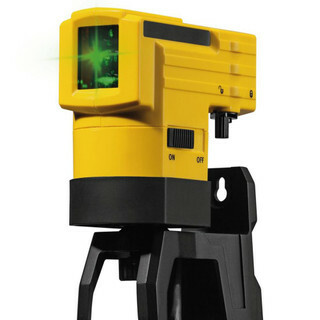
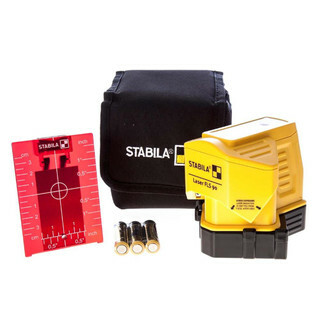
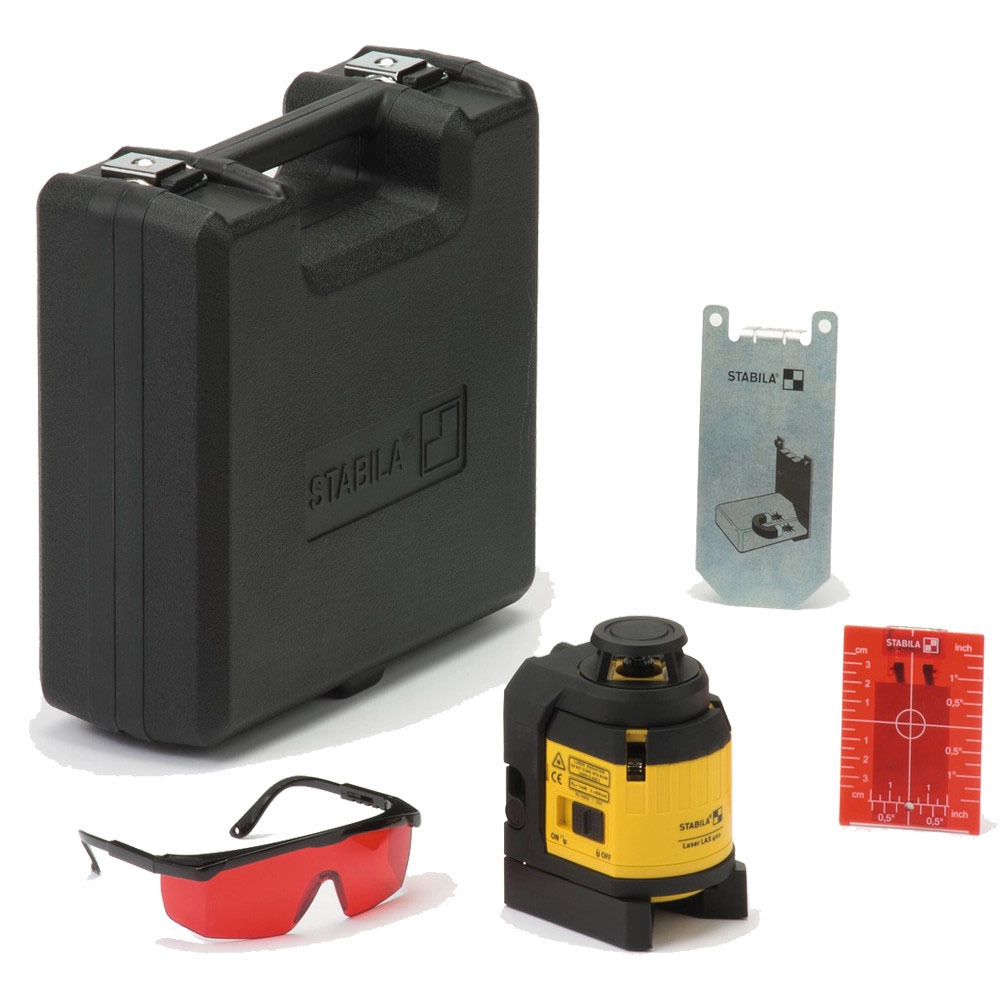
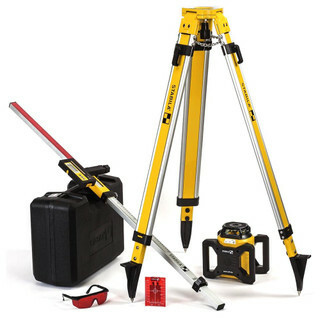
If you're marking out rooms, hanging runs of cabinets or setting track all day, a STABILA laser level is the bit of kit that stops small errors turning into a snag list. STABILA cross line laser and STABILA self levelling laser models are trusted because the lines stay visible, the levelling is quick, and the gear stands up to proper site use. For room-to-room work look at Stabila Crossline Lasers, for screed and finishes check Stabila Flooring Lasers, for bigger external set-out go with Stabila Rotary Lasers, and if you need more coverage on complex layouts see Stabila Multi Line Lasers. Get the one that matches the work and you will move faster with fewer call-backs.
What Are STABILA Laser Levels Used For?
- Setting out stud walls, ceiling track and partition runs is far quicker with a STABILA laser level because you get a clean reference line across the room without constantly rechecking off a spirit level.
- Fitting kitchens, utility units and long worktop runs is easier with a STABILA cross line laser when you need wall units, splashbacks and service points all landing level first time.
- Tiling bathrooms, plant rooms and commercial washrooms is where a STABILA self levelling laser earns its keep, especially when you need repeatable horizontal and vertical lines over awkward walls.
- Installing sockets, dado runs, cable tray and containment gives sparks a consistent line to work from, which saves measuring every single fixing point off the floor.
- Working outside on drainage, slab levels or groundworks set-out is where the right laser and receiver combination helps keep heights consistent over distance and stops expensive level errors.
Choosing the Right STABILA Laser Level
Sort the laser by the job first. Do not pay for site range you will never use, but do not turn up to external set-out with an indoor line laser and expect miracles.
1. Cross Line or Rotary
If you are mainly inside doing kitchens, stud, sockets, tiling or second fix, a STABILA cross line laser is usually the right shout. If you are working over bigger distances outside on groundworks, drainage or slab levels, you want rotary capability with detector support.
2. Red Beam or Green Beam
If you are in smaller rooms or lower light, red is often enough and keeps cost sensible. If you are working in brighter spaces, larger open areas or need to pick the line up faster across the room, green beam is easier to see and usually worth it.
3. Self Levelling Matters
For day-to-day site work, a STABILA self levelling laser saves time and takes out operator error. If you are moving room to room and setting up repeatedly, self levelling is the feature that stops you wasting minutes every single time you put it down.
4. Coverage and Line Layout
If all you need is one horizontal and one vertical line, keep it simple. If you are setting out multiple walls, long corridors or more involved interior layouts, extra lines and wider coverage from the better models make life easier and reduce repositioning.
Who Uses These on Site?
- Sparkies use them for back boxes, tray, trunking and lighting runs, because once the line is up they can crack on with fixing out without chasing measurements across every wall.
- Chippies and kitchen fitters swear by them for cabinet runs, door linings and second-fix set-out, especially where one bad datum can throw the whole room off.
- Dryliners and ceiling fixers rely on them for track, MF ceilings and partition work, where staying level across a full span matters more than guessing off a tape.
- Tilers and bathroom fitters keep one in the van for straight first courses, centred features and keeping cuts even, rather than trying to recover a layout that wandered early on.
- Groundworkers, landscapers and site managers use the outdoor-capable models for checking levels and site set-out, particularly when a quick visual reference saves repeated staff and line checks.
The Basics: Understanding STABILA Laser Levels
These save time by throwing out a straight, level reference you can trust. The main thing is knowing which type suits your job and where each one works best.
1. Cross-Line Lasers for Internal Set-Out
This is the usual choice for indoor work. A cross-line laser projects horizontal and vertical lines onto walls, floors or ceilings, which makes it ideal for kitchens, stud partitions, tiling, sockets and general second-fix alignment.
2. Self Levelling Takes Out Guesswork
A self levelling model automatically finds level within its working range, so you are not fiddling about trying to get it perfect by eye. On site that means quicker set-up, fewer mistakes and more confidence that the full run stays true.
3. Rotary and Detector Use for Outdoor Work
Outside, the beam can be harder to see by eye, so bigger site lasers often work with a detector. That lets you pick up level over longer distances for drainage, foundations, landscaping and wider external set-out where a basic indoor laser will struggle.
STABILA Laser Accessories That Save Time on Site
The right extras stop bad set-up, weak visibility and needless walking back to the van. See the full range of Stabila Laser Accessories to keep your laser working properly.
1. Tripods
A decent tripod saves you balancing the laser on offcuts, buckets or a window sill and then wondering why your line moved. It gives you stable height adjustment and a much cleaner set-up for repeated room-to-room work.
2. Receivers and Detectors
If you are using a laser outside or across bright open areas, a detector is the bit that stops you squinting for a line that is not there. It lets you pick up the beam properly at distance and keeps external level checks usable.
3. Target Plates and Glasses
These help when the beam is harder to see against certain surfaces or in brighter rooms. It is a small extra, but it makes line pick-up quicker and reduces the faff when you are setting out alone.
4. Mounts and Brackets
A proper bracket gets the laser fixed where you actually need it, whether that is on track, steel or a wall edge. It beats making do with awkward props and keeps your reference where it belongs.
Choose the Right STABILA Laser Level for the Job
Match the laser type to the work area, distance and visibility you need.
| Your Job | Category or Type | Key Features |
|---|---|---|
| Kitchens, sockets, stud walls and general internal set-out | Cross line laser | Horizontal and vertical lines, quick room set-up, good for short to medium indoor distances |
| Tiling, bathrooms and detailed finish work | Green beam cross line laser | Brighter visible line, easier pick-up on walls, better for detailed alignment work |
| Suspended ceilings, longer corridors and complex room layouts | Multi line laser | More reference lines, wider coverage, less repositioning through the job |
| Flooring, screed and level transfer close to floor height | Flooring laser | Low-level projection, easier datum checks, suited to finish and floor prep tasks |
| Groundworks, drainage and wider outdoor level checks | Rotary laser with detector | Longer range, better outdoor use, reliable level over bigger areas |
Common Buying and Usage Mistakes
- Buying an indoor cross-line laser for outdoor groundwork jobs is a common one. The beam can wash out in daylight, so if you are working outside you usually need a model and detector built for that.
- Going cheap on visibility is where lads waste time. If you work in bright rooms, large open plots or long hallways, a green beam can save constant double-checking and missed marks.
- Setting the laser on whatever is nearby instead of a stable mount leads to bad readings and lines drifting when someone knocks the surface. Use a tripod or bracket and keep your datum solid.
- Ignoring the working range means you end up moving the laser too often or pushing it beyond what it can do. Check the coverage before you buy so the laser matches the size of the space.
- Leaving the unit loose in the van shortens its life fast. Keep it cased, keep the lenses clean and lock it down properly in transport so calibration does not take a beating.
Cross Line vs Multi Line vs Rotary
Cross Line
Best for most indoor trade work like kitchens, sockets, partitions and tiling. It is the quickest and simplest option for room set-out, but it is not the best choice once distances get bigger or you move outside.
Multi Line
Better for more involved interior layouts where extra lines save repositioning and speed up large fit-outs. It suits dryliners, fitters and anyone doing repeat set-out, though it is usually more than you need for basic snag jobs.
Rotary
This is the one for bigger sites, longer distances and outdoor level transfer. It is the stronger choice for groundworks and landscaping, but it is more kit than a kitchen fitter or spark will need for day-to-day indoor work.
Maintenance and Care
Keep the Lens Clean
Dust, plaster and finger marks make the line harder to see and can affect clean projection. Wipe the lens carefully after use with a soft cloth rather than letting site muck build up.
Store It in the Case
Throwing a laser loose into the van is asking for trouble. Keep it in its case between jobs so knocks, vibration and other tools do not batter the body or affect accuracy.
Check Accuracy Regularly
If the laser has had a proper drop or been bounced around for weeks, do a quick accuracy check before a critical set-out. It takes a few minutes and can save hours of rework later.
Look After Batteries and Contacts
Weak batteries mean dim lines and stop-start performance. Swap them before they go flat mid-job and keep the contacts clean and dry so power stays consistent.
Replace Worn Mounts Before They Cost You
If threads, brackets or clamps are worn, the laser can shift during use and throw your marks off. Replace damaged mounting parts early instead of trying to nurse them through another job.
Why Shop for STABILA Laser Levels at ITS?
Whether you need a simple cross-line unit for second fix or a full outdoor set-up for wider site levelling, we stock the proper STABILA range in one place. That means cross line, multi line, flooring and rotary options, plus the accessories that keep them working right. It is all in our own warehouse, in stock, and ready for next day delivery.
STABILA Laser Level FAQs
How accurate is the STABILA laser level?
STABILA laser levels are known for tight tolerances and reliable site accuracy, which is why so many fitters and first-fix trades stick with them. Exact figures vary by model, so always check the spec, but they are built for proper set-out work where a wandering line is not acceptable.
Does STABILA make laser levels?
Yes, STABILA has a full laser range covering cross line, multi line, flooring and rotary models. They are widely used on UK sites for internal fit-out, layout work and outdoor levelling, not just light DIY jobs.
What is the difference between a red and green beam laser?
Green beams are generally easier to see, especially in brighter rooms or over longer indoor distances, so they suit bigger open spaces and detailed finish work. Red beams still do the job well in normal internal conditions and usually keep the cost down if visibility demands are lower.
Do Stabila laser levels self level?
Many STABILA models do self level, yes, and that is what most trades want for daily site use. It speeds up set-up and removes a lot of user error, but check the individual model because not every laser in a range works exactly the same way.
Can a Stabila laser level be used outdoors?
Yes, but the type matters. For outdoor work, especially in daylight and over distance, rotary lasers and detector-compatible units are the better option because a standard indoor beam can be hard to see by eye.
Will a STABILA cross line laser handle rough site use?
Yes, they are built for trade use and hold up well if you treat them like measuring kit rather than a lump hammer. They will take normal van life and daily set-up, but a hard drop can still knock any laser out, so keep it cased and check it after impacts.
Do I need a tripod with a STABILA laser level?
For proper site work, yes, it usually makes life easier. You can set a laser on a flat surface in a pinch, but a tripod or proper bracket gives you stable height adjustment and stops your datum changing every time someone brushes past it.