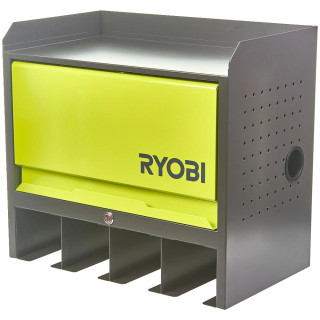
Ryobi Shelving
Ryobi Shelving keeps your workshop storage sorted, with proper space for Ryobi cordless tools, cases, fixings and everyday gear without cluttering the bench.
If your bench is buried under chargers, tool boxes and loose kit, proper Ryobi Shelving stops the usual workshop mess before it slows you down. It suits home improvement tools, DIY tools and trade tools that need to be easy to grab, easy to store and kept off the floor. If you're building out a tidy Workshop setup around your Ryobi kit, this is where to start.
What Are Ryobi Shelving Used For?
- Storing Ryobi cordless tools, chargers, cases and fixings in one place so you are not wasting ten minutes every job looking for the right bit of kit.
- Keeping workshop storage off the floor in garages, sheds and home setups where dust, damp and general clutter soon get into loose gear.
- Organising DIY tools and home improvement tools by job type, so decorating gear, drilling kit and garden bits are not all piled in the same corner.
- Setting up a dedicated wall or bench area for Ryobi tool storage, making battery charging, tool access and end of day tidy-up much quicker.
- Holding the heavier, awkward bits of everyday gear like tool boxes, consumables and spare parts where they are easy to reach but not under your feet.
Choosing the Right Ryobi Shelving
Sorting the right Ryobi Shelving is simple: buy for the weight, the space and the kit you actually need to store, not just what fits the wall.
1. Shelf Size and Load
If you are only storing chargers, fixings and lighter cases, a compact setup will do the job. If you are stacking bigger tool boxes, accessories and heavier workshop storage, go larger and check the load rating first.
2. Garage Wall or Full Workshop Run
If space is tight in a shed or single garage, keep it narrow and build vertically. If you have a proper benching area, wider Ryobi Shelving gives you a cleaner layout and stops kit ending up in piles.
3. Match It to the Rest of Your Storage
If you already use Ryobi tool storage and tool boxes, choose shelving that works with the shape and size of what you already own. There is no point buying shelves that only suit loose items when most of your gear lives in cases.
4. Leave Room for Expansion
If your kit is growing, leave spare shelf space from day one. Most users start with a couple of Ryobi power tools and end up adding chargers, spare batteries, garden kit and consumables before long.
Who Uses These on Site?
- Kitchen fitters and chippies use Ryobi Shelving to keep drills, drivers, blades and fixings lined up in the workshop before loading out for first fix and second fix jobs.
- Sparks and maintenance teams swear by proper shelving because chargers, testers, consumables and small tool boxes are easier to find when the van needs turning round fast.
- Garden and property maintenance users use these shelves in garages and sheds to separate everyday workshop kit from seasonal gear and keep walkways clear.
- DIY users building out a serious home setup use Ryobi Shelving UK ranges to stop benches disappearing under loose tools, batteries and half-used materials.
Accessories to Make Ryobi Shelving More Useful
The right add-ons stop your shelving turning into just another dumping ground.
1. Tool Boxes
A shelf full of loose fittings soon becomes a mess again. Tool boxes keep fixings, hand tools and job-specific bits contained, so you can lift the whole lot down and get straight to work.
2. Batteries Chargers and Mounts
If batteries are rolling about the bench, they will get knocked, buried or left flat. Batteries Chargers and Mounts keep charging gear together and free up shelf space for the tools themselves.
3. Ryobi 18V ONE+
If your storage is built around one battery platform, it pays to keep that system together. Ryobi 18V ONE+ tools and accessories are easier to organise when batteries, chargers and bare units all live in one dedicated area.
4. Garden Power Tools
Garage shelving often ends up carrying indoor and outdoor kit together. Giving your Garden Power Tools their own shelf stops dirty, damp gear getting mixed in with clean workshop kit.
Choose the Right Ryobi Shelving for the Job
Use this quick guide to match your shelving to the way you actually work.
| Your Job | Ryobi Shelving Type | Key Features |
|---|---|---|
| Keeping a small garage or shed tidy | Compact wall shelving | Takes up less floor space, keeps chargers and hand tools off the bench, suits lighter everyday kit. |
| Storing tool boxes and heavier cases | Wider heavy-load shelving | Better shelf depth, stronger weight handling and easier access to bulkier workshop storage. |
| Building a dedicated Ryobi tool area | Multi-shelf workshop setup | Gives separate space for Ryobi cordless tools, batteries, chargers and consumables so the whole system stays organised. |
| Separating clean tools from dirty garden kit | Zoned garage shelving | Lets you split indoor tools from outdoor gear, keeping damp and debris away from chargers and cases. |
Common Buying and Usage Mistakes
- Buying shelving by wall size alone is a common mistake. If you ignore the weight of loaded tool boxes, batteries and cases, shelves soon sag or become unsafe, so always check what you are actually storing.
- Using shelving as a dumping point instead of a storage system wastes the whole setup. Group tools by task or battery platform, otherwise you still lose time hunting through piles of gear.
- Mixing damp garden gear with chargers and electrical kit causes problems. Keep outdoor equipment separate so moisture, mud and debris do not end up around batteries and power tools.
- Filling every shelf on day one leaves no room for new kit. Leave space for extra Ryobi cordless tools, spare batteries and accessories or you will be reworking the whole wall later.
Wall Shelving vs Freestanding Storage vs Tool Boxes
Wall Shelving
Best when you want tools visible, off the floor and easy to grab in a garage or workshop. It is the right choice for building a proper storage area, but it is not the one for carrying gear to the job.
Freestanding Storage
Better if you need more flexibility or cannot fix into the wall. It is useful in rented spaces or changing workshops, though it usually takes up more floor area than shelving.
Tool Boxes
Tool boxes win for transport and job-specific kits. They keep gear contained for the van and the site, but on their own they can end up stacked in corners unless you have shelving to organise them back at base.
Maintenance and Care
Keep Shelves Clear of Dust and Debris
A quick brush down stops sawdust, plaster and general workshop muck building up around stored tools, chargers and cases.
Do Not Overload Them
Heavy tool boxes and stacked cases soon test the limits of any shelving. Spread the load properly and put the heaviest gear lower down where it is safer and easier to lift.
Check Fixings and Stability
Give brackets, mounts and fixings a look over now and then, especially in busy garages where shelves get knocked or loaded hard.
Keep Damp Gear Separate
Do not put wet garden kit or muddy gear straight onto the same shelves as batteries and chargers. Let it dry first or store it in a separate zone.
Replace Bent or Damaged Parts Early
If a shelf, bracket or mount is bent, deal with it before it turns into a dropped tool box or damaged charger. Storage gear is cheaper to replace than the kit sitting on it.
Why Shop for Ryobi Shelving at ITS?
Whether you are sorting one garage wall or building a full Ryobi tool storage setup, we stock the Ryobi Shelving range alongside the workshop storage, tool boxes and accessories that go with it. It is all in our own warehouse, in stock and ready for next day delivery, so you can get organised without holding the job up.
Ryobi Shelving FAQs
What are Ryobi Shelving used for?
Ryobi Shelving is used for organising tools, batteries, chargers, tool boxes and consumables in a garage, shed or workshop. It keeps kit off the floor, clears the bench and makes it much easier to find what you need without digging through piles of gear.
Are Ryobi Shelving compatible with Ryobi batteries?
Not in the way a power tool is compatible, no. Shelving is storage, so the real question is whether it gives you enough room for batteries, chargers and mounts. Yes, it is well suited to storing Ryobi battery kit neatly as part of a wider workshop setup.
How do I choose the right ryobi shelving?
Start with what you actually need to store. If it is just chargers, loose accessories and a few cases, keep it compact. If you have heavier tool boxes and a growing Ryobi cordless tools setup, choose deeper, stronger shelving and leave room to expand.
Can Ryobi Shelving be used for DIY and garden jobs?
Yes. It works well for DIY tools, home improvement tools and garden kit storage in garages and sheds. The sensible move is to keep dirtier outdoor gear separate from chargers and cleaner workshop tools so everything stays in decent nick.
Will Ryobi Shelving take heavy tool boxes and stacked cases?
It depends on the shelf size and load rating, so check that before you buy. For lighter gear, most setups are fine. For bigger cases and packed tool boxes, go for the stronger option and keep the heaviest loads on lower shelves.
Is this only for trade users, or does it suit home workshops too?
It suits both. Trade users like it for keeping the workshop organised and ready for the next load-out, while home users rate it for stopping the garage becoming a dumping ground for tools, fixings and half-finished jobs.