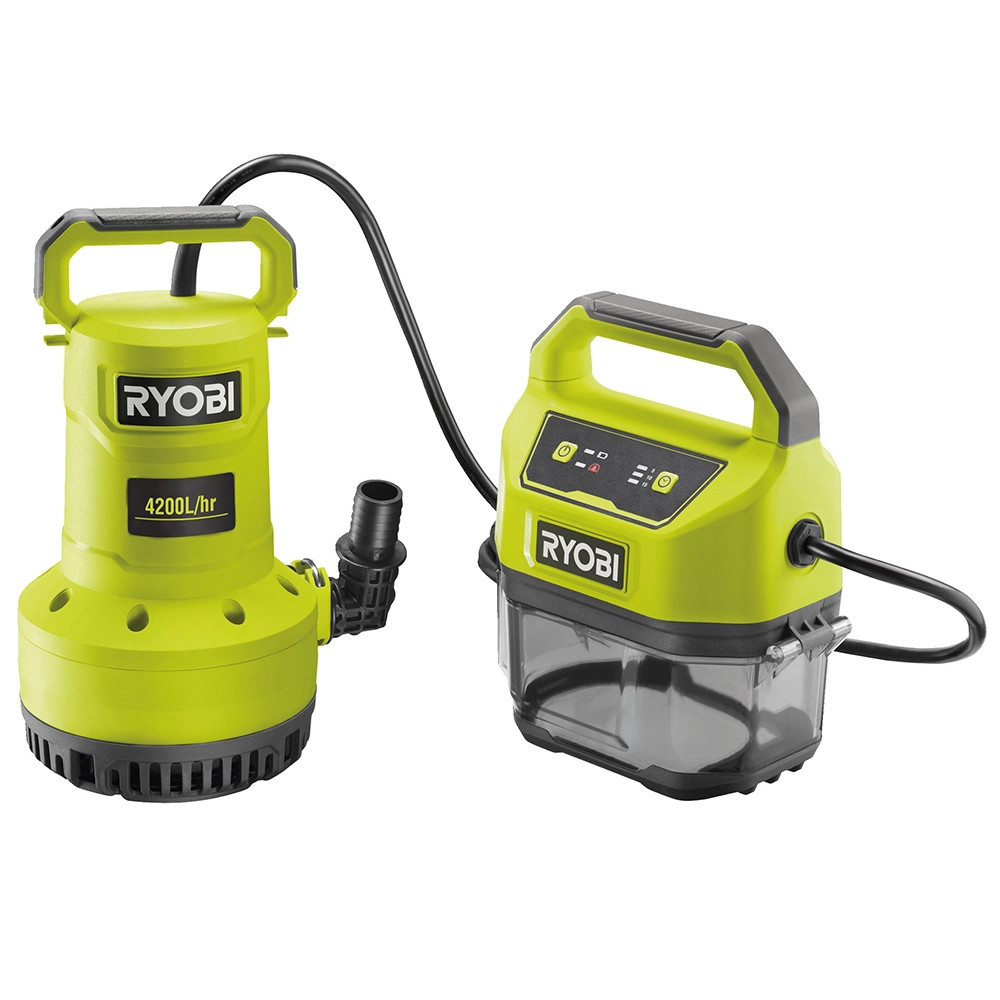
Ryobi Watering
Ryobi Watering covers the jobs that need steady pressure and less lugging about, from spraying beds and borders to shifting water round the garden fast.
If you're fed up pumping by hand or dragging a hose where it won't reach, this is the sort of kit that saves time and mess. Ryobi Watering suits garden maintenance, clean-ups and general outdoor jobs where portable sprayers and pumps make more sense than mains gear. If you're already on Ryobi 18V ONE+, it is an easy way to add practical watering tools without buying into another system.
What Are Ryobi Watering Used For?
- Watering raised beds, borders and newly laid planting where a full hose run is awkward, and you need controlled coverage without trampling through the job.
- Spraying fertiliser, weed treatment or general garden solutions over larger areas where hand pump bottles get old very quickly and leave your arm hanging off.
- Shifting water from butts, tanks or containers for garden maintenance jobs where mains access is limited and you still need decent flow on demand.
- Cleaning down patios, pots, garden furniture and outside areas with portable water delivery when you only need targeted wash-off rather than full pressure washing.
Choosing the Right Ryobi Watering
Sorting the right one is simple: match it to the amount of water you need to move and how far you need to carry it.
1. Sprayer or Pump
If you are applying feed, treatment or controlled spray over beds and borders, go for a sprayer. If you need to move plain water from a butt, tank or container, a pump makes far more sense and gets the job done quicker.
2. Tank Size and Weight
Do not buy the biggest tank by default. A larger capacity means fewer refills, but once it is full you are the one carrying it. For quick spot jobs, smaller is easier. For bigger gardens, extra capacity saves walking back and forth.
3. Battery Runtime
If you are only doing short garden jobs, a compact battery is fine. If you are covering larger areas or running pumps for longer spells, use higher Ah packs from Batteries Chargers and Mounts so you are not stopping halfway through.
4. Reach and Access
If access is tight, cordless watering tools are the better shout because you are not fighting hose runs through gates, around cars or across finished patios. For bigger open spaces, pick the model with the flow and hose length to suit the area.
Who Uses These Watering Tools?
- Garden maintenance teams use them for regular watering, feeding and spot treatment work, especially on properties where dragging long hoses through finished areas is a pain.
- Landscapers reach for Ryobi Watering kit when establishing fresh turf, planting schemes and soft landscaping, because it makes first-week watering quicker and more controlled.
- Facilities and property maintenance teams use sprayers and pumps for routine outdoor upkeep, moving water from storage and keeping grounds presentable without hauling bulky kit about.
- DIY users and homeowners already on Ryobi cordless tools swear by them for home improvement and garden jobs, mainly because the same battery platform covers both indoor and outdoor kit.
The Basics: Understanding Ryobi Watering
These tools are all about moving or spraying water without the faff of manual pumping or fixed mains setup. The main thing is knowing whether you need controlled application or simple transfer.
1. Cordless Sprayers
These use battery power to maintain pressure for you, so the spray stays more consistent than hand-pumped bottles. That matters when you are covering beds, borders or treatment areas and do not want patchy application.
2. Transfer Pumps
A pump is there to move water from one place to another, such as from a water butt to where you actually need it. For bigger gardens or awkward layouts, that saves a lot of lifting, pouring and wasted time.
3. ONE Plus Battery Platform
The big advantage with Ryobi Watering UK kit is shared battery use. If you already run Ryobi power tools or other outdoor kit, the same battery system keeps things simple and cuts down on spare chargers cluttering the van or shed.
Accessories That Keep Ryobi Watering Working Properly
A couple of sensible extras save a lot of stoppages once you are halfway through the job.
1. Spare Batteries
A spare battery is the obvious one. Do not get stuck with a half-finished watering run or treatment job because the pack has gone flat at the far end of the garden.
2. Chargers
A decent charger keeps turnaround quick, especially if the same batteries are shared with other Ryobi cordless tools and garden maintenance tools through the day.
3. Replacement Hoses and Spray Lances
These are worth having when the original gets kinked, blocked or damaged. It is a cheap fix compared with binning usable kit over one worn part.
Choose the Right Ryobi Watering for the Job
Use this quick guide to sort the right type before you buy.
| Your Job | Category or Type | Key Features |
|---|---|---|
| Watering new beds and planted borders | Cordless sprayer | Consistent spray, portable use, less arm work than manual pumping |
| Applying feed or treatment across larger areas | Backpack or larger capacity sprayer | More coverage per fill, better for regular rounds, fewer refill stops |
| Moving water from butts or tanks | Cordless transfer pump | Good flow, quick setup, useful where mains taps are nowhere near |
| Quick spot watering and light jobs | Compact watering tool | Lighter to carry, easy storage, fine for shorter runs and smaller gardens |
Common Buying and Usage Mistakes
- Buying by tank size alone usually backfires because a full large unit gets heavy quickly. Match capacity to how far you actually need to carry it.
- Using a low-capacity battery for longer watering jobs means more downtime and more swearing. If the tool is working for extended spells, step up the Ah rating.
- Picking a sprayer when you really need a transfer pump slows the whole job down. One is for applying liquids, the other is for moving volume.
- Leaving water sitting in the unit after use leads to smells, blocked lines and poor performance. Empty it, flush it through and store it clean.
Sprayers vs Pumps vs Manual Watering
Cordless Sprayers
Best when you need even coverage over beds, borders or treatment areas. They save your arm compared with hand-pumped bottles and give a steadier spray on repeat jobs.
Transfer Pumps
These are the right choice for shifting water, not misting it. If the main job is moving water from storage to where it is needed, a pump is quicker and less hassle.
Manual Watering Tools
Fine for small jobs and occasional use, but they get slow on bigger gardens and regular maintenance work. You will notice the difference once the area or workload grows.
Maintenance and Care
Flush It After Use
Run clean water through sprayers, hoses and lances after every job, especially if you have used feed or treatment. It stops residue building up and blocking the system.
Do Not Store It Full
Empty tanks and lines before storage. Leaving water sat inside can cause stale smells, seals to suffer and internal parts to gum up over time.
Look After the Battery
Charge batteries properly and keep them dry and out of extreme heat or frost. If runtime starts dropping badly, it is usually time to rotate packs or replace the tired one.
Check Hoses and Seals
A split hose or worn seal will rob pressure and make a mess fast. Check for leaks before a longer job rather than finding out once you are already soaked.
Why Shop for Ryobi Watering at ITS?
Whether you need a cordless sprayer, pump, spare battery or supporting kit, we stock the full Ryobi Watering range in one place. You can shop Ryobi, explore more Garden Outdoor kit, and add matching Garden Power Tools without jumping between suppliers. It is all held in our own warehouse, in stock and ready for next day delivery.
Ryobi Watering FAQs
What are Ryobi Watering used for?
Ryobi Watering tools are used for moving water, spraying beds and borders, applying treatments, and handling general garden watering tools jobs without relying on mains gear. They are especially useful where hose access is awkward or you want a neater, more controlled setup.
Are Ryobi Watering compatible with Ryobi batteries?
Yes, most Ryobi Watering UK tools in this range are built around the ONE Plus platform, so they work with the matching 18V batteries. That is the real advantage if you already own Ryobi cordless tools, because you can swap packs between your DIY tools, home improvement tools and outdoor kit.
How do I choose the right ryobi watering?
Start with the job. If you need to apply liquid evenly, buy a sprayer. If you need to move water from a butt or tank, buy a pump. Then look at tank size, runtime and carry weight. Bigger is not always better if you are hauling it round a large garden.
Can Ryobi Watering be used for DIY and garden jobs?
Yes. They suit DIY and garden jobs very well, especially for homeowners already using Ryobi tools UK kit. They are practical for watering, feeding, light clean-up work and general garden maintenance tools tasks where portability matters more than high pressure.
Are these only for domestic gardens, or can they handle regular maintenance work?
They are aimed at home and property upkeep, but plenty of regular maintenance users rely on them for repeat watering and treatment work. They are tough enough for ongoing use, provided you match the tool to the job and do the basic cleaning after use.
Do I really need a bigger battery for watering tools?
For short jobs, not necessarily. For longer runs, yes, it makes a difference. A small battery is fine for quick spot work, but if you are spraying larger areas or running a pump for a while, the bigger pack saves stoppages and keeps the pace up.