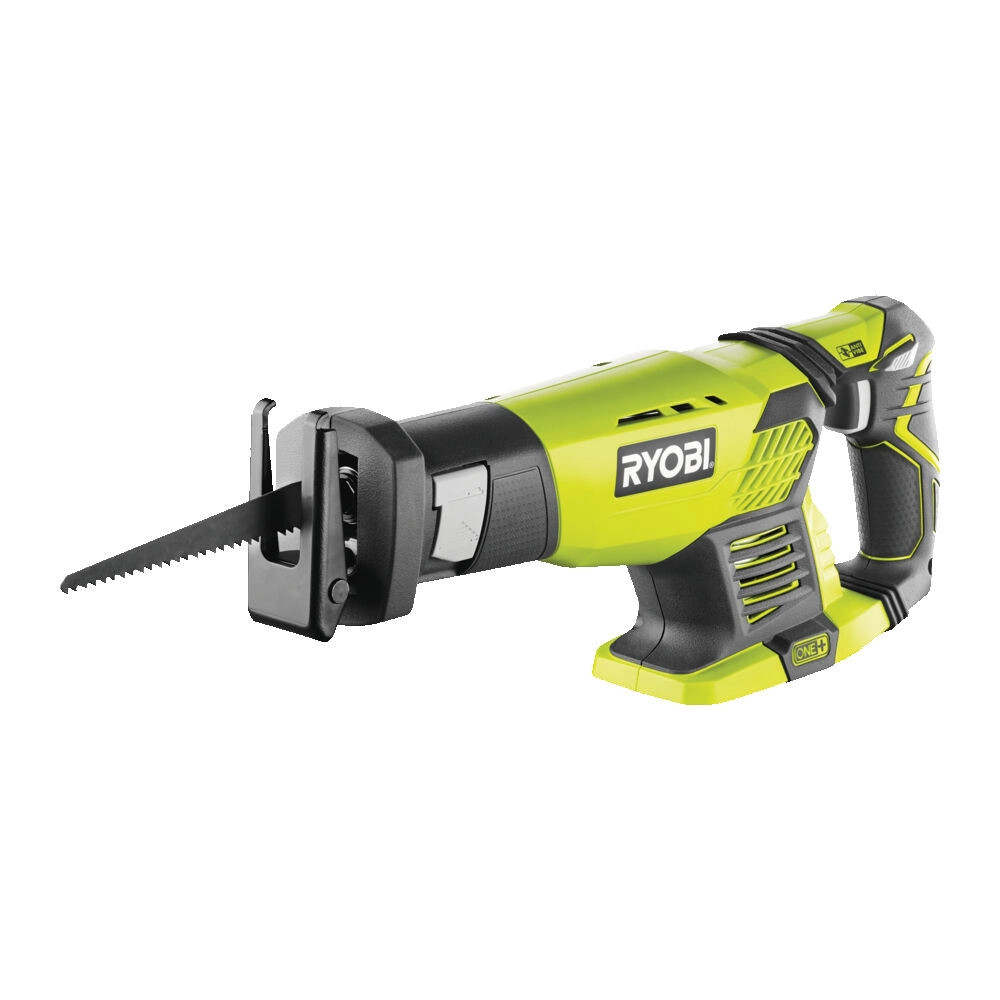
Ryobi 18V ONE+ Saws

Ryobi 18V ONE+ Saws cover the everyday cutting jobs that catch you out on site, in the workshop, or during home fit-outs and garden work.

If you're trimming sheet, cutting stud, knocking out rough timber cuts or sorting odd jobs without dragging leads about, these Ryobi ONE+ Cordless Saws make sense. The big win is staying on one Ryobi 18V ONE+ battery platform, so if you've already got other Drills and Drivers, you're not buying into another system. For trade snagging, property maintenance and solid DIY work, pick the saw that matches the cut and get on with it.

What Are Ryobi 18V ONE+ Saws Used For?

  • Cutting sheet timber, ply and MDF during kitchen fits, shelving jobs and general second fix where a cordless saw saves dragging extension leads through the house.
  • Trimming stud, battens and carcassing timber on refurb and repair work where you need quick, tidy cuts and decent control in tighter spaces.
  • Breaking down rough timber, fencing materials and garden sleepers for outdoor jobs, especially when paired with other Garden Power Tools on the same battery system.
  • Handling snagging, maintenance and first fix alterations where recip saws, circular saws or jigsaws let you cut wood, plastics and light metals without hauling corded kit around.
  • Working through home improvement jobs and mobile fitting work where Ryobi 18V cordless tools give you enough cutting power for regular use without overcomplicating the kit bag.

Choosing the Right Ryobi 18V ONE+ Saws

Sorting the right one is simple: match the saw to the cut, not the badge on the side.

1. Circular Saw vs Jigsaw vs Recip Saw

If you're cutting straight lines through sheet timber, boards and worktops, go circular saw. If you're shaping curves, cut-outs or awkward detail work, get a jigsaw. If you're stripping out, pruning, or cutting through mixed materials in rough conditions, a recip saw is the one.

2. Blade Size and Cutting Depth

Don't get caught out by depth of cut. If you're mostly on thin sheet and trim, a compact saw is easier to handle. If you're cutting thicker timber, sleepers or heavier section material, check the blade size and max depth first or you'll end up finishing cuts by hand.

3. Body Only or Kit

If you already run Ryobi ONE+ tools, body only is the sensible buy. If this is your first step into Ryobi 18V battery tools, a kit with battery and charger gets you working straight away and saves the usual last-minute scramble before the job starts.

4. Think About Runtime, Not Just Voltage

All these sit on the same 18V platform, but cutting chews batteries faster than drilling. If you're doing more than quick trim jobs, step up your battery capacity so you're not swapping packs every half hour.

Who Uses These Ryobi ONE+ Saws?

  • Chippies and fitters use them for trimming boards, notching timber and cutting sheet on kitchen, flooring and built-in furniture jobs where quick cordless setup matters.
  • Maintenance teams and property repair lads keep one in the van for patch work, refits and awkward cuts where dragging a corded saw through an occupied property is more hassle than the job is worth.
  • Landscapers and outdoor installers reach for them when cutting decking, fence rails and general timber work, especially if they already run other Ryobi kit.
  • DIY users and home improvers swear by the platform because one battery can cover saws, sanders and Batteries Chargers and Mounts without filling the shed with different chargers.

The Basics: Understanding Ryobi 18V ONE+ Saws

The main thing to understand is that different saw types solve different cutting problems. Once you know what sort of cut you're making most often, picking the right cordless saw gets much easier.

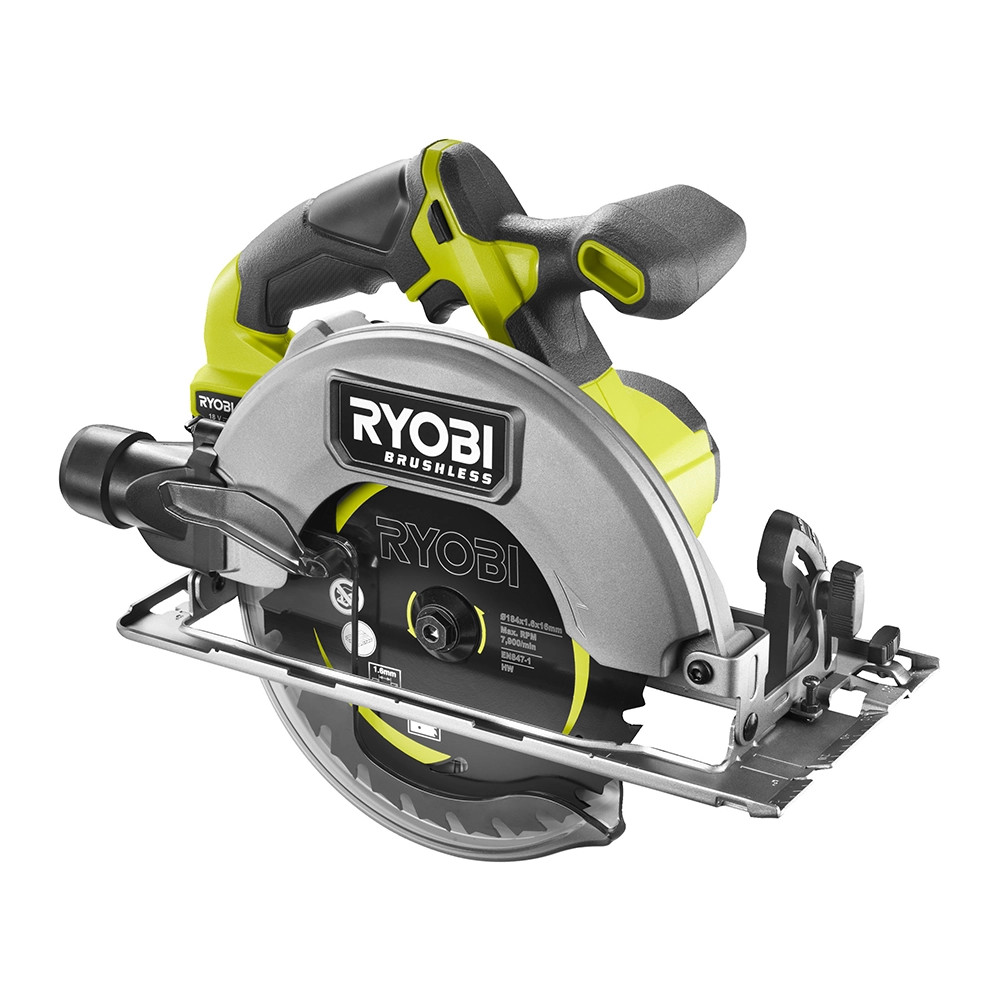
1. Circular Saws for Straight Cutting

These use a spinning round blade to make fast, straight cuts in timber sheet and boards. They are the better choice for flooring, sheet material and repeat cuts where speed matters more than fine detail.

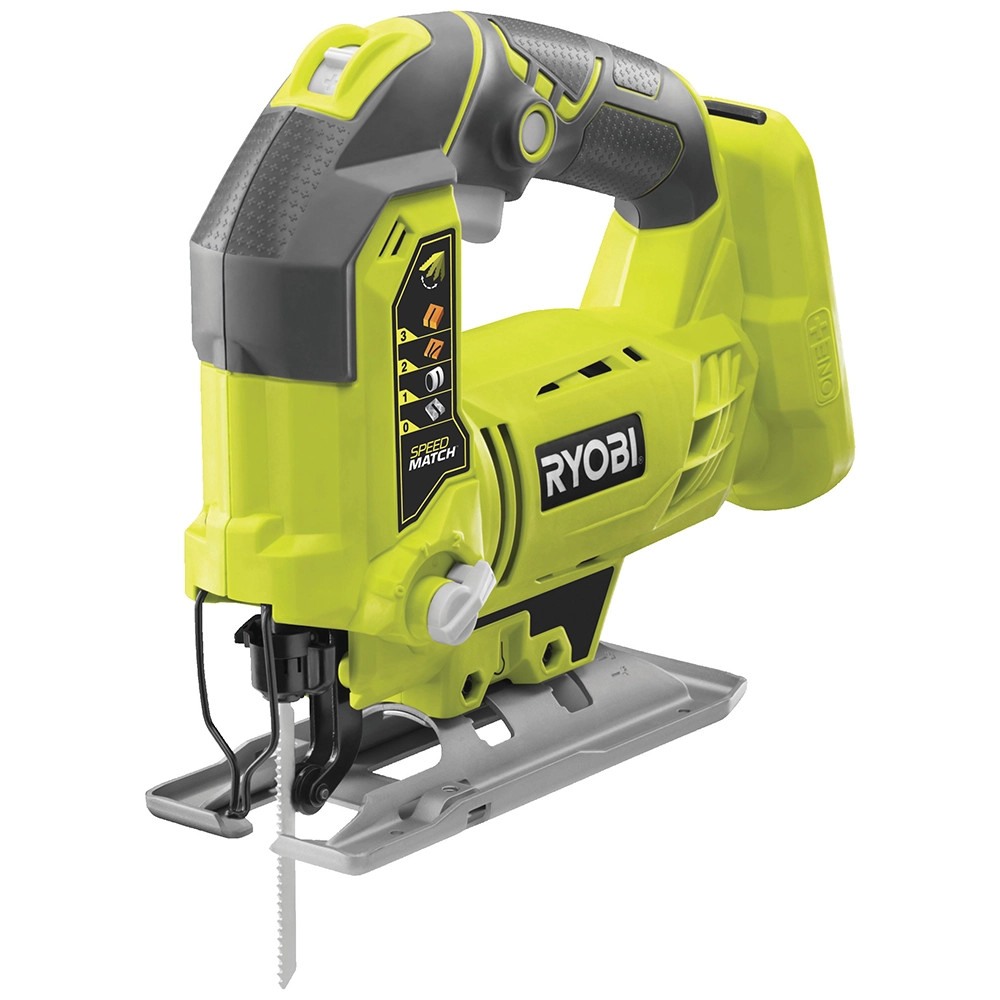
2. Jigsaws for Shape and Finish Work

A jigsaw drives a narrow blade up and down, which lets it handle curved cuts, internal cut-outs and more careful trimming. That makes it useful for worktops, sink cut-outs and detail jobs where a circular saw is too blunt an option.

3. Recip Saws for Rougher Work

A recip saw is built for demolition, pruning and awkward cuts in place. It is not the neatest finish, but when you're cutting pipe, old timber, branches or mixed site materials where access is poor, it earns its keep quickly.

Accessories That Keep Your Ryobi ONE+ Saws Working

A decent saw is only half the story. The right extras save dead batteries, rough cuts and wasted trips back to the van.

1. Spare Batteries

A spare pack is the obvious one. Sawing drains batteries quicker than lighter-duty jobs, so having another charged battery ready stops the job grinding to a halt halfway through a sheet or timber run.

2. Correct Blades

Don't make one tired blade do every job. Wood, laminate, plastic, pruning and metal all cut better with the right blade fitted, and you get less tear-out, less burning and less strain on the tool.

3. Charger

If you're building out a proper cordless setup, a reliable charger matters just as much as the saw. It keeps rotation going between packs so you're not stuck waiting around when there is still cutting to do.

Choose the Right Ryobi 18V ONE+ Saws for the Job

Use this quick guide to sort the right saw for the cut in front of you.

Your Job Category or Type Key Features
Cutting sheet timber and boards to size Circular Saw Straight cutting, decent depth capacity, fast rip and cross cuts
Cutting sink openings, curves and shaped trims Jigsaw Narrow blade, better control on curves, suited to finish work
Strip-out work and awkward cuts in place Recip Saw Works in tight spots, handles rough timber and mixed materials
Light pruning and outdoor timber jobs Recip Saw or Compact Saw Cordless freedom, quick setup, useful for garden and fence work
General home improvement and van-based repairs Body Only ONE+ Saw Good if you already own Ryobi batteries and chargers

Common Buying and Usage Mistakes

  • Buying a jigsaw when the job is mostly long straight cuts slows everything down and usually leaves a rougher finish. If you're cutting lots of sheet or board, start with a circular saw instead.
  • Using the wrong blade for the material is the fastest way to get poor cuts, burnt edges and flat batteries. Match the blade to wood, laminate, pruning or metal before you start.
  • Assuming any old battery will give decent runtime catches plenty of users out. Saws pull more from the pack, so for regular cutting jobs a higher capacity battery is the safer bet.
  • Choosing purely on price and ignoring cutting depth can leave you short halfway through thicker timber. Check maximum cut capacity against the material you actually use.
  • Trying to make a recip saw do neat finish work usually ends in extra snagging. Keep it for demolition, rough cutting and awkward access rather than visible final cuts.

Circular Saws vs Jigsaws vs Recip Saws

Circular Saws

Best for straight, fast cutting through sheet timber, boards and framing stock. They are the sensible pick for repeat cuts and cleaner lines, but they are less useful for curves or awkward in-place work.

Jigsaws

Best for curves, cut-outs and more careful trimming on fitted work. They give you far more shape control than a circular saw, but they are slower on long straight runs and not built for demolition abuse.

Recip Saws

Best for strip-out, pruning and rough cuts where speed and access matter more than finish. They will go where other saws will not, but no one reaches for one first when the cut needs to look tidy.

Maintenance and Care

Keep the Blade Sharp

A blunt blade makes the saw work harder, drains batteries faster and leaves a worse cut. If it starts burning timber, wandering off line or tearing badly, change it.

Brush Off Dust and Resin

After use, clear sawdust, chips and sticky build-up from guards, base plates and blade mounts. Letting grime pack in affects accuracy and can stop moving parts working freely.

Check the Shoe and Guards

If the base gets bent or the guard starts sticking, your cuts will suffer and the tool becomes less safe to use. Give it a quick once-over before chucking it back in the van.

Store Batteries Properly

Don't leave packs flat for weeks or rattling around wet in the back of the van. Charge them properly, keep the contacts clean and store them somewhere dry if you want decent life from them.

Replace Worn Blades Early

Blades are cheaper than wasted material and rework. Once they start slowing down or splintering cuts, swap them out instead of trying to squeeze one more job from them.

Why Shop for Ryobi 18V ONE+ Saws at ITS?

Whether you need a compact jigsaw for fitting work, a circular saw for sheet cutting or a recip saw for rough strip-out, we stock the full Ryobi ONE+ Cordless Saws range. It is all backed by our own warehouse stock, so when you order the right saw, battery or blade setup, it is ready for next day delivery.

Ryobi 18V ONE+ Saws FAQs

What are Ryobi 18V ONE+ Saws used for?

They are used for the sort of cutting jobs that come up again and again in fit-out, maintenance and DIY work. Depending on the saw type, that means straight timber cuts, sheet material, curved cut-outs, rough strip-out work, pruning and general repair jobs where cordless convenience makes life easier.

Are Ryobi 18V ONE+ Saws compatible with Ryobi batteries?

Yes. That is one of the main reasons people buy into the range. Ryobi 18V ONE+ Saws are designed to run on the ONE+ 18V battery platform, so if you already own compatible Ryobi 18V cordless tools, you can usually buy body only and use the batteries you already have.

How do I choose the right ryobi 18v one+ saws?

Start with the cut you do most. For straight timber and sheet cuts, go circular saw. For curves and cut-outs, go jigsaw. For rough work, pruning and demolition, go recip saw. Then check cutting depth, blade type and whether you need body only or a full kit with battery and charger.

Can Ryobi 18V ONE+ Saws be used for DIY and garden jobs?

Yes, and that is where a lot of them earn their keep. They are well suited to home improvement jobs like shelving, flooring and repairs, and the recip models are handy for pruning and rough outdoor cutting. Just make sure you fit the right blade for the material and job.

Are these saws up to trade work, or are they mainly for lighter jobs?

They are best thought of as solid everyday cordless saws for regular site maintenance, fitting work, snagging and serious DIY rather than full-on heavy framing day in, day out. For plenty of trades, that is exactly the sweet spot. Match the saw to the task and they do the job well.

Do I need a bigger battery for a Ryobi ONE+ saw?

Usually, yes if you plan on doing a lot of cutting. Saws draw more power than lighter tools, so a larger capacity battery will give better runtime and save constant swapping. For quick trim work, smaller packs are fine, but for repeated cuts it pays to size up.
Read more

Ryobi 18V ONE+ Saws

Ryobi 18V ONE+ Saws cover the everyday cutting jobs that catch you out on site, in the workshop, or during home fit-outs and garden work.

If you're trimming sheet, cutting stud, knocking out rough timber cuts or sorting odd jobs without dragging leads about, these Ryobi ONE+ Cordless Saws make sense. The big win is staying on one Ryobi 18V ONE+ battery platform, so if you've already got other Drills and Drivers, you're not buying into another system. For trade snagging, property maintenance and solid DIY work, pick the saw that matches the cut and get on with it.

What Are Ryobi 18V ONE+ Saws Used For?

  • Cutting sheet timber, ply and MDF during kitchen fits, shelving jobs and general second fix where a cordless saw saves dragging extension leads through the house.
  • Trimming stud, battens and carcassing timber on refurb and repair work where you need quick, tidy cuts and decent control in tighter spaces.
  • Breaking down rough timber, fencing materials and garden sleepers for outdoor jobs, especially when paired with other Garden Power Tools on the same battery system.
  • Handling snagging, maintenance and first fix alterations where recip saws, circular saws or jigsaws let you cut wood, plastics and light metals without hauling corded kit around.
  • Working through home improvement jobs and mobile fitting work where Ryobi 18V cordless tools give you enough cutting power for regular use without overcomplicating the kit bag.

Choosing the Right Ryobi 18V ONE+ Saws

Sorting the right one is simple: match the saw to the cut, not the badge on the side.

1. Circular Saw vs Jigsaw vs Recip Saw

If you're cutting straight lines through sheet timber, boards and worktops, go circular saw. If you're shaping curves, cut-outs or awkward detail work, get a jigsaw. If you're stripping out, pruning, or cutting through mixed materials in rough conditions, a recip saw is the one.

2. Blade Size and Cutting Depth

Don't get caught out by depth of cut. If you're mostly on thin sheet and trim, a compact saw is easier to handle. If you're cutting thicker timber, sleepers or heavier section material, check the blade size and max depth first or you'll end up finishing cuts by hand.

3. Body Only or Kit

If you already run Ryobi ONE+ tools, body only is the sensible buy. If this is your first step into Ryobi 18V battery tools, a kit with battery and charger gets you working straight away and saves the usual last-minute scramble before the job starts.

4. Think About Runtime, Not Just Voltage

All these sit on the same 18V platform, but cutting chews batteries faster than drilling. If you're doing more than quick trim jobs, step up your battery capacity so you're not swapping packs every half hour.

Who Uses These Ryobi ONE+ Saws?

  • Chippies and fitters use them for trimming boards, notching timber and cutting sheet on kitchen, flooring and built-in furniture jobs where quick cordless setup matters.
  • Maintenance teams and property repair lads keep one in the van for patch work, refits and awkward cuts where dragging a corded saw through an occupied property is more hassle than the job is worth.
  • Landscapers and outdoor installers reach for them when cutting decking, fence rails and general timber work, especially if they already run other Ryobi kit.
  • DIY users and home improvers swear by the platform because one battery can cover saws, sanders and Batteries Chargers and Mounts without filling the shed with different chargers.

The Basics: Understanding Ryobi 18V ONE+ Saws

The main thing to understand is that different saw types solve different cutting problems. Once you know what sort of cut you're making most often, picking the right cordless saw gets much easier.

1. Circular Saws for Straight Cutting

These use a spinning round blade to make fast, straight cuts in timber sheet and boards. They are the better choice for flooring, sheet material and repeat cuts where speed matters more than fine detail.

2. Jigsaws for Shape and Finish Work

A jigsaw drives a narrow blade up and down, which lets it handle curved cuts, internal cut-outs and more careful trimming. That makes it useful for worktops, sink cut-outs and detail jobs where a circular saw is too blunt an option.

3. Recip Saws for Rougher Work

A recip saw is built for demolition, pruning and awkward cuts in place. It is not the neatest finish, but when you're cutting pipe, old timber, branches or mixed site materials where access is poor, it earns its keep quickly.

Accessories That Keep Your Ryobi ONE+ Saws Working

A decent saw is only half the story. The right extras save dead batteries, rough cuts and wasted trips back to the van.

1. Spare Batteries

A spare pack is the obvious one. Sawing drains batteries quicker than lighter-duty jobs, so having another charged battery ready stops the job grinding to a halt halfway through a sheet or timber run.

2. Correct Blades

Don't make one tired blade do every job. Wood, laminate, plastic, pruning and metal all cut better with the right blade fitted, and you get less tear-out, less burning and less strain on the tool.

3. Charger

If you're building out a proper cordless setup, a reliable charger matters just as much as the saw. It keeps rotation going between packs so you're not stuck waiting around when there is still cutting to do.

Choose the Right Ryobi 18V ONE+ Saws for the Job

Use this quick guide to sort the right saw for the cut in front of you.

Your Job Category or Type Key Features
Cutting sheet timber and boards to size Circular Saw Straight cutting, decent depth capacity, fast rip and cross cuts
Cutting sink openings, curves and shaped trims Jigsaw Narrow blade, better control on curves, suited to finish work
Strip-out work and awkward cuts in place Recip Saw Works in tight spots, handles rough timber and mixed materials
Light pruning and outdoor timber jobs Recip Saw or Compact Saw Cordless freedom, quick setup, useful for garden and fence work
General home improvement and van-based repairs Body Only ONE+ Saw Good if you already own Ryobi batteries and chargers

Common Buying and Usage Mistakes

  • Buying a jigsaw when the job is mostly long straight cuts slows everything down and usually leaves a rougher finish. If you're cutting lots of sheet or board, start with a circular saw instead.
  • Using the wrong blade for the material is the fastest way to get poor cuts, burnt edges and flat batteries. Match the blade to wood, laminate, pruning or metal before you start.
  • Assuming any old battery will give decent runtime catches plenty of users out. Saws pull more from the pack, so for regular cutting jobs a higher capacity battery is the safer bet.
  • Choosing purely on price and ignoring cutting depth can leave you short halfway through thicker timber. Check maximum cut capacity against the material you actually use.
  • Trying to make a recip saw do neat finish work usually ends in extra snagging. Keep it for demolition, rough cutting and awkward access rather than visible final cuts.

Circular Saws vs Jigsaws vs Recip Saws

Circular Saws

Best for straight, fast cutting through sheet timber, boards and framing stock. They are the sensible pick for repeat cuts and cleaner lines, but they are less useful for curves or awkward in-place work.

Jigsaws

Best for curves, cut-outs and more careful trimming on fitted work. They give you far more shape control than a circular saw, but they are slower on long straight runs and not built for demolition abuse.

Recip Saws

Best for strip-out, pruning and rough cuts where speed and access matter more than finish. They will go where other saws will not, but no one reaches for one first when the cut needs to look tidy.

Maintenance and Care

Keep the Blade Sharp

A blunt blade makes the saw work harder, drains batteries faster and leaves a worse cut. If it starts burning timber, wandering off line or tearing badly, change it.

Brush Off Dust and Resin

After use, clear sawdust, chips and sticky build-up from guards, base plates and blade mounts. Letting grime pack in affects accuracy and can stop moving parts working freely.

Check the Shoe and Guards

If the base gets bent or the guard starts sticking, your cuts will suffer and the tool becomes less safe to use. Give it a quick once-over before chucking it back in the van.

Store Batteries Properly

Don't leave packs flat for weeks or rattling around wet in the back of the van. Charge them properly, keep the contacts clean and store them somewhere dry if you want decent life from them.

Replace Worn Blades Early

Blades are cheaper than wasted material and rework. Once they start slowing down or splintering cuts, swap them out instead of trying to squeeze one more job from them.

Why Shop for Ryobi 18V ONE+ Saws at ITS?

Whether you need a compact jigsaw for fitting work, a circular saw for sheet cutting or a recip saw for rough strip-out, we stock the full Ryobi ONE+ Cordless Saws range. It is all backed by our own warehouse stock, so when you order the right saw, battery or blade setup, it is ready for next day delivery.

Ryobi 18V ONE+ Saws FAQs

What are Ryobi 18V ONE+ Saws used for?

They are used for the sort of cutting jobs that come up again and again in fit-out, maintenance and DIY work. Depending on the saw type, that means straight timber cuts, sheet material, curved cut-outs, rough strip-out work, pruning and general repair jobs where cordless convenience makes life easier.

Are Ryobi 18V ONE+ Saws compatible with Ryobi batteries?

Yes. That is one of the main reasons people buy into the range. Ryobi 18V ONE+ Saws are designed to run on the ONE+ 18V battery platform, so if you already own compatible Ryobi 18V cordless tools, you can usually buy body only and use the batteries you already have.

How do I choose the right ryobi 18v one+ saws?

Start with the cut you do most. For straight timber and sheet cuts, go circular saw. For curves and cut-outs, go jigsaw. For rough work, pruning and demolition, go recip saw. Then check cutting depth, blade type and whether you need body only or a full kit with battery and charger.

Can Ryobi 18V ONE+ Saws be used for DIY and garden jobs?

Yes, and that is where a lot of them earn their keep. They are well suited to home improvement jobs like shelving, flooring and repairs, and the recip models are handy for pruning and rough outdoor cutting. Just make sure you fit the right blade for the material and job.

Are these saws up to trade work, or are they mainly for lighter jobs?

They are best thought of as solid everyday cordless saws for regular site maintenance, fitting work, snagging and serious DIY rather than full-on heavy framing day in, day out. For plenty of trades, that is exactly the sweet spot. Match the saw to the task and they do the job well.

Do I need a bigger battery for a Ryobi ONE+ saw?

Usually, yes if you plan on doing a lot of cutting. Saws draw more power than lighter tools, so a larger capacity battery will give better runtime and save constant swapping. For quick trim work, smaller packs are fine, but for repeated cuts it pays to size up.
ITS Click and Collect Icon
What3Words:
Get Directions
Store Opening Hours
Opening times