


Ryobi 18V ONE+ Sanders

Ryobi 18V ONE+ Sanders are built for rubbing down timber, tidying filler, and smoothing paintwork without dragging leads round the job.

If you're doing second fix, patch repairs, furniture work or weekend home jobs, these Ryobi ONE+ Cordless Sanders make life easier in tight rooms, gardens and out by the van. They suit anyone already on the Ryobi 18V ONE+ system, so you can use the batteries you own and get straight on with prep work. For lighter sanding, edge work and quick clean-up between coats, this is the sort of kit that earns its keep.

What Are Ryobi 18V ONE+ Sanders Used For?

  • Smoothing timber before paint, stain or varnish, whether you are knocking back rough sawn edges, finishing skirting, or cleaning up sheet material in a workshop or spare room.
  • Flattening filler, old paint edges and repaired patches so decorators and maintenance teams can get a tidy finish without dragging an extension lead through the house.
  • Cleaning up doors, frames, bannisters and garden furniture where a cordless sander is easier to handle than bulkier mains kit, especially when you are moving room to room.
  • Preparing decking boards, planters and outdoor timber for treatment, giving you a quick way to strip back weathered surfaces before recoating.
  • Handling snagging and touch-up jobs where you only need fast, controlled sanding rather than hauling out bigger bench or corded wood sanding tools.

Choosing the Right Ryobi 18V ONE+ Sanders

Sorting the right one is simple: match the sanding pad and shape to the surface, not just the price tag.

1. Detail Sander or Finishing Sander

If you are working into corners, along spindles or around awkward trim, go for a detail sander. If you are mainly flattening doors, boards or filler on broad faces, a finishing sander will get through the work faster and leave a more even result.

2. Bare Unit or Kit

If you already own Ryobi 18V battery tools, a body only sander usually makes more sense. If this is your first step into the range, buy a kit or add what you need from Batteries Chargers and Mounts so you are not stuck with a tool you cannot run.

3. Runtime Matters More Than You Think

For quick snagging and light prep, smaller batteries are fine. If you are sanding doors, decking or batches of timber, step up the battery size or keep a spare charged, because sanding drains power quicker than people expect.

4. Dust Collection Is Worth Paying Attention To

If you are working in occupied homes or finished rooms, pick a model with decent dust bag or extraction options. It will save you covering the place in fine dust and cut down the clean-up at the end.

Who Uses These Ryobi ONE+ Sanders?

  • Chippies use them for second-fix tidy-up, knocking back filler and cleaning up trims, doors and fitted units before the decorators come through.
  • Decorators reach for cordless sanders when they are feathering repaired walls, smoothing woodwork and sorting painted edges without trailing cables across finished floors.
  • Maintenance teams and landlords keep one handy for patch jobs, door easing and quick repairs where dragging out full-size kit would waste more time than the sanding itself.
  • DIY users and home improvers swear by them for furniture refresh, shelving, fencing and general home improvement tools work, especially if they are already running other Ryobi kit.

The Basics: Understanding Ryobi 18V ONE+ Sanders

These are straightforward tools, but the pad shape and sanding action make a big difference to the finish you get. Here is the simple version.

1. Finishing Sanders for Flat Faces

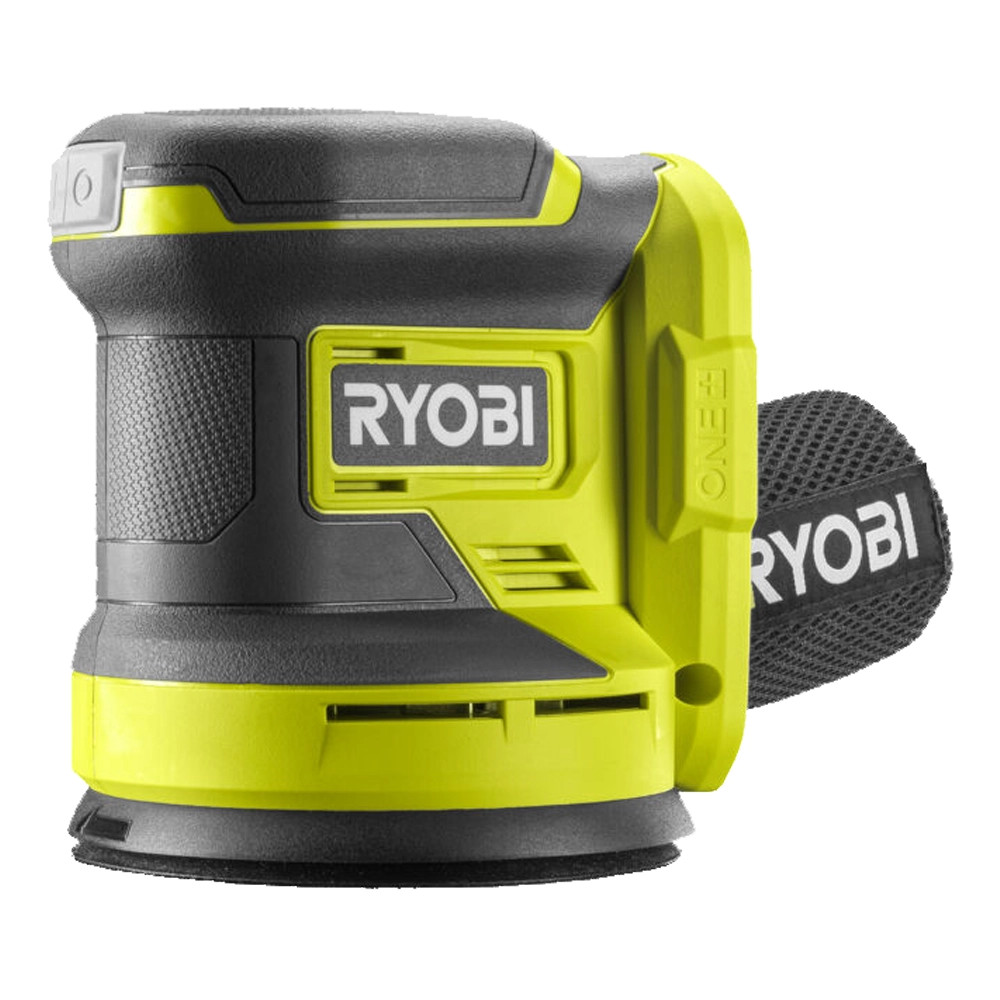
These are the ones for doors, shelves, boards and filled patches. They are built to smooth larger flat areas evenly, so you spend less time chasing ridges and missed spots before paint or stain.

2. Detail Sanders for Tight Corners

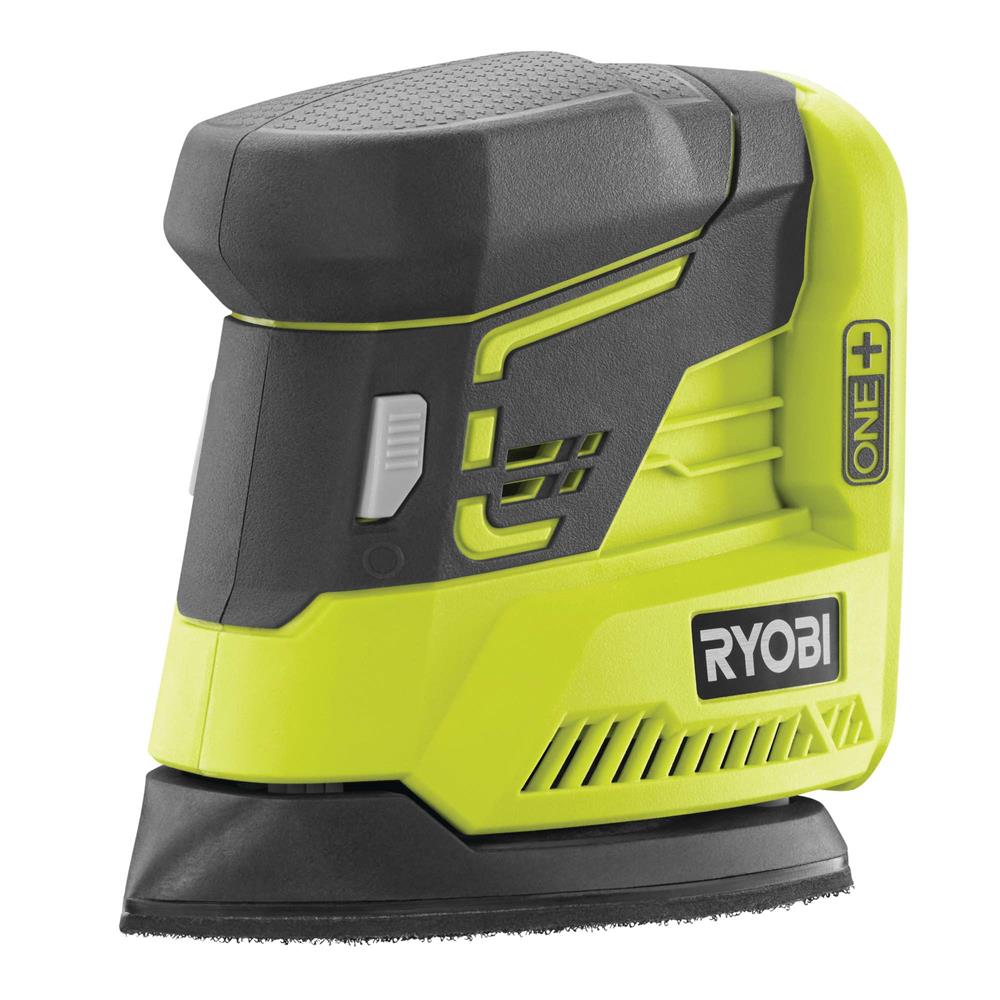
A pointed pad gets into corners, edges and narrow sections that bigger sanders miss. That makes them useful for stair parts, window boards, garden furniture and fiddly trim work.

3. Grit Choice Controls the Finish

Coarser sheets strip material faster and sort rough timber or old coatings. Finer sheets are for finishing between coats and leaving surfaces ready for paint, varnish or treatment without gouging them up.

Sanding Accessories That Save Time

The right extras stop downtime, improve the finish, and save you making do with worn-out consumables.

1. Sanding Sheets

Get a proper spread of grits for stripping, smoothing and finishing. Trying to do the whole job with one worn sheet is how you waste batteries, leave swirl marks and end up redoing the work.

2. Spare Batteries

A spare battery is a no-brainer if you are sanding more than the odd patch. You do not want the tool dying halfway through a door or decking board with the surface only half-prepped.

3. Chargers

A decent charger keeps the rotation going, especially if you are using other Ryobi ONE+ tools on the same day. It is the difference between cracking on and standing about waiting for power.

Choose the Right Ryobi 18V ONE+ Sanders for the Job

Use this quick guide to sort the right cordless sander for the work in front of you.

Your Job Category or Type Key Features
Finishing doors, shelves and flat timber Finishing sander Larger sanding area, steady stock removal, cleaner finish on broad faces
Working into corners, edges and trim Detail sander Pointed pad shape, better access, easier control on awkward sections
Light snagging and filler sanding around the house Compact cordless sander Quick setup, easy room-to-room use, less faff than mains tools
Decking, benches and outdoor timber touch-ups Ryobi ONE+ cordless sander with higher capacity battery Longer runtime, no lead to drag outside, better for moving around the garden

Common Buying and Usage Mistakes

  • Buying on battery size alone and ignoring pad shape is a common mistake. If the sander cannot get into the area you are working on, you will still be finishing half the job by hand.
  • Using the wrong grit slows everything down. Too coarse and you mark the surface, too fine and you are there all day wondering why nothing is shifting.
  • Running one battery for long sanding sessions catches people out. Sanders can chew through charge, so keep a spare ready or expect stoppages halfway through prep.
  • Ignoring dust collection makes more mess than most expect. In finished rooms and occupied homes, poor extraction means more clean-up and more chance of dust landing in fresh paint.
  • Keeping worn sheets on too long gives a poor finish and overheats the job. Fresh abrasives cut faster, leave a cleaner surface and put less strain on the tool.

Detail Sanders vs Finishing Sanders vs Corded Sanders

Detail Sanders

Best for corners, narrow edges and awkward trim where access matters more than speed. They are the sensible pick for stair parts, window boards and touch-up jobs, but they are slower on wide flat panels.

Finishing Sanders

These make more sense when most of the job is flat timber, doors, filler patches or sheet material. They leave a more even finish across bigger faces, but they cannot reach tight corners like a detail model can.

Corded Sanders

Corded kit still suits long bench work where power is constant and you are staying in one spot. Ryobi 18V ONE+ Sanders win when you are moving around a house, working outside, or do not want leads under your feet.

Maintenance and Care

Empty Dust Bags and Ports

Fine sanding dust builds up quickly and strangles performance. Empty the bag, clear the ports and wipe the housing down after use so airflow stays decent.

Change Worn Sheets Early

If the abrasive is glazed over or clogged, bin it. A dead sheet just burns time, drains batteries and leaves a poorer finish than a fresh one.

Keep the Base Clean

Dust and old adhesive on the sanding pad stop sheets sitting properly. Clean the base regularly so the abrasive grips well and wears evenly.

Store Batteries Sensibly

Do not leave batteries rolling round a damp van or out in the cold for weeks. Charge them properly, store them dry, and they will hold up far better over time.

Replace Pads When Grip Goes

If the hook and loop base stops holding sheets firmly, it is time to sort it. Loose abrasive causes uneven sanding and can ruin the finish on visible work.

Why Shop for Ryobi 18V ONE+ Sanders at ITS?

Whether you need a compact detail sander for snagging or a finishing sander for regular prep work, we stock the full Ryobi ONE+ cordless sanders range in one place. That includes matching kit across Drills and Drivers and even Garden Power Tools, all backed by stock held in our own warehouse and ready for next day delivery.

Ryobi 18V ONE+ Sanders FAQs

What are Ryobi 18V ONE+ Sanders used for?

They are mainly used for sanding timber, flattening filler, smoothing painted edges, and prepping surfaces before finishing. In real use, they are handy for doors, skirting, shelving, furniture, decking and all the smaller prep jobs where a cordless sander is quicker than dragging a lead about.

Are Ryobi 18V ONE+ Sanders compatible with Ryobi batteries?

Yes. Ryobi 18V ONE+ Sanders are built to run on the Ryobi ONE+ 18V battery platform, which is the main reason many buyers stick with the range. If you already own Ryobi 18V cordless tools, a body only sander is often the sensible buy.

How do I choose the right ryobi 18v one+ sanders?

Start with the job surface. For broad flat areas like doors and boards, choose a finishing sander. For corners, mouldings and awkward trim, go detail. Then think about runtime, dust collection and whether you need a bare unit or a full kit.

Can Ryobi 18V ONE+ Sanders be used for DIY and garden jobs?

Yes, absolutely. They are well suited to DIY tools work like furniture restoration, shelving, skirting and decorating prep, and they are useful outside on fencing, planters, benches and decking before treatment or repainting. Just use the right grit and do not force the tool.

Will these sanders handle proper site use, or are they more for home jobs?

They are best looked at as solid light-duty to medium-duty cordless sanders. For snagging, second-fix tidy-up, maintenance and domestic property work, they do the job well. If you are sanding all day every day in a workshop, you may still want heavier specialist kit for the constant workload.

Do cordless sanders flatten surfaces properly, or do they just save you using sandpaper by hand?

Yes, they do proper prep work if you use the right abrasive and let the machine work. They are much quicker and more even than sanding by hand on filler, timber edges and painted surfaces, but sheet choice and pad type matter if you want a clean finish.
Read more

Ryobi 18V ONE+ Sanders

Ryobi 18V ONE+ Sanders are built for rubbing down timber, tidying filler, and smoothing paintwork without dragging leads round the job.

If you're doing second fix, patch repairs, furniture work or weekend home jobs, these Ryobi ONE+ Cordless Sanders make life easier in tight rooms, gardens and out by the van. They suit anyone already on the Ryobi 18V ONE+ system, so you can use the batteries you own and get straight on with prep work. For lighter sanding, edge work and quick clean-up between coats, this is the sort of kit that earns its keep.

What Are Ryobi 18V ONE+ Sanders Used For?

  • Smoothing timber before paint, stain or varnish, whether you are knocking back rough sawn edges, finishing skirting, or cleaning up sheet material in a workshop or spare room.
  • Flattening filler, old paint edges and repaired patches so decorators and maintenance teams can get a tidy finish without dragging an extension lead through the house.
  • Cleaning up doors, frames, bannisters and garden furniture where a cordless sander is easier to handle than bulkier mains kit, especially when you are moving room to room.
  • Preparing decking boards, planters and outdoor timber for treatment, giving you a quick way to strip back weathered surfaces before recoating.
  • Handling snagging and touch-up jobs where you only need fast, controlled sanding rather than hauling out bigger bench or corded wood sanding tools.

Choosing the Right Ryobi 18V ONE+ Sanders

Sorting the right one is simple: match the sanding pad and shape to the surface, not just the price tag.

1. Detail Sander or Finishing Sander

If you are working into corners, along spindles or around awkward trim, go for a detail sander. If you are mainly flattening doors, boards or filler on broad faces, a finishing sander will get through the work faster and leave a more even result.

2. Bare Unit or Kit

If you already own Ryobi 18V battery tools, a body only sander usually makes more sense. If this is your first step into the range, buy a kit or add what you need from Batteries Chargers and Mounts so you are not stuck with a tool you cannot run.

3. Runtime Matters More Than You Think

For quick snagging and light prep, smaller batteries are fine. If you are sanding doors, decking or batches of timber, step up the battery size or keep a spare charged, because sanding drains power quicker than people expect.

4. Dust Collection Is Worth Paying Attention To

If you are working in occupied homes or finished rooms, pick a model with decent dust bag or extraction options. It will save you covering the place in fine dust and cut down the clean-up at the end.

Who Uses These Ryobi ONE+ Sanders?

  • Chippies use them for second-fix tidy-up, knocking back filler and cleaning up trims, doors and fitted units before the decorators come through.
  • Decorators reach for cordless sanders when they are feathering repaired walls, smoothing woodwork and sorting painted edges without trailing cables across finished floors.
  • Maintenance teams and landlords keep one handy for patch jobs, door easing and quick repairs where dragging out full-size kit would waste more time than the sanding itself.
  • DIY users and home improvers swear by them for furniture refresh, shelving, fencing and general home improvement tools work, especially if they are already running other Ryobi kit.

The Basics: Understanding Ryobi 18V ONE+ Sanders

These are straightforward tools, but the pad shape and sanding action make a big difference to the finish you get. Here is the simple version.

1. Finishing Sanders for Flat Faces

These are the ones for doors, shelves, boards and filled patches. They are built to smooth larger flat areas evenly, so you spend less time chasing ridges and missed spots before paint or stain.

2. Detail Sanders for Tight Corners

A pointed pad gets into corners, edges and narrow sections that bigger sanders miss. That makes them useful for stair parts, window boards, garden furniture and fiddly trim work.

3. Grit Choice Controls the Finish

Coarser sheets strip material faster and sort rough timber or old coatings. Finer sheets are for finishing between coats and leaving surfaces ready for paint, varnish or treatment without gouging them up.

Sanding Accessories That Save Time

The right extras stop downtime, improve the finish, and save you making do with worn-out consumables.

1. Sanding Sheets

Get a proper spread of grits for stripping, smoothing and finishing. Trying to do the whole job with one worn sheet is how you waste batteries, leave swirl marks and end up redoing the work.

2. Spare Batteries

A spare battery is a no-brainer if you are sanding more than the odd patch. You do not want the tool dying halfway through a door or decking board with the surface only half-prepped.

3. Chargers

A decent charger keeps the rotation going, especially if you are using other Ryobi ONE+ tools on the same day. It is the difference between cracking on and standing about waiting for power.

Choose the Right Ryobi 18V ONE+ Sanders for the Job

Use this quick guide to sort the right cordless sander for the work in front of you.

Your Job Category or Type Key Features
Finishing doors, shelves and flat timber Finishing sander Larger sanding area, steady stock removal, cleaner finish on broad faces
Working into corners, edges and trim Detail sander Pointed pad shape, better access, easier control on awkward sections
Light snagging and filler sanding around the house Compact cordless sander Quick setup, easy room-to-room use, less faff than mains tools
Decking, benches and outdoor timber touch-ups Ryobi ONE+ cordless sander with higher capacity battery Longer runtime, no lead to drag outside, better for moving around the garden

Common Buying and Usage Mistakes

  • Buying on battery size alone and ignoring pad shape is a common mistake. If the sander cannot get into the area you are working on, you will still be finishing half the job by hand.
  • Using the wrong grit slows everything down. Too coarse and you mark the surface, too fine and you are there all day wondering why nothing is shifting.
  • Running one battery for long sanding sessions catches people out. Sanders can chew through charge, so keep a spare ready or expect stoppages halfway through prep.
  • Ignoring dust collection makes more mess than most expect. In finished rooms and occupied homes, poor extraction means more clean-up and more chance of dust landing in fresh paint.
  • Keeping worn sheets on too long gives a poor finish and overheats the job. Fresh abrasives cut faster, leave a cleaner surface and put less strain on the tool.

Detail Sanders vs Finishing Sanders vs Corded Sanders

Detail Sanders

Best for corners, narrow edges and awkward trim where access matters more than speed. They are the sensible pick for stair parts, window boards and touch-up jobs, but they are slower on wide flat panels.

Finishing Sanders

These make more sense when most of the job is flat timber, doors, filler patches or sheet material. They leave a more even finish across bigger faces, but they cannot reach tight corners like a detail model can.

Corded Sanders

Corded kit still suits long bench work where power is constant and you are staying in one spot. Ryobi 18V ONE+ Sanders win when you are moving around a house, working outside, or do not want leads under your feet.

Maintenance and Care

Empty Dust Bags and Ports

Fine sanding dust builds up quickly and strangles performance. Empty the bag, clear the ports and wipe the housing down after use so airflow stays decent.

Change Worn Sheets Early

If the abrasive is glazed over or clogged, bin it. A dead sheet just burns time, drains batteries and leaves a poorer finish than a fresh one.

Keep the Base Clean

Dust and old adhesive on the sanding pad stop sheets sitting properly. Clean the base regularly so the abrasive grips well and wears evenly.

Store Batteries Sensibly

Do not leave batteries rolling round a damp van or out in the cold for weeks. Charge them properly, store them dry, and they will hold up far better over time.

Replace Pads When Grip Goes

If the hook and loop base stops holding sheets firmly, it is time to sort it. Loose abrasive causes uneven sanding and can ruin the finish on visible work.

Why Shop for Ryobi 18V ONE+ Sanders at ITS?

Whether you need a compact detail sander for snagging or a finishing sander for regular prep work, we stock the full Ryobi ONE+ cordless sanders range in one place. That includes matching kit across Drills and Drivers and even Garden Power Tools, all backed by stock held in our own warehouse and ready for next day delivery.

Ryobi 18V ONE+ Sanders FAQs

What are Ryobi 18V ONE+ Sanders used for?

They are mainly used for sanding timber, flattening filler, smoothing painted edges, and prepping surfaces before finishing. In real use, they are handy for doors, skirting, shelving, furniture, decking and all the smaller prep jobs where a cordless sander is quicker than dragging a lead about.

Are Ryobi 18V ONE+ Sanders compatible with Ryobi batteries?

Yes. Ryobi 18V ONE+ Sanders are built to run on the Ryobi ONE+ 18V battery platform, which is the main reason many buyers stick with the range. If you already own Ryobi 18V cordless tools, a body only sander is often the sensible buy.

How do I choose the right ryobi 18v one+ sanders?

Start with the job surface. For broad flat areas like doors and boards, choose a finishing sander. For corners, mouldings and awkward trim, go detail. Then think about runtime, dust collection and whether you need a bare unit or a full kit.

Can Ryobi 18V ONE+ Sanders be used for DIY and garden jobs?

Yes, absolutely. They are well suited to DIY tools work like furniture restoration, shelving, skirting and decorating prep, and they are useful outside on fencing, planters, benches and decking before treatment or repainting. Just use the right grit and do not force the tool.

Will these sanders handle proper site use, or are they more for home jobs?

They are best looked at as solid light-duty to medium-duty cordless sanders. For snagging, second-fix tidy-up, maintenance and domestic property work, they do the job well. If you are sanding all day every day in a workshop, you may still want heavier specialist kit for the constant workload.

Do cordless sanders flatten surfaces properly, or do they just save you using sandpaper by hand?

Yes, they do proper prep work if you use the right abrasive and let the machine work. They are much quicker and more even than sanding by hand on filler, timber edges and painted surfaces, but sheet choice and pad type matter if you want a clean finish.
ITS Click and Collect Icon
What3Words:
Get Directions
Store Opening Hours
Opening times
