Ryobi 18V ONE+ More Power Tools

Ryobi 18V ONE+ More Power Tools cover the odd jobs that still need proper cordless kit, from cutting and inflating to polishing, fixing and site clear-up.

This is the bit of the Ryobi 18V ONE+ range you end up using more than expected. Handy for snagging, home improvement, workshop jobs and light trade work, these are the tools that sort the awkward tasks your main kit does not. If you already run Ryobi, sticking with the same batteries saves cash and keeps the van or garage simple. Have a look through and pick the bits that actually earn their space.

What Are Ryobi 18V ONE+ More Power Tools Used For?

  • Sorting snagging and finishing jobs around the house, workshop or small site, where a cordless inflator, glue gun, stapler or compact cutter saves dragging out bigger kit.
  • Working on vehicles, trailers and bikes, where Ryobi ONE+ Cordless More Power Tools help with tyre inflation, cleaning, polishing and quick fixes without needing mains power nearby.
  • Tackling awkward repair jobs in lofts, sheds and outbuildings, where lighter Ryobi 18V cordless tools are easier to carry and quicker to grab for short bursts of work.
  • Handling DIY tools and home improvement tools jobs like trimming, bonding, cleaning and light fabrication, where one battery platform keeps everything moving without a drawer full of chargers.
  • Backing up trade tools on maintenance rounds, where these odd-job tools deal with the small but time-wasting tasks that slow a day down if you have not got the right bit of kit.

Choosing the Right Ryobi 18V ONE+ More Power Tools

Match the tool to the awkward job you keep putting off. That is usually the right way to buy from this part of the range.

1. Pick for the task you do often

If you are always topping up tyres, cleaning cars or doing small repairs, buy the inflator, scrubber or stapler first. If it is only for a one-off job, do not overbuy just because it shares a battery.

2. Think about runtime, not just voltage

These all run on the same 18V platform, but runtime changes massively depending on the tool. For longer cleaning or polishing jobs, go up in battery size. For quick snagging work, a compact pack keeps the tool lighter in hand.

3. Body only or full kit

If you already own Ryobi ONE+ tools, body only usually makes more sense. If this is your first step into the platform, a starter kit with battery and charger saves you getting the tool home and realising you still cannot use it.

4. Buy around the platform you already use

If you already own Drills and Drivers or Garden Power Tools, staying on the same Ryobi 18V battery tools system is the sensible move. Fewer chargers, fewer loose batteries, less faff.

Who Uses These Ryobi ONE+ Tools?

  • Maintenance teams keep these in the van for quick repairs, site fixes and snagging jobs, because they cover the small tasks that do not justify hauling out heavier gear.
  • Kitchen fitters, chippies and general builders use them for trimming, bonding, stapling and tidy-up work, especially when they are moving room to room and want cordless convenience.
  • DIY users and renovators swear by this part of the range for home improvement jobs, because one set of Ryobi 18V battery tools can cover everything from inflating to polishing to cutting.
  • Garage and vehicle owners reach for them when cleaning, pumping up tyres or carrying out light repairs, and many pair them with Batteries Chargers and Mounts so spare power is always ready.

The Basics: Understanding Ryobi 18V ONE+ More Power Tools

The main thing to know here is not the motor type or the badge. It is the shared battery platform and how these tools fill the gaps your main kit leaves behind.

1. One Battery System

These tools are part of the Ryobi ONE+ Cordless More Power Tools range, so they use the same 18V battery system as the rest of the platform. That means you can buy specialist tools without starting again on chargers and packs.

2. Built for the awkward jobs

This category covers the jobs that sit outside normal drilling and cutting. Think inflating tyres, stapling materials, polishing panels, glueing trims or cleaning up. They save time because you are using the right tool instead of forcing another one to do the job badly.

3. Better buying through the platform

Once you are already on the battery system, adding these tools is usually cheaper and easier than buying separate mains kit. It is a practical way to build out DIY tools, home improvement tools and light trade tools as you need them.

Useful Extras for Ryobi 18V ONE+ More Power Tools

A couple of sensible add-ons make these tools far more useful on the job and stop the usual hold-ups.

1. Spare Batteries

A spare pack stops you getting halfway through inflating, cleaning or polishing and having to wait about for a charge. If you use these tools regularly, one battery is rarely enough.

2. Charger

If you are adding body only tools to an existing setup, make sure your charging setup can keep up. A decent charger keeps batteries turning round properly instead of leaving kit dead when you need it.

3. Tool Specific Consumables

Staples, glue sticks, polishing pads, scrubber heads or inflation adaptors are the bits people forget. Without them, the tool is just taking up shelf space, so buy what the job actually needs at the same time.

Choose the Right Ryobi 18V ONE+ More Power Tools for the Job

Use this quick guide to narrow down the type of tool that makes sense for your work.

Your Job Category or Type Key Features
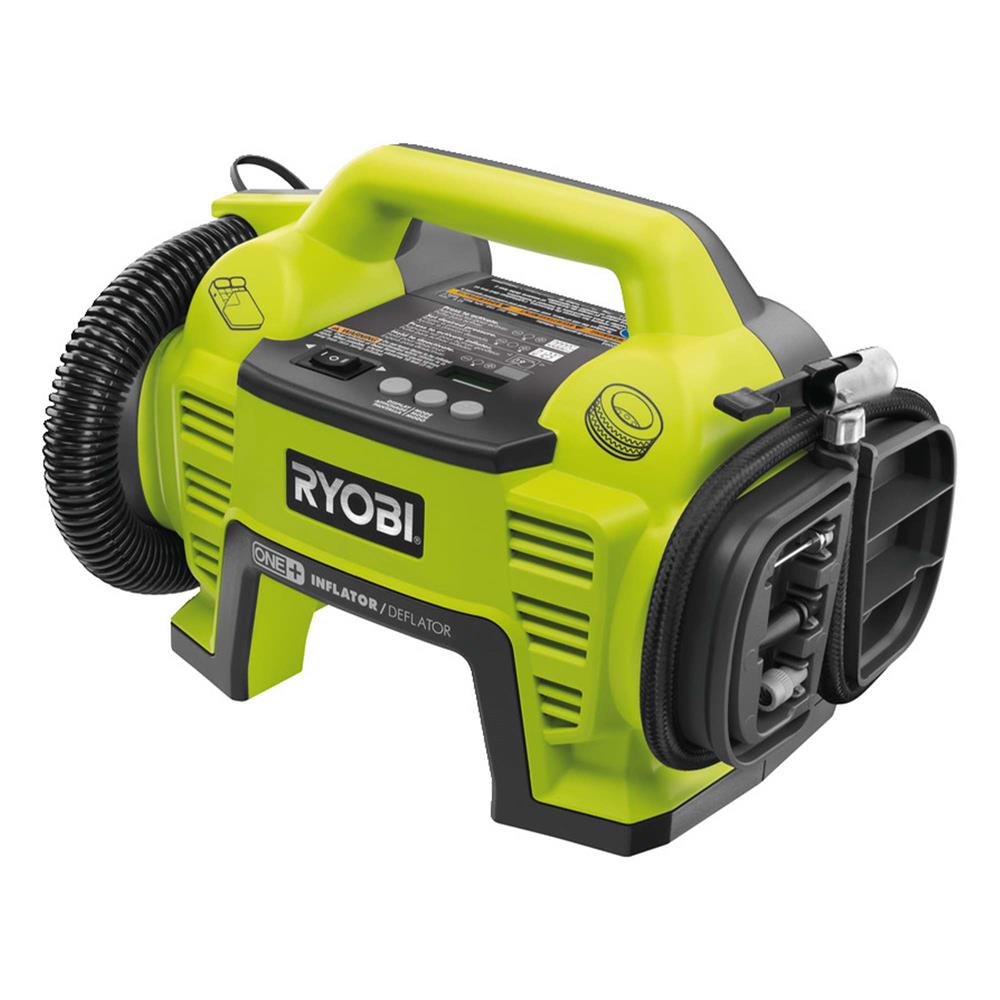
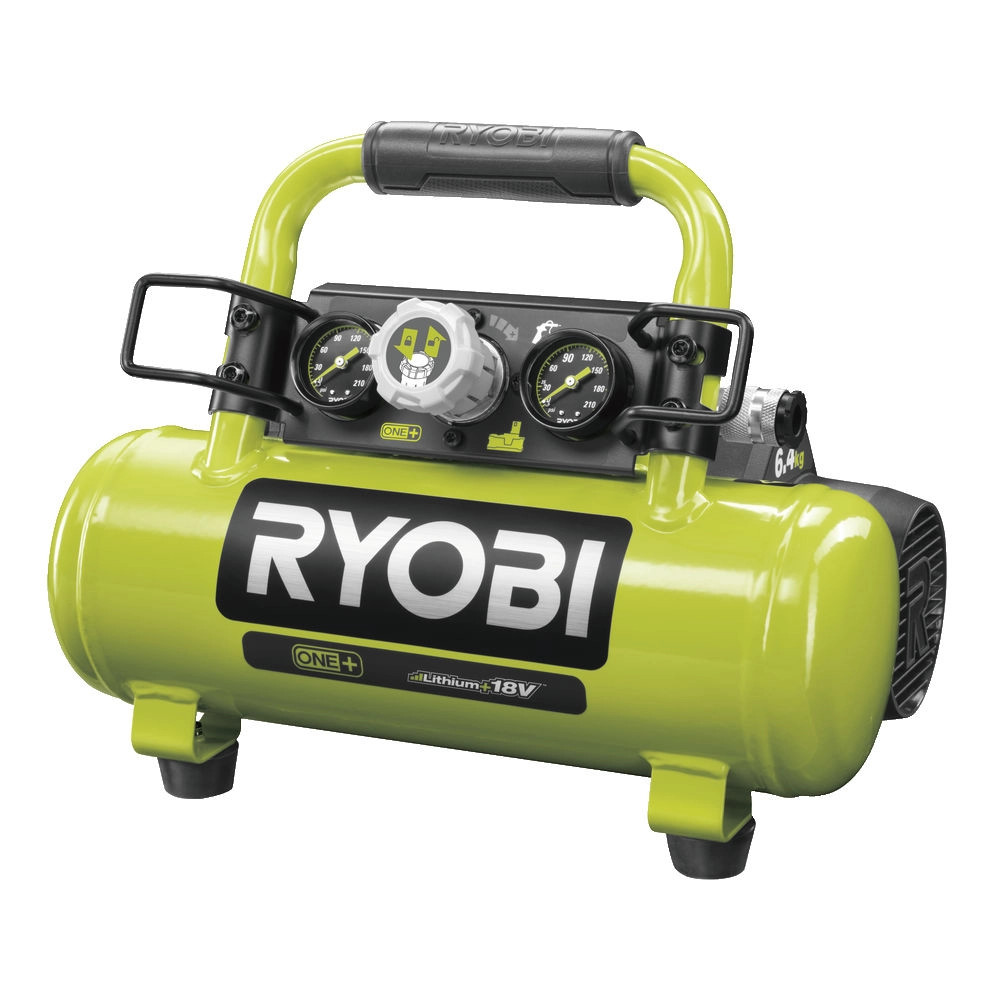
Tyres, inflatables and pressure checks Cordless inflators Clear pressure control, hose storage, quick setup and easy carry for van, car and garden use.
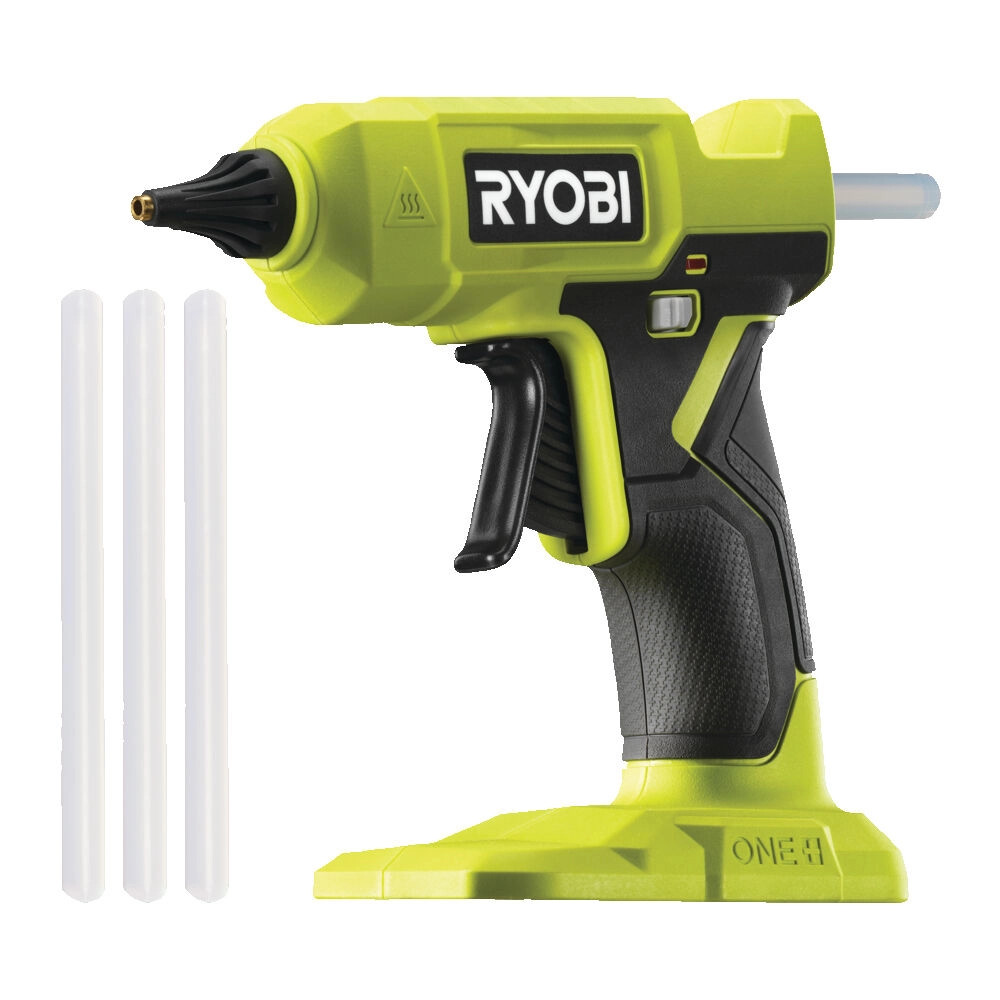
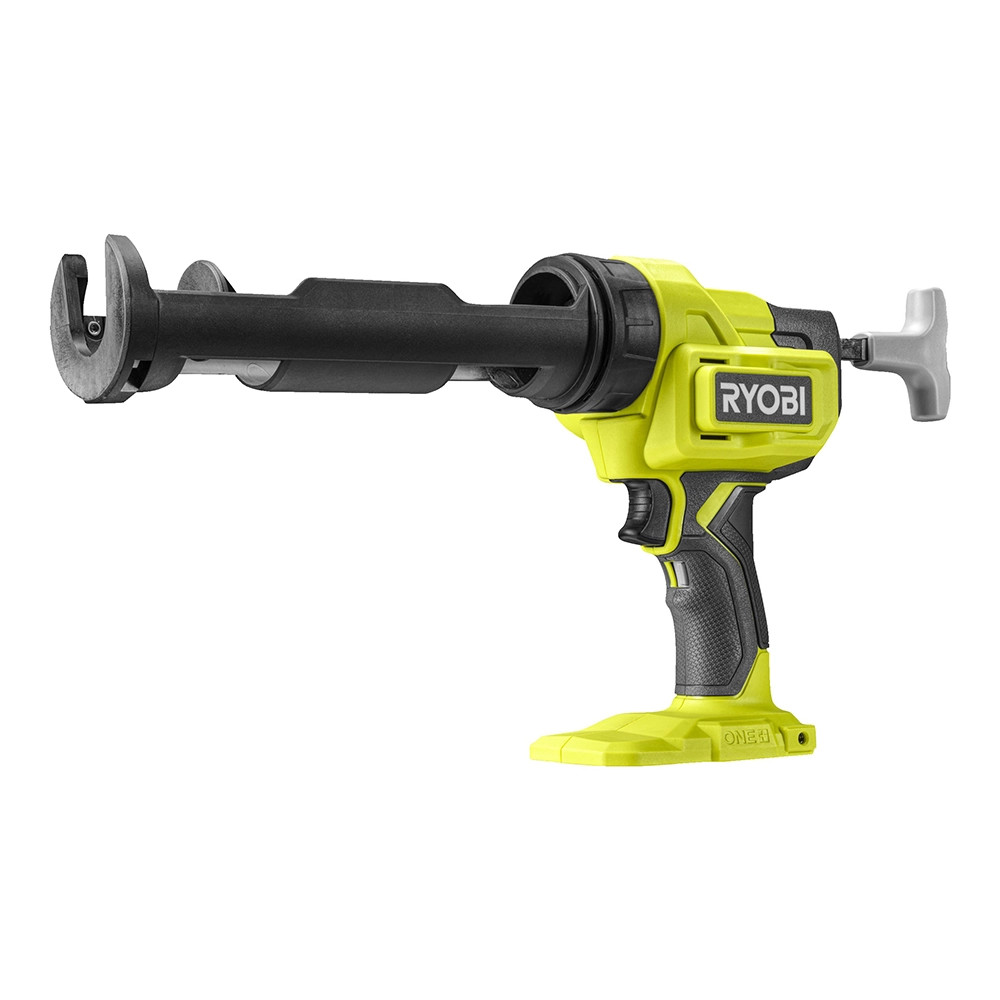
Snagging, trim fixing and light fastening Staplers and glue tools Fast reloads, compact size and proper control for neat finishing work indoors.
Cleaning vehicles, tiles and outdoor kit Scrubbers and cleaning tools Decent runtime, brush options and enough grip for wet, awkward clean-up jobs.
Polishing panels and finishing surfaces Polishers and buffers Manageable weight, steady speed and pads that suit the finish you are trying to achieve.
General odd jobs around house, shed or workshop Specialist cordless tools Shared 18V battery platform, easy storage and quicker setup than dragging out mains gear.

Common Buying and Usage Mistakes

  • Buying on novelty instead of need is the big one. If the tool does not solve a job you do regularly, it will sit in the garage while the battery gets used elsewhere.
  • Forgetting these are often sold body only catches plenty of people out. Check whether you already have a compatible battery and charger before the tool lands on site or at home.
  • Using the smallest battery for longer runtime jobs leads to flat packs and slow progress. For cleaning, inflating or polishing, step up your battery size so the tool actually lasts through the task.
  • Ignoring consumables is another easy mistake. Pads, staples, glue sticks and adaptors are what make the tool useful, so buy them with the kit instead of losing a day waiting for the missing part.
  • Trying to use these in place of proper heavy trade tools wastes time. They are brilliant for specialist and awkward jobs, but they are not there to replace dedicated high-load site kit.

Body Only vs Kit vs Specialist Tool

Body Only

Best if you are already on the Ryobi 18V platform and just need to add another tool. It is the cheaper route, but only if you genuinely have enough batteries and at least one charger ready to go.

Full Kit

The right choice if this is your first Ryobi 18V cordless tools purchase or you need extra batteries anyway. Costs more up front, but you are ready to work straight away and not chasing power.

General Tool

A standard drill or multi tool can cover plenty, but it is often a rough workaround for niche jobs. Fine if you only do the task once in a blue moon, not ideal if it is becoming regular work.

Specialist Tool

This is the better buy when a job needs cleaner results, quicker setup or less messing about. Inflators, polishers and scrubbers earn their keep because they do one awkward task properly and save time every time.

Maintenance and Care

Clean them after the dirty jobs

Dust, polish residue, glue strings and general muck soon build up on smaller cordless tools. Wipe them down after use so switches, vents and moving parts do not start sticking.

Look after the battery contacts

Keep battery terminals clean and dry, especially if the tool has been used outside or in a damp garage. Dirty contacts can cause poor connection and make you think the tool is faulty when it is not.

Store consumables with the tool

Keep pads, staples, glue sticks, hoses or adaptors together with the tool where possible. Half the battle with these tools is having every part to hand when a quick job comes in.

Check attachments for wear

If heads, pads or nozzles are worn out, the tool will feel underpowered or do a poor job. Replace the worn bit before blaming the machine.

Repair or replace sensibly

If the tool body is sound and it just needs a fresh accessory or battery, that is worth sorting. If the housing is cracked, switches are failing and it has had a hard life, replacement is usually the cleaner option.

Why Shop for Ryobi 18V ONE+ More Power Tools at ITS?

Whether you need a cordless inflator, stapler, polisher, scrubber or another specialist bit of Ryobi kit, we stock the full spread of Ryobi 18V ONE+ More Power Tools in one place. It is all held in our own warehouse, so when you order, it is in stock and ready for next day delivery.

Ryobi 18V ONE+ More Power Tools FAQs

What are Ryobi 18V ONE+ More Power Tools used for?

They cover the smaller specialist jobs that standard drills and saws do not handle well. Think inflating tyres, stapling materials, polishing panels, cleaning awkward surfaces, glueing trims and sorting quick repair work around the house, garage or light site work.

Are Ryobi 18V ONE+ More Power Tools compatible with Ryobi batteries?

Yes, these tools are built around the Ryobi ONE+ 18V platform, so they are designed to run on compatible Ryobi 18V batteries. Just check the listing carefully, because many are sold body only, which means you will need to supply the battery and charger yourself.

How do I choose the right ryobi 18v one+ more power tools?

Start with the job that wastes your time most often. If you keep needing to inflate, clean, polish or staple, buy the dedicated tool for that task first. Then check whether you already have the right battery setup, enough runtime and the consumables needed to use it properly.

Can Ryobi 18V ONE+ More Power Tools be used for DIY and garden jobs?

Yes, that is where a lot of them earn their keep. They are well suited to DIY, home improvement and general outdoor jobs, especially if you already use Ryobi cordless kit and want one battery system across house, shed and garden tasks.

Are these proper trade tools or more for home use?

They sit in a sensible middle ground. Plenty are ideal for serious DIY and regular maintenance work, and they are handy backup tools for trades as well. For nonstop heavy commercial use, you would still match the tool to the workload and not expect a niche cordless tool to replace dedicated site kit.

Do I need bigger batteries for these tools?

Not always. For quick jobs, a smaller battery keeps the tool lighter and easier to handle. For longer cleaning, polishing or inflating sessions, a larger capacity battery is the better call because it stops interruptions and gives steadier runtime.
Read more

Ryobi 18V ONE+ More Power Tools

Ryobi 18V ONE+ More Power Tools cover the odd jobs that still need proper cordless kit, from cutting and inflating to polishing, fixing and site clear-up.

This is the bit of the Ryobi 18V ONE+ range you end up using more than expected. Handy for snagging, home improvement, workshop jobs and light trade work, these are the tools that sort the awkward tasks your main kit does not. If you already run Ryobi, sticking with the same batteries saves cash and keeps the van or garage simple. Have a look through and pick the bits that actually earn their space.

What Are Ryobi 18V ONE+ More Power Tools Used For?

  • Sorting snagging and finishing jobs around the house, workshop or small site, where a cordless inflator, glue gun, stapler or compact cutter saves dragging out bigger kit.
  • Working on vehicles, trailers and bikes, where Ryobi ONE+ Cordless More Power Tools help with tyre inflation, cleaning, polishing and quick fixes without needing mains power nearby.
  • Tackling awkward repair jobs in lofts, sheds and outbuildings, where lighter Ryobi 18V cordless tools are easier to carry and quicker to grab for short bursts of work.
  • Handling DIY tools and home improvement tools jobs like trimming, bonding, cleaning and light fabrication, where one battery platform keeps everything moving without a drawer full of chargers.
  • Backing up trade tools on maintenance rounds, where these odd-job tools deal with the small but time-wasting tasks that slow a day down if you have not got the right bit of kit.

Choosing the Right Ryobi 18V ONE+ More Power Tools

Match the tool to the awkward job you keep putting off. That is usually the right way to buy from this part of the range.

1. Pick for the task you do often

If you are always topping up tyres, cleaning cars or doing small repairs, buy the inflator, scrubber or stapler first. If it is only for a one-off job, do not overbuy just because it shares a battery.

2. Think about runtime, not just voltage

These all run on the same 18V platform, but runtime changes massively depending on the tool. For longer cleaning or polishing jobs, go up in battery size. For quick snagging work, a compact pack keeps the tool lighter in hand.

3. Body only or full kit

If you already own Ryobi ONE+ tools, body only usually makes more sense. If this is your first step into the platform, a starter kit with battery and charger saves you getting the tool home and realising you still cannot use it.

4. Buy around the platform you already use

If you already own Drills and Drivers or Garden Power Tools, staying on the same Ryobi 18V battery tools system is the sensible move. Fewer chargers, fewer loose batteries, less faff.

Who Uses These Ryobi ONE+ Tools?

  • Maintenance teams keep these in the van for quick repairs, site fixes and snagging jobs, because they cover the small tasks that do not justify hauling out heavier gear.
  • Kitchen fitters, chippies and general builders use them for trimming, bonding, stapling and tidy-up work, especially when they are moving room to room and want cordless convenience.
  • DIY users and renovators swear by this part of the range for home improvement jobs, because one set of Ryobi 18V battery tools can cover everything from inflating to polishing to cutting.
  • Garage and vehicle owners reach for them when cleaning, pumping up tyres or carrying out light repairs, and many pair them with Batteries Chargers and Mounts so spare power is always ready.

The Basics: Understanding Ryobi 18V ONE+ More Power Tools

The main thing to know here is not the motor type or the badge. It is the shared battery platform and how these tools fill the gaps your main kit leaves behind.

1. One Battery System

These tools are part of the Ryobi ONE+ Cordless More Power Tools range, so they use the same 18V battery system as the rest of the platform. That means you can buy specialist tools without starting again on chargers and packs.

2. Built for the awkward jobs

This category covers the jobs that sit outside normal drilling and cutting. Think inflating tyres, stapling materials, polishing panels, glueing trims or cleaning up. They save time because you are using the right tool instead of forcing another one to do the job badly.

3. Better buying through the platform

Once you are already on the battery system, adding these tools is usually cheaper and easier than buying separate mains kit. It is a practical way to build out DIY tools, home improvement tools and light trade tools as you need them.

Useful Extras for Ryobi 18V ONE+ More Power Tools

A couple of sensible add-ons make these tools far more useful on the job and stop the usual hold-ups.

1. Spare Batteries

A spare pack stops you getting halfway through inflating, cleaning or polishing and having to wait about for a charge. If you use these tools regularly, one battery is rarely enough.

2. Charger

If you are adding body only tools to an existing setup, make sure your charging setup can keep up. A decent charger keeps batteries turning round properly instead of leaving kit dead when you need it.

3. Tool Specific Consumables

Staples, glue sticks, polishing pads, scrubber heads or inflation adaptors are the bits people forget. Without them, the tool is just taking up shelf space, so buy what the job actually needs at the same time.

Choose the Right Ryobi 18V ONE+ More Power Tools for the Job

Use this quick guide to narrow down the type of tool that makes sense for your work.

Your Job Category or Type Key Features
Tyres, inflatables and pressure checks Cordless inflators Clear pressure control, hose storage, quick setup and easy carry for van, car and garden use.
Snagging, trim fixing and light fastening Staplers and glue tools Fast reloads, compact size and proper control for neat finishing work indoors.
Cleaning vehicles, tiles and outdoor kit Scrubbers and cleaning tools Decent runtime, brush options and enough grip for wet, awkward clean-up jobs.
Polishing panels and finishing surfaces Polishers and buffers Manageable weight, steady speed and pads that suit the finish you are trying to achieve.
General odd jobs around house, shed or workshop Specialist cordless tools Shared 18V battery platform, easy storage and quicker setup than dragging out mains gear.

Common Buying and Usage Mistakes

  • Buying on novelty instead of need is the big one. If the tool does not solve a job you do regularly, it will sit in the garage while the battery gets used elsewhere.
  • Forgetting these are often sold body only catches plenty of people out. Check whether you already have a compatible battery and charger before the tool lands on site or at home.
  • Using the smallest battery for longer runtime jobs leads to flat packs and slow progress. For cleaning, inflating or polishing, step up your battery size so the tool actually lasts through the task.
  • Ignoring consumables is another easy mistake. Pads, staples, glue sticks and adaptors are what make the tool useful, so buy them with the kit instead of losing a day waiting for the missing part.
  • Trying to use these in place of proper heavy trade tools wastes time. They are brilliant for specialist and awkward jobs, but they are not there to replace dedicated high-load site kit.

Body Only vs Kit vs Specialist Tool

Body Only

Best if you are already on the Ryobi 18V platform and just need to add another tool. It is the cheaper route, but only if you genuinely have enough batteries and at least one charger ready to go.

Full Kit

The right choice if this is your first Ryobi 18V cordless tools purchase or you need extra batteries anyway. Costs more up front, but you are ready to work straight away and not chasing power.

General Tool

A standard drill or multi tool can cover plenty, but it is often a rough workaround for niche jobs. Fine if you only do the task once in a blue moon, not ideal if it is becoming regular work.

Specialist Tool

This is the better buy when a job needs cleaner results, quicker setup or less messing about. Inflators, polishers and scrubbers earn their keep because they do one awkward task properly and save time every time.

Maintenance and Care

Clean them after the dirty jobs

Dust, polish residue, glue strings and general muck soon build up on smaller cordless tools. Wipe them down after use so switches, vents and moving parts do not start sticking.

Look after the battery contacts

Keep battery terminals clean and dry, especially if the tool has been used outside or in a damp garage. Dirty contacts can cause poor connection and make you think the tool is faulty when it is not.

Store consumables with the tool

Keep pads, staples, glue sticks, hoses or adaptors together with the tool where possible. Half the battle with these tools is having every part to hand when a quick job comes in.

Check attachments for wear

If heads, pads or nozzles are worn out, the tool will feel underpowered or do a poor job. Replace the worn bit before blaming the machine.

Repair or replace sensibly

If the tool body is sound and it just needs a fresh accessory or battery, that is worth sorting. If the housing is cracked, switches are failing and it has had a hard life, replacement is usually the cleaner option.

Why Shop for Ryobi 18V ONE+ More Power Tools at ITS?

Whether you need a cordless inflator, stapler, polisher, scrubber or another specialist bit of Ryobi kit, we stock the full spread of Ryobi 18V ONE+ More Power Tools in one place. It is all held in our own warehouse, so when you order, it is in stock and ready for next day delivery.

Ryobi 18V ONE+ More Power Tools FAQs

What are Ryobi 18V ONE+ More Power Tools used for?

They cover the smaller specialist jobs that standard drills and saws do not handle well. Think inflating tyres, stapling materials, polishing panels, cleaning awkward surfaces, glueing trims and sorting quick repair work around the house, garage or light site work.

Are Ryobi 18V ONE+ More Power Tools compatible with Ryobi batteries?

Yes, these tools are built around the Ryobi ONE+ 18V platform, so they are designed to run on compatible Ryobi 18V batteries. Just check the listing carefully, because many are sold body only, which means you will need to supply the battery and charger yourself.

How do I choose the right ryobi 18v one+ more power tools?

Start with the job that wastes your time most often. If you keep needing to inflate, clean, polish or staple, buy the dedicated tool for that task first. Then check whether you already have the right battery setup, enough runtime and the consumables needed to use it properly.

Can Ryobi 18V ONE+ More Power Tools be used for DIY and garden jobs?

Yes, that is where a lot of them earn their keep. They are well suited to DIY, home improvement and general outdoor jobs, especially if you already use Ryobi cordless kit and want one battery system across house, shed and garden tasks.

Are these proper trade tools or more for home use?

They sit in a sensible middle ground. Plenty are ideal for serious DIY and regular maintenance work, and they are handy backup tools for trades as well. For nonstop heavy commercial use, you would still match the tool to the workload and not expect a niche cordless tool to replace dedicated site kit.

Do I need bigger batteries for these tools?

Not always. For quick jobs, a smaller battery keeps the tool lighter and easier to handle. For longer cleaning, polishing or inflating sessions, a larger capacity battery is the better call because it stops interruptions and gives steadier runtime.
ITS Click and Collect Icon
What3Words:
Get Directions
Store Opening Hours
Opening times