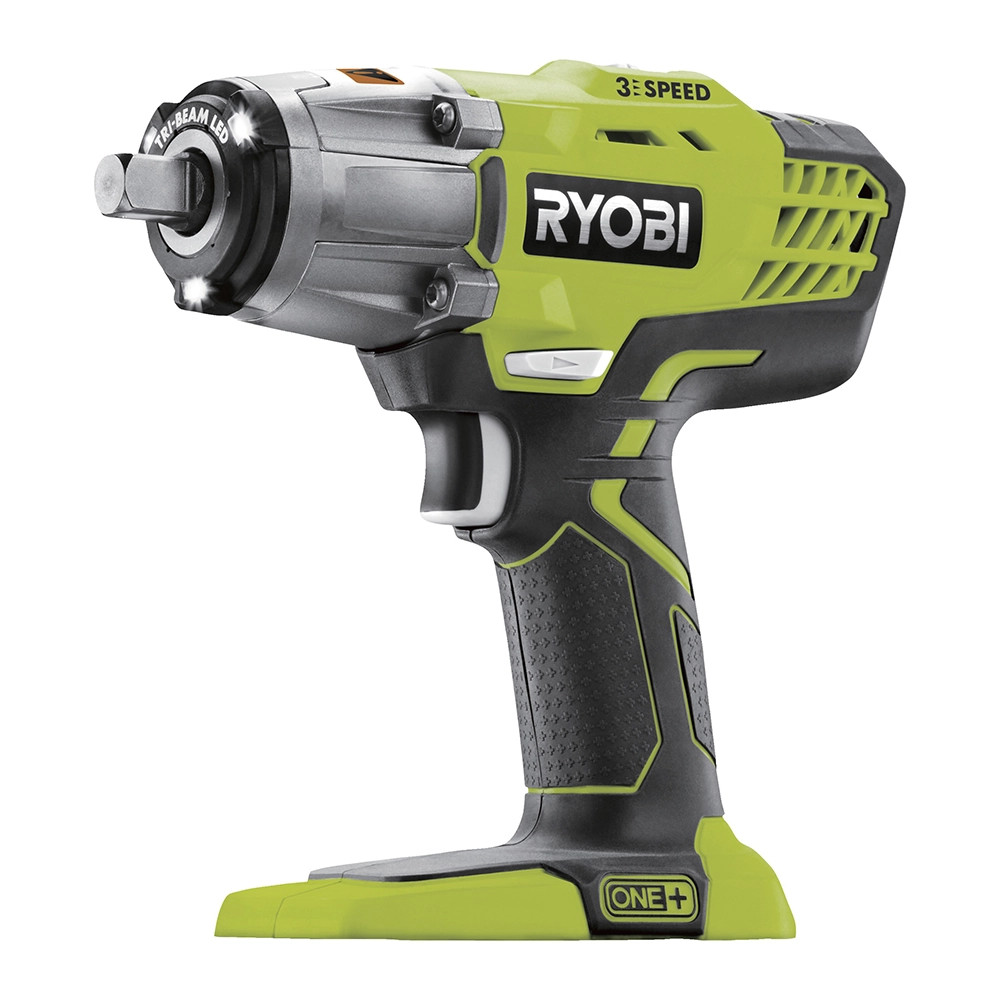
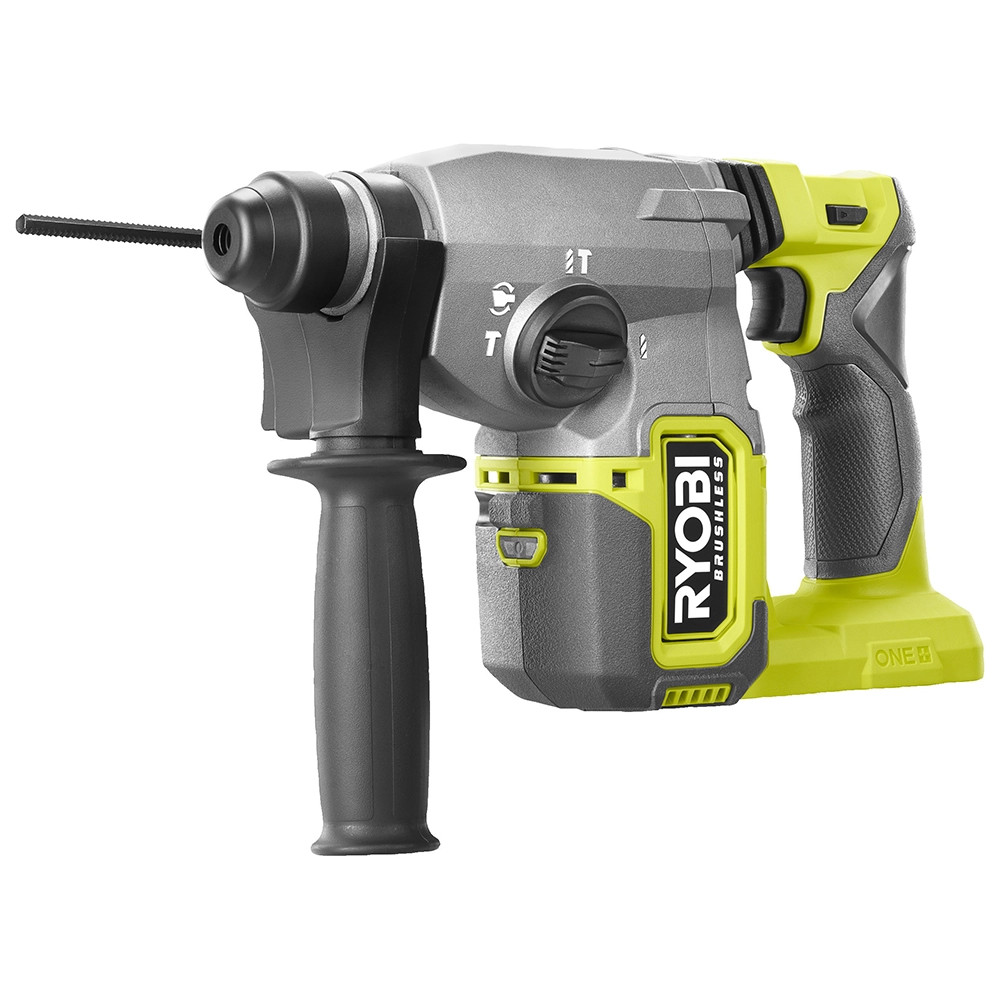
Ryobi 18V ONE+ Drills and Drivers
Ryobi 18V ONE+ Drills and Drivers cover the jobs most lads hit weekly, from pilot holes and fixings to masonry drilling and flat-pack, all on one battery system.
If you're kitting out for snagging, second fix, kitchen fits or general home improvement, these Ryobi 18V ONE+ Drills and Drivers make sense. The big win with Ryobi is keeping your everyday drilling and driving tools on the same platform as your other Ryobi 18V ONE+ kit. Pick the right torque, chuck type and hammer function for the work, and you will not waste money on a drill that is either undergunned or too bulky for the job.
What Are Ryobi 18V ONE+ Drills and Drivers Used For?
- Drilling timber stud, sheet materials and softwood for first fix, shelving, framing repairs and general fitting jobs around the house or workshop.
- Driving screws into carcassing, cabinets, fencing and plasterboard where a cordless drill driver saves constant trips for leads and extension reels.
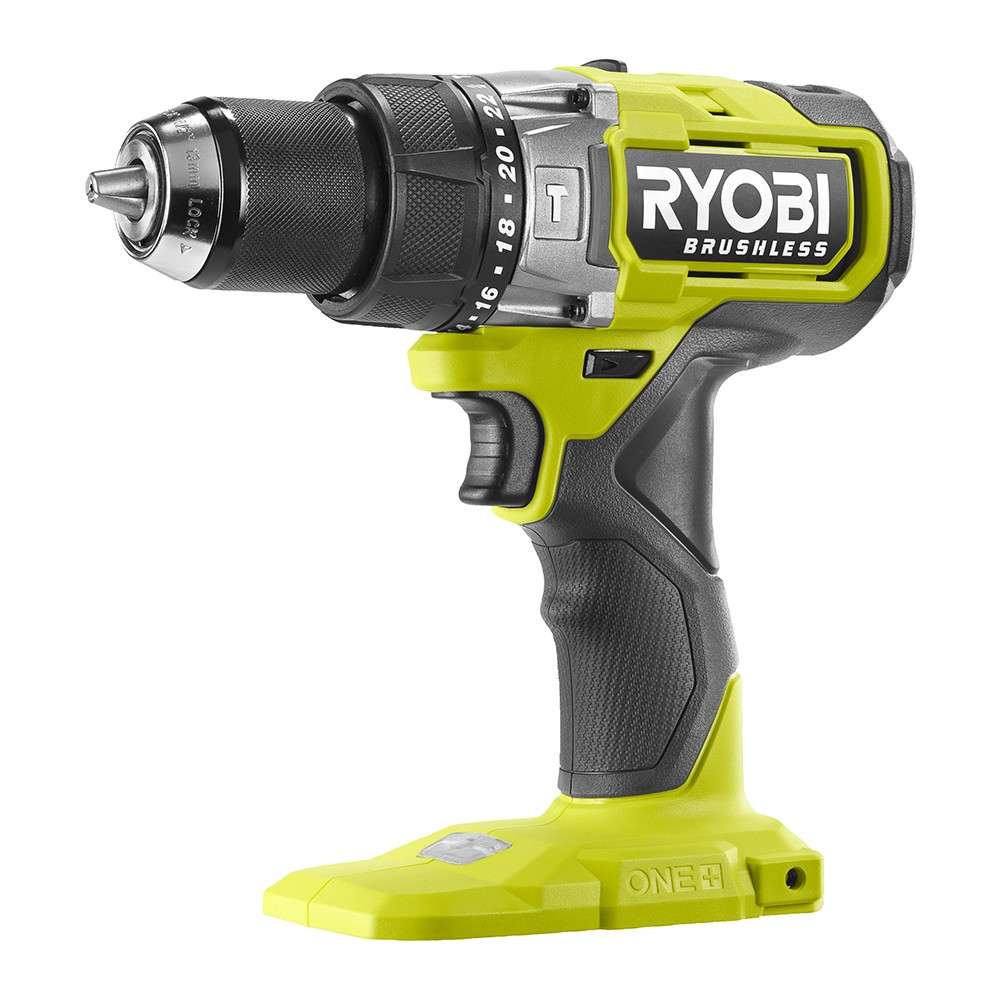
- Using Combi Drills for light masonry drilling into brick and block when you need to hang brackets, clips, battens or trunking.
- Working through snag lists, refits and punch work where compact Ryobi ONE+ Cordless Drills and Drivers are easier to carry room to room all day.
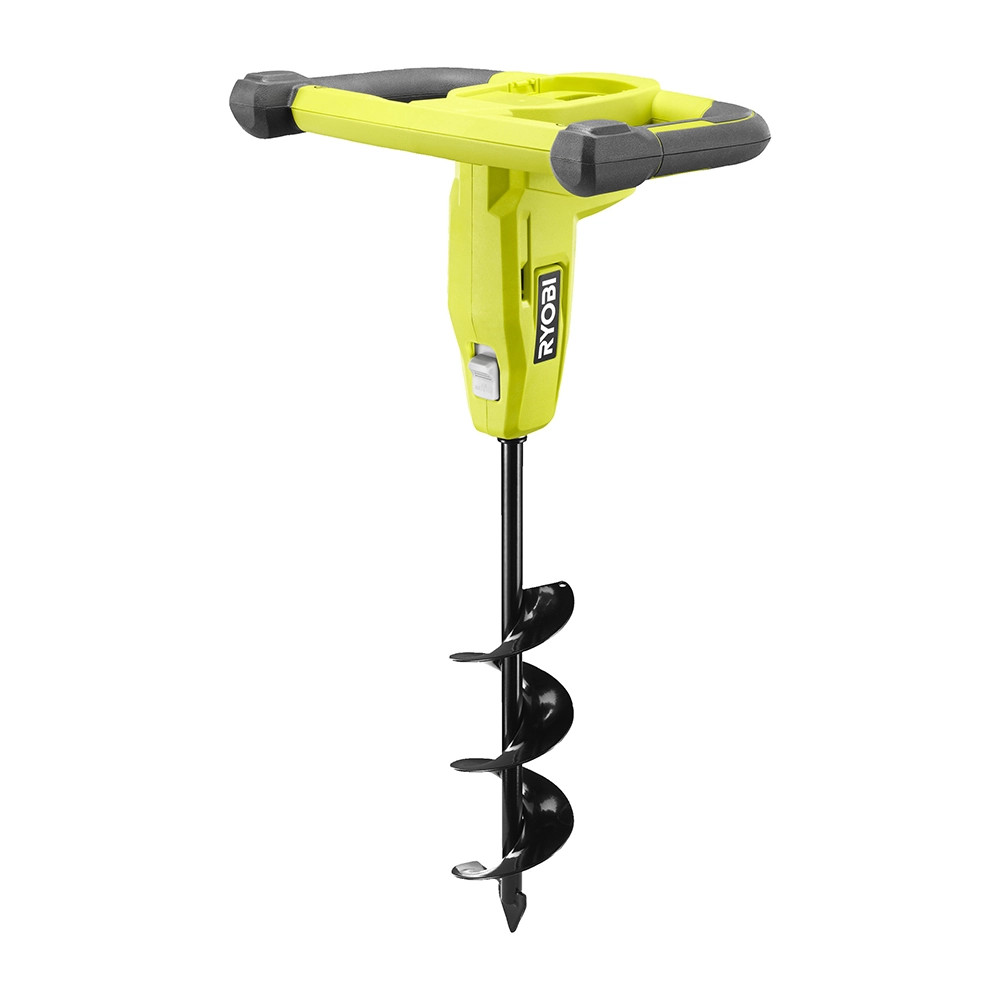
- Handling garage, van and garden outbuilding jobs where one of the wider Garden Power Tools batteries can often keep the same system moving.
Choosing the Right Ryobi 18V ONE+ Drills and Drivers
Sorting the right one is simple: match it to the fixing and material, not just the price.
1. Drill Driver or Combi
If most of your work is timber, sheet material, flat pack or general screwdriving, a standard drill driver is usually the handier buy. If you need to drill the odd brick or block wall for plugs and brackets, go straight for a combi and save carrying two tools.
2. Compact or Higher Torque
If you are working overhead, inside cupboards or moving room to room all day, keep it compact. If you are regularly driving longer fixings into timber or drilling larger holes, buy the higher torque model or you will feel it bog down when the job gets tougher.
3. Bare Unit or Full Kit
If you already run Ryobi 18V cordless tools, a body only tool is the sensible spend. If this is your first step into the range, buy a kit with battery and charger so you are not stuck waiting to use it.
4. Battery Size Matters
Small batteries keep the drill lighter for quick fixings and snagging. For longer drilling sessions or repeated masonry work, step up your packs from Batteries Chargers and Mounts so you are not swapping out every five minutes.
Who Uses These Kits?
- Kitchen fitters and chippies use these for pilot drilling, hinge fixing and driving long screws without dragging a cord through a finished house.
- Sparkies and plumbers keep a compact one in the van for clips, brackets, back boxes and general fixings where a lighter tool is easier in tight spots.
- Maintenance teams and landlords swear by Ryobi ONE+ Drills and Drivers for snagging, repairs and quick room to room jobs across multiple properties.
- DIY users and serious home improvers reach for them because the same Ryobi 18V battery tools can cover shelves indoors, fencing outside and plenty of weekend jobs after.
The Basics: Understanding Ryobi 18V ONE+ Drills and Drivers
These are straightforward tools, but knowing the difference between the main types saves buying the wrong one and fighting the job later.
1. Drill Drivers
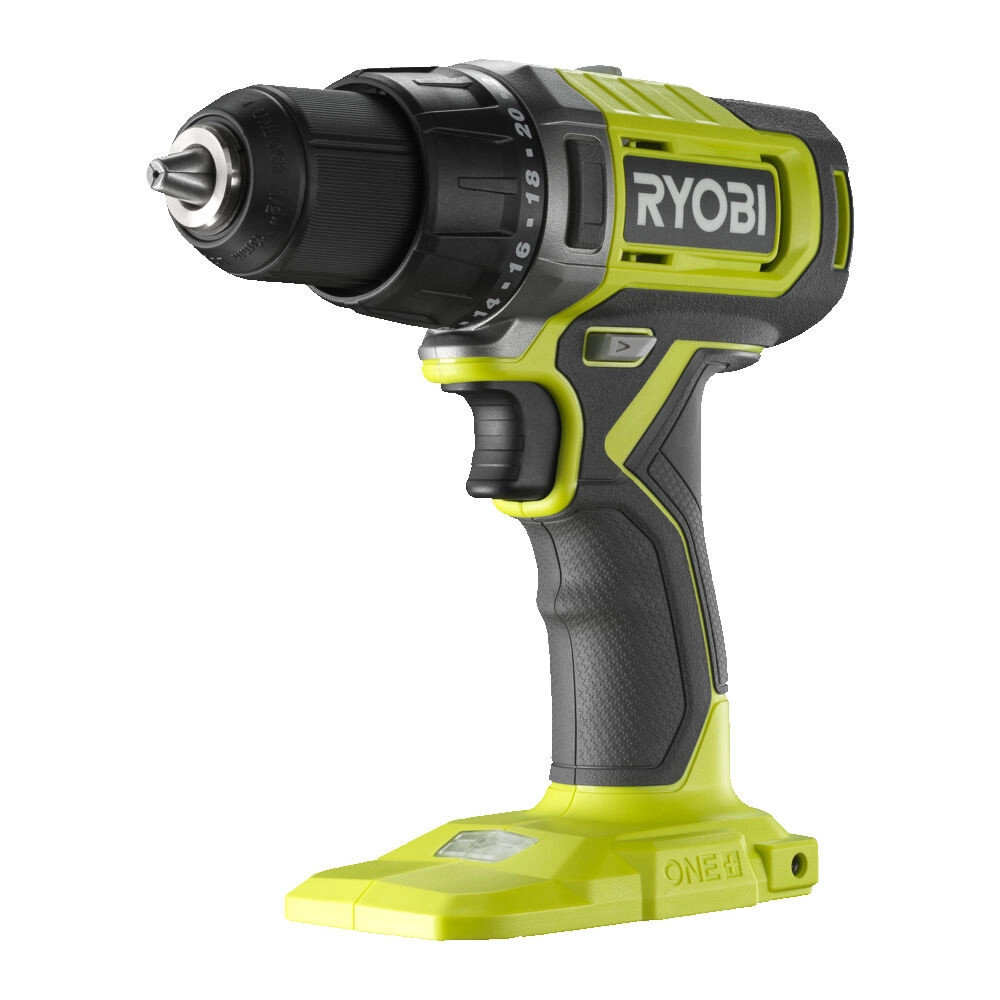
This is the everyday option for drilling holes in wood, plastic and metal, then driving screws cleanly with clutch control. It is the one most people use for furniture builds, battens, cabinets and general fixings.
2. Combi Drills
A combi adds a hammer action for drilling into brick and block. It is the better pick when your jobs jump between timber and light masonry and you need one tool that can cover both without swapping kit.
3. ONE+ Battery Platform
The key point with Ryobi 18V battery tools is battery cross-compatibility across the range. That means the same pack used in your drill can also run other ONE+ tools, which keeps costs down and the van less cluttered.
Accessories That Keep Ryobi Drills and Drivers Working
A few sensible add-ons save dead time, rounded screws and repeat trips back to the van.
1. Spare Batteries
A spare pack is the obvious one. You do not want the drill dying halfway through board fixing, hanging units or drilling plugs on the far side of site.
2. Charger
Having a proper charger on hand keeps the system moving, especially if you are running more than one Ryobi tool across the day and cycling batteries regularly.
3. Drill and Driver Bit Sets
A decent mixed set stops you wrecking cheap bits and fighting stripped screw heads. Keep masonry, HSS and driver bits together so the tool can actually cover the work it is bought for.
4. Carry Case or Storage
If the drill lives loose in the van, it gets knocked about with the rest of the gear. Proper storage keeps batteries, charger and bits together and cuts down on lost kit.
Choose the Right Ryobi 18V ONE+ Drills and Drivers for the Job
Use this quick guide to sort the type you actually need.
| Your Job | Category or Type | Key Features |
|---|---|---|
| Flat pack, cabinets, hinges and general screwdriving | Compact drill driver | Light weight, clutch control, easier in cupboards and overhead |
| Mixed drilling in wood and the odd metal bracket or sheet | Standard drill driver | Good all-round chuck capacity, balanced power, everyday use |
| Fixing into brick and block for plugs, clips and brackets | Combi drill | Hammer mode, stronger torque, better for light masonry work |
| Long screws, larger timber holes and heavier repeated use | Higher torque combi or drill driver | More pulling power, better runtime with larger batteries |
| Starting your first Ryobi setup | Full kit | Battery and charger included, ready to use straight away |
Common Buying and Usage Mistakes
- Buying a standard drill driver when the job regularly involves brick or block means slower progress and more strain on the tool. If masonry holes are part of the weekly list, get a combi drill.
- Choosing purely on the cheapest kit price often lands you with a small battery and limited runtime. Fine for odd jobs, not so good when you are fitting out rooms back to back.
- Using worn or poor quality bits makes a decent drill feel useless. Most slipping, chewing and stripped screws come down to bad accessories rather than the tool itself.
- Ignoring size and weight is a mistake if you work overhead or in tight cupboards. A bigger drill is not always better when the job is all access and control.
- Running one battery with no backup wastes time once the pack drops flat. Keep a second battery charged if the drill is doing real work rather than occasional DIY use.
Drill Driver vs Combi Drill vs Impact Driver
Drill Driver
Best for everyday drilling and screwdriving in wood, metal and plastic. It is usually lighter and easier to control than a combi, but it is not the right pick if you often need holes in brick.
Combi Drill
The all-rounder when your jobs switch between fixings in timber and occasional masonry drilling. A bit heavier than a standard drill driver, but more useful if site work includes walls as well as wood.
Impact Driver
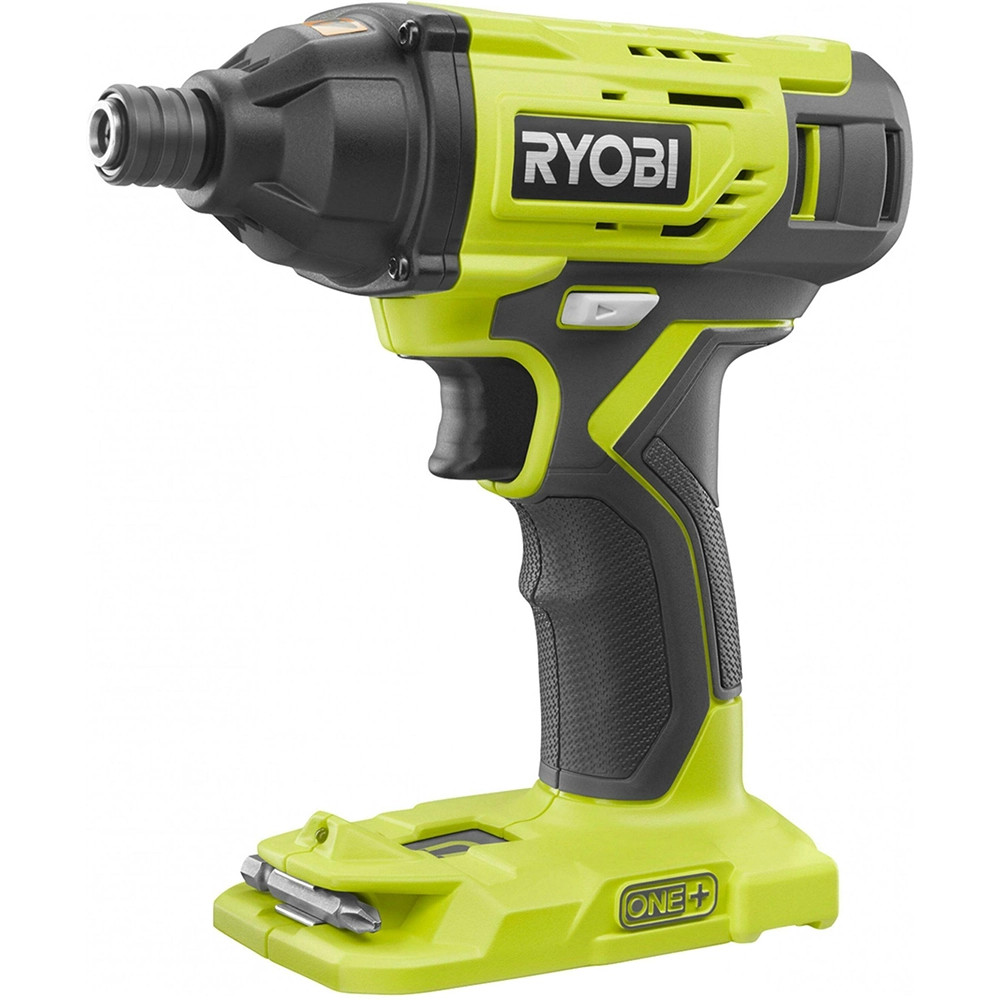
Built for driving fixings fast and hard, especially longer screws and stubborn fasteners. It is not your main tool for standard drilled holes, so pair it with a drill rather than expecting it to do both jobs.
Maintenance and Care
Keep the Chuck Clean
Dust and grit around the chuck soon make bit changes rough and can affect grip. Brush it out after messy drilling, especially after masonry work.
Wipe Down After Use
Do not leave plaster dust, brick dust or damp on the casing all week in the van. A quick wipe keeps vents clearer and helps the tool last longer.
Look After the Batteries
Store batteries dry and out of extreme heat or freezing cold. If packs are always run flat and left there, runtime will suffer sooner than it should.
Replace Worn Bits Early
Blunt drill bits and rounded driver bits put more load on the motor and make neat work harder. Swap them before they start ruining fixings and slowing you down.
Store It Properly
If the drill is rattling about loose with heavy gear, it will show. Keep it in a case or dedicated storage with the charger and spare battery so it is ready for the next job.
Why Shop for Ryobi 18V ONE+ Drills and Drivers at ITS?
Whether you need a compact drill driver for snagging or a combi for mixed drilling and fixing, we stock the full Ryobi ONE+ drills and drivers range in one place. Kits, bare units, batteries and the rest of the platform are all held in our own warehouse, in stock and ready for next day delivery.
Ryobi 18V ONE+ Drills and Drivers FAQs
What are Ryobi 18V ONE+ Drills and Drivers used for?
They are used for the bread and butter jobs. Think drilling wood, plastic and metal, driving screws into timber and sheet material, and with combi models, making light work of holes in brick and block for plugs and fixings. They suit everything from kitchen fitting and shelving to repairs, fencing and general home improvement.
Are Ryobi 18V ONE+ Drills and Drivers compatible with Ryobi batteries?
Yes. That is the point of the ONE+ platform. Ryobi 18V ONE+ Drills and Drivers are built to run on Ryobi ONE+ 18V batteries, so if you already own compatible packs, a bare unit can be the smarter buy. Just make sure you are buying within the same 18V ONE+ system.
How do I choose the right ryobi 18v one+ drills and drivers?
Start with the material. If it is mainly wood, metal and screwdriving, a standard drill driver is enough. If brick and block are part of the job, go for a combi. Then look at size and battery setup. Compact tools suit lighter fitting work, while higher torque models and bigger batteries are the better call for tougher, repeated jobs.
Can Ryobi 18V ONE+ Drills and Drivers be used for DIY and garden jobs?
Yes, that is where they fit well. They are handy for sheds, gates, raised beds, fencing repairs, decking fixings and all the usual jobs indoors. If you already use Ryobi in the garden, staying on the same battery platform makes life easier and keeps the kit count down.
Are these good enough for regular trade use, or more for weekend jobs?
They are well suited to regular maintenance, fitting, snagging and mobile work where convenience and battery sharing matter. If you are hammering a drill all day every day on the toughest site work, you may want a more specialist setup, but for a lot of day to day fixing and drilling they hold their own well.
Should I buy a bare unit or a full kit?
If you already own Ryobi 18V cordless tools and have batteries ready, buy the body only tool and save the money. If you are starting from scratch, a full kit is the honest answer because you need the charger and at least one battery to get going properly.