Roughneck
Roughneck tools are built for hard graft, from demolition and groundworks to everyday site jobs where lighter gear bends, slips, or gives up too early.
If you're stripping out, breaking ground, shifting timber or persuading stubborn materials apart, this is the sort of kit worth having in the van. Roughneck hand tools are made for trades who need heavy-duty site tools that can take knocks, keep their edge and feel right in hand. From Roughneck hammers and crowbars to Roughneck sledgehammers and landscaping tools, pick the tool to match the abuse and get stuck in.
What Are Roughneck Tools Used For?
- Breaking out old studwork, floorboards and sheet materials during strip-out jobs is exactly where Roughneck demolition tools earn their keep, especially when you need solid striking force and prying power without babying the kit.
- Driving stakes, knocking posts into line and shifting compacted ground on fencing and landscaping work suits Roughneck landscaping tools, where a proper handle and decent head weight make the graft easier.
- Pulling apart pallets, lifting boards, opening up voids and freeing nailed timbers on first fix or refurb jobs is quicker with Roughneck crowbars and wrecking bars that can take real leverage.
- Striking chisels, bolsters and masonry tools on heavy renovation work is where Roughneck hammers and sledgehammers come into their own, giving you the force needed for brick, block and concrete tasks.
- Keeping dependable hand kit in the van for day to day site abuse is a big reason trades buy Roughneck hand tools, because they are built for jobs where durable construction tools matter more than pretty finishes.
Who Uses These on Site?
- Groundworkers use Roughneck tools for breaking compacted ground, driving stakes and handling general outdoor graft where lighter tools soon start to show weakness.
- Demolition crews and builders reach for Roughneck demolition tools when stripping interiors, pulling fixings and opening up old work, because the bars and hammers are made to take repeated abuse.
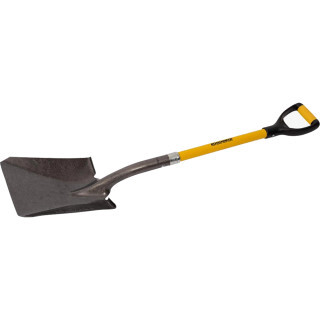
- Landscapers swear by Roughneck landscaping tools for edging, digging, post work and shifting stubborn materials, especially on long days where balance and grip matter as much as brute force.
- Brickies, chippies and general trades keep Roughneck hand tools on the van for the awkward jobs power tools do not solve, like persuading shuttering loose, lifting boards and knocking heavy materials into place.
- Maintenance teams and site labourers rely on this sort of professional site equipment for constant grab-and-go use, because it is the kit that gets lent out, knocked about and still needs to work the next morning.
Choosing the Right Roughneck Tools
Sort the tool by the punishment it needs to take. If the job is rough, buy for leverage, strike force and handle comfort first.
1. Demolition or General Site Use
If you are stripping out walls, floors or nailed timber, go straight for Roughneck demolition tools like crowbars, wrecking bars and heavier hammers. If it is just odd lifting, tapping and pulling jobs, a lighter general hand tool will save your arm over a full shift.
2. Head Weight Matters
If you need force for breaking, driving or serious persuasion, choose a heavier Roughneck hammer or Roughneck sledgehammer. If you are doing more controlled striking or all-day use, do not overdo the weight or you will just wear yourself out.
3. Bar Length and Leverage
A longer crowbar gives you more leverage for pulling boards, lifting materials and opening packed joints, but it can be awkward in tight rooms. For refurbs and confined areas, a shorter bar is easier to control and less likely to damage surrounding work.
4. Outdoor and Groundwork Jobs
If the tool is for fencing, edging, post work or shifting soil and aggregate, look at Roughneck landscaping tools built for repeated outdoor use. They want to be sturdy, comfortable in wet hands and able to cope with mud, grit and being left on the ground all day.
Accessories and Add-Ons That Make Roughneck Tools More Useful
A few simple extras can save time, protect the tool and make hard site jobs less of a slog.
1. Tool Lanyards
If you are working at height or up scaffolding, a lanyard stops a hammer or bar becoming a serious problem below. It is a small add-on that saves dropped tools, delays and a proper telling-off on site.
2. Replacement Handles or Grips
When a handle starts to loosen or the grip is shot, sort it early rather than waiting for the tool to become a liability. Fresh grips or replacement handles can keep a trusted bit of kit going without replacing the whole thing.
3. Tool Holsters and Belt Loops
For hammers and smaller Roughneck hand tools, a decent holster keeps them to hand instead of left across the room or buried in rubble. You move quicker and you are less likely to chip or lose the tool.
4. Rust Protection and Storage Oil
For durable construction tools that live in damp vans, muddy yards and open site boxes, a wipe-down with protective oil helps stop corrosion taking hold. Worth doing, especially on striking faces, bars and exposed steel.
Choose the Right Roughneck Tools for the Job
Use this quick guide to match the tool type to the work in front of you.
| Your Job | Category or Type | Key Features |
|---|---|---|
| Stripping out timber, boards and nailed materials | Roughneck crowbars and wrecking bars | Strong steel build, good leverage, claws and prying ends that cope with repeated pulling |
| Breaking masonry or striking bolsters and chisels | Roughneck hammers | Balanced head weight, solid striking face, grip that stays usable over longer demolition work |
| Heavy breaking, post driving and serious impact work | Roughneck sledgehammers | More mass for harder hits, longer handles for swing control, built for tough repetitive striking |
| Fencing, edging, digging and groundwork tasks | Roughneck landscaping tools | Outdoor-ready construction, comfortable handles, shapes suited to soil, posts and aggregate |
| General van stock for varied site abuse | Roughneck hand tools | Dependable build, simple no-nonsense design, suited to day to day professional site equipment needs |
Common Buying and Usage Mistakes
- Buying a heavier hammer than the job really needs soon catches up with you. You get less control, more arm strain and a slower day, so match the head weight to how long and how accurately you need to work.
- Using a short bar for jobs that need proper leverage wastes time and usually chews up the material. If you are lifting boards or pulling stubborn fixings, step up to a longer crowbar and let the tool do the work.
- Leaving steel tools wet, muddy or buried in the van is asking for rust and damaged grips. Wipe them down after site use and store them dry if you want them ready for the next job.
- Using demolition tools as makeshift striking tools where they were not meant for it can damage edges and make the job less safe. Use the right Roughneck tool for prying, striking or digging rather than forcing one tool to do all three.
- Ignoring handle comfort sounds minor until you are on your third hour of breaking out. If the job is repetitive, choose tools with decent grip and shock reduction so your hands are not wrecked by lunchtime.
Hammers vs Crowbars vs Sledgehammers
Roughneck Hammers
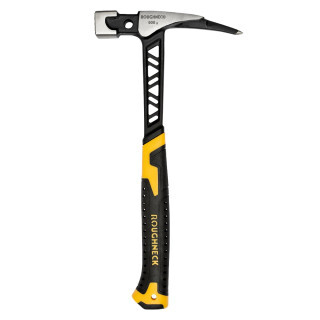
These are your go-to for controlled striking, general demolition and daily site use. Better than a sledge when you need accuracy, but they will not give you the same brute force on heavier break-out work.
Roughneck Crowbars
Best when the job is pulling, lifting, prying or opening materials up without firing up power tools. They save loads of time on strip-out, but they are not a substitute for a proper striking tool when force needs to go straight through the material.
Roughneck Sledgehammers
This is the one for heavy impact work, driving and breaking where a standard hammer will just bounce. Ideal for demolition and groundwork, but overkill for tighter, more precise jobs and hard going if you are using one all day in confined spaces.
Maintenance and Care
Clean Off Mud and Dust
After demolition or groundwork, brush off dust, grit and wet mud before the tool goes back in the van. It stops corrosion building up and saves handles getting slippery or chewed up.
Check Striking Faces and Edges
Look over hammer faces, bar ends and digging edges for mushrooming, chips or cracks. If a striking face is damaged, sort it before the next job because flying fragments are not worth the risk.
Keep Handles Sound
If a handle loosens, splits or the grip starts moving, deal with it straight away. A solid head is useless if the handle feels sketchy halfway through a swing.
Store Them Dry
Do not leave heavy-duty site tools sitting wet in the back of the pickup or site box for weeks. Dry storage and the odd wipe with protective oil will keep steel parts in much better nick.
Replace When the Tool Is Past It
A worn grip is one thing, but cracked heads, badly bent bars or damaged striking faces mean it is time to retire the tool. Durable construction tools last well, but not forever if they are used hard.
Why Shop for Roughneck Tools at ITS?
Whether you need Roughneck hammers, crowbars, sledgehammers or landscaping tools, we stock the full range of Roughneck hand tools for real site work. It is all in our own warehouse, in stock and ready for next day delivery, so you can get the right heavy-duty site tools on the job without hanging about.
Roughneck Tools FAQs
Are Roughneck tools suitable for professional use?
Yes. Roughneck tools are built for proper trade use, not just occasional DIY jobs. They are a solid choice for builders, landscapers, demolition crews and site teams who need durable construction tools that can take repeated knocks, prying and striking.
Can Roughneck hammers handle heavy-duty demolition?
Yes, the right Roughneck hammers are well suited to heavy-duty demolition and strip-out work. For heavier breaking or driving jobs, step up to Roughneck sledgehammers so you get the mass and handle length needed instead of fighting the tool.
How do I choose the right Roughneck tool for the job?
Start with the job type. For prying and lifting, go for crowbars or wrecking bars. For striking, choose a hammer with the right head weight. For groundwork and outdoor graft, look at Roughneck landscaping tools. The main thing is not to buy by size alone. Buy by task, force needed and how long you will be using it.
What jobs are Roughneck tools best suited for?
They are best suited to demolition, strip-out, groundwork, fencing, landscaping, construction and general heavy site use. If the job involves breaking, levering, digging, striking or shifting stubborn materials, Roughneck tools are right in their element.
Are Roughneck tools good for landscaping and construction work?
Yes. Roughneck landscaping tools are well suited to fencing, edging, digging and post work, while the wider Roughneck hand tools range fits general construction, refurb and site prep jobs. They are built for outdoor use and the sort of treatment site kit usually gets.
Do Roughneck tools have shock-absorbing handles?
Some do, depending on the tool type and design. On striking tools especially, shock-reducing handles and grips help cut down vibration and make longer demolition jobs easier on your hands. It is always worth checking the handle construction if comfort matters on repetitive work.
What accessories are available for Roughneck tools?
Useful add-ons include tool lanyards for height work, holsters for carrying hammers, replacement handles or grips where available, and protective oils for storage and rust prevention. The right accessories will not change what the tool does, but they do make ownership easier and safer on site.
How do I maintain Roughneck tools for long-term use?
Keep them clean, dry and checked over. Remove mud and dust after use, inspect striking faces and bars for damage, and store steel tools somewhere dry rather than leaving them wet in the van. If a handle loosens or a striking face is damaged, sort it before the next shift.