


Torches & Lighting

Lighting tools keep you working safely when the mains is miles off or the job runs late, from torches to body lights you can wear and trust.

When you're in a loft pulling cable, under a sink on a call-out, or walking a half-lit site at first light, decent lighting tools stop mistakes and save time. Pick the right output and beam for the space, and grab body lights when you need both hands free. Get kitted up and crack on.

What Are Lighting Tools Used For?

  • Working in dark lofts, risers, and service voids where you need a clean beam to spot fixings, cables, and pipe runs without guessing.
  • Doing snagging and second-fix in finished rooms where a controlled light shows gaps, rough filling, and missed screws that overhead lighting hides.
  • Lighting up plant rooms, basements, and under-stair cupboards where damp and tight access mean you want reliable kit that is easy to carry and position.
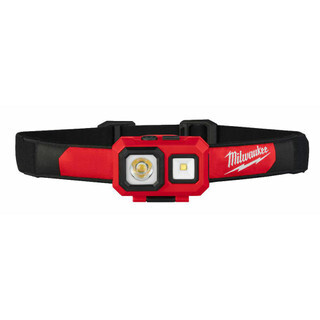
  • Using body lights for hands-free jobs like first-fix cable runs, boarding, or valve changes, so the light follows your line of sight instead of rolling off a joist.
  • Keeping a torch in the van for breakdowns and early starts, so you can check load areas, read labels, and find dropped fixings without holding your phone.

Choosing the Right Lighting Tools

Sort the right light by matching the beam and runtime to the space you're working in, not what looks brightest on the box.

1. Torch beam vs wide flood

If you're checking distances, reading labels, or looking down a run, go for a tighter beam that reaches. If you're working in a cupboard, loft, or underfloor void, a wide flood is more useful because it lights the whole task area without constant repositioning.

2. Body lights for hands-free graft

If you're climbing ladders, pulling cable, or working with both hands on fittings, body lights are the sensible choice because the light stays where you're looking. If it's just quick checks or finding kit in the van, a handheld torch is usually quicker to grab.

3. Power and runtime

If you only need it for short inspections, compact battery or rechargeable lights are fine. If you're relying on it for a full shift, prioritise longer runtime and an easy way to charge or swap power, because a dead light halfway through a task is worse than having none.

Who Are These Lighting Tools For on Site?

  • Sparkies and data installers working in lofts and ceiling voids, because body lights and torches make cable ID and terminations far less painful.
  • Plumbers and heating engineers on call-outs, for lighting up cupboards, under-bath traps, and plant rooms where you need both hands on tools.
  • Joiners, dryliners, and fit-out teams doing early mornings or late finishes, because proper lighting tools stop wonky set-outs and missed fixings.
  • Maintenance and facilities teams walking buildings and sites, for quick inspections, meter reads, and safe access in poorly lit areas.

How Lighting Tools Work for You

Most site lighting problems come down to beam shape, where the light sits, and how long it lasts. Get those three right and you stop fighting shadows all day.

1. Beam shape controls what you can actually see

A focused beam helps when you need to pick out details at distance, like fixings, labels, or a route through a void. A flood beam fills the area for close-up work like wiring, pipework, and snagging, so you are not constantly moving the light to chase dark corners.

2. Light position matters as much as brightness

Handheld lights are quick for checks, but they steal a hand and throw shadows when you're working tight. Body lights keep the beam aligned with your eyes, which is why they're the go-to for two-handed tasks like first-fix and fault finding.

Shop Lighting Tools at ITS.co.uk

Whether you need compact torches for the tool bag or body lights for hands-free work, we stock a proper range of lighting tools for site, maintenance, and fit-out. It's all held in our own warehouse and ready to go for next day delivery, so you can get sorted before the next shift.

Lighting Tools FAQs

Where is the torch on my phone?

On most phones it's the flashlight icon in the quick settings panel, or it's tied to the camera flash. It works in a pinch, but on site it's a poor substitute because it kills your battery and you end up holding your phone where you should be holding tools.

What is a torch light used for?

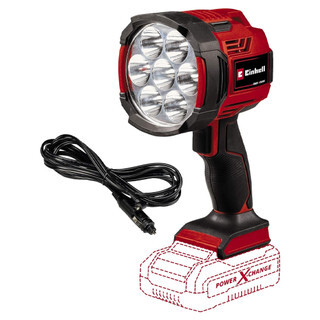
A torch light is for giving you controlled light exactly where you need it, like checking fixings, reading labels, finding dropped screws, or inspecting a void. It's the simple bit of kit that stops you guessing when the lighting is poor or the job runs late.

Are body lights worth it, or is a handheld torch enough?

If you're doing two-handed work, body lights are worth it because the beam stays on the task while you're cutting, fixing, or terminating. A handheld torch is fine for quick checks, but it becomes a nuisance the minute you need both hands or you're up a ladder.

How bright do lighting tools need to be for site work?

Bright helps, but usable light is about the right beam and steady output, not just a big number. For close-up tasks you want an even flood that does not glare back off white walls, and for checks down a run you want a tighter beam that reaches without washing everything out.

Will a torch survive getting knocked about in a tool bag?

Most trade-focused lights will take normal drops and daily abuse, but they are not indestructible. If you know it's living in a packed bag or bouncing around a van, look for a solid body and a protected lens, and do not rely on flimsy pocket clips as the only way to carry it.
Read more

Torches & Lighting

Lighting tools keep you working safely when the mains is miles off or the job runs late, from torches to body lights you can wear and trust.

When you're in a loft pulling cable, under a sink on a call-out, or walking a half-lit site at first light, decent lighting tools stop mistakes and save time. Pick the right output and beam for the space, and grab body lights when you need both hands free. Get kitted up and crack on.

What Are Lighting Tools Used For?

  • Working in dark lofts, risers, and service voids where you need a clean beam to spot fixings, cables, and pipe runs without guessing.
  • Doing snagging and second-fix in finished rooms where a controlled light shows gaps, rough filling, and missed screws that overhead lighting hides.
  • Lighting up plant rooms, basements, and under-stair cupboards where damp and tight access mean you want reliable kit that is easy to carry and position.
  • Using body lights for hands-free jobs like first-fix cable runs, boarding, or valve changes, so the light follows your line of sight instead of rolling off a joist.
  • Keeping a torch in the van for breakdowns and early starts, so you can check load areas, read labels, and find dropped fixings without holding your phone.

Choosing the Right Lighting Tools

Sort the right light by matching the beam and runtime to the space you're working in, not what looks brightest on the box.

1. Torch beam vs wide flood

If you're checking distances, reading labels, or looking down a run, go for a tighter beam that reaches. If you're working in a cupboard, loft, or underfloor void, a wide flood is more useful because it lights the whole task area without constant repositioning.

2. Body lights for hands-free graft

If you're climbing ladders, pulling cable, or working with both hands on fittings, body lights are the sensible choice because the light stays where you're looking. If it's just quick checks or finding kit in the van, a handheld torch is usually quicker to grab.

3. Power and runtime

If you only need it for short inspections, compact battery or rechargeable lights are fine. If you're relying on it for a full shift, prioritise longer runtime and an easy way to charge or swap power, because a dead light halfway through a task is worse than having none.

Who Are These Lighting Tools For on Site?

  • Sparkies and data installers working in lofts and ceiling voids, because body lights and torches make cable ID and terminations far less painful.
  • Plumbers and heating engineers on call-outs, for lighting up cupboards, under-bath traps, and plant rooms where you need both hands on tools.
  • Joiners, dryliners, and fit-out teams doing early mornings or late finishes, because proper lighting tools stop wonky set-outs and missed fixings.
  • Maintenance and facilities teams walking buildings and sites, for quick inspections, meter reads, and safe access in poorly lit areas.

How Lighting Tools Work for You

Most site lighting problems come down to beam shape, where the light sits, and how long it lasts. Get those three right and you stop fighting shadows all day.

1. Beam shape controls what you can actually see

A focused beam helps when you need to pick out details at distance, like fixings, labels, or a route through a void. A flood beam fills the area for close-up work like wiring, pipework, and snagging, so you are not constantly moving the light to chase dark corners.

2. Light position matters as much as brightness

Handheld lights are quick for checks, but they steal a hand and throw shadows when you're working tight. Body lights keep the beam aligned with your eyes, which is why they're the go-to for two-handed tasks like first-fix and fault finding.

Shop Lighting Tools at ITS.co.uk

Whether you need compact torches for the tool bag or body lights for hands-free work, we stock a proper range of lighting tools for site, maintenance, and fit-out. It's all held in our own warehouse and ready to go for next day delivery, so you can get sorted before the next shift.

Lighting Tools FAQs

Where is the torch on my phone?

On most phones it's the flashlight icon in the quick settings panel, or it's tied to the camera flash. It works in a pinch, but on site it's a poor substitute because it kills your battery and you end up holding your phone where you should be holding tools.

What is a torch light used for?

A torch light is for giving you controlled light exactly where you need it, like checking fixings, reading labels, finding dropped screws, or inspecting a void. It's the simple bit of kit that stops you guessing when the lighting is poor or the job runs late.

Are body lights worth it, or is a handheld torch enough?

If you're doing two-handed work, body lights are worth it because the beam stays on the task while you're cutting, fixing, or terminating. A handheld torch is fine for quick checks, but it becomes a nuisance the minute you need both hands or you're up a ladder.

How bright do lighting tools need to be for site work?

Bright helps, but usable light is about the right beam and steady output, not just a big number. For close-up tasks you want an even flood that does not glare back off white walls, and for checks down a run you want a tighter beam that reaches without washing everything out.

Will a torch survive getting knocked about in a tool bag?

Most trade-focused lights will take normal drops and daily abuse, but they are not indestructible. If you know it's living in a packed bag or bouncing around a van, look for a solid body and a protected lens, and do not rely on flimsy pocket clips as the only way to carry it.
ITS Click and Collect Icon
What3Words:
Store Opening Hours
Opening times
