Torches & Lighting
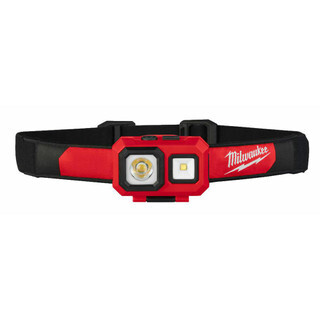
Body lights keep both hands free when you're in lofts, risers, voids or under sinks, with proper site-ready light that clips on, stands up, or hangs where needed.
When you're working where the main lighting is useless, body lights and torch power kit save time and stop guesswork. Ideal for sparkies, plumbers, fitters and snagging teams, this range covers clip-on lights, rechargeable torch options, cordless torch models and larger work light setups that take site knocks. If you already run cordless kit, matching your platform makes sense, especially when spare Batteries and Chargers are already in the van. Pick the light that suits the job and get proper visibility where it counts.
What Are Body Lights Used For?
- Working in dark loft spaces, ceiling voids and service cupboards is far easier with body lights that stay with you, so both hands are free for cable, pipe or fixings.
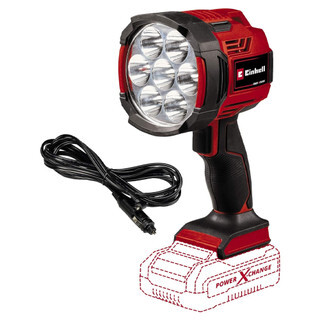
- Inspecting behind units, under baths and inside plant rooms is where a compact rechargeable torch earns its keep, giving you clean light without dragging a lead about.
- Snagging, fault finding and late finish jobs suit a portable work light because it throws a wider beam across the area instead of just lighting one small spot.
- Walking site at first light or locking up after everyone has gone is exactly where a torch or head-mounted option helps you move safely around stairs, access routes and unfinished rooms.
- Setting up in larger spaces such as halls, extensions or shell builds calls for a site light that can be stood up, hung off framing, or paired with Tripod Lights for better spread.
Choosing the Right Body Lights
Sorting the right one is simple: match the beam, runtime and mounting style to where you actually work.
1. Close-Up Jobs vs Area Lighting
If you're fault finding in a cupboard or tracing pipework, go for a torch or smaller body light with a focused beam. If you're fitting out a room or working across a wider area, a proper work light gives you better spread and less shadow.
2. Clip-On, Magnetic or Freestanding
If you're constantly moving, a clip-on or pocket light is usually the better shout. If you work around steel frames, panels or plant, magnetic bases save loads of faff. For floor work and room lighting, pick a freestanding site light that stays put.
3. Rechargeable Internal Battery vs Tool Battery Platform
If you just need a grab-and-go light for short inspections, an internal rechargeable torch is fine. If you're on site all day and already own cordless kit, buy into the same battery platform so you're not waiting about for charging halfway through the shift.
4. Beam Output vs Runtime
Don't just chase maximum brightness. High output is useful for short bursts in big dark areas, but for long shifts a medium setting with decent runtime is often more useful than a torch that goes flat after the first hour.
Who Uses These on Site?
- Sparkies use body lights for board changes, fault finding and first fix in lofts, because you need both hands on cable and test gear, not holding a torch in your teeth.
- Plumbers and heating engineers swear by them for under-sink work, boiler cupboards and airing cupboards where shadows hide leaks, valves and awkward fixings.
- Kitchen fitters, chippies and shopfitters use a compact work light when scribing, fixing and checking finish inside carcasses or dark corners where overhead site lighting does nothing useful.
- Maintenance teams and site managers keep a cordless torch in the van for inspections, lock-ups and quick checks in risers, roofs and plant areas.
- Anyone doing detailed close-up work often moves between Torches and Head Torches depending on whether they need a tight beam or proper hands-free light.
The Basics: Understanding Body Lights
Not all site lighting does the same job. The main thing is knowing whether you need a beam for seeing into something, or a spread of light for working in it.
1. Torch Beam for Inspection
A torch throws a more focused beam, which is what you want for checking inside cavities, behind units or across longer distances on site. It helps you spot detail, but it will not light a whole working area properly.
2. Work Light for the Job Area
A work light spreads light over a broader area so you can actually use tools, read markings and work safely. This is the better option for fit-outs, snagging, late finishes and any job where poor light slows you down.
3. Body Lights and Head-Mounted Options
These keep the light with you, which matters when you're climbing, crawling or working one-handed. They are built for moving around awkward spaces where a fixed site light cannot follow you.
Lighting Accessories That Keep You Working
A good light is only half the job if it goes flat too early or cannot be set where you need it.
1. Spare Batteries
A spare pack stops your light dying halfway through a loft job or late finish. If your work light runs on the same platform as your drills, keep one charged and save yourself climbing down to wait about.
2. Chargers
A proper charger matters more than people think. One in the van and one in the workshop keeps rechargeable torch and cordless torch kit ready, especially if the light gets used every day for inspections and snagging.
3. Tripods and Mounting Options
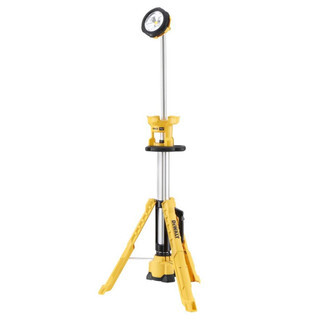
Getting the light up off the floor makes a big difference on room work. A tripod or stand stops shadows across your cut line and keeps the beam out of puddles, dust and everyone else's boots.
Choose the Right Body Lights for the Job
Use this quick guide to sort the right light for the way you work.
| Your Job | Category or Type | Key Features |
|---|---|---|
| Fault finding in cupboards, risers and under units | Rechargeable torch | Focused beam, compact size, easy one-handed use, quick charging |
| Working in lofts, ceiling voids and crawl spaces | Body light or head torch | Hands-free lighting, light weight, close-up beam, all-shift comfort |
| Snagging and fit-out in one room at a time | Portable work light | Wide beam spread, stable base, hang hook or magnetic mounting, good runtime |
| Lighting a larger area for late work or handover | Site light | High output, broad coverage, durable housing, tool battery compatibility |
| Whole-room or open-area lighting | Tripod light | Raised light position, better spread, fewer shadows, solid stance on uneven floors |
Common Buying and Usage Mistakes
- Buying by max lumens only usually ends in disappointment because the brightest setting often kills runtime. Check how long it lasts on the setting you will actually use for a full shift.
- Using a torch when you really need a work light slows the whole job down. A narrow beam is fine for inspection, but not for fitting, cutting or working accurately across a wider area.
- Ignoring battery platform compatibility creates extra cost and clutter in the van. If you already run cordless tools, matching your light to that system is normally the sensible move.
- Leaving lights loose in the back of the van shortens their life fast. Lenses get scratched, switches get knocked and charging ports fill with dust, so store them properly.
- Choosing the wrong mounting style is a common one. A magnetic light is brilliant on steelwork but useless on timber framing, so think about where the light will actually sit on the job.
Torch vs Work Light vs Body Light
Torch
Best for inspections, quick checks and seeing into tight spaces. It gives you a focused beam and easy carry, but it is not the best choice for lighting a full work area.
Work Light
Best when you need to actually get the job done in poor light. It spreads light better across floors, walls and benches, though it is bulkier than a simple torch.
Body Light
Best for moving around lofts, plant rooms and service voids where both hands need to stay free. Coverage is more local, but it follows you properly and cuts down on awkward repositioning.
Cordless Site Light
Best for larger rooms, shell builds and late-stage fit-out where stronger output and longer runtime matter. It takes up more space, but it is the right answer when a torch just is not enough.
Maintenance and Care
Keep the Lens Clean
Dust, plaster and fingerprints knock back the beam more than most people realise. Wipe the lens after use so you are getting the light output you paid for.
Charge Before It Is Urgent
Do not leave rechargeable lights flat in the van for weeks. Top them up after heavy use so they are ready for the next callout, lock-up or early start.
Protect Charging Ports and Contacts
Site dust gets everywhere, especially in open charging sockets and battery terminals. Keep them clear and dry or you will end up with poor charging and intermittent power.
Check Clips, Magnets and Stands
The light is no use if it will not stay where you put it. Give clips, brackets, hinges and magnetic bases a quick once-over, especially if the light spends its life bouncing about in the van.
Replace When the Housing or Beam Is Compromised
A scratched lens, cracked housing or weak switch soon becomes a site annoyance. If it no longer charges properly or the beam is badly affected, replace it before it slows the job down.
Why Shop for Body Lights at ITS?
Whether you need a small led torch for inspection work, a head-mounted option for hands-free access, or a larger site light for fit-out and handover, we stock the full range. That means body lights, cordless torch options, rechargeable torch models and bigger area lighting, all in our own warehouse and ready for next day delivery.
Body Lights and Work Light FAQs
What's the brightest rechargeable work torch?
The brightest one is not automatically the best buy. Some high-output rechargeable torch models throw serious light, but they often step down or drain fast on full power. For site use, check the usable output and runtime together, especially if you need it for more than a quick inspection.
Can power tool batteries run torches and work lights?
Yes, plenty of torches and work lights are built around the same battery platforms as cordless tools. It is a smart move if you already own the system, because you can swap packs on site and keep going without carrying a separate charger for everything.
How long does a rechargeable torch last?
It depends on battery size and output mode. On full brightness, some lights are built for short bursts, while lower settings can last most of a shift. Be honest about the job. If you need all-day lighting, buy for runtime first and brightness second.
Are LED work lights better than halogen?
Yes, for most site jobs they are. LED work lights run cooler, use less power, last longer and stand up better to regular transport and switching on and off. Halogen still has its place, but for portable site use LED is the practical choice now.
What's the difference between a torch and a work light?
A torch gives you a tighter beam for looking into something or across distance. A work light spreads light across the job area so you can actually fit, cut, test or inspect properly. If you are working in one spot for any length of time, a work light is usually the better tool.
Will a body light be enough on its own for site work?
For close-up access work, yes. For lighting a whole room, not really. Most trades end up using a body light or head torch for moving about, then a bigger work light or site light once they settle into the job.