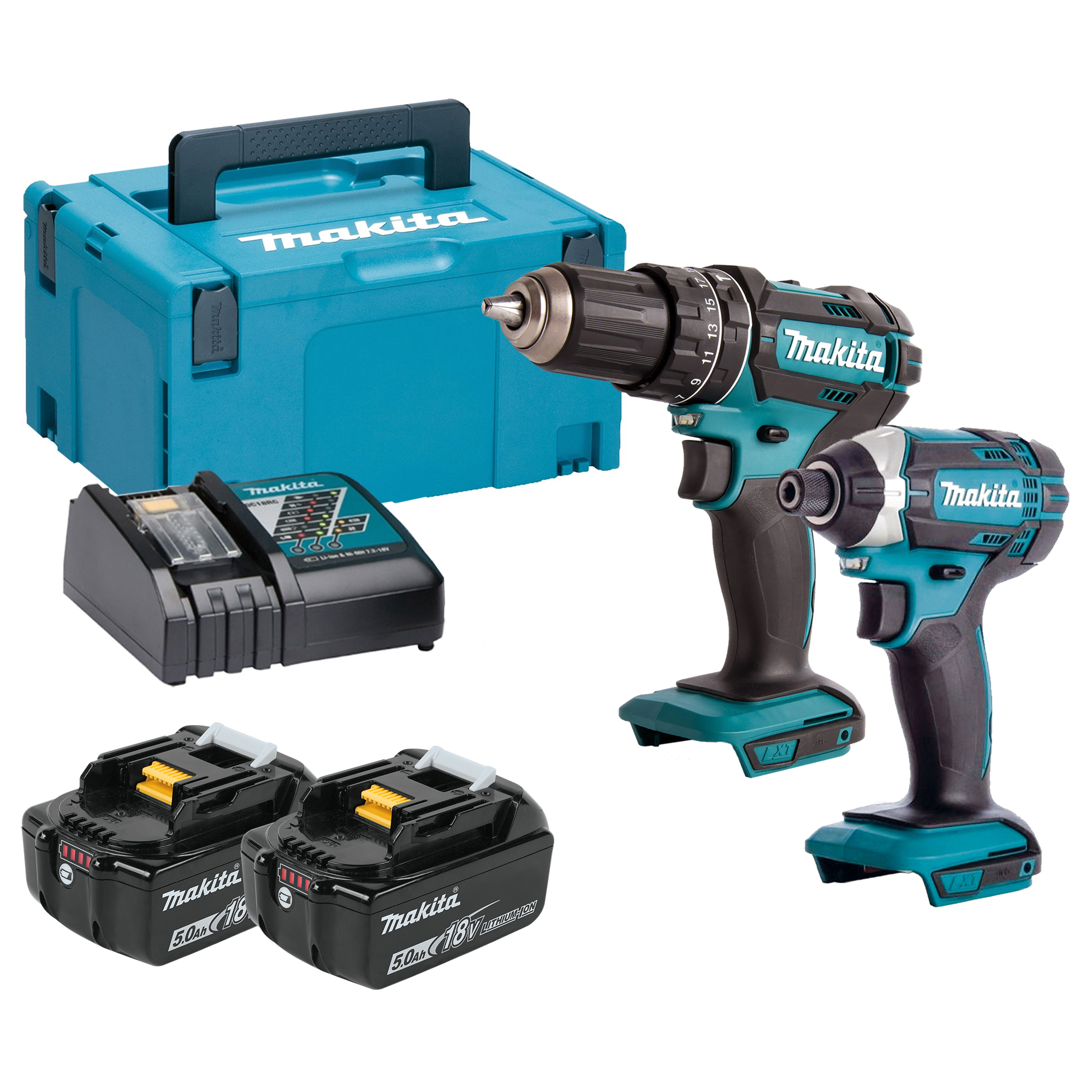
Cordless Tool Kits
Cordless tools keep you moving when there's no power, no time, and no patience for trailing leads.
If you're kitting out a van or replacing tired gear, cordless kits make sense because the batteries, charger, and core tools arrive matched and ready. Pick a tool pack that suits your trade, then build from the same platform as the jobs stack up.
What Are Cordless Tools Used For?
- Drilling and driving all day on first fix, where you are in and out of rooms and you cannot waste time hunting sockets or dragging extension leads.
- Fast punch-list and snag work, where a cordless tool kit in the van lets you grab the right drill, impact driver, or saw and get straight back to the job.
- Refurbs and occupied properties, where cordless kits cut down trip hazards and make it easier to work clean and safely in tight hallways and stairwells.
- Outdoor and off-grid jobs like fencing, roofing repairs, and site set-up, where cordless set power tools keep you working even when power is miles away.
- Tool sharing on site, where buying tool kits for sale as a matched set helps keep batteries and chargers compatible across the team.
Choosing the Right Cordless Tools
Sort the right cordless tools by matching the battery platform and the work you actually do, not by chasing the biggest kit for the money.
1. Start with the jobs you do weekly
If you are mostly drilling and driving, prioritise a drill and impact combo over a massive box of extras. If you are cutting every day, pick a cordless kit that includes the saw you will genuinely use, because buying it later usually costs more.
2. Battery capacity matters more than "cheap tool kit" pricing
If you are on site full time, do not bother with tiny batteries just to get a lower ticket price, because you will spend your day swapping packs. For longer shifts, look for kits with at least two batteries so one can be charging while you are working.
3. Think about storage and how you work
If your tools live in the van, a tool pack with a proper case or stackable storage stops gear getting battered and keeps chargers, batteries, and bits together. If you are carrying up stairs all day, keep the kit lean and add tools as you need them.
4. Watch for genuine kit value, not just "drill sets on sale"
Drill sets on sale can be a good buy if the batteries are decent and the tools are the ones you would pick anyway. If the kit pads itself out with tools you will never use, it is not a deal, it is dead weight.
Who Uses Cordless Kits?
- Chippies and joiners who live on impact drivers, drills, and saws for first fix, second fix, and kitchen fitting without being tied to a lead.
- Sparks and plumbers who need compact cordless tools for tight voids, ladder work, and quick installs, with spare batteries ready in the bag.
- Site maintenance and facilities teams who want one tool pack that covers daily call-outs, from fixings and brackets to light cutting and drilling.
- Groundworkers and landscapers who need cordless kits for remote work, where a cheap tool kit is false economy but a solid set saves repeat breakdowns.
The Basics: Understanding Cordless Kits
Cordless kits are about one battery system running multiple tools, so you are not juggling chargers and packs that do not match. Here is what matters on site.
1. One platform, multiple tools
A cordless tool kit is built around a battery platform, so the same batteries run your drill, impact driver, saws, and lights. Stick to one system and you can add bare tools later without paying again for batteries and chargers.
2. Voltage is only part of the story
Two drills can both be "18V class" but feel miles apart on the job because motor efficiency, gearing, and battery capacity decide how hard it pulls and how long it lasts. Buy for the work rate you need, not just the number on the side.
3. Batteries are your runtime
If you are doing repetitive fixings or heavier drilling, battery size makes the difference between cracking on and constantly swapping packs. For most trades, two batteries in the kit is the minimum so you can keep one charging.
Cordless Kit Accessories That Keep You Working
A good kit is only as useful as the batteries, charging, and consumables you have to back it up when the day turns busy.
1. Spare batteries
A spare pack stops the classic site problem where the tool dies halfway through fixings and you are stuck waiting for a charge. If you are running multiple cordless tools, extra batteries are what make the kit feel seamless.
2. Fast charger
A faster charger is a simple upgrade when you are rotating batteries all day, especially on refurbs where you are drilling, driving, and cutting back-to-back. It cuts downtime and keeps the kit earning.
3. Impact bit sets and drill bit sets
Fresh bits stop cam-out, snapped heads, and burnt drill points, which is usually what slows you down, not the tool itself. Keep a decent set in the case so your drill and impact are always ready.
4. Storage cases and organisers
If your kit lives in a van or gets dragged across site, proper storage stops batteries, chargers, and small parts going missing. It also makes it quicker to grab the right tool pack and get moving.
Shop Cordless Kits at ITS
Whether you are after cordless kits for a full van set-up or a tight tool pack to replace worn gear, we stock a deep range of cordless tools and tool kits for sale in all the key types and configurations. It is all held in our own warehouse, in stock and ready for next day delivery so you can get back on the tools without waiting around.
Cordless Kits FAQs
What is the best cordless tool set?
The best cordless tool set is the one that matches your day-to-day jobs and keeps you on one battery platform. For most trades, a drill and impact kit with two batteries is the sensible start, then add saws or grinders only if you use them weekly, not just because the box looks bigger.
What is better, an 18-volt or 20 volt drill?
In real site terms they are usually the same "18V class" bracket, and the label alone does not tell you how it will perform. Look at the tool's torque, speed ranges, and battery capacity, because that is what decides whether it will drive big fixings cleanly and how long it will run.
Are cordless tool kit deals actually good value, or just padded out?
Some are proper value, especially when the batteries and charger are decent and the tools are ones you would buy anyway. Be wary of cordless tool kit deals that add rarely used extras, because you pay for tools that sit in the case while you still end up buying the core kit you needed.
How many batteries should a cordless kit have for full-time site work?
Two batteries is the minimum if you are working properly, because one can be on charge while the other is in the tool. If you are running high-draw tools like saws or grinders, you will feel the benefit of a third battery quickly, especially on long days.
Is a cheap tool kit worth it for starting out?
A cheap tool kit can get you going, but it often costs more in the long run if batteries fade fast or the tools struggle under load. If you are on the tools every day, it is usually better to buy a smaller cordless set power tools kit that you will actually keep, then build it up as you go.