Polishing Pads
Polishing pads sort out the final finish on timber, paint, metal and solid surfaces when rough prep is done and the job needs a clean, even result.
When you're at the stage where scratches, haze or dull patches will show up straight away, this is the kit that tidies the work up properly. Polishing pads are part of the sanding and finishing accessories trades keep for joinery, decorating touch-ups, surface refinishing and site snagging. If you're already working through Power Tool Accessories or other More Accessories, match the pad to the material, backing and finish you need, then buy polishing pads that actually suit the job.
What Are Polishing Pads Used For?
- Finishing timber work after sanding helps take out light marks and bring up a cleaner surface on worktops, trim, stair parts and fitted joinery before oil, wax or final coating goes on.
- Refining painted and decorated surfaces lets you knock back minor imperfections, haze or flatting marks without going too aggressive on finished panels, doors and detailed woodwork.
- Cleaning up metal, stone or solid surfaces on refurbishment work gives you a more even sheen where handover standards matter and rough abrasive accessories would leave the job looking unfinished.
- Sorting snagging and repair work on site saves replacing parts that only need a final polish, especially on visible areas where decorators and carpenters need the finish to look right under good light.
Choosing the Right Polishing Pads
Sorting the right one is simple: match the pad to the material and the finish you need, not just whatever fits the tool.
1. Start with the surface
If you are finishing soft timber or painted trim, go for pads suited to finer work so you do not leave fresh marks chasing a better finish. If you are working harder surfaces or heavier refurbishment jobs, you will need a pad that can cut a bit more before final polishing.
2. Do not skip straight from rough sanding
If the surface still has obvious scratches from coarse prep, a polishing pad will not magically hide them. Work through the proper sanding and finishing accessories first, then polish once the surface is already flat and consistent.
3. Check the backing and fixing
If your machine uses hook and loop, foam backing or a specific pad size, match that properly before you order. Getting the wrong fixing is a waste of time and usually means the pad will not sit flat or wear evenly.
4. Buy to the finish, not the pack size
If you only need to sort final snagging, a few fine pads will do the job. If you are doing repeat finishing work in the workshop or on fit-out jobs, stock up on the pad types you burn through most often so you are not stuck short halfway through.
Who Uses These on Site?
- Chippies use polishing pads when they are finishing fitted joinery, stair components and worktops, especially where standard wood sanding accessories have done the shaping but the surface still needs refining.
- Decorators reach for them when flattening and polishing painted woodwork, feature panels and repaired sections that need to blend in without leaving obvious scratch patterns.
- Shopfitters and maintenance teams keep them in the van for touching up counters, display units and solid surfaces where replacing the part would cost more time than finishing it properly.
- Carpenters and refurb teams swear by them for snagging because they help rescue visible surfaces at the end of the job, rather than handing over timber or painted work that still looks dull or marked.
Finishing Accessories That Keep the Job Moving
The right support kit stops you ruining the finish or wasting time swapping between stages.
1. Sanding Discs
Use Sanding Discs for the prep stage before polishing. They deal with the heavier flattening and mark removal so your polishing pads are not wasted trying to fix scratches they were never meant to remove.
2. Sanding Sheets
Keep Sanding Sheets handy for hand finishing edges, mouldings and awkward corners where a machine pad cannot reach cleanly. They save that frustrating bit where the face is perfect but the details still look rough.
3. Sanding Belts
If you are levelling boards, worktops or larger timber before the finish stage, Sanding Belts take care of stock removal fast. That means less loading on your finishing pads and a cleaner route to the final polish.
Choose the Right Polishing Pads for the Job
Pick the pad by material, finish stage and how much correction the surface still needs.
| Your Job | Polishing Pad Type | Key Features |
|---|---|---|
| Finishing painted doors and trim | Fine finishing pad | Light cut, smoother final surface, less chance of marking delicate finishes |
| Refining timber worktops or joinery | Medium to fine polishing pad | Good control on wood, helps remove haze from earlier sanding, ready for oil or wax |
| Snagging visible refurbished surfaces | Soft polishing pad | Suited to final touch-up work where even sheen matters more than material removal |
| Cleaning up harder surfaces with minor marks | Denser polishing pad | More support and control on tougher surfaces, better for light correction before final finish |
Common Buying and Usage Mistakes
- Buying polishing pads to do the sanding stage is a common one. They are for refining and finishing, so if the surface is still rough, go back a step and prep it properly first.
- Choosing the wrong pad backing or diameter wastes time and often leaves the pad running unevenly. Always check the machine fixing and size before ordering.
- Using too much pressure is what burns through pads and spoils the finish. Let the pad and the tool do the work or you will end up with heat marks, uneven sheen or loaded-up faces.
- Skipping through the stages too quickly leaves scratch patterns that still show after polishing. Work through the abrasive accessories in sensible steps if you want a proper final finish.
- Using one pad across different materials without cleaning or changing it can contaminate the surface. Keep timber, paint and other finishing work separate if appearance matters.
Foam Polishing Pads vs Non Woven Pads vs Sanding Pads
Foam Polishing Pads
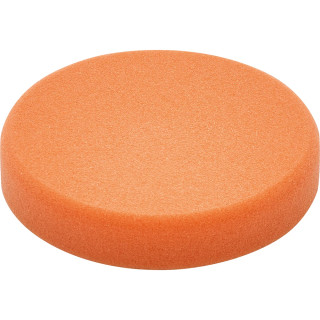
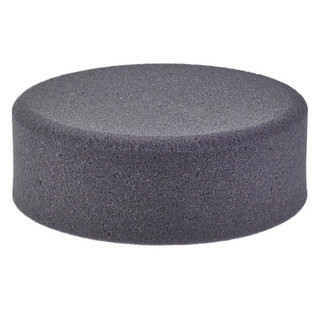
These are the better choice for final finishing and bringing up a cleaner surface on painted, sealed or refined materials. They are less aggressive, so they suit snagging and finish work more than heavy correction.
Non Woven Pads
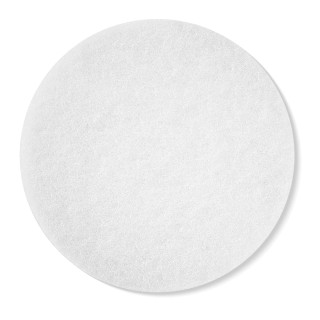
Non woven pads are useful when you need light cleaning, de-nibbing or surface preparation without a heavy scratch pattern. Good for refinishing steps, but not always the one for a true final polish.
Sanding Pads
Sanding pads are for material removal, flattening and prep. If the job still needs defects taking out, use these first and only move to polishing pads once the surface is already properly worked through.
Maintenance and Care
Clean pads after use
Brush out dust and residue before it hardens into the face. A loaded pad cuts badly, runs hotter and can mark the next surface you touch.
Store them flat and dry
Do not chuck them loose in the bottom of the van under heavier kit. Keeping pads flat and away from damp helps them hold shape and stick properly to the backing.
Keep pad types separate
If you mix polishing pads used on paint, timber and dirtier refurbishment jobs, you risk dragging contamination into finished surfaces. Separate them by task if finish quality matters.
Replace worn or glazed pads
Once the face is flattened, torn or glazed over, stop using it. Hanging on to dead pads just slows the job down and leaves poorer results.
Why Shop for Polishing Pads at ITS?
Whether you need polishing pads for finishing timber, painted surfaces or general sanding and finishing accessories for site work, we stock the range that trades actually use. From everyday abrasive accessories to the bits that sort final snagging properly, it is all in our own warehouse, in stock and ready for next day delivery.
Polishing Pads FAQs
What are polishing pads used for?
They are used for the final finishing stage when you need to refine a surface, remove light haze or improve the overall look without going back in with a harsh abrasive. On site that usually means finishing joinery, painted trim, worktops or other visible surfaces before handover.
How do I choose the right polishing pads?
Start with the material, then check what stage the job is at. If the surface still needs proper correction, sort that first with the right prep abrasives. For actual polishing, choose the pad by backing type, size and how fine a finish you need, not just by what is cheapest.
Which grit or pad type should I choose for polishing pads?
Go finer as the finish gets more visible. If you are dealing with light refinement, a softer or finer pad is usually the right call. If there are still marks from earlier sanding, step back and remove those first because a polishing pad will only highlight bad prep, not fix it.
Are polishing pads suitable for decorators and carpenters?
Yes, very much so. Decorators use them for flattening and refining painted surfaces, while carpenters use them for finishing timber, trim and fitted work where a rough sanding mark will stand out straight away. They are proper polishing pads for tradesmen doing visible finish work.
Can I buy polishing pads online from ITS?
Yes. You can buy polishing pads online UK wide from ITS, with the range held in stock for fast delivery. That is handy when you are running low on finishing gear and need replacements on site without wasting time hunting round suppliers.