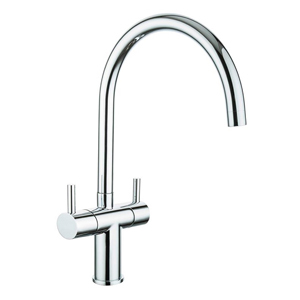
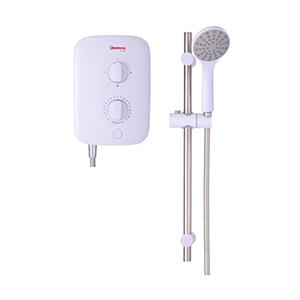
Kitchen & Bathroom
Kitchen and bathroom fittings are the bits that finish the job properly, from taps and showers to sealants and fixings that hold up to daily use.
When you're fitting out a kitchen or bathroom, the last thing you need is cheap gear that looks fine in the box but gives you grief once it's live. This range covers the kitchen and bathroom products trades actually need for first fit, second fix and snagging, including Showers, Taps and the finishing bits that stop call-backs. From solid Bathroom Taps and hard-working Kitchen Taps to Sanitary Sealants that keep wet areas sealed up, these bathroom supplies and kitchen supplies UK trades rely on are built for proper install work. Pick the fittings that match the room, the pressure and the finish, then get the job wrapped up right.
What Are Kitchen and Bathroom Fittings Used For?
- Fitting out new kitchens with taps, wastes and finishing hardware so the sink area is ready for handover without bodges or leaks.
- Upgrading bathrooms during refurbs where tired taps, showers and accessories need replacing with cleaner, more reliable kit that suits modern pipework and layouts.
- Snagging wet rooms, en suites and cloakrooms by sealing around trays, basins and sanitaryware to stop water getting where it should not.
- Maintaining rented properties and managed buildings where fast swap-outs of worn fittings save time and cut repeat visits for drips, poor flow or loose fixings.
- Finishing domestic and commercial wash areas where the fittings need to look right, clean easily and stand up to constant daily use.
Choosing the Right Kitchen and Bathroom Fittings
Sorting the right kit is simple: match it to the room, the pressure and the way it will be used, not just the finish on the box.
1. Match the Fitting to Water Pressure
If you are working on low pressure systems, do not assume every tap or shower will perform properly. Check the pressure requirement first, otherwise you end up fitting something that only dribbles once the water is on.
2. Think About the Room Layout
If the basin is tight to a wall or vanity, choose fittings with the right reach and handle clearance. In kitchens, make sure the spout height and swing suit the sink and whatever is going under wall units above.
3. Pick Finishes That Can Handle Real Use
For busy family bathrooms, rentals and commercial washrooms, go for finishes that clean up easily and do not show every mark. If the room gets hammered every day, fancy-looking kit that marks or loosens quickly is false economy.
4. Do Not Forget the Finishing Bits
A tidy install is not just the tap or shower. Make sure you have the right wastes, fixings and sealants ready before you start, otherwise the whole job slows down over one missing part.
Who Uses These on Site?
- Plumbers and heating engineers use this kit day in, day out for first fix pipe runs, second fix connections and final bathroom supplies that need to go in neatly and seal first time.
- Kitchen fitters rely on kitchen and bathroom fittings when they are lining up sinks, worktops and appliances, especially where tap choice, reach and mounting style matter.
- Bathroom installers and refurb teams swear by decent fittings because poor valves, weak finishes and cheap seals are what cause the call-backs later.
- Maintenance teams and landlords keep these products close for quick replacements in tenanted properties where a failed tap or shower cannot wait a week.
- General builders doing extensions, loft conversions and full-house refits use this range to get the kitchen and bathroom over the line without chasing parts from three different places.
Fitting Accessories That Save You Time on Kitchen and Bathroom Jobs
These are the extras that stop easy installs turning into awkward, time-wasting call-backs.
1. Sanitary Sealants
Get the sealing done properly around trays, baths, basins and backsplashes. A decent sanitary sealant saves you from black mould lines, leaks into units and that sinking feeling when the client rings because water has tracked behind the finish.
2. Wastes and Traps
Do not assume the existing waste setup will suit the new fitting. Keeping the right wastes and traps to hand saves cutting corners under sinks and basins where space is tight and access is miserable.
3. Isolation Valves and Connectors
These make future servicing far less painful and help you get awkward replacements done without draining half the property. If you are fitting taps or showers, it is worth doing it properly while everything is open.
Choose the Right Kitchen and Bathroom for the Job
Use this quick guide to sort the right fittings for the room and the work involved.
| Your Job | Category or Type | Key Features |
|---|---|---|
| Replacing a worn basin fitting in a bathroom refurb | Bathroom taps | Check pressure compatibility, basin fit and easy-clean finish for everyday use. |
| Finishing a new kitchen sink area | Kitchen taps | Look at spout reach, sink size, clearance under wall units and durability of the handle mechanism. |
| Installing or upgrading a shower area | Showers | Match the unit to water pressure, mounting position and the type of bathroom layout you are working with. |
| Sealing around baths, trays and sanitaryware | Sanitary sealants | Use mould-resistant sealant with good adhesion in wet areas and a clean finish for snag-free handover. |
| Fast maintenance work in rented properties | Trade replacement fittings | Go for straightforward installation, reliable internals and parts that suit common pipe centres and layouts. |
Common Buying and Usage Mistakes
- Buying on finish alone and ignoring water pressure is a classic mistake. The fitting may look right, but if the system cannot drive it properly, performance will be poor from day one.
- Reusing old seals, wastes or connectors to save a few quid usually comes back to bite. If the new fitting does not marry up properly, you risk leaks, slow drainage and a return visit.
- Not checking clearances around sinks, basins and wall units causes grief on install day. Measure handle travel, spout reach and back wall space before you order.
- Using the wrong sealant in wet areas is asking for mould and failed joints. Fit proper sanitary-grade sealant where water and steam are constant.
- Leaving isolation out on replacement jobs saves minutes now but wastes hours later. Fit them while access is good and future maintenance becomes much easier.
Kitchen Taps vs Bathroom Taps vs Showers
Kitchen Taps
Best where reach, sink coverage and daily washing-up matter most. They usually need more spout height and movement than bathroom fittings, so do not try to treat them like a like-for-like tap swap.
Bathroom Taps
Better suited to basins and bath setups where compact fit, neat looks and controlled flow matter more than big reach. Good for refurbs where space around the basin is tight and the finish needs to stay easy to wipe down.
Showers
These are all about matching the unit to the water system and bathroom layout. If pressure, pipe entry points or wall condition are wrong, the install gets awkward fast, so they need more planning than a straight tap replacement.
Maintenance and Care
Keep Finishes Clean
Wipe fittings down with a soft cloth and mild cleaner rather than anything abrasive. That keeps plated and coated finishes looking right and stops premature marking.
Check for Early Leaks
After fitting, keep an eye on joints, flexis, wastes and seals during first use. Catching a slight weep early is a lot better than finding swollen units or stained ceilings later.
Look After Sealant Lines
Sealant around baths, trays and basins should be checked as part of routine upkeep. If it starts lifting, splitting or blackening, cut it out clean and redo it before water gets behind the sanitaryware.
Descale Where Needed
In hard water areas, taps and shower outlets will need regular descaling to keep flow sensible. Leave build-up too long and performance drops off, especially on finer spray patterns and aerated outlets.
Replace Worn Small Parts Before the Whole Fitting Fails
A tired washer, cartridge or hose is usually cheaper and quicker to deal with than waiting for full failure. If the body is still sound, a small repair often keeps the job tidy and avoids a full swap-out.
Why Shop for Kitchen and Bathroom at ITS?
Whether you need kitchen and bathroom fittings for a full refurb, replacement bathroom supplies, or kitchen supplies UK trades use every week, we stock the proper range in one place. From taps, showers and finishing products to the bits that complete the install, it is all in our own warehouse, in stock and ready for next day delivery.
Kitchen and Bathroom FAQs
What kitchen and bathroom products does ITS stock?
We stock a broad range of kitchen and bathroom products for trade fitting, including taps, showers, sealants and other everyday install essentials. It is the sort of range you need for new fit-outs, refurbs, replacements and snagging without hunting all over for matching bits.
Does ITS supply both taps and showers for trade fitting?
Yes. If you are fitting out bathrooms, cloakrooms or kitchens, you can get both taps and showers from the same range, which makes it easier to keep the spec and finish consistent across the job.
Are these fittings suitable for replacement work as well as full refurbs?
Yes, that is a big part of what this range is for. A lot of these products suit straight swaps, maintenance jobs and partial upgrades, but you still need to check pressure, centres, mounting style and waste compatibility before ordering.
Will I need extra parts to finish the install properly?
Usually, yes. On a proper kitchen or bathroom job, you will often need sealant, wastes, traps, valves or connectors as well as the main fitting. It is worth lining those up before you start so you are not stuck mid-job over a small missing part.
How do I avoid buying the wrong tap or shower for the property?
Start with the basics and be honest about the system you are working on. Check water pressure, available space, pipe positions and who will be using it. Most buying mistakes come from guessing one of those and hoping it will be fine.