Taps

Taps sort the finish and the function in one go, whether you're fitting out a new kitchen, freshening up a bathroom, or replacing tired old gear.

Get the wrong tap and you will know about it fast, either with poor flow, awkward fitting, or a finish that looks tired before handover. This range covers kitchen taps, bathroom taps, mixer taps and replacement options that suit proper day to day use. If you are matching to existing pipe centres, water pressure and basin or sink style, start here and get the right one first time.

What Are Taps Used For?

  • Replacing worn or dripping taps in kitchens, cloakrooms and bathrooms where the old ones are leaking past the ceramic cartridge or have gone rough to turn.
  • Finishing off new sink, basin, bath and utility installs where you need the tap to suit the pressure, fixing hole layout and how the customer actually uses the space.
  • Upgrading rental, refurb and handover jobs with mixer taps that make temperature control simpler and leave the whole room looking properly finished.
  • Sorting awkward wash areas and busy family bathrooms where easy clean surfaces, sensible lever control and reliable spouts matter more than flashy shapes.
  • Matching replacement parts and fittings on maintenance calls, especially when you are already carrying Plumbing Tools and need to get water back on without dragging the job out.

Choosing the Right Taps

Sorting the right tap is simple: match it to the water pressure, the fixing holes and the room, not just the look on the box.

1. Mixer or Pillar

If the customer wants one spout and easier temperature control, go mixer. If you are replacing an older two hole setup and do not want extra alteration work, pillar taps usually keep the swap straightforward.

2. Check Your Water Pressure First

If the property has low pressure, do not assume every modern tap will perform properly. Pick taps rated for low pressure systems or you will end up with a weak dribble and a call back you could have avoided.

3. Match the Fixing to the Sink or Basin

One hole basins and sinks suit mono mixer taps. Two hole layouts suit pillar or some bridge style options. Check centres and hole count before ordering, especially on replacement work where the surface is already cut.

4. Think About Reach and Use

A short spout on a deep sink can be a nuisance, and an oversized tap on a small cloakroom basin just throws water everywhere. If it is a hard working family kitchen, go for proper spout clearance and easy lever operation.

Who Uses These Taps?

  • Plumbers fit taps day in, day out on kitchen swaps, bathroom refurbs and quick leak calls, usually choosing by fixing style, pressure rating and how easy the tails are to get onto in a cramped cupboard.
  • Bathroom fitters rely on them for basin, bath and cloakroom installs where the finish has to look right and the controls need to feel solid at handover.
  • Kitchen installers reach for kitchen taps that suit deep sinks, utility areas and daily washing up, especially where a mixer needs to clear splashbacks or work around a window.
  • Maintenance teams and landlords keep replacement taps moving on voids and repair jobs because a decent match saves time, avoids call backs and gets the room back in use fast.

The Basics: Understanding Taps

Most buying mistakes come down to three things: how the water is controlled, how the tap mounts, and whether the pressure in the building can actually run it properly. Here is the simple version.

1. Mixer Taps

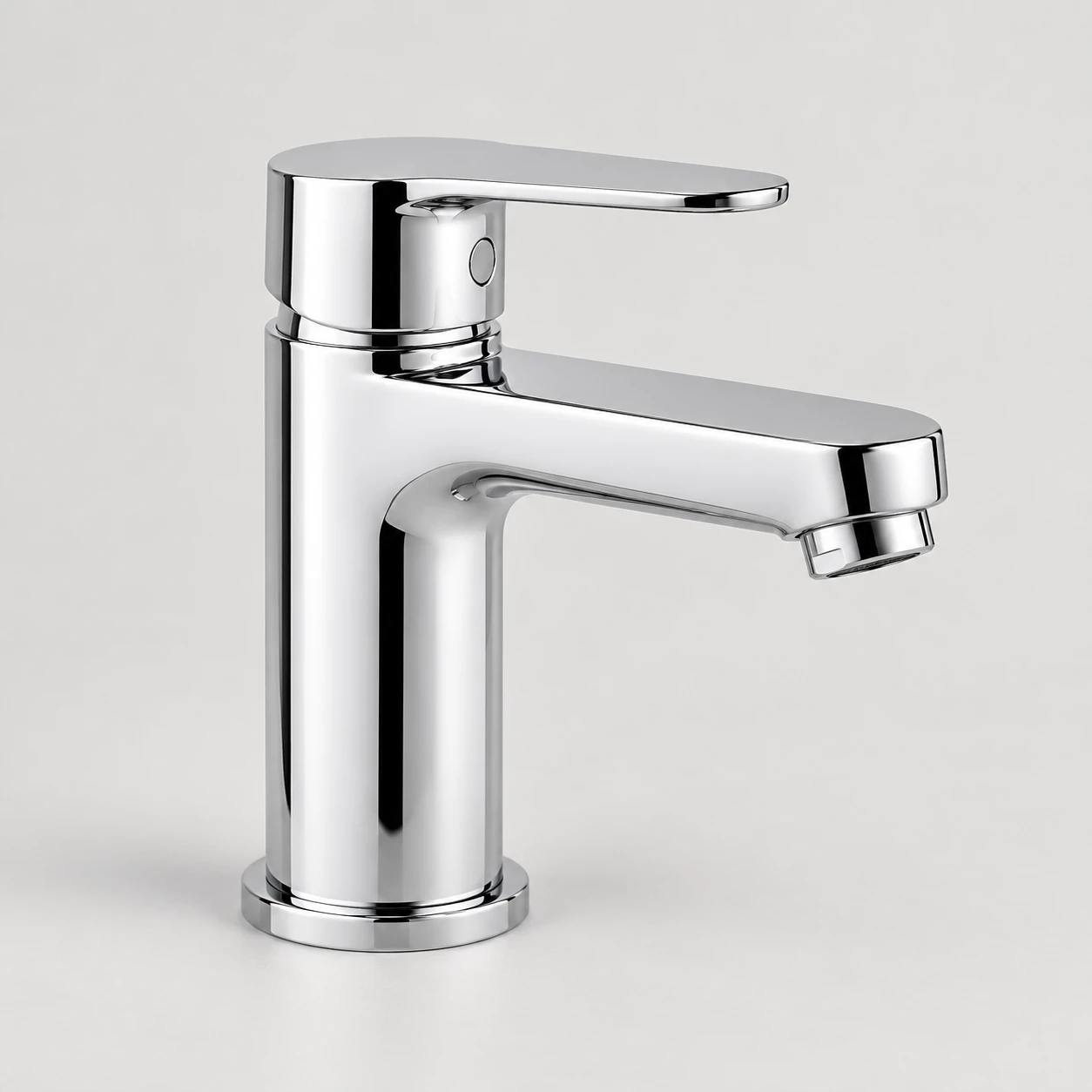
A mixer tap blends hot and cold through one spout, which makes day to day use simpler and usually gives a neater finish on modern kitchens and bathrooms. It is the usual choice where you want cleaner looks and easier temperature control.

2. Pillar Taps

Pillar taps keep hot and cold separate, with one tap for each feed. They are common on older basins and baths, and they are often the easiest route when you are replacing like for like without altering the layout.

3. Pressure Ratings Matter

Some taps need more pressure to flow properly than others. On gravity fed or low pressure systems, choosing the wrong one can leave you with poor flow and an unhappy customer, even if the tap itself is fitted perfectly.

Tap Accessories That Save Time on Fit Day

A few sensible extras can stop leaks, save repeat visits and make the whole install cleaner.

1. Flexi Tap Connectors

These save a lot of grief in tight cupboards where rigid pipework is awkward to line up. Get the right length and thread and you will spend less time fighting the back of a unit.

2. Waste Kits and Click Clacks

A smart new tap on a tired old waste looks half finished. Matching the waste to the basin or bath setup avoids drips, poor drainage and that last minute dash for missing parts.

3. Tap Heads, Plugs & Accessories

For repair work and tidy replacements, Tap Heads, Plugs & Accessories are worth checking before you strip out more than you need to. Sometimes a simple parts swap gets the job sorted quicker than a full change.

4. Sanitary Sealants

Use proper Sanitary Sealants around basins, baths and backsplashes where needed. It stops water tracking into worktops, units and wall edges and saves snagging later.

Choose the Right Taps for the Job

Use the room, fixing and water pressure to narrow it down fast.

Your Job Category or Type Key Features
Replacing older separate hot and cold basin taps Pillar taps Two tap layout, straightforward like for like swap, suits existing hole centres
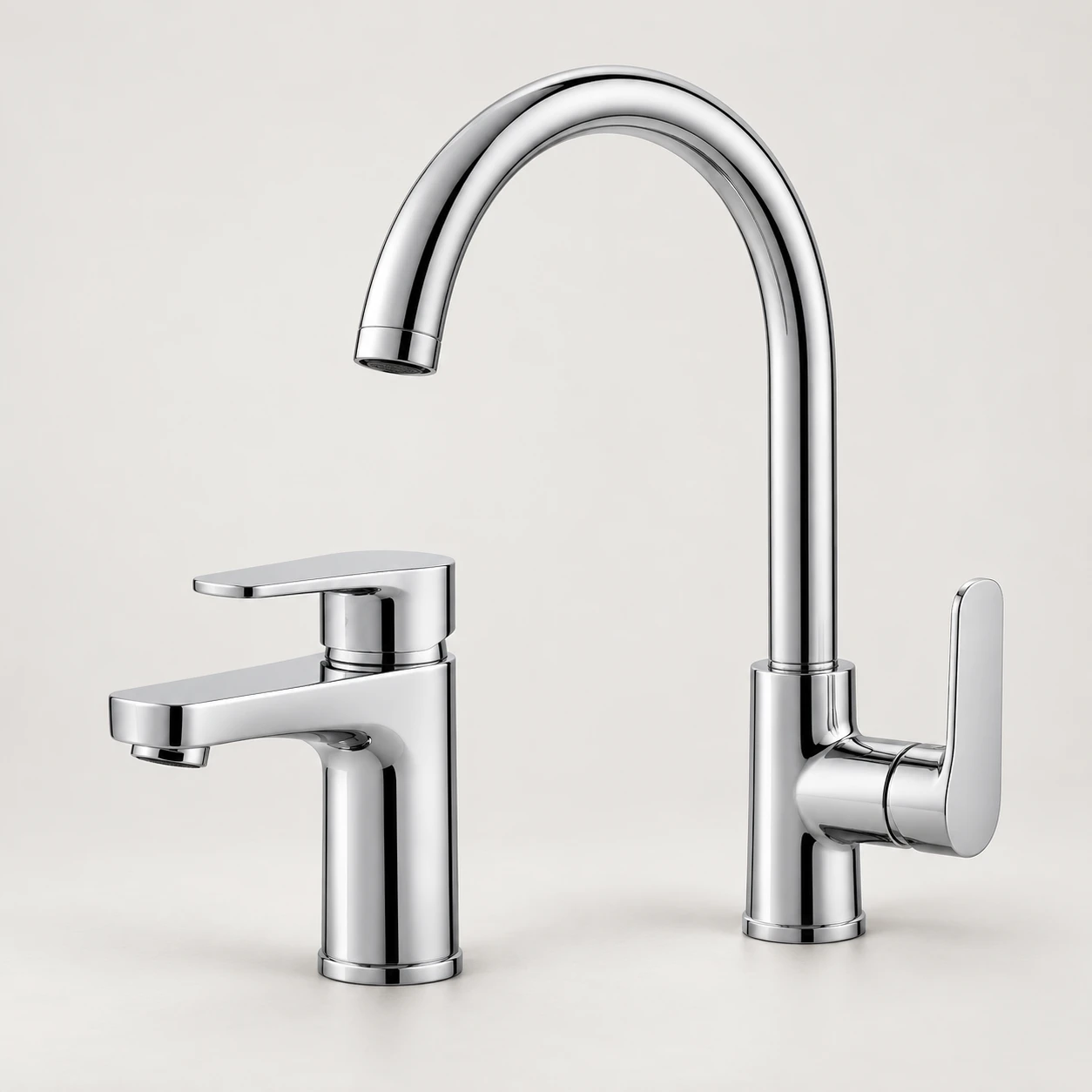
Fitting a modern basin in a bathroom refurb Mono mixer taps Single hole fixing, one spout, easier temperature control, clean finished look
Upgrading a busy family kitchen sink Kitchen mixer taps Good spout reach, easy lever use, enough clearance for washing up and filling pans
Working on a low pressure property Low pressure compatible taps Designed to perform on weaker systems, avoids poor flow and customer complaints
Matching a bath setup on replacement work Bath taps Correct fixing centres, suitable flow, practical controls for daily use

Common Buying and Usage Mistakes

  • Buying on looks alone without checking pressure rating is a classic mistake. The result is a tap that looks the part but barely runs, so always check the minimum operating pressure first.
  • Ordering a mono mixer for a two hole sink or basin wastes time straight away. Count the fixing holes and check the layout before the tap turns up on site.
  • Ignoring spout reach and height can make a tap awkward to use every single day. A poor match causes splashing, poor access and customer complaints once the room is finished.
  • Reusing tired connectors, washers or wastes to save a few quid often ends in leaks and return visits. Fresh fittings on a new install are usually cheaper than going back.
  • Over tightening on fitting can damage threads, seals or the sink surface. Nip everything up properly, support the tap body and test before boxing the area back in.

Mixer Taps vs Pillar Taps vs Monobloc Taps

Mixer Taps

Best where the user wants hot and cold blended through one spout with easier day to day control. Good for modern kitchens and bathrooms, but you still need to check pressure and fixing style before you commit.

Pillar Taps

Best for older layouts and like for like replacements where separate hot and cold feeds are already in place. They are simple and practical, but they do not offer the same convenience as a mixer on everyday use.

Monobloc Taps

Usually the right choice for one hole basins and sinks where a clean modern finish matters. They save space and look tidy, but they are no good if the existing surface is drilled for two separate tap bodies.

Maintenance and Care

Clean the Finish Properly

Wipe taps down with a soft cloth and mild cleaner rather than anything abrasive. Harsh products can mark chrome, dull coated finishes and make a new install look older than it is.

Check for Drips Early

A slow drip usually means a cartridge, seal or fixing wants attention. Catch it early and you can often repair it before water marks, scale build up or cupboard damage starts.

Descale Aerators and Spouts

If flow drops off, check the aerator first. Limescale and grit build up quickly in hard water areas, and a quick clean is often all it takes to get proper flow back.

Keep Under Sink Connections Dry

After fitting, recheck tails, flexis and isolation valves once the water has been on a while. A connection can seem fine at first then show a slow weep once pressure has settled.

Repair or Replace Sensibly

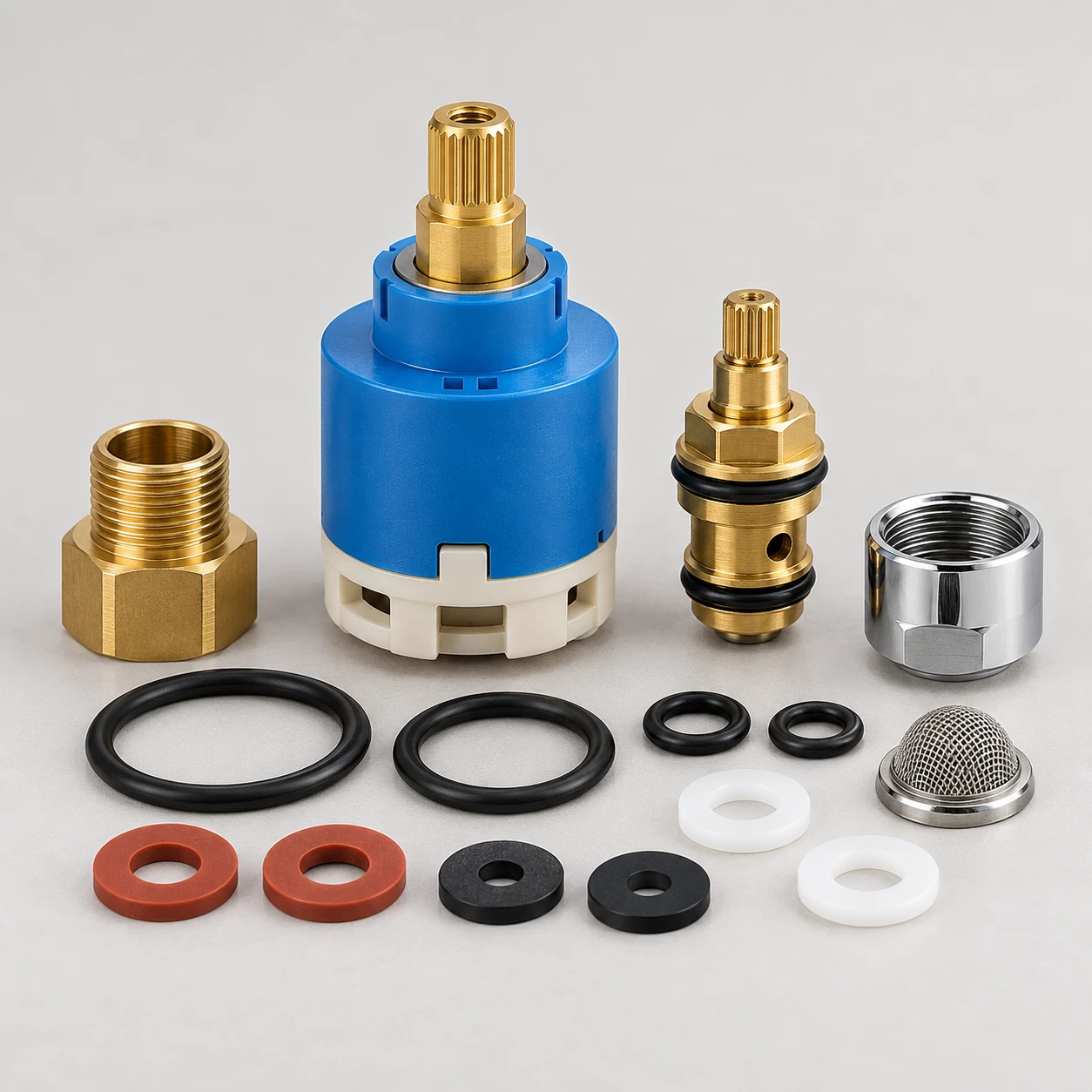
If the body is sound, a new cartridge or handle part can keep the tap going. If the finish is shot, threads are damaged or parts are no longer worth chasing, replacement is usually the cleaner answer.

Why Shop for Taps at ITS?

Whether you are after modern Bathroom Taps, hard working Kitchen Taps or straightforward replacements for maintenance jobs, we stock the range that gets real work done. It is all in our own warehouse, in stock and ready for next day delivery, so you can get the right tap on site without hanging about.

Taps FAQs

What are the 4 types of taps?

The four common ones you will see most are pillar taps, mixer taps, monobloc taps and bath shower mixer taps. In plain terms, pillar taps are separate hot and cold, mixer taps combine both feeds, monobloc taps are usually single hole mixers, and bath shower mixers add a diverter for the shower hose.

What is the difference between a mixer tap and a pillar tap?

A mixer tap blends hot and cold water through one spout, so it is easier to get the temperature where you want it. A pillar tap keeps the feeds separate with one hot and one cold tap, which is often simpler for older layouts and straight swaps.

How do I choose the right tap for low water pressure?

Check the tap's minimum operating pressure before you buy it. That is the bit that matters. If the property is gravity fed or known to have weak flow, pick a tap specifically suited to low pressure or you risk fitting something that only trickles.

Will these taps fit my existing sink or basin without extra work?

Only if the fixing holes match. One hole setups need a mono style tap, while two hole layouts suit pillar or certain bridge style taps. Check the hole count, centres and clearance behind the sink before ordering, especially on replacement jobs.

Are modern taps a pain to fit in tight cupboards?

Some can be, especially under deep kitchen sinks or small vanity units. Long tails, awkward back nuts and poor access make the job slower, so it pays to check the fixing method and have the right access tools ready before you start.

Can I just replace the cartridge instead of changing the whole tap?

Yes, often you can, if the body is still sound and the parts are available. If the finish is poor, the threads are tired or the tap has multiple issues, a full replacement is usually the better use of time.

Read more