Central Heating
Central heating covers the parts that keep water moving, rooms warm, and breakdowns sorted without dragging a simple repair into a full call-back.
When you're swapping failed valves, sorting a cold radiator, or replacing worn boiler parts, this is the kit you reach for. Good central heating supplies save time on fault finding and make installs, repairs, and servicing cleaner and more straightforward. From Radiators and Radiator Valves to Thermostats, Central Heating Accessories, and the Plumbing Tools that help fit them, it pays to buy the right part first time. Check the spec, match the thread or connection, and get the job moving.
What Is Central Heating Used For?
- Replacing failed central heating parts during breakdown callouts, whether that is a leaking valve, a tired thermostat, or a worn fitting that is stopping the system working properly.
- Upgrading old central heating supplies on refurb jobs, so plumbers can fit more efficient controls, tidy up pipe runs, and get heat moving evenly through the property.
- Sorting cold spots and poor heat output by changing faulty radiator valves, balancing components, and other boiler parts that affect circulation and control.
- Finishing new installs in houses, flats, and small commercial jobs where the right central heating accessories uk fit-out helps avoid snagging and repeat visits.
- Handling routine servicing and maintenance work, where having the common spares to hand stops a small heating fault turning into a wasted day and an unhappy customer.
Choosing the Right Central Heating
Sorting the right central heating parts is simple: match the part to the fault, the system, and the connection before you buy anything.
1. Start with the Actual Failure
If the issue is a radiator not heating, do not just throw random central heating supplies at it. Check whether it is a valve, airlock, control issue, or circulation fault first. The right diagnosis saves time and stops needless call-backs.
2. Match Threads, Sizes, and Connections
If you are changing valves, tails, or fittings, make sure the thread and pipe size are right for the system already in place. A part that is nearly right still leaves you draining down twice and wasting half the day.
3. Think About the System Type
If you are working on an older domestic setup, the common replacement part may differ from what you would fit on a newer sealed system. Check compatibility with the boiler, controls, and emitter setup before ordering boiler parts.
4. Buy the Bits That Finish the Job
Do not order the main component on its own if the job also needs olives, tails, fixings, bleed points, or matching accessories. Most delays on heating jobs come from one missing fitting, not the main part.
Who Uses These on Site?
- Heating engineers use central heating supplies every day for boiler swaps, control upgrades, and fault finding when a system is not heating evenly or responding properly.
- Plumbers reach for these central heating parts on first and second fix jobs, especially when fitting radiators, changing valves, or tying new pipework into an existing system.
- Maintenance teams keep common boiler parts and central heating accessories close by for tenanted properties, schools, and commercial buildings where a quick repair matters more than a return visit.
- Property refurbishment crews and bathroom fitters often need these parts when moving pipe runs, replacing room controls, or updating tired systems during wider renovation work.
The Basics: Understanding Central Heating
Central heating is just a controlled loop of heated water, but knowing which part does what makes fault finding and buying replacements far easier.
1. Heat Source and Circulation
The boiler heats the water, and the system moves it round the property. If circulation is poor, you get cold radiators, uneven heating, and rooms that never warm up properly.
2. Controls and Valves
Thermostats, valves, and related central heating accessories control where heat goes and when. When one of these fails, the system can still run, but usually not where or how the customer wants it.
3. Emitters and End Points
Radiators are where the heat ends up in the room. If the radiator, valve, or connection is wrong, leaking, or partially blocked, the whole system feels faulty even if the boiler itself is working fine.
Central Heating Accessories That Save Time on the Job
A few small add-ons usually make the difference between a clean one-visit repair and another trip back.
1. Bleed Keys and Vent Tools
Keep these close when you are changing radiators or sorting poor heat output. They save you hunting round site for something to crack a vent with, and they make balancing and recommissioning much quicker.
2. Valve Tails and Matching Fittings
This is the bit people forget. If you are changing radiator valves and the old tail is chewed up or seized, having the right replacement stops the whole job grinding to a halt.
3. Inhibitor and System Treatment
When you have drained down or opened an older system, putting it back without treatment is asking for sludge and corrosion trouble later. It is a simple add-on that helps protect the boiler parts and radiators you have just fitted.
Choose the Right Central Heating for the Job
Use this as a quick guide before you order replacement parts.
| Your Job | Category or Type | Key Features |
|---|---|---|
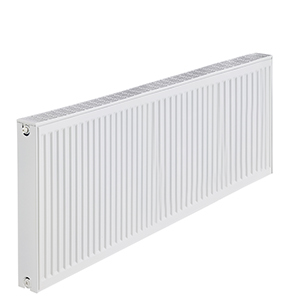
| Replacing a cold or leaking room heater | Radiators | Correct output, right size, proper connection points, and a finish suited to the room or site spec. |
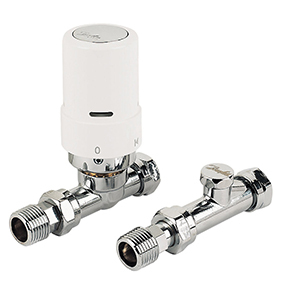
| Changing a seized or dripping control point | Radiator Valves | Match the pipe size, valve orientation, thread, and whether you need manual or thermostatic control. |
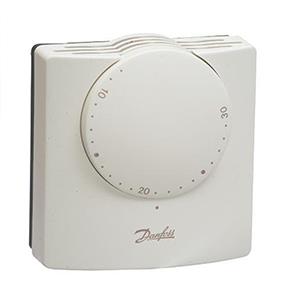
| Upgrading room or system control | Thermostats | Choose the right control type, wiring arrangement, and compatibility with the heating setup already fitted. |
| Finishing repairs and recommissioning | Central Heating Accessories | Look for bleed tools, fittings, tails, and treatment products that stop snagging and repeat visits. |
| Installing or removing parts cleanly | Plumbing Tools | Use the right grips, cutters, and service tools to avoid rounded fittings, leaks, and damaged pipework. |
Common Buying and Usage Mistakes
- Buying a replacement part by eye instead of checking the exact size and connection usually ends with leaks, poor fit, or a second drain-down. Measure first and match the fitting properly.
- Assuming the boiler is at fault when a room stays cold wastes time and money. Quite often the real problem is a stuck valve, trapped air, poor balancing, or blocked circulation elsewhere in the system.
- Changing one visible part without checking the condition of the tail, vent, or related fitting is a common mistake. If the surrounding bits are worn as well, you are likely to be back fixing the same area again.
- Forgetting inhibitor after draining or altering the system is asking for corrosion and sludge later on. Refill it properly and protect the new parts you have just put in.
- Turning up without the proper plumbing tools can wreck fittings and slow the whole job down. The right grips and service tools are cheaper than replacing damaged valves and pipework.
Manual Valves vs Thermostatic Valves vs Smart Controls
Manual Valves
These are the straightforward option for simple systems and basic replacements. They do the job, cost less, and suit rooms where fine control is not a priority, but they do not regulate heat automatically.
Thermostatic Valves
Best for domestic rooms where you want the radiator to control itself once set. They help balance comfort and efficiency better than manual valves, but you still need the right fit and orientation for the pipework.
Smart Controls
These suit upgrades where customers want tighter scheduling and better control over heating zones. They offer more flexibility, but only if they are compatible with the existing boiler and wiring setup.
Maintenance and Care
Check for Leaks After Any Change
Once you have fitted new central heating parts, refill and test properly. A tiny weep around a valve or tail soon turns into stained walls, upset customers, and another visit.
Bleed and Balance the System
Even good parts will look bad if the system is full of air or badly balanced. Bleed radiators fully and check heat across the run so the job is actually finished when you leave.
Protect the Water Quality
Use the right treatment after draining down or replacing components. Clean water and inhibitor help stop sludge, corrosion, and early wear in valves, radiators, and boiler parts.
Store Spare Parts Properly
Keep seals, small fittings, and controls dry and boxed, not loose in the van. Damaged threads, lost olives, and knocked-about packaging make a simple repair harder than it needs to be.
Replace Worn Parts Before They Fail Fully
If a valve is stiff, a control is unreliable, or a fitting is already showing corrosion, change it before it strands the customer without heat. Preventive swaps are usually quicker than emergency callouts.
Why Shop for Central Heating at ITS?
Whether you need everyday central heating supplies, replacement boiler parts, valves, controls, or finishing accessories, we stock the full range for real repair and install work. It is all held in our own warehouse, in stock, and ready for next day delivery so you can get the right part on site without hanging about.
Central Heating FAQs
What central heating products does ITS stock?
ITS stocks a broad range of central heating supplies including radiators, radiator valves, thermostats, central heating accessories, and common boiler parts. It is the sort of range you need for repairs, upgrades, servicing, and full heating fit-outs without bouncing between suppliers.
What are the most common central heating parts that need replacing?
The usual suspects are radiator valves, thermostats, vents, tails, and other connection fittings that start leaking, sticking, or failing to control heat properly. On older systems, some boiler parts and smaller central heating accessories also wear out from sludge, corrosion, or plain age.
Do I need to match central heating parts exactly to the system?
Yes. Close enough is not good enough with heating parts. You need to match thread, size, connection type, and system compatibility properly or you will end up with leaks, poor performance, or a part that simply will not fit.
Are these central heating supplies mainly for new installs or repair work?
Both, but a lot of this range earns its keep on repair and upgrade jobs. If you are replacing failed controls, sorting a leaking radiator valve, or refreshing an older system during a refurb, these are the parts you actually need on the van.
Can I sort a cold radiator just by replacing the valve?
Sometimes yes, but not always. A cold radiator can be down to a stuck valve, trapped air, poor balancing, or sludge in the system. Change the valve if it is clearly faulty, but check the rest of the setup first so you do not misdiagnose it.