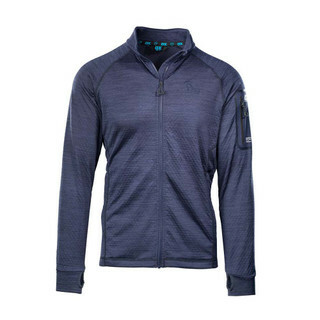
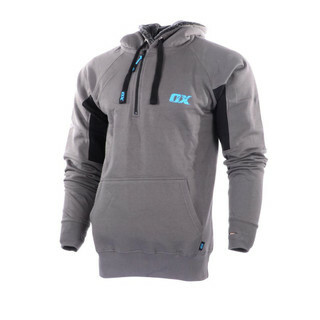
OX Tools Hoodies, Fleeces & Sweatshirts
OX work hoodie, fleeces and sweatshirts are built for cold starts, rough site wear and daily layering without bunching up under a jacket.
If you're on first fix in an open shell, loading out in the yard, or snagging in a cold plot, this is the sort of layer that earns its keep. OX kit is made for trades who need warmth without losing movement, with proper cuffs, decent weight fabric and fits that still work under coats. Browse OX Work Hoodies, OX Work Fleeces and sweatshirts, then match them with OX Work Clothes that can handle the same abuse.
What Are OX Work Hoodies, Fleeces and Sweatshirts Used For?
- Layering up for early starts on brickwork, first fix or roofing jobs where the temperature is low but you still need your arms free for lifting, cutting and fixing.
- Working in open plots, warehouses and half-finished extensions where an OX work fleece keeps the chill off without the bulk of a full coat.
- Loading the van, shifting materials and doing yard jobs where an ox jumper takes daily rubbing from straps, boards and tool bags better than a thin casual top.
- Using as a mid-layer under OX Coats, Jackets and Bodywarmers when the weather turns and you need warmth that does not feel restrictive.
- Keeping presentable for merchant runs, client visits and small maintenance callouts where a clean ox sweatshirt looks tidy but is still site-ready.
Choosing the Right OX Work Hoodie
Sorting the right layer is simple: match it to the weather, the trade and what you wear over the top.
1. Hoodie, Fleece or Sweatshirt
If you want a grab-and-go layer for cold starts and general site wear, go with an ox work hoodie. If you need lighter warmth under a jacket, an ox work fleece usually layers better. If hoods get in the way on your job, an ox sweatshirt keeps things simple.
2. Pullover vs Zipped
If you are in and out of the van or moving between inside and outside work all day, an ox zipped hoodie is easier to vent and remove. If you want maximum warmth with less faff and no zip pressing under a harness or jacket, stick with a pullover.
3. Weight for the Season
Do not buy the heaviest top going if you are mostly working indoors. For active trades in mixed conditions, midweight kit usually gets worn more. If you are outside all day on site, an ox heavy duty hoodie makes more sense, especially through autumn and winter.
4. Fit for Layering
If it is going under a jacket or bodywarmer, leave enough room through the shoulders and arms so it does not bind when reaching up or carrying gear. If it is your main outer layer on dry days, a closer fit stops it feeling baggy and catching on things.
Who Uses These on Site?
- Chippies and general builders rely on an ox work hoodie for cold first-fix mornings because it keeps them warm while still moving easily when lifting sheet material, hanging doors or setting out stud.
- Sparkies and plumbers tend to keep an ox jumper in the van for lofts, plant rooms and unheated refurbs where a tee is not enough but a bulky coat just gets in the way.
- Groundworkers, landscapers and fencing teams use an ox work fleece as a practical outer layer on dry days because it takes the edge off the wind without feeling heavy when you are constantly on the move.
- Site managers, maintenance teams and snagging crews go for ox sweatshirts when they need something tougher than casual wear that still looks decent walking plots, doing checks and sorting small jobs through the day.
Extra Layers That Make These Work Harder
Get the layering right and your work top becomes far more useful across changing site conditions.
1. Base Layer Tees and Polos
A decent base layer stops you overheating and then cooling off too fast once the pace drops. Pair these with OX T-Shirts and Polo Shirts so you are not stuck working all day in a damp hoodie once the job warms up.
2. Jackets and Bodywarmers
When the weather turns, a hoodie or fleece on its own will not cut it. Throw a bodywarmer or jacket over the top and you keep your core warm without losing the freedom to bend, climb or work overhead.
3. Spare Work Layers
If you are on wet, dirty or dusty jobs, keep a second top in the van. It saves spending the rest of the day in soaked or plaster-covered kit and is worth it on long winter shifts.
Choose the Right OX Work Hoodie for the Job
Use this quick guide to sort the right layer for your working day.
| Your Job | Category or Type | Key Features |
|---|---|---|
| Cold first-fix mornings in open plots | Heavy duty pullover hoodie | Thicker fabric, warm hood, ribbed cuffs and enough room for layering underneath. |
| Van work and mixed indoor outdoor callouts | Zipped hoodie | Easy on and off, quick venting, practical for jobs where the temperature keeps changing. |
| Dry but chilly site work with plenty of movement | Work fleece | Light warmth, easy layering and less bulk under a coat or bodywarmer. |
| General trade wear where hoods get in the way | Sweatshirt or jumper | Simple fit, tidy look and fewer snags when working around harnesses, collars or outerwear. |
| Winter site rounds and snagging | Fleece plus outer jacket | Flexible layering, better wind protection and easier temperature control through the day. |
Common Buying and Usage Mistakes
- Buying purely on warmth and ignoring layering can leave you with a top that feels too bulky under a jacket. If you already wear outerwear most days, check the fit as a mid-layer first.
- Choosing a thin casual hoodie for trade work usually means baggy cuffs, poor shape retention and quicker wear. Go for proper site-ready fabric and construction if it is going to live in the van and on the job.
- Picking a hooded top for tasks where it catches on jackets or gets in the way under other kit can be a pain all day. If that sounds familiar, a sweatshirt or fleece is often the better shout.
- Only buying one work top in winter is false economy because wet weather, dust and muck soon make it unusable. Keep at least one spare layer ready for longer weeks.
- Washing work layers too hot or drying them hard every time can shorten the life of cuffs, hems and prints. Follow the care label and they will hold their fit better.
Hoodies vs Fleeces vs Sweatshirts
OX Work Hoodie
Best for general cold-weather site use, especially early starts and outdoor graft. You get warmth, a hood when the weather turns and a tougher all-round casual work layer, but it can feel bulkier under some jackets.
OX Work Fleece
Better for active jobs where you are constantly moving between indoors and out. Fleeces are lighter and layer well, but they are not usually the one you reach for in proper wind or rain without an outer shell.
OX Sweatshirt or Jumper
A solid choice when you want simple warmth with no hood getting trapped under collars or bodywarmers. Good for tidy everyday site wear, though it does not give the same weather cover as a hooded top.
Maintenance and Care
Wash Site Dirt Out Early
Do not leave plaster dust, adhesive or mud ground in for weeks. A regular wash keeps the fabric softer and stops dirt wearing the fibres down faster.
Check Cuffs and Seams
Cuffs, hems and pocket seams take most of the abuse. If they start opening up, repair them early before the top becomes a van-only spare.
Dry Properly Before Storing
If your hoodie or fleece gets soaked, dry it fully before chucking it back in the van or locker. Leaving damp kit bundled up is how you end up with stale smells and rough fabric.
Rotate Your Work Layers
Using the same top every day will wear it out quicker. Rotate between a couple of layers through the week and they will all last longer and stay more presentable.
Replace When Fit or Warmth Drops Off
Once cuffs lose shape, zips start failing or the fabric has gone thin at the elbows, it is time to retire it from main site use. At that point, keep it for dirty jobs and bring a newer one into the regular rotation.
Why Shop for OX Work Hoodies and Fleeces at ITS?
Whether you need a single ox work hoodie for winter starts or want to compare an ox work fleece, ox jumper and sweatshirt side by side, we stock the full OX range in one place. It is all held in our own warehouse, in stock and ready for next day delivery, so you can get the right layer on site without hanging about.
OX Work Hoodie and Fleece FAQs
What fabric blend and weight is used in OX work hoodies?
It varies by garment, so always check the individual product spec, but OX work hoodies are typically built from practical site-ready blends chosen for warmth, shape retention and everyday wear. The main thing to look for is whether the weight suits your job. Heavier fabric is better for outside winter graft, while midweight tops are easier if you are in and out of warm spaces all day.
Are OX work fleeces and jumpers pre-shrunk for repeated industrial washing?
Check the garment details first, because not every top is labelled the same way. In real use, the best approach is simple. Wash to the care label and avoid overcooking them in high heat drying if you want them to keep their size and shape. Even tough workwear will last longer if you do not punish it in the wash every week.
Do OX work hoodies feature reinforced cuffs and thumb loops?
Some do and some do not, so it is worth checking the product page rather than assuming. Reinforced cuffs are useful if you are always pushing sleeves up, carrying boards or wearing gloves all day. Thumb loops are handy for layering and keeping sleeves in place, but not everyone wants them, especially if they catch when pulling jackets on and off.
Is the hood on OX sweatshirts double-layered for cold weather protection?
On hooded styles, some models may use a thicker or double-layered hood, but not every garment in the range will be built the same. If you are buying for outside winter work, check the hood construction and fabric weight properly. A better hood does make a difference when the wind gets up, especially on exposed sites.
Will an ox work fleece do as an outer layer, or do I still need a jacket?
For dry, cool days, yes, an ox work fleece is usually enough on its own. If you are dealing with wind, drizzle or long periods standing about, you will still want a proper outer layer. Fleeces are for warmth and easy movement, not full weather protection.
Are these good enough for daily site wear, or are they more for light use?
They are built as proper workwear, so yes, they are meant for regular trade use. That said, no hoodie or sweatshirt is indestructible. If you are constantly dragging sleeves across blockwork, catching on shuttering or soaking them in muck, buy with that in mind and keep a spare in rotation.