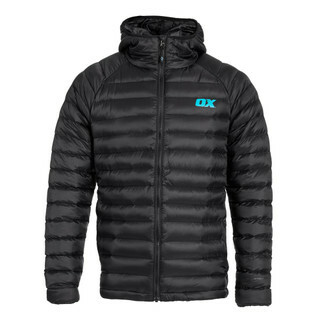
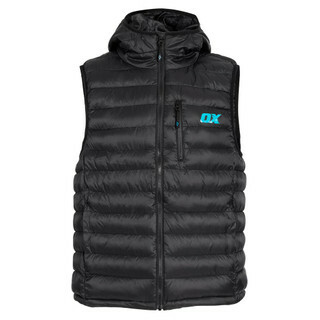
OX Tools Coats, Jackets & Bodywarmers
OX body warmer and jacket layers keep your core warm without slowing your arms down, ideal for cold starts, outside work, and jobs that need proper movement.
If you're loading out in the dark, fixing first fix outside, or working through a cold snap, this is the sort of layer that earns its place fast. An OX body warmer keeps the chill off your core without bunching at the shoulders, while an ox work jacket or ox gilet gives you extra cover when the weather turns. For winter layering, waterproof jobs, and daily site wear, this range is built for trades who need warmth, pockets, and kit that does not get in the way. If you want to compare OX Work Body Warmers with OX Work Jackets, this is the place to start.
What Are OX Body Warmers, Jackets and Gilets Used For?
- Working outside on first fix, roofing, fencing, or groundwork jobs where you need warmth across the chest and back but still need your arms free for lifting, cutting, and fixing.
- Layering over an OX Hoodies, Fleeces and Sweatshirts mid layer when the temperature drops on early starts, giving you extra insulation without feeling bulky under harnesses or hi vis.
- Keeping dry and presentable on snagging, maintenance, and van based jobs where an ox waterproof jacket or ox softshell jacket helps with light rain, wind, and repeated in and out of the vehicle.
- Sorting winter site wear for brickies, chippies, and sparks who need multi pocket storage for gloves, fixings, tape, phones, and small hand tools they want close by.
Choosing the Right OX Body Warmer or Jacket
Match the layer to the weather and the way you work, not just what looks decent on the hanger.
1. Body Warmer or Full Jacket
If you are active all day and constantly reaching, lifting, or working overhead, an ox body warmer or ox gilet usually makes more sense because it keeps your arms clear. If you are standing about more, working in exposed wind, or getting caught in rain, go for an ox work jacket.
2. Softshell, Fleece or Waterproof
If you need a daily outer layer for dry cold weather, a softshell is a solid shout because it gives you movement without feeling stiff. If warmth matters more than weather protection, an ox fleece works well as a mid layer. If the job will not stop for drizzle and wind, buy the ox waterproof jacket and save yourself a wet shift.
3. Pocket Layout
Do not ignore the pockets. If you carry gloves, phone, tape, fixings, and small tools through the day, pick the style with proper zipped or deep storage. A warm jacket is no use if everything keeps falling out every time you crouch down.
4. Fit for Layering
If it is going over a hoodie or fleece, give yourself room. A trim fit is fine over a tee, but on winter jobs you want enough space to move properly without the shoulders pulling tight when you are climbing ladders or reaching across a bench.
Who Uses These on Site?
- Chippies and roofers rate an ox body warmer for cold weather cutting and fixing because it keeps the core warm without the sleeves catching or fighting you on overhead work.
- Sparks and plumbers use an ox gilet on first and second fix when they are in and out of plots all day and need light warmth plus easy access to pockets and tools.
- Groundworkers, landscapers, and labourers reach for an ox work jacket when the weather turns and they need a tougher outer layer for wet, windy mornings on open sites.
- Maintenance teams and site managers keep one in the van for walkarounds, callouts, and handover checks when standing still in the cold gets uncomfortable fast.
Extra Kit That Makes OX Outerwear Work Harder
The right layers and footwear make a body warmer or jacket far more useful once the weather turns.
1. Hoodies, Fleeces and Sweatshirts
A proper mid layer stops you having to choose between too cold and too bulky. Throw one under your gilet or jacket and you get a setup that works from frosty starts through to midday without heading back to the van for another layer.
2. Safety Boots
Warm top half, soaked feet, miserable day. Pair your outerwear with OX Safety Boots so you are not losing comfort and grip the minute the ground turns wet or muddy.
3. Spare Work Layers
Having a second fleece or hoodie in the van saves you carrying on in damp gear after a shower or a sweaty morning. It is a simple fix, but it makes a long winter shift far easier.
Choose the Right OX Body Warmer or Jacket for the Job
Here is the straightforward way to sort the right layer for the weather and workload.
| Your Job | Category or Type | Key Features |
|---|---|---|
| Cold dry first fix and active site work | OX body warmer or ox gilet | Core warmth, free arm movement, light bulk, easy layering |
| Daily outside work in wind and light showers | OX softshell jacket | Flexible fit, wind resistance, better movement than heavier coats |
| Wet weather callouts and exposed site shifts | OX waterproof jacket | Rain cover, wind protection, outer shell for rough weather |
| Very cold mornings and stop start work | OX winter jacket | More insulation, fuller coverage, better when standing around between tasks |
| Extra warmth under outer layers | OX fleece | Mid layer comfort, added insulation, easy to wear under jackets and gilets |
Common Buying and Usage Mistakes
- Buying a body warmer when you really need waterproof cover is a common one. It will keep your core warm, but it will not replace a proper rain layer if you are out in steady weather all day.
- Choosing a jacket too tight for layering soon becomes a pain on winter jobs. If it has to go over a hoodie or fleece, leave enough room in the shoulders and chest so it does not restrict you when reaching or lifting.
- Ignoring pocket layout sounds minor until your phone, gloves, and tape have nowhere sensible to go. Check storage properly if you rely on having small kit close at hand.
- Using a full insulated jacket for high movement work can leave you overheating and fighting the sleeves. For active jobs, a gilet or lighter softshell often does the work better.
- Leaving wet kit screwed up in the van shortens its life fast. Dry it out properly after use or you end up with tired fabric, stale lining, and a jacket that never feels right again.
Body Warmers vs Softshell Jackets vs Waterproof Jackets
OX Body Warmer
Best when you need warmth without losing arm movement. It suits first fix, loading out, and jobs with plenty of reaching and lifting. It falls short in proper rain unless you have another layer ready.
OX Softshell Jacket
A good middle ground for daily wear. It gives you more weather protection than a gilet but still moves well on active jobs. It is the one many trades wear most, though it is not the first pick for sustained wet weather.
OX Waterproof Jacket
This is the practical choice when the forecast is rough or the site is wide open. It keeps the weather off better than lighter layers, but it can feel warmer and less free moving if you are flat out all day.
OX Fleece
Best used as a warmth layer rather than your only outer. It is ideal under jackets or body warmers on cold mornings, but on its own it will not cope with wind and rain like a proper shell will.
Maintenance and Care
Brush Off Dust and Debris
Do not let plaster dust, sawdust, and site muck build up in the fabric and zips. A quick brush down after work helps the material last longer and keeps pockets and fasteners working properly.
Dry It Properly
If your jacket or gilet gets wet, hang it up and let it dry before it goes back in the van. Stuffing damp workwear into a bag or footwell is the fastest way to ruin linings and leave it smelling rough.
Check Zips and Seams
Give the zip, cuffs, and pocket seams a look every so often, especially if you carry fixings or tools in them. Catching a small split early is cheaper than binning a jacket because the pocket has torn away.
Wash for the Fabric Type
Softshells, fleeces, and waterproof layers all want slightly different care, so do not just throw everything on a hot wash. Follow the label and avoid wrecking the finish that keeps the weather off.
Replace When It Stops Doing the Job
If the insulation is flat, the zip keeps failing, or the waterproofing has clearly had it, stop hanging on to tired kit. Workwear only earns its keep if it still keeps you warm, dry, and comfortable on site.
Why Shop for OX Body Warmers and Jackets at ITS?
Whether you need a light ox gilet for active site work, an ox work jacket for everyday wear, or a warmer outer layer from the wider OX Work Clothes range, we stock the lot. Our OX outerwear range is held in our own warehouse, in stock and ready for next day delivery, so you can get sorted without waiting about.
OX Body Warmer and Jacket FAQs
What are the advantages of wearing an OX work body warmer on site?
The main win is warmth without losing movement. You keep your core covered on cold starts, but your arms stay free for lifting sheets, reaching into studs, climbing ladders, or working overhead. It is a better shout than a bulky coat when you are moving all day.
Is the OX body warmer water-resistant and windproof?
Some OX outer layers will handle light rain and wind well enough for normal site use, but a body warmer is not a full waterproof replacement. For drizzle, cold gusts, and van to plot work it is usually fine. For sustained rain, step up to a proper waterproof jacket.
Does the OX body warmer feature multi-pocket storage for tools?
Yes, that is one of the practical reasons trades buy them. You can usually keep gloves, phone, tape, fixings, and small everyday bits close by. Just do not treat it like a tool belt. It is handy storage, not somewhere to overload with heavy gear.
How does an OX body warmer allow better arm mobility than a full jacket?
No sleeves means no drag at the shoulders, no cuffs catching, and less bulk when you are bending, reaching, or lifting overhead. On active jobs, that difference is noticeable by the end of the day, especially over a hoodie or fleece.
Is an ox gilet warm enough for winter site work?
Yes, if you use it properly. Over a base layer and fleece or hoodie, an ox gilet is spot on for active winter work. If you are standing around in exposed weather, you will usually want a full ox winter jacket instead.
Should I buy a body warmer or an ox work jacket?
Go with a body warmer if movement matters most and you are working hard enough to stay warm. Buy an ox work jacket if the weather is rougher or you need full arm cover. A lot of trades end up keeping both in the van because each suits different days.
Can I layer these with other OX workwear?
Yes, that is how most lads wear them. A fleece or hoodie underneath and a waterproof shell over the top gives you far more flexibility than relying on one thick jacket for everything.