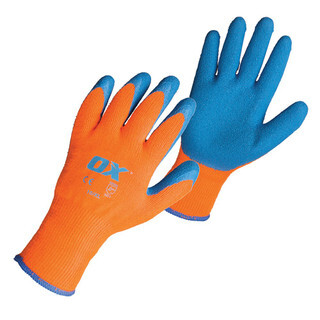
OX Tools Gloves
OX work gloves are built for the rough jobs gripping block, shifting sheet, pulling cable and keeping hands protected through long site days.
If your gloves split by break or go slick the minute they get wet, you bought the wrong pair. OX work gloves cover proper site use, from ox rigger gloves for hauling and handling to ox cut resistant gloves, ox thermal gloves and ox latex grip gloves for colder, sharper or messier work. If you already run OX PPE or OX Work Clothes, this is the hand protection to match. Pick the pair that suits the job and get on with it.
What Are OX Work Gloves Used For?
- Shifting blocks, timber, scaffold boards and bagged materials is where ox rigger gloves earn their keep, giving you enough protection to stop torn knuckles and chewed up palms on repetitive handling work.
- Handling trunking, duct, metal stud and sharp-edged sheet on first fix is where ox cut resistant gloves make sense, especially when you are feeding materials through tight runs or unloading packs in a hurry.
- Working through wet mornings, cold yards and winter fit-outs is easier with ox thermal gloves, which keep your grip usable when frozen hands would normally slow everything down.
- Gripping tools, fittings and awkward stock in dusty or damp conditions is exactly what ox latex grip gloves and coated ox safety gloves are for, stopping slips when you are loading out, fixing brackets or sorting materials on site.
- Cleaning up snagging areas, unloading deliveries and dealing with day to day site abuse is where general OX gloves come into their own, giving you a pair you can leave in the van or keep clipped to your belt for constant use.
Choosing the Right OX Work Gloves
Sorting the right pair is simple: match the glove to the material in your hand, not just the weather or the price.
1. General Handling vs Sharp Materials
If you are just loading materials, moving gear and doing general site handling, a standard ox safety glove or ox rigger glove will usually do the job. If you are working with metal edges, glass, trunking or sheet materials, go straight to ox cut resistant gloves and do not chance a lighter pair.
2. Grip Coating Matters
If the work is dusty, damp or constantly in and out of the van, coated gloves make life easier. OX Rubber and Latex Work Gloves are the ones to look at when you need extra hold on tools, pipe, fittings or slippery stock.
3. Cold Weather Changes Everything
If you are outside early, working in yards or on exposed jobs through winter, get ox thermal gloves. Thin gloves might feel less bulky at first, but once your hands go numb your grip and pace both drop off.
4. Do Not Go Too Thick for Fitting Work
If you need to pick up screws, set clips, handle fixings or work in tight spots, avoid bulky riggers. For finer jobs, a closer fitting synthetic or coated glove gives you far better control and stops you constantly pulling them off to finish the task.
Who Uses These on Site?
- Groundworkers, brickies and labourers reach for ox rigger gloves when they are shifting rough materials all day and need something that stands up to abrasion better than thin disposable pairs.
- Sparkies, dryliners and fitters use ox safety gloves for cable runs, studwork, tray, fixings and general first fix where grip matters but they still need enough feel to work quickly.
- Roofers, steel erectors and cladding teams swear by ox cut resistant gloves when they are handling sharp sheet, trims and brackets that would soon open up cheap gloves.
- Yard staff, delivery teams and maintenance crews keep ox thermal gloves close in winter because cold hands mean poor grip, slower work and more dropped kit.
- Plenty of trades pair them with OX Synthetic Work Gloves for lighter fitting jobs and keep heavier gloves in the van for loading, clearing and rough handling.
The Basics: Understanding OX Work Gloves
Gloves are not all doing the same job. The main thing is knowing whether you need abrasion protection, cut protection, weather protection or grip, because that decides what will actually work on site.
1. Rigger and General Handling Gloves
These are for rough carrying, unloading and day to day abuse. They protect palms and knuckles better than lighter gloves, but they are not the pair for fine fastening work or sharp sheet.
2. Cut Resistant Gloves
These are built for handling materials that bite back, like metal stud, ducting, trims or glass. The point is reducing the risk of cuts while still letting you grip and move material properly.
3. Coated and Thermal Gloves
Coated gloves improve hold on wet, dusty or smooth materials, which means fewer slips and better control with tools. Thermal gloves add insulation for cold conditions, helping you keep working without losing feel in your fingers by mid-morning.
Site Gear That Makes OX Gloves More Useful
Gloves work harder when the rest of your kit is set up properly and close to hand.
1. Tool Belts and Pouches
A decent pouch stops you pulling gloves off every five minutes to dig for fixings or hand tools. OX Tool Belts, Pouches and Rolls keep the bits you need on you, which saves time and saves the gloves from unnecessary wear.
2. Spare Pairs for Different Tasks
Keeping one pair for rough handling and another for finer fitting work stops you ruining your best gloves on the wrong job. It also means you are not stuck in wet or torn gloves halfway through the day.
3. Other Matching PPE
Hand protection only covers part of the risk. If you are cutting, grinding, lifting or clearing up, matching gloves with eye, knee and respiratory protection makes far more sense than sorting one hazard and ignoring the rest.
Choose the Right OX Work Gloves for the Job
Use this quick guide to sort the right glove before you start.
| Your Job | Glove Type | Key Features |
|---|---|---|
| Shifting blocks, timber and general site materials | OX rigger gloves | Reinforced palm, solid abrasion resistance, better protection for rough handling |
| Handling metal stud, sheet, duct and sharp stock | OX cut resistant gloves | Added cut protection, close fit, safer handling on sharper materials |
| Working in damp, dusty or slippery conditions | OX latex grip gloves | Textured coated palm, stronger grip, better control with tools and fittings |
| Cold weather site work and winter yard jobs | OX thermal gloves | Insulated lining, warmer hands, more reliable grip in low temperatures |
| Light fitting, fixing and repeated tool use | OX synthetic work gloves | Closer fit, better finger movement, less bulk for detailed tasks |
Common Buying and Usage Mistakes
- Buying one glove for every job is the usual mistake. A rigger glove might be fine for unloading, but it is the wrong choice for sharp sheet or fine fitting work, so keep the type matched to the task.
- Choosing gloves that are too big leads to poor grip, clumsy handling and more snags on materials. Get the fit right so the glove moves with your hand instead of folding up at the fingers.
- Using thin grip gloves for sharp metal or glass is asking for trouble. If the job involves edges that can cut, step up to proper cut resistant gloves rather than hoping a coated palm will be enough.
- Ignoring weather conditions slows the whole day down. Cold, wet hands lose feel fast, so use thermal or water resistant coated gloves when the forecast and job setting call for it.
- Running gloves until the coating is gone or the seams open up costs you grip and protection. Once the palms are smooth or the fabric starts letting go, replace them before they become a liability.
Rigger Gloves vs Cut Resistant Gloves vs Latex Grip Gloves
OX Rigger Gloves
Best for rough handling, unloading and general labouring where palms and knuckles take a beating. They are tougher for hauling and carrying, but they are bulkier and not ideal when you need finger feel for fixings or detailed fitting.
OX Cut Resistant Gloves
These are the safer pick for metal stud, sheet material, ducting and sharper stock. You get better protection against cuts while keeping more control than a heavy rigger, though they are not usually the warmest option for cold weather outside work.
OX Latex Grip Gloves
A good fit for damp, dusty or slippery jobs where secure hold matters more than heavy impact protection. They are handy for repeated tool use and general handling, but they are not the first pick for serious abrasion or sharp edges unless the spec says so.
Which One Should You Buy
If the job is rough and repetitive, go rigger. If the material is sharp, go cut resistant. If grip is the main issue, go latex or nitrile coated. Most trades are better off with more than one pair in the van rather than expecting one glove to cover everything.
Maintenance and Care
Brush Off Dirt Daily
Knock off dust, mortar, swarf and site muck at the end of the shift. Letting debris sit in the glove wears the fabric faster and makes grip coatings go smooth sooner.
Dry Them Properly
If gloves get wet, air dry them naturally before the next job. Leaving them bunched in the van overnight is how you end up with stiff, damp gloves that are miserable to wear and quicker to fail.
Check Palms and Fingertips
These are the first areas to go. Once the coating is worn flat or the fingertips start thinning out, the glove is no longer giving the grip or protection you bought it for.
Keep Different Gloves for Different Jobs
Using your finer fitting gloves for dragging blocks or scaffold gear ruins them early. Split your pairs by task and each one lasts longer and works better.
Replace, Do Not Nurse Them Too Long
Gloves are consumables on busy jobs. If seams open, palms polish out or protection is compromised, replace them rather than trying to squeeze another week out of a pair that has had it.
Why Shop for OX Work Gloves at ITS?
Whether you need ox safety gloves for day to day site use, ox rigger gloves for rough handling, or coated and thermal pairs for specific conditions, we stock the full OX range in one place. That means the right type, size and style without hunting around. It is all held in our own warehouse and ready for next day delivery, so you can get fresh gloves on site before the old pair gives up.
OX Work Gloves FAQs
What EN safety standards do OX work gloves conform to?
That depends on the glove, because OX makes different pairs for different risks. Check the product spec for the exact EN rating before you buy. For site use, you will usually be looking for standards covering mechanical risks such as abrasion, tear, puncture and cut resistance, rather than assuming every glove in the range is rated the same.
Which OX gloves offer cut-level protection for glass and metal handling?
The cut resistant OX gloves are the ones to look at for glass, sheet metal, stud and other sharp stock. Be honest about the material you are handling and check the cut rating on the individual glove. For lighter risk, a lower cut level may do. For regular metal handling, go higher and do not rely on general handling gloves.
Are OX latex and nitrile coated gloves water-resistant?
Yes, the coated palm and fingers will usually shrug off a fair bit of damp and splashing, which helps when materials or tools are wet. Just do not mistake that for fully waterproof. If the back of the glove is open knit, water can still get in from above or through prolonged exposure.
How do you select the right glove size for manual work?
Go for a fit that is snug across the palm and fingers without pinching. If the glove is loose at the fingertips, you lose control and snag more often. If it is too tight, it gets uncomfortable fast and splits sooner. For manual work, you want enough feel to grip tools properly but enough room to flex your hand all day.
Are OX work gloves tough enough for daily site use?
Yes, provided you buy the right type for the work. Rigging, loading and handling rough materials every day needs a tougher glove than light fixing or snagging. Used properly, OX gloves hold up well, but no glove will last if it is doing a job it was never built for.
Can I use one pair of OX gloves for every task on site?
You can, but it is usually a false economy. One pair will always be a compromise. Most trades are better with a rough handling pair and a second pair for grip or cut protection, depending on the work. It saves your hands and usually saves money in the long run as well.
Do OX thermal gloves still give decent grip?
Yes, the better pairs do, but they will never feel as fine as a thin coated glove. The trade off is worth it when you are outside in cold weather, because warm hands keep working properly. If the job needs detailed fastening work, keep a lighter pair nearby for those finer tasks.