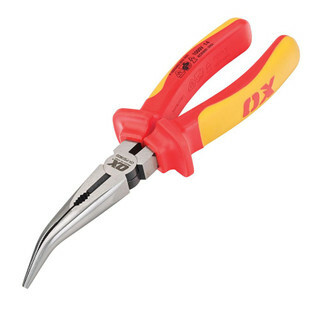
OX Tools VDE Cutting Tools
OX VDE cutting tools are built for safe, controlled cable work, from trimming tails to clean cuts on conductors and insulation during live-rated jobs.
If you're wiring boards, second fixing sockets, or tidying control panels, this is the sort of kit you reach for all day. OX VDE pliers and cutters are made for sparkies who need insulated grips, clean cutting edges, and handles that do not twist in the hand. You will find OX VDE Pliers and Cutters here alongside cable cutters and side cutters that suit day-to-day electrical work. If you already trust OX VDE kit, this is the range to sort your cutting tools properly.
What Are OX VDE Cutting Tools Used For?
- Cutting twin and earth, singles, and smaller cable cleanly during first fix, so you are not crushing conductors or leaving rough ends to fight with at termination.
- Trimming cable tails neatly inside consumer units, back boxes, and trunking runs where control matters more than brute force and a bulky cutter just gets in the way.
- Snipping cable ties, insulation, and light fixings during panel work, maintenance jobs, and fault finding where you need insulated cutters close to live-rated environments.
- Working through repeated cuts on site and in plant rooms where OX VDE side cutters and cable cutters save hand strain compared with using the wrong pliers for the job.
Choosing the Right OX VDE Cutting Tools
Sorting the right one is simple: match the cutter to the cable, not whatever happens to be nearest in the pouch.
1. Side Cutters vs Cable Cutters
If you are mainly trimming singles, fine wire, and cable ties, side cutters are the everyday option. If you are regularly cutting thicker cable, use proper cable cutters, because side cutters can flatten the cable and make a mess of the end.
2. Tight Access or General Site Work
If most of your work is inside consumer units, boxes, and panels, go for compact cutters that are easier to turn in tight spaces. If you are doing broader first fix and general install work, a fuller-sized pair gives you better leverage over a long day.
3. Single Tool or Set
If you are replacing one worn-out favourite, buy the exact type you use most. If you are building a fresh electrical kit, look at OX VDE Plier Sets so you have the right cutter, nose plier, and combination plier from the start.
4. Cutting Only or Prep Work Too
If your job also involves terminating and prep, do not stop at cutters alone. Pair them with OX VDE Strippers and Crimpers so you are not trying to bodge stripping or crimping with the wrong jaws.
Who Uses These on Site?
- Sparkies use OX VDE cutting tools every day for stripping back installs, trimming tails, and cutting conductors clean before termination, especially when working in crowded boards and boxes.
- Maintenance electricians keep a pair in the tool bag for callouts, testing work, and quick repairs where insulated cutters are safer and easier to control in tight spots.
- Controls and panel fitters swear by this sort of cutter for neat, accurate work inside enclosures, where a clean cut saves time dressing cables and avoids damaging adjacent wiring.
- Apprentices are better off starting with proper VDE cutters instead of making do with standard pliers, because the right jaws and insulated handles make cleaner work from day one.
The Basics: Understanding OX VDE Cutting Tools
With VDE cutting tools, the big thing is not just that they cut. It is that they let you work more safely around electrical installs and use the right jaw shape for the cable in front of you.
1. VDE Insulation
The insulated handles are tested for electrical work, which helps protect the user when working on or around live-rated systems. On site, that means a safer choice than standard pliers when electrical risk is part of the job.
2. Different Jaws for Different Cuts
Side cutters are for quick, precise trimming and general wire cutting. Cable cutters are shaped to slice through thicker conductors more cleanly, so the cable stays rounder and easier to terminate properly.
3. Control Matters as Much as Sharpness
A decent VDE cutter is not just about edge quality. It is about grip, leverage, and how well the tool behaves in a cramped box or panel, because slipping there costs time and can damage the work.
Useful Extras for OX VDE Cutting Tools
A couple of smart add-ons make these cutters far more useful across a full electrical day.
1. VDE Plier Sets
A set saves you from using one pair for every job and wrecking the cutting edges on work they were never meant for. Keep the right tool for gripping, snipping, and pulling so each one lasts longer.
2. Strippers and Crimpers
These stop you turning a cutting tool into a makeshift stripper or crimper. You will get neater prep, better terminations, and far less chance of nicking conductors before testing.
3. Tool Pouch or Organiser
Keep insulated cutters separate from rougher hand tools so the edges and handles do not get battered in the van. It also stops you wasting time digging for the right pair halfway through a board change.
Choose the Right OX VDE Cutting Tools for the Job
Use this quick guide to sort the right cutter for the work in front of you.
| Your Job | Category or Type | Key Features |
|---|---|---|
| Trimming singles, fine wire, and cable ties in boxes and panels | VDE Side Cutters | Compact head, precise jaws, quick one handed control, clean snips on lighter material |
| Cutting thicker conductors without crushing the cable end | VDE Cable Cutters | Rounded cutting action, better leverage, cleaner cable shape for termination |
| General electrical install and maintenance work | VDE Pliers and Cutters | Insulated handles, everyday carry size, suited to repeated site use |
| Starting a fresh tool kit or replacing several worn tools at once | VDE Plier Set | Core electrical hand tools together, matched insulation, better value than buying one by one |
Common Buying and Usage Mistakes
- Buying side cutters for heavy cable work is a common one, and it usually ends with flattened cable ends, hard going, and worn cutting edges. If you cut thicker conductors regularly, use proper cable cutters.
- Using VDE cutters as pry tools or for twisting hard fixings soon knocks the jaws out and damages the edges. Keep them for cutting work and use the right pliers for gripping and levering.
- Assuming any insulated-looking handle is VDE rated catches people out. Check the tool is actually made and marked for VDE electrical work, not just dipped in plastic.
- Letting cutters rattle loose with other tools in the van shortens their life fast. Store them properly so the insulated handles and cutting edges do not get chewed up.
- Trying to do stripping and crimping with cutters wastes time and risks damaging the cable. Carry the proper prep tools as well, especially on testing, termination, and panel jobs.
VDE Side Cutters vs VDE Cable Cutters vs Standard Pliers
VDE Side Cutters
Best for daily electrical trimming work, smaller conductors, and neat cuts in tight boxes. They are quicker and more precise than bulkier cutters, but they are not the right pick for thicker cable on repeat.
VDE Cable Cutters
These are the better option when you need to cut thicker cable cleanly without crushing it flat. They are less fiddly for fine snipping, but far better where cable shape matters for a tidy termination.
Standard Pliers
Standard pliers will grip and twist, but they are no substitute for insulated cutters on electrical work. They lack the proper cutting geometry for clean cable prep and do not give the same protection around electrical installs.
Maintenance and Care
Keep the Cutting Edges Clean
Wipe off dust, adhesive, and cable residue after use so the jaws keep biting properly. Dirty edges drag more and make rougher cuts.
Store Them Separate
Do not chuck insulated cutters in with masonry bits, screws, and rough steel tools. A pouch or organiser stops nicks to the handles and damage to the jaws.
Check the Insulation Regularly
Before electrical work, inspect the insulated handles for cuts, splits, burns, or heavy wear. If the insulation is damaged, retire the tool from VDE duty.
Do Not Force the Wrong Cut
Using smaller cutters on oversized cable wrecks the edges and strains the pivot. If the tool is fighting you every time, step up to the proper cutter type.
Replace Worn Tools Before They Cost You Time
Once the jaws chip, loosen, or stop cutting cleanly, you spend longer dressing every cable end. Replace them before they start spoiling terminations and slowing the job down.
Why Shop for OX VDE Cutting Tools at ITS?
Whether you need a single pair of OX VDE side cutters, dedicated cable cutters, or want to compare against the wider OX Cutting Tools range, we have the key types covered. We stock the full spread of OX VDE cutting tools in our own warehouse, ready for next day delivery so you can replace worn kit fast and get straight back on the job.
OX VDE Cutting Tools FAQs
What are VDE cutting tools?
VDE cutting tools are insulated hand tools tested for electrical work, designed to help protect the user when working on or around live systems. In real terms, they give you proper insulated handles and cutter shapes suited to cable, wire, and electrical install work rather than general grabbing and twisting.
Why do electricians use insulated cutters?
Because standard pliers are not enough when electrical risk is part of the job. Insulated cutters give you a safer tool for cutting conductors and working in boards, boxes, and panels, and they are usually easier to control properly in tight electrical spaces as well.
Are OX VDE cutting tools any good?
Yes, if you want practical site tools that cover everyday electrical cutting jobs properly. They are the kind of cutters that suit regular install and maintenance work, with insulated handles, solid grip, and jaw types that make more sense for sparkies than using general hand tools.
What voltage are VDE tools rated to?
VDE tools are commonly tested for work up to 1000V AC. That said, always check the marking on the individual tool and follow site procedures, because the rating only matters if the tool is undamaged and being used for the job it was designed for.
What is the difference between VDE and standard pliers?
The main difference is insulation and testing. VDE pliers are built and tested for electrical safety, while standard pliers are just general hand tools. On site, that means VDE tools are the right call for electrical install work, while standard pliers are better kept for non-electrical tasks.