OX Tools Trade Hammers & Mallets
OX Trade hammers are straightforward striking tools for site fixing, light demo and daily carpentry, with claw, lump and mallet options that earn their keep.
If you're pulling bent nails, tapping timber into line or knocking back blockwork, this is the end of the van you reach for first. The OX Trade hammer range is built for regular graft without overcomplicating it, covering the everyday OX Trade claw hammer, OX Trade lump hammer and OX Trade mallet jobs that come up on refurb, first fix and general site work. If you already buy OX Trade kit, these are the matching basics worth keeping close to hand.
What Are OX Trade Hammers Used For?
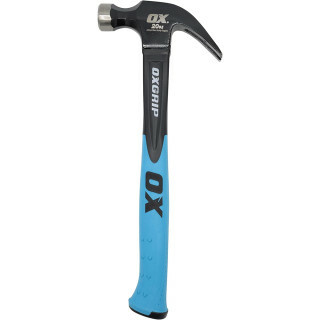
- Driving nails into stud, batten and sheet material on first fix jobs is where an OX Trade claw hammer earns its keep, giving you enough face weight for repeated striking without feeling clumsy in the hand.
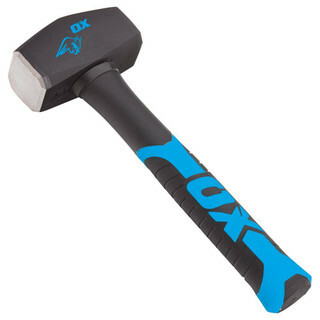
- Breaking up small sections of block, chasing out stubborn masonry and striking cold chisels is proper OX Trade lump hammer work, especially on snagging, alteration and light demolition jobs.
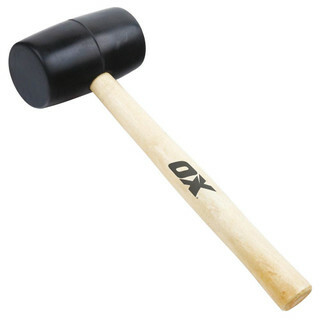
- Tapping paving, adjusting formwork and persuading materials into place without marking the surface is exactly what OX Trade mallets are there for on landscaping, joinery and finishing work.
- Pulling damaged fixings, lifting trim and sorting awkward nails during strip-out is easier with a claw hammer that can strike cleanly one minute and lever neatly the next.
- Keeping a few different striking tools in the van saves time on mixed jobs, because one minute you are fixing timber and the next you are knocking through or bedding materials in place.
Choosing the Right OX Trade Hammer
Sorting the right one is simple: match the head and weight to the job, not your guesswork.
1. Claw Hammer for Fixing Work
If most of your day is timber, sheeting, stud and general first fix, start with an OX Trade Claw Hammers option. It gives you the best all-round mix of driving power and nail pulling without carrying separate tools.
2. Lump Hammer for Striking and Breaking
If you are hitting chisels, breaking block or doing small demolition, go with OX Trade Lump Hammers. Do not use a claw hammer for masonry abuse if the job really needs a short, solid striking head.
3. Mallet for Mark-Free Adjustment
If the finish matters and you are positioning slabs, trim or joinery parts, look at OX Trade Mallets. They let you persuade materials into place without bruising edges or leaving steel marks behind.
4. Weight Matters More Than People Think
If you swing it all day, do not just buy the heaviest head on the shelf. A lighter claw hammer is easier on the wrist for repetitive fixing, while more weight makes sense when you need harder strikes and fewer blows.
Who Uses These on Site?
- Chippies use OX Trade claw hammers for first fix framing, shuttering and general timber work, because they need a hammer that drives cleanly and still pulls nails without chewing the job up.
- Brickies and general builders reach for lump hammers when they are knocking back block, striking bolsters or tidying up small demolition work without dragging a breaker over for a ten minute job.
- Groundworkers and landscapers keep mallets close for bedding slabs, adjusting edging and tapping work into line where a steel face would mark the finish.
- Maintenance teams and multi-trades tend to carry a mix of claw, lump and mallet patterns because day-to-day call-outs jump from joinery to masonry to fitting work with no warning.
- Anyone already buying OX Trade hand tools usually sticks with the same range for simple van stock that matches the rest of their everyday site kit.
Choose the Right OX Trade Hammer for the Job
Use this quick guide to avoid buying the wrong striking tool for the work in front of you.
| Your Job | OX Trade Hammer Type | Key Features |
|---|---|---|
| First fix timber, battening and nail pulling | Claw hammer | Curved claw for removal, balanced head, proper striking face for repeated fixing work |
| Small demolition, bolster work and block breaking | Lump hammer | Short handle, compact heavy head, solid control for hard strikes in tight areas |
| Bedding slabs and adjusting materials without marking them | Mallet | Softer striking face, better surface protection, cleaner adjustment on finished materials |
| General van stock for mixed snagging and maintenance | Hammer range mix | Covers fixing, removal, light breaking and controlled tapping across different site tasks |
Common Buying and Usage Mistakes
- Buying one hammer to do every job usually ends with poor striking, damaged materials or a sore wrist. Keep a claw hammer for fixing, a lump hammer for hard impact work and a mallet where the finish matters.
- Using a claw hammer for chisels or masonry work is a fast way to abuse the wrong tool. If you are striking steel or knocking out block, use a lump hammer built for that punishment.
- Choosing the heaviest head because it feels tougher often backfires on long shifts. More weight is useful for heavier strikes, but for all-day carpentry it can slow you down and tire your arm out.
- Ignoring handle grip and balance sounds minor until your hand is slipping in dust or rain. A hammer you can hold properly is safer and far less frustrating when you are working quickly.
- Striking finished timber, edging or slabs with a steel face leaves marks you then have to explain. Swap to a mallet before you damage the visible part of the job.
Claw Hammer vs Lump Hammer vs Mallet
Claw Hammer
Best for timber fixing, driving nails and pulling them back out during first fix or strip-out. It is the everyday choice for chippies and general builders, but it is not the right tool for striking chisels or breaking masonry.
Lump Hammer
Built for short, powerful blows on chisels, bolsters and small demolition work. It hits harder in confined spaces than a claw hammer, but it gives you no help at all with nail pulling or finer fixing tasks.
Mallet
The right pick when you need control without leaving steel marks on the work. Ideal for paving, joinery fitting and lining materials up, but not suited to proper demolition or heavy striking into hard surfaces.
Which One Should You Buy First?
If you are mainly on timber and general fixing, start with a claw hammer. If your work leans towards brick, block and alteration, add a lump hammer. If you fit or finish visible materials, a mallet stops costly marks and chips.
Maintenance and Care
Wipe Them Down After Dusty Work
Brick dust, wet mortar and site muck make handles slippery and can hold moisture against the head. A quick wipe at the end of the day keeps grip and finish in better nick.
Check the Face for Mushrooming or Damage
If the striking face is chipped, burred or flaring out, stop using it on steel tools until you sort it. Damaged faces can throw fragments and make clean strikes harder.
Store Dry, Not Loose in Wet Rubble
Leaving hammers buried in damp site waste or rolling around in the back of the van shortens their life. Keep them dry and somewhere you are not smashing the handles against other kit all week.
Replace Worn Mallets Before They Mark the Job
Once a mallet face starts splitting, hardening or picking up grit, it can scuff the very materials it is meant to protect. Change it before it ruins finished surfaces.
Retire Tools That Feel Loose or Unsafe
If the head or handle feels suspect, do not keep it in service just because it still sort of works. A hammer takes repeated impact, so any looseness is a sign to replace it.
Why Shop for OX Trade Hammers at ITS?
Whether you need a single OX Trade claw hammer for first fix, an OX Trade lump hammer for knock-through work or OX Trade mallets for cleaner fitting jobs, we stock the full OX Trade hammer range in one place. You will also find related kit in OX Trade and Job Specific Tools, all held in our own warehouse and ready for next day delivery.
OX Trade Hammers FAQs
What hammers are in the OX Trade range?
The OX Trade hammer range covers the everyday site staples, including claw hammers for timber fixing, lump hammers for hard striking and demolition, and mallets for controlled blows where you do not want to mark the work. It is the practical end of the range for regular trade use rather than specialist one-off tools.
What is the difference between OX Trade and OX Pro hammers?
OX Trade is aimed at solid everyday site work and straightforward value, while OX Pro normally pushes further on finish, spec or upgraded details depending on the tool. If you just need dependable van stock for daily jobs, OX Trade makes sense. If you are using it harder, longer or want the step-up model, OX Pro is where you look.
Are OX Trade hammers any good?
Yes, for day-in day-out trade use they are a sensible buy. They are built for the sort of work most site users actually do, like first fix, light demolition and general fitting, without paying over the odds for features you may not need. They are not magic, but they are proper working tools.
What weight claw hammer is best?
For general site carpentry, a mid-range claw hammer weight is usually the sweet spot because it drives nails well without beating your wrist up over a full shift. Go heavier if you want harder strikes and are not swinging it all day. Go lighter if speed, control and reduced fatigue matter more than outright hit.
What is a lump hammer used for?
A lump hammer is used for short, solid strikes on masonry and steel tools. Think striking a bolster, breaking block, knocking off stubborn material and doing small demolition work where a claw hammer is too light and the wrong shape for the job.
Will an OX Trade mallet mark finished surfaces?
Used properly, it is far less likely to mark the job than a steel hammer. That said, if the face is worn, dirty or full of grit, it can still scuff paving, trim or timber, so keep it clean and swap it out once the face starts going off.
Are these worth keeping as van stock for mixed jobs?
Yes. A claw hammer, lump hammer and mallet cover a lot of ground between them, from timber fixing and nail pulling to light demo and careful adjustment. On refurb and maintenance work especially, that mix saves a lot of walking back to the van.