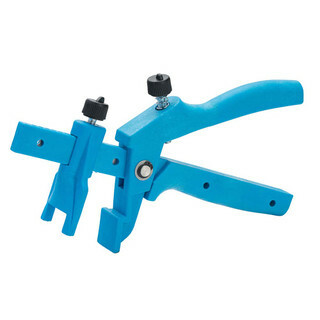
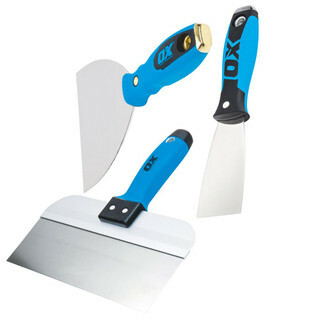
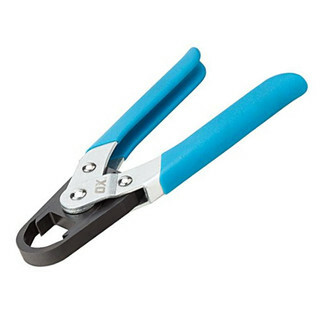
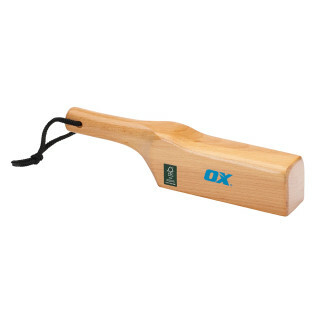
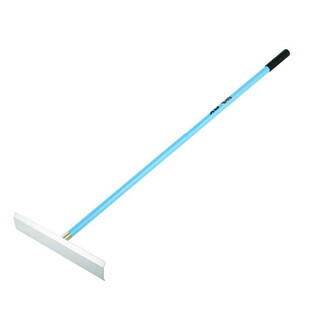
OX Tools Trade and Job Specific Tools
OX trade specific tools are built for proper site jobs, from dry lining and tiling to plumbing, roofing and flooring where standard hand tools slow you down.
If you're doing the same trade task day in, day out, general hand tools soon show their limits. This OX range is the sort of kit lads keep for one job and one job only because it works cleaner, quicker and with less faff. You'll find OX dry lining tools, OX plumbing hand tools, OX roofing tools and OX tiling hand tools built to stand up to daily graft, so pick the gear that matches your trade and get the job moving.
What Are OX Trade Specific Tools Used For?
- Cutting and fitting plasterboard, bead and access openings is where OX job specific tools earn their keep, giving dry liners cleaner edges and faster repeat work without making a mess of the board.
- Working on pipe installs, radiator swaps and awkward valve jobs is easier with plumbing tools shaped for grips, tightening and access where a standard adjustable just feels clumsy.
- Laying tiles, spreading adhesive and finishing joints properly calls for tiling tools that keep lines neat and bed levels consistent, especially when you are pushing through kitchens and bathrooms back to back.
- Repairing felt, trimming membranes and handling day to day roof prep is what roofing tools are for, especially when you need kit that will not twist, slip or feel flimsy up the ladder.
- Finishing floors, detail work and trade snagging jobs all go quicker when the tool is made for that one task instead of forcing a general hand tool to do a job it was never meant for.
Choosing the Right OX Trade Specific Tools
Sorting the right one is simple: match the tool to the trade task you do most, not the one odd job you might do twice a year.
1. Buy for the Repetitive Job
If you are dry lining every week, buy proper board and finishing tools instead of making do with general hand tools. If you only tile now and then, keep it basic, but if you are laying out rooms every day, dedicated tiling tools save time and give a tidier finish.
2. Think About Access and Working Position
If the job is in tight cupboards, behind baths or up on the roof, shape matters as much as strength. Pick tools that suit the space, because a solid tool you cannot position properly is still the wrong one.
3. Go by Finish as Well as Force
Some jobs need leverage, others need control. Plumbing and roofing often need grip and durability, while tiling and flooring need cleaner application and neater finish. Buy for the result you need at the end, not just the material you are working on.
4. Separate Your Trade Kit
If a tool only comes out for one type of work, keep it in that trade bag. It sounds obvious, but lads lose time every week hunting specialist kit because it has been mixed in with general hand tools and site odds and ends.
Who Uses These on Site?
- Dry liners and partitioning teams use these for repetitive board cutting, fitting and finishing work where speed matters and rough edges just mean more patching later.
- Plumbers keep the trade specific bits close for tightening, cutting and access jobs in cupboards, plant rooms and behind sanitaryware where full size tools are a nuisance.
- Roofers reach for them when working with membranes, coverings and repair details because the right shape and grip makes a big difference once you are working at height.
- Tilers and floor layers use job specific tools to keep adhesive spread, spacing and finish under control, especially on refurb work where bad prep shows up straight away.
- General builders and snagging teams also carry selected pieces for the awkward little jobs that need more than a standard hammer and screwdriver set.
Useful Extras That Keep Trade Specific Tools Working
A few sensible add ons make specialist hand tools easier to carry, protect and keep accurate on site.
1. Tool Bags and Organisers
Keep trade specific tools separate from your general kit. It stops smaller specialist pieces going missing in the van and means you are not digging around for one plumbing or tiling tool halfway through the job.
2. Replacement Blades and Cutting Spares
If your dry lining or roofing tool relies on a sharp edge, carry spares. A blunt blade tears materials, slows you down and leaves you fixing damage that should never have happened.
3. Knee Pads
For flooring, tiling and low level fitting work, decent knee pads are not optional. They save your joints on long days and help you stay steady when you need a neat, controlled finish.
Choose the Right OX Trade Specific Tools for the Job
Use this quick guide to sort the right type of specialist tool for the work in front of you.
| Your Job | Category or Type | Key Features |
|---|---|---|
| Board fitting, trimming and partition work | Dry lining tools | Clean cutting, controlled shaping, faster repeat work and less damage to plasterboard edges |
| Pipe fitting, tightening and awkward access plumbing | Plumbing tools | Better grip, tighter access and shapes that work behind sinks, baths and boxed in pipework |
| Setting tiles, spreading adhesive and finishing joints | Tiling tools | Consistent spread, cleaner lines and better control over bed depth and finish |
| Roof repair, membrane work and trim detail | Roofing tools | Secure grip, durable edges and tool shapes suited to work at height and exposed conditions |
| Floor prep, fitting and low level finishing | Flooring tools | Controlled application, neater finish and tools built for repeated kneeling and detail work |
Common Buying and Usage Mistakes
- Buying general hand tools instead of trade specific ones for repetitive work usually costs more time than it saves in money. If you do the same task every week, buy the tool made for it.
- Choosing by price alone often leaves you with a tool that feels wrong in the hand or does not suit the job properly. Check the task first, then the shape, grip and working angle.
- Using specialist tiling or dry lining tools with worn blades or damaged edges ruins the finish and creates extra snagging. Keep cutting edges fresh and replace parts before they start tearing materials.
- Mixing specialist kit in with general van tools is how bits get bent, lost or left on the last site. Keep job specific tools stored together so they are ready when that trade work comes in.
- Assuming one trade tool will cover every related job leads to frustration. A plumbing tool made for access is not the same thing as one built for leverage, so buy around the real use, not the label.
Trade Specific Tools vs General Hand Tools vs Multi Use Site Tools
Trade Specific Tools
These are the ones you buy when the same task keeps turning up and you are fed up making do. They are best for cleaner finishes, quicker repeat jobs and less strain when the work is genuinely trade led.
General Hand Tools
Fine for basic site work and odd jobs, but they can be slow and clumsy on specialist tasks. If you only need a one off fix, they will get you through, but they are not the sharpest option for dedicated plumbing, roofing or tiling work.
Multi Use Site Tools
These suit builders and maintenance teams who need flexibility more than finish. They save space in the van, but when accuracy or speed matters, proper OX job specific tools usually come out on top.
Maintenance and Care
Clean Off Adhesive, Dust and Debris
Do not leave tile adhesive, plaster dust or roofing residue sitting on the tool after work. Clean it off while it is still easy to shift or you will blunt edges and affect accuracy next time out.
Keep Cutting Edges Sharp
Blunt blades and worn cutting faces tear materials instead of working cleanly. Replace or sharpen them early, especially on dry lining and roofing kit where finish and speed both depend on a keen edge.
Store Specialist Tools Separately
Keep your trade specific tools in their own box or bag rather than loose in the van. It stops knocks, bent parts and wasted time trying to find one specialist piece when you need it.
Check Handles and Grips
If the handle is loose, split or slick with old muck, sort it before the next shift. Good control matters more on specialist tools because you are usually doing detail work where slips show up straight away.
Replace When Accuracy Goes
A worn specialist tool is often more trouble than it is worth. If it no longer cuts clean, spreads evenly or grips properly, replace it instead of fighting through and making more work for yourself.
Why Shop for OX Trade Specific Tools at ITS?
Whether you need specialist kit for dry lining, plumbing, roofing, tiling or finishing work, we stock the full OX range in one place, including OX tiling hand tools and OX trowels. It is all held in our own warehouse, in stock and ready for next day delivery, so you can get the right tools on site without hanging about.
OX Trade Specific Tools FAQs
What are trade specific tools?
They are tools made for a particular trade task rather than general use. Think dry lining, tiling, plumbing, roofing or flooring jobs where the shape, edge, grip or size is built around doing that one task quicker, cleaner and with less effort.
What tools does OX make for specific trades?
OX makes a wide spread of job led hand tools for dry liners, plumbers, roofers, tilers and floor layers. That includes task specific cutting, finishing, fitting and handling tools made for proper day to day site work rather than occasional DIY use.
Are OX trade tools any good?
Yes, they are well regarded on site because they are built with trade use in mind and usually feel a step up from bargain shed tools. They are made to take regular graft, though like any tool, the right one for the job will always perform better than the wrong one bought cheap.
What is the difference between OX Trade and OX Pro?
In simple terms, OX Trade is the more everyday working range, while OX Pro generally steps up materials, finish or design details for heavier and more regular use. If the tool is in your hand all week, Pro is often worth a look. If it is for steady but less punishing use, Trade can be the sensible buy.
Where are OX tools made?
OX tools are a global brand, so manufacturing can vary by product line and category. The sensible thing is to judge the tool by the spec, build and how it feels for the job you do, rather than assuming every item comes from one single factory or country.