OX Tools Trowels
OX trowel range covers brick, plastering and finishing work with site-tough blades, solid handles and patterns that suit proper day-in, day-out graft.
If you're laying block, skimming walls or tidying awkward edges, the right OX trowel saves time and leaves a cleaner finish. You'll find ox plastering trowel, ox brick trowel, bucket, pointing and margin patterns here, with stainless options that stay straight and handles that sit well in hand through a full shift. If you're already building out your kit, it also makes sense to match up with OX bricklaying tools, OX plastering tools and OX tiling hand tools. Pick the shape that matches the material and the finish you need.
What Are OX Trowels Used For?
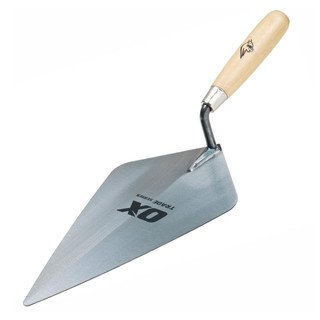
- Laying bricks and blocks is where an ox brick trowel earns its keep, giving you a clean scoop from the board, decent balance in hand, and better control when spreading mortar bed after bed.
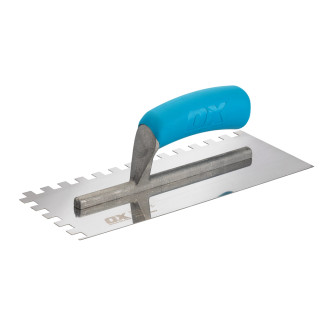
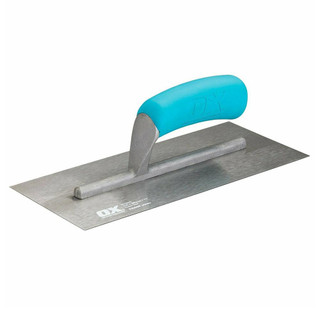
- Skimming plaster onto walls and ceilings is what an ox plastering trowel is built for, helping you flatten, polish and tidy up coats without the blade dragging or leaving rough marks behind.
- Working into tight reveals, corners and behind pipework is easier with margin and pointing patterns, where a bigger trowel is just clumsy and slows the whole job down.
- Shifting compound, render or adhesive from tubs and knocking up areas suits an ox bucket trowel, especially when you need to move material cleanly without wasting half of it down the side.
- Snagging small repairs, patching blown spots and finishing detail work on refurbs is where an ox trowel set comes in handy, because one shape never covers every awkward bit of the job.
Choosing the Right OX Trowel
Sorting the right one is simple: match the trowel to the material and finish, not just what looks familiar on the shelf.
1. Brick Trowel or Plastering Trowel
If you're laying bricks or blocks, go for an ox brick trowel with the right shape for picking up and spreading mortar fast. If you're skimming or finishing plaster, you need an ox plastering trowel with a flatter blade made for smoothing, not loading.
2. Full Size or Small Pattern
If most of your work is open walling or full skims, a full-size trowel is the right call. If you're forever working around corners, reveals, patch repairs or confined spots, add a pointing or margin trowel so you're not wrestling oversized kit.
3. Stainless Blade Matters
If the trowel is going out every day and getting cleaned on site, stainless is worth having. It resists rust better, keeps the blade looking right for longer, and saves you from dragging out a marked-up trowel for finish work.
4. Buy a Set if You Cover Mixed Work
If you only lay brick, buy the one pattern you know works. If you jump between brickwork, patch plastering and detail work, an ox trowel set gives you the useful sizes in one hit and stops you making do with the wrong blade.
Who Uses These on Site?
- Brickies use ox brick trowel patterns day in, day out for loading mortar, buttering joints and keeping courses moving without fighting a badly balanced blade.
- Plasterers and renderers reach for an ox plastering trowel when they need a blade that stays true across skims, float coats and finish work, especially on long wall runs.
- General builders and maintenance teams keep bucket, pointing and margin trowels in the van for patching, small repairs and awkward corners where larger hand tools are no use.
- Tilers and bathroom fitters often carry the smaller patterns for adhesive work, detail finishing and edge clean-up, alongside their main OX mixing paddles and site tubs.
Useful Extras to Keep Your OX Trowel Working Properly
A trowel is only as useful as the rest of the setup around it, especially when you're mixing, carrying and finishing material all day.
1. Mixing Paddles
Get your mix right before the trowel even touches it. OX mixing paddles help you avoid dry pockets, lumpy plaster and mortar that goes off unevenly across the wall.
2. Buckets and Tubs
A proper mixing tub or bucket saves mess and wasted material. OX buckets and tubs make it easier to load a bucket trowel cleanly and keep your work area under control.
3. Matching Trade Hand Tools
If you're building a full setup, matching in with OX bricklaying tools or OX plastering tools saves you mixing random patterns that do different jobs badly.
Choose the Right OX Trowel for the Job
Use this quick guide to sort the right pattern before you start.
| Your Job | OX Trowel Type | Key Features |
|---|---|---|
| Laying bricks and blocks all day | OX Brick Trowel | Mortar-carrying shape, balanced feel, solid handle and blade control for repeated spreading and joint work. |
| Skimming walls and ceilings | OX Plastering Trowel | Flat stainless blade, smoother finish, better for flattening and polishing plaster coats. |
| Pointing joints and small patch repairs | OX Pointing Trowel | Narrow blade for controlled filling in tight joints, edges and localised repair work. |
| Working in corners and behind obstacles | OX Margin Trowel | Compact profile for awkward access where a full-size trowel is too bulky to use cleanly. |
| Loading material from tubs and buckets | OX Bucket Trowel | Broad blade for scooping plaster, adhesive or mortar without wasting material round the sides. |
Common Buying and Usage Mistakes
- Buying one trowel for every task usually means poor results somewhere. A brick trowel is not a finishing trowel, and forcing it to do both jobs slows you down and leaves rough work behind.
- Choosing a large blade for tight detail work is a common headache. You end up marking surrounding surfaces and fighting the tool, so keep a pointing or margin trowel for corners and repairs.
- Leaving plaster or mortar to dry on the blade will shorten the life of any trowel. Clean it straight after use or you'll spend more time scraping and risk damaging the working edge.
- Ignoring handle comfort sounds minor until the end of a full shift. If the grip does not suit your hand, you feel it in the wrist and forearm long before the week is out.
- Using a worn or bent trowel for finish work is false economy. Once the edge is damaged or the blade has lost shape, keep it for rougher tasks and replace it for clean finishing.
Brick Trowels vs Plastering Trowels vs Pointing Trowels
OX Brick Trowel
Best for loading, carrying and spreading mortar on brick and block work. It is the right choice for speed and control on walling jobs, but it is not the tool for getting a polished plaster finish.
OX Plastering Trowel
Built for flattening and finishing plaster, skim and render coats. It gives a much cleaner surface than a brick pattern, but it is less useful when you need to scoop and place mortar repeatedly.
OX Pointing Trowel
Made for smaller joints, patching and detail work where accuracy matters more than volume. It is ideal for repairs and confined areas, but too narrow and slow for full runs of bricklaying or broad plastering.
OX Margin and Bucket Trowels
These are problem-solvers rather than all-rounders. Margin trowels help in corners and awkward spots, while bucket trowels shift material from tubs cleanly. Neither replaces your main working trowel, but both save time on fiddly jobs.
Maintenance and Care
Clean It Straight Away
Wash mortar, plaster or adhesive off as soon as the job is done. Once it hardens on the blade, it takes longer to remove and can mark the working face.
Dry Before Storage
Even stainless trowels should not be thrown back in the van soaking wet. Dry them down before storage to keep the blade and handle in better nick.
Protect the Blade Edge
Do not leave trowels rattling loose against other steel tools. A knocked edge or twisted blade is bad news for finish work and usually means a replacement sooner than needed.
Check the Handle Regularly
If the handle starts loosening or the grip gets damaged, deal with it early. A secure handle matters for control, especially when you are using the trowel all day.
Replace When the Blade Stops Working True
A tired old trowel might still move material, but once the blade is bent, pitted or badly worn, it will hold back the finish. Keep worn ones for rough work and use a fresh blade for visible jobs.
Why Shop for OX Trowels at ITS?
Whether you need an ox brick trowel for day-to-day walling, an ox plastering trowel for finishing work, or smaller bucket, margin and pointing patterns, we stock the full OX range in one place. It is all held in our own warehouse, ready for fast next day delivery, so you can replace worn kit or build out a proper trowel set without hanging about.
OX Trowel FAQs
What trowel styles are available from OX Tools?
OX Tools covers the main site patterns you would expect, including ox brick trowel, ox plastering trowel, bucket trowel, pointing trowel and margin trowel options. That means you can sort full bricklaying, skimming, patching and awkward edge work without making do with the wrong shape.
What material is used for OX Pro trowel blades?
Many OX Pro trowel patterns use stainless steel blades, which is what most trades want for regular use. It resists rust better, cleans up easier after plaster or mortar, and holds up well when the trowel lives in the van and goes out on site every day.
What is the benefit of the OX Duragrip handle on trowels?
The OX Duragrip handle is there to make long shifts easier on the hand. It gives a more secure hold when your gloves are damp or your hands are dusty, and it helps with comfort and control when you are spreading material for hours rather than minutes.
How do you care for and clean an OX stainless steel trowel?
Clean it straight after use with water and a cloth or soft brush before the material sets hard. Dry it before it goes back in the van or box, and keep the blade from getting knocked against other tools so the edge stays true for finish work.
Is an OX trowel set worth it, or should I buy one at a time?
If you only do one type of work, buy the main trowel you use every day. If you switch between brickwork, patch repairs and finishing details, an ox trowel set is the sensible buy because it covers the usual jobs without leaving you short on site.
Will these trowels stand up to daily site use?
Yes, they are made for proper trade use, not light weekend jobs. As long as you clean them down, do not abuse the blade edge, and store them properly, they will put up with day-to-day site work well.