OX Tools TOOLTREK Tool Boxes & Organisers
OX Tooltrek tool boxes keep site kit stacked, locked and easy to move, with modular storage that suits fixings, hand tools, power tools and daily van use.
If you're sick of loose gear sliding round the van or wasting ten minutes hunting for the right fixings tub, this is the sort of storage that earns its keep. OX Tooltrek organisers and boxes are built for trades that want modular kit that clips together properly, carries the weight, and stands up to daily site abuse. Start with the box size you use most, then build a stack that fits how you actually work.
What Are OX Tooltrek Tool Boxes Used For?
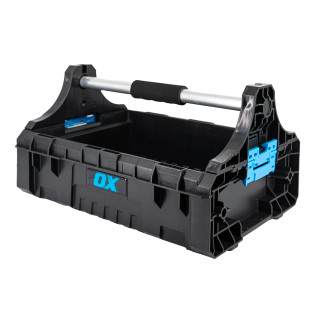
- Loading out a van for first fix is quicker when your drills, fixings, blades and hand tools are split across OX Tooltrek tool boxes instead of buried in one deep crate.
- Working room to room on snagging and maintenance jobs is easier when OX Tooltrek organisers keep small parts separated so you are not tipping everything out on a customer's floor.
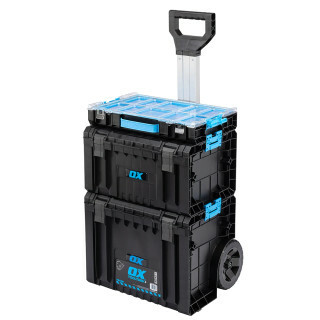
- Shifting gear across larger sites is simpler when a modular OX Tooltrek storage box setup locks together and moves as one stack rather than three loose boxes in your hands.
- Keeping specialist kit protected between jobs matters for sparks, plumbers and fitters, and an OX Tooltrek case gives test gear, consumables and delicate bits a safer place than the van shelf.
- Sorting day to day site storage is easier when you match an OX Tooltrek modular box to the job, using shallow organiser space for fixings and deeper boxes for bulkier tools and batteries.
Choosing the Right OX Tooltrek Tool Boxes
Sorting the right one is simple: match the box to what you carry most days, not the one-off job you do twice a year.
1. Deep Boxes for Tools, Shallow Organisers for Parts
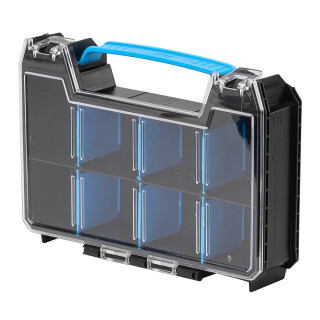
If you mainly carry combi drills, impacts, batteries and bulk hand tools, go deeper. If your time gets lost hunting screws, clips, connectors or blades, pick OX Tooltrek organisers first and keep the small stuff visible.
2. Mobile Stack or Grab and Go
If you are parking up and walking across site, a stack with wheels makes more sense than carrying separate boxes. If you are in and out of occupied properties all day, a lighter single box or compact case is usually less hassle.
3. Drawers for Daily Access
If you keep opening the same box for fixings and consumables, look at OX TOOLTREK toolboxes with drawers. They save unpacking the whole stack just to get at the bits you use every hour.
4. Build the Stack Around Your Trade
Sparks and fixers usually get the best from OX TOOLTREK toolboxes with organisers, while fitters carrying heavier kit often want bigger boxes or OX TOOLTREK toolboxes with wheels to save their back on longer walks.
Who Uses These on Site?
- Sparkies use OX Tooltrek organisers to keep connectors, clips, glands and small fixings sorted for first fix and board change work, instead of rattling round loose in the van.
- Plumbers and heating engineers rate this sort of modular storage for fittings, olives, valves and hand tools, especially when they are carrying kit through occupied houses and want one clean stack.
- Chippies and kitchen fitters use deeper OX Tooltrek tool boxes for drills, drivers, holesaws and site bits, with organiser lids helping keep screws and brackets where they belong.
- Maintenance teams and snaggers swear by modular box systems because they can build one loadout for electrics, one for plumbing and one for general repairs, then grab only what the job needs.
- Site supervisors and van-based trades also lean on OX TOOLTREK when they want storage that stacks neatly, travels properly and cuts down wasted time looking for gear.
The Basics: Understanding OX Tooltrek Modular Storage
The main point of this system is not just storage. It is getting your gear organised so it stacks, locks together and moves as one load instead of a pile of separate boxes.
1. Modular Means Stackable
Each OX Tooltrek modular box is made to work as part of a bigger setup. That means you can build from a single box into a full stack for tools, fixings and consumables without everything shifting apart in transit.
2. Organisers Keep Small Parts Usable
The organiser side of the range is there for all the small gear that normally gets lost or mixed together. For site work, that means less rummaging and fewer wasted trips back to the van for parts you already had.
3. Cases and Boxes Do Different Jobs
A case is better for smaller kits, test gear or delicate bits you want contained. A tool box is better for heavier tools and general loadout. If you need a lighter carry option for certain jobs, look at OX TOOLTREK tool cases.
OX Tooltrek Additions That Make the Stack Work Harder
The right extras stop you fighting your own storage system once the job gets busy.
1. Organiser Boxes
Add organiser units if your fixings, clips, terminals or blades keep ending up in the bottom of a deep box. They save the usual mess of mixing expensive consumables with general hand tools.
2. Wheeled Base Units
If your stack is getting heavier every month, wheels are the obvious fix. They save carrying a full load across site and stop your arms being done before you even start work.
3. Drawer Units
Drawer modules are worth it when you need regular access to fixings and small tools through the day. No more unstacking the lot just to grab a box of screws or a set of connectors.
Choose the Right OX Tooltrek Tool Boxes for the Job
Use this quick guide to match the storage type to how you actually work.
| Your Job | OX Tooltrek Type | Key Features |
|---|---|---|
| Daily first fix with lots of small fixings and connectors | Organiser boxes | Compartment storage, quick access, less mixing of small parts |
| Carrying power tools, batteries and heavier hand tools | Deep tool box | More internal space, better for bulkier kit, tougher everyday loadout |
| Working across larger sites or longer walks from the van | Wheeled modular box | Stack mobility, easier transport, less lifting strain |
| Snagging, service calls and repeated access to consumables | Drawer box | Fast access without unstacking, cleaner layout, better for regular small item use |
| Protecting smaller specialist kits or test equipment | Tool case | Compact carry, better separation, neater storage for delicate gear |
Common Buying and Usage Mistakes
- Buying one oversized box for everything sounds cheaper at first, but it usually turns into a heavy, disorganised lump that wastes time every time you need one small part. Split tools and consumables into proper modules.
- Ignoring how far you carry the kit is a common mistake. If you regularly walk from van to plot or across commercial sites, a wheeled setup will save your back and stop the stack becoming dead weight.
- Using deep boxes for fixings and connectors leads to mixed stock, lost parts and repeat buying. Put small items in organisers or drawer units where you can actually see what is left.
- Building a stack without thinking about access soon gets annoying. Put the things you reach for most often near the top or in drawers, otherwise you will keep unstacking boxes through the day.
- Overloading one box with dense metal tools shortens the life of catches and makes lifting awkward. Spread the weight across the stack and keep the heaviest gear in the most suitable base units.
Deep Boxes vs Organisers vs Drawer Boxes
Deep Tool Boxes
Best for bulkier kit like drills, batteries, chargers and larger hand tools. They carry more weight and awkward shapes, but they are slower when you need one small item in a hurry.
Organiser Boxes
Best for screws, clips, terminals, blades and other small consumables. They stop parts mixing together, but they are not the right place for larger tools that need proper internal depth.
Drawer Boxes
Best when you need regular access without breaking down the whole stack. They are ideal for snagging and repeated daily use, though they make most sense once you already know what kit stays in your system full time.
Wheeled Units
Best for moving a full stack across site with less strain. They add convenience and save carrying, but if you only need a small grab box for quick jobs, they can be more than you need.
Maintenance and Care
Clean Out Dust and Swarf
Give boxes and organisers a regular empty and wipe down, especially after masonry, metal or first fix work. Fine dust and swarf soon build up and make compartments, seals and catches harder to use properly.
Check Catches and Connection Points
If the boxes are being stacked and unstacked daily, keep an eye on latches, hinges and locking points. Catching wear early is better than finding a box has come loose while you are lifting it out the van.
Do Not Store Wet Kit Long Term
Throwing wet tools back in at the end of the day leads to rust, grime and a smell you do not want in the van. Dry down tools and empty standing water before closing the box up overnight.
Keep the Load Sensible
Even a tough storage box has its limits. Spreading heavy kit across two modules is easier on the handles, easier on your back and better for the life of the box.
Replace Worn Organising Trays Before They Cost You
If trays or inserts are cracked or no longer separating parts properly, sort them before fixings start mixing and stock starts going missing. Bad organisation usually costs more in wasted time than the part is worth.
Why Shop for OX Tooltrek Tool Boxes at ITS?
Whether you need a single OX Tooltrek tool box for daily van use or a full modular stack with organisers, drawers and mobile options, we stock the range properly. That means the key sizes, formats and OX Tooltrek organisers are all in our own warehouse, ready for fast next day delivery straight to site or home.
OX Tooltrek Tool Box FAQs
What is a Tooltrek tool box?
A Tooltrek tool box is part of OX's modular storage system for carrying tools, fixings and site gear in a more organised way. The idea is simple: separate your kit properly, lock boxes together for transport, and stop wasting time digging through one overfilled tote.
How do Tooltrek boxes connect together?
They connect through the built-in modular locking points so the boxes stack and travel as one unit. In real use, that means less shifting in the van and fewer awkward lifts with separate boxes under each arm. Always check each box is properly engaged before moving a full stack.
Are OX Tooltrek tool boxes any good?
Yes, if what you want is practical site storage that can take daily loading, stacking and van use. They are not magic and no box likes being abused for the sake of it, but for keeping tools and consumables organised on working jobs, they do the job properly.
What sizes does the Tooltrek range come in?
The range usually covers smaller organisers, medium general-purpose boxes and larger modular units for heavier kit. The right answer is to pick by loadout, not just dimensions. Small for fixings, mid-size for everyday tools, and larger wheeled or deep boxes for heavier site gear.
Is Tooltrek compatible with other systems?
As a rule, buy Tooltrek on the basis that it is designed to work within the Tooltrek system. Do not assume cross-brand compatibility unless it is clearly stated. If you want a stack that locks together properly every time, keep the setup within the same range.
Are drawer units better than standard boxes for site work?
They are better if you keep reaching for the same consumables all day. Drawer units save time because you do not need to unclip the whole stack, but standard boxes still make more sense for bigger tools and awkward-shaped gear.