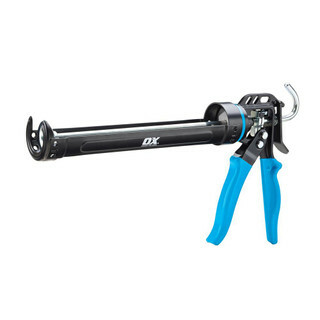
OX Tools Applicator Guns
OX applicator guns give you clean, controlled sealant runs without fighting stiff triggers or messy blowback on snagging, fitting and sealing jobs.
When you are sealing baths, bedding trims, fixing boards or running mastic round frames, a decent gun saves time and stops wasted tubes. These OX applicator guns are built for regular trade use, with solid frames, smooth plungers and better control when you need neat beads in awkward corners. If you already use OX sealants and adhesives, this is the kit to match them properly.
What Are OX Applicator Guns Used For?
- Sealing around baths, showers, sinks and worktops, where a steady bead matters and a jerky gun leaves you with gaps to tidy up later.
- Running mastic around window and door frames on second fix, where you need control in corners and enough push to keep the seal consistent.
- Applying grab adhesive behind skirting, trims, panels and boards, so you can get material exactly where it needs to go without making a mess of finished surfaces.
- Snagging kitchens, bathrooms and fit-out work, where an OX sealant gun helps you lay neat lines quickly and waste less product on small follow-on jobs.
- Working through cartridge after cartridge on site, where a sturdier OX caulking gun stands up better than cheap frames that twist, flex or drip after use.
Choosing the Right OX Applicator Gun
Sorting the right one is simple: match the gun to the material and how often you actually use it.
1. Light Sealing or Daily Use
If you only load the odd silicone tube for snagging or home jobs, a standard frame will do. If you are sealing day in, day out on bathrooms, kitchens or window work, buy the stronger trade model so the frame does not flex and the trigger stays smoother under load.
2. Sealant or Adhesive
If you are mainly running silicone or decorators caulk, almost any decent OX sealant gun will cover it. If you are pushing thicker grab adhesives or heavy mastics, go for a higher thrust model so you are not fighting the tube halfway through the job.
3. Open Frame or More Robust Build
Open frame guns are quick to load and fine for standard cartridges. If your gear gets knocked about in the van or dragged round site, look at the tougher options in the OX Pro applicator guns range because they are better suited to regular abuse.
4. Standard Range or Pro Range
If this is a backup gun for occasional use, the standard range is usually enough. If it is part of your everyday kit, step up to OX Pro cartridge applicators where stronger construction and better control make long sealing runs less of a chore.
Who Uses These on Site?
- Bathroom fitters and plumbers reach for an OX applicator gun when sealing trays, baths and basins, because a clean bead is the difference between a tidy handover and a callback.
- Kitchen fitters use them for worktop joints, splashback edges and end panels, where smooth trigger action helps keep lines even along visible finished surfaces.
- Window fitters and general builders use an OX cartridge gun for mastic around frames, expansion joints and perimeter sealing, especially when they are moving quickly between inside and outside jobs.
- Decorators and maintenance teams keep an OX silicone gun in the van for snagging, patch sealing and quick repairs, because it is one of those bits of kit that earns its keep every week.
Choose the Right OX Applicator Gun for the Job
Use this quick guide to sort the right gun before you load the first tube.
| Your Job | Category or Type | Key Features |
|---|---|---|
| Sealing baths, basins and worktops | Standard cartridge sealant gun | Smooth trigger action, clean control and quick loading for regular silicone work |
| Running mastic round frames and joints | Higher thrust mastic gun | More push for thicker material, steadier flow and less hand strain on long beads |
| Fixing trims, panels and skirting with adhesive | Heavy duty cartridge applicator | Stronger frame, better pressure on dense adhesives and less flex under load |
| Daily snagging and second fix work | Trade or Pro applicator gun | Built to handle repeated use, van knocks and constant cartridge changes |
Common Buying and Usage Mistakes
- Buying the cheapest frame for daily site work usually ends with flex, poor control and a rough finish. If you are using cartridges most days, spend a bit more on a stronger OX applicator gun.
- Using a light duty gun for thick grab adhesive makes the job harder than it needs to be and puts extra strain on your hand. Match the thrust and build to the material, not just the tube size.
- Cutting the nozzle too wide too early leaves you chasing a messy bead and wiping off excess. Start smaller, test on scrap or card, and open it up only if the joint needs more material.
- Forgetting to release pressure after each run causes dribble and wasted sealant down finished surfaces. Get into the habit of hitting the release tab as soon as you stop.
- Leaving old product to cure on the plunger and frame makes the next cartridge awkward to load and can affect smooth travel. Wipe the gun down after use before the mess sets hard.
Standard Cartridge Guns vs Heavy Duty Guns vs Pro Applicator Guns
Standard Cartridge Guns
Best for general silicone, caulk and lighter sealing jobs around kitchens, bathrooms and decorating work. Fine for occasional use, but they are not the one to choose if you are forcing out thick adhesive every day.
Heavy Duty Guns
A better pick when you use denser mastics and grab adhesives that need more pressure. They reduce frame flex and hand strain, especially on longer runs or colder days when material is stiffer in the tube.
Pro Applicator Guns
Built for trades who use a gun constantly and do not want rough trigger travel or weak parts after a few weeks in the van. If sealing and bonding is part of your normal workload, the Pro range is the sensible buy.
Maintenance and Care
Clean Off Fresh Sealant Straight Away
Wipe the frame, trigger and plunger after each job before silicone or adhesive cures. It takes a minute and saves you fighting a sticky gun next time.
Release Pressure After Use
Always use the pressure release when you finish a bead. It stops dribble, reduces stress on the mechanism and helps the gun stay smoother over time.
Store It Dry in the Van or Box
Do not leave it buried under wet gear or loose rubble. Keeping an OX sealant gun clean and dry helps stop rust on the rod and grit getting into the moving parts.
Check the Rod and Frame for Damage
If the push rod is bent or the frame has started twisting, the cartridge will never run cleanly. Replace a damaged gun before it ruins finished sealing work.
Why Shop for OX Applicator Guns at ITS?
Whether you need a basic OX caulking gun for snagging or tougher site-ready options for daily sealing work, we stock the full range in one place, including OX caulking guns. It is all held in our own warehouse and ready for next day delivery, so you can get the right gun on site without hanging about.
OX Applicator Gun FAQs
What is an applicator gun used for?
An applicator gun is used to push sealant, caulk, mastic or adhesive out of a cartridge in a controlled bead. On site that means cleaner joints round baths, frames, worktops and trims, with less mess and less wasted product than trying to do it by hand.
What is the difference between a caulking gun and a mastic gun?
In day to day trade use, people often mean the same sort of tool when they say caulking gun or mastic gun. The real difference is usually how much force the gun gives you. Lighter guns suit softer caulk and silicone, while heavier duty guns are better for thicker mastics and adhesives.
Are OX applicator guns any good?
Yes, they are a solid trade choice. OX applicator guns are built for regular van and site use, with sturdier frames and smoother action than the throwaway cheap ones that flex and drip. If you seal often, they are well worth having in the kit.
What size cartridge does an applicator gun take?
Most standard applicator guns take the common cartridge size used for silicone, caulk and many adhesives, which is typically around 310ml. Always check the gun details if you are using specialist products, but standard cartridge guns cover most sealing jobs on site.
How do you load a sealant gun?
Press the release tab, pull the rod fully back, drop the cartridge into the frame, then push the rod forward until it meets the base of the tube. Cut the nozzle to suit the bead you need, pierce the inner seal if required, and test a short run before going onto the finished surface.