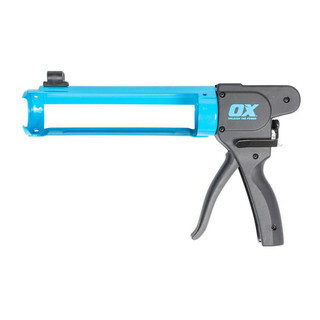
OX Tools Sealants & Adhesives
OX sealants and adhesives are for the jobs where gaps, movement, or fixing power matter and you need a bead that goes on clean and stays put.
When you're sealing a bathroom, bedding trims, or sticking skirting without a row of fixings, this is the sort of kit you reach for. OX sealants and adhesives are built for day-to-day site use, with ox silicone sealant, ox grab adhesive and ox caulk options that gun out properly and finish clean if you've prepped the joint right. Pair them with the right OX applicator guns and get the job sealed, stuck and finished properly.
What Are OX Sealants and Adhesives Used For?
- Sealing around baths, showers, sinks and splashbacks is where ox silicone sealant earns its keep, stopping water getting behind fittings and saving snagging later.
- Fixing skirting, architrave, panels and trims is a standard job for ox grab adhesive, especially when you want a strong hold without peppering the wall with extra fixings.
- Filling small gaps and joints before decorating is what ox caulk is there for, giving decorators and finishers a paintable line that tidies up rough edges fast.
- Sealing window frames, kitchen joints and general internal finishing details is where an ox sealant helps keep movement cracks, draughts and untidy gaps under control.
- Running neat, consistent beads on cartridge products is far easier with proper OX caulking guns, especially when you're doing full plots or repeat fit-out work.
Choosing the Right OX Sealants and Adhesives
Sorting the right one is simple: match it to whether you're sealing, filling or fixing. Use the wrong product and you'll either lose the bond or ruin the finish.
1. Sealant or Adhesive
If the joint needs to stay watertight or take movement, go for an ox sealant. If you need to hold skirting, trims or panels in place, use an ox adhesive instead. Do not expect bathroom sealant to do a grab adhesive job.
2. Wet Area or Dry Area
If it is going in a shower, around a bath or near a sink, use ox silicone sealant made for wet areas. For dry internal finishing where you want to paint over it, ox caulk is usually the better shout.
3. Instant Grab or Neat Finish
If you're fixing heavier trims or panels and want them to stay put quickly, choose ox grab adhesive. If the job is all about a smooth visible joint, focus on the sealant grade and how cleanly it tools off.
4. Cartridge Control
If you're using these day in, day out, do not skimp on the gun. Better feed and pressure control makes a huge difference to bead quality, especially with thicker products, which is why plenty of trades step up to OX Pro applicator guns.
Who Uses These on Site?
- Bathroom fitters and plumbers use ox sealant around trays, baths, basins and sanitaryware because a clean waterproof joint saves call-backs for leaks and mould.
- Kitchen fitters reach for ox silicone sealant and ox adhesive when bedding worktops, sealing splashbacks and fixing end panels where a tidy finish matters as much as the hold.
- Chippies use ox grab adhesive for skirting, trims and mouldings, especially on refurb jobs where they want less drilling, less filling and faster second fix.
- Decorators keep ox caulk in the bag for closing up cracks and lightweight internal joints before paint, particularly around frames, coving and skirting lines.
- General builders and maintenance teams use OX sealants and adhesives for snagging, patching and finishing work, and most keep a roll of OX tapes nearby for masking clean edges before they gun the bead.
The Basics: Understanding Sealants and Adhesives
These products might come in similar cartridges, but they do different jobs on site. Get the basic difference right and you'll save yourself failed joints, loose trims and messy rework.
1. Sealants Flex and Close Gaps
A sealant is there to close a joint against water, air or dirt while still coping with a bit of movement. That is why you use silicone around baths, basins, frames and other places where the joint needs to stay sealed rather than go rigid.
2. Adhesives Bond Materials Together
An adhesive is for fixing one surface to another. Grab adhesive is the usual choice when you're sticking skirting, panels or trims and you want holding power without screws, nails or a lot of drilling.
3. Caulk Is for Decorating and Finishing
Caulk sits in the middle as a finishing product for light internal gaps and cracks. It is what decorators use where they want a tidy paintable line, not a waterproof sanitary seal or a structural bond.
Sealant and Adhesive Accessories That Make the Job Cleaner
A decent cartridge is only half the job. The right extras save mess, waste and redoing joints that should have been right first time.
1. Applicator Guns
A proper applicator gun gives you smoother feed and better control, which matters when you're trying to run a straight bead in a bathroom corner instead of fighting a jerky cheap gun.
2. Masking Tapes
Masking the joint first saves you smearing silicone over finished tiles, sanitaryware or painted edges. It is a small step that cuts clean-up time massively on visible work.
3. Spare Nozzles and Cutting Tools
Cut the nozzle wrong and you either flood the joint or starve it. Keeping spare nozzles and a clean cutter in the box stops you bodging the last cartridge on a finishing job.
Choose the Right OX Sealants and Adhesives for the Job
Match the cartridge to the joint, the surface and the finish you need.
| Your Job | OX Category or Type | Key Features |
|---|---|---|
| Sealing baths, showers and sinks | OX silicone sealant | Water-resistant finish, flexibility for movement, smooth tooling on sanitary joints |
| Fixing skirting, trims and panels | OX grab adhesive | Strong initial hold, fewer mechanical fixings, handy for second fix and refurb work |
| Filling internal gaps before painting | OX caulk | Paintable finish, quick tidy-up of cracks and trim lines, suited to dry internal areas |
| General sealing around frames and joints | OX sealant | Neat bead application, helps stop draughts and dirt, useful on finishing and maintenance jobs |
Common Buying and Usage Mistakes
- Using caulk in a shower or around a bath is a common mistake. It may look fine on day one, but it is the wrong product for constant moisture, so use a proper ox silicone sealant in wet areas.
- Buying adhesive when the job really needs a flexible seal is where plenty go wrong. If the joint moves, a rigid bond can fail or crack, so match the product to movement as well as material.
- Trying to apply thick cartridges with a poor gun makes the bead uneven and wastes product. A better gun gives you cleaner control and less mess on visible work.
- Sealing onto dusty, wet or soapy surfaces is asking for failure. Clean and dry the area first or even a decent ox sealant will struggle to bond properly.
- Not allowing for cure time catches people out on bathrooms and fitted trims. If you load it, wipe it or get it wet too early, you can spoil the joint before it has properly set.
Silicone Sealant vs Caulk vs Grab Adhesive
Silicone Sealant
Best for wet areas, sanitary fittings and joints that need to stay flexible. Use it around baths, showers and sinks. It is not the right pick if you need a paintable finish or a strong fixing bond.
Caulk
Best for decorators and second-fix finishing where you want to fill light internal gaps before painting. It is quick and tidy on skirting and frame lines, but it is not a substitute for proper bathroom sealant.
Grab Adhesive
Best for bonding trims, boards, skirting and panels without loads of screws or nails. It gives hold where sealants do not, but it is there to stick materials together, not to leave a neat waterproof exposed joint.
Maintenance and Care
Store Cartridges Properly
Keep cartridges upright in a dry spot out of extreme heat or frost. If they sit rolling around the van for weeks, expect split nozzles, hard product or poor flow.
Seal Opened Cartridges
If you have got product left, cap or tape the nozzle straight away. It will not save every cartridge forever, but it gives you a far better chance of using it again on the snag list.
Clean Guns After Use
Wipe down your applicator gun after each job, especially around the plunger and frame. Dried sealant build-up makes the next cartridge harder to run and ruins control on neat finishing work.
Check Expiry and Condition
Old stock can skin, separate or cure badly. Before taking it into a finished room, check the cartridge date and squeeze a test bead so you do not ruin the final pass with half-dead material.
Why Shop for OX Sealants and Adhesives at ITS?
Whether you need ox silicone sealant for bathrooms, ox grab adhesive for second fix, or ox caulk for decorating prep, we stock the full OX sealants and adhesives range in one place. It is all held in our own warehouse, in stock and ready for next day delivery, so you can get the right cartridges on site without hanging about.
OX Sealants and Adhesives FAQs
What is the difference between sealant and adhesive?
A sealant closes gaps and keeps out water, air or dirt while still allowing a bit of movement. An adhesive is there to bond one material to another. In plain terms, use sealant for joints and edges, and use adhesive when you need to stick something in place.
What sealant should I use in a bathroom?
For baths, showers, basins and splash zones, use a proper silicone bathroom sealant. That is the right choice where water and movement are both part of the job. Standard decorating caulk is not enough for wet areas and will not hold up the same way.
Are OX sealants any good?
Yes, OX sealants are a solid trade option for everyday site work. The real point is they cover the common jobs properly, from sanitary sealing to fixing trims and filling finishing gaps. As ever, the result still depends on using the right product on a clean, prepared surface.
What is grab adhesive used for?
Grab adhesive is used for fixing skirting, architraves, panels, trims and similar materials where you want a strong bond without loads of screws or nails. It is especially useful on second-fix and refurb work where less drilling means a cleaner, quicker finish.
How long does sealant take to cure?
It depends on the product, bead size and site conditions, so always check the cartridge. In practice, many sealants skin over fairly quickly but take much longer to fully cure through. Do not assume it is ready for water or movement just because the surface feels touch dry.
Can I paint over OX sealant?
Usually not if it is a silicone sealant. Silicone is there for flexibility and water resistance, not for taking paint. If you need a paintable finish on dry internal joints, use ox caulk rather than a bathroom-style silicone.
Will ox grab adhesive hold straight away?
It will give you initial grab, but be realistic about weight, surface condition and support. Light trims and skirting are usually fine with the right prep, but heavier panels may still need temporary support while the adhesive builds full strength.
Does surface prep really matter with ox sealants and adhesives?
Yes, massively. Dust, moisture, old soap residue and loose paint are what usually cause failures, not the cartridge itself. Clean, dry, sound surfaces give you the proper bond and a much neater finish.