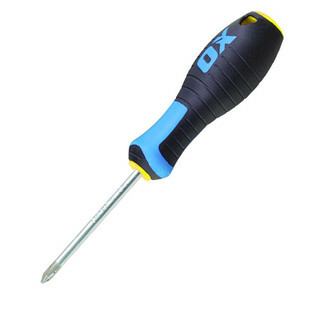
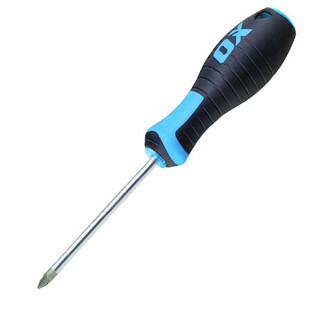
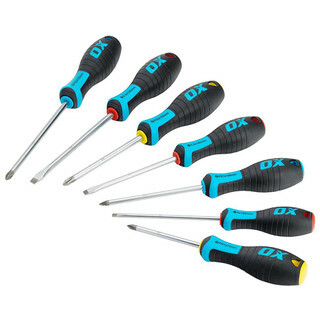
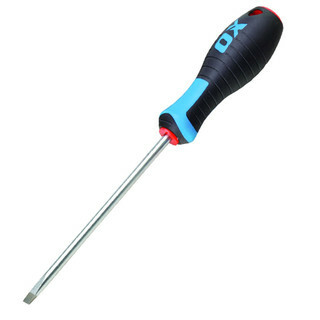
OX Tools Pro Screwdrivers
OX Pro screwdrivers are built for fixings that fight back, from back boxes and consumer units to hinges, brackets and site hardware.
If you're using screwdrivers every day, cheap tips round off, handles twist in the hand, and you end up fighting the fixing instead of getting on with it. The OX Pro screwdriver range is made for proper trade use, with Phillips, Pozidriv and slotted options that suit first fix, second fix and general snagging. If you want a full van stock, start with OX Pro screwdriver sets and build from there.
What Are OX Pro Screwdrivers Used For?
- Tightening faceplates, accessories and back box fixings during electrical second fix is where ox pro screwdrivers earn their keep, giving you better control on screws that are easy to burr if the tip fit is poor.
- Fitting hinges, catches, handles and cabinet hardware on kitchen, joinery and finishing jobs is easier with a driver that sits properly in the head and does not cam out under hand pressure.
- Working through general site snagging, from adjusting door furniture to sorting loose fittings in plant rooms and welfare units, suits a proper ox pro screwdriver set kept in the bag or van.
- Loosening older slotted terminals and mixed fixings on refurb work is exactly where the range helps, especially when you need dedicated drivers rather than making do with the wrong bit.
Choosing the Right OX Pro Screwdrivers
Sorting the right one is simple: match the tip to the fixing properly, or you will chew screws and waste time.
1. Buy the Right Tip First
If the fixing is Pozidriv, use Pozidriv. If it is Phillips, use Phillips. They are not close enough on site. Using the wrong one is how heads get rounded and jobs take twice as long. For dedicated options, go straight to OX Pro Phillips screwdrivers or OX Pro Pozidriv screwdrivers.
2. Singles or a Set
If you only ever reach for one or two sizes, buy singles and keep spares. If you bounce between first fix, second fix and snagging, an ox pro screwdriver set makes more sense and saves hunting through the van for odd drivers.
3. Do Not Ignore Slotted
A lot of lads think slotted is old news until they hit refurb work, terminals or older hardware. Keep at least one or two proper OX Pro slotted screwdrivers in the bag so you are not forcing the wrong tip into a stubborn screw.
Who Uses These on Site?
- Sparkies use ox pro screwdrivers for terminals, accessories and board work, where a clean-fitting tip matters more than brute force and a comfortable handle helps when you are doing repeated connections all day.
- Chippies and kitchen fitters reach for them when hanging doors, fitting ironmongery and lining up hardware, because a solid driver gives better feel and less chance of marking finished work.
- Maintenance teams keep a mixed ox pro screwdriver set close by for day-to-day repairs, furniture fixes and plant room adjustments where you never quite know what head type is coming next.
- Plumbers and heating engineers use them for controls, covers and smaller fastening jobs, and many keep OX Pro hex key sets in the same pouch for valves, brackets and equipment with hex fixings.
Hand Tool Extras That Keep You Working
A few sensible extras stop simple fastening jobs turning into stripped heads, lost time and repeat trips to the van.
1. Screwdriver Sets
A mixed set covers the sizes you actually use on site and saves that usual nonsense of having the right tip but the wrong length. If you are kitting out from scratch, start with an ox pro screwdriver set before topping up with singles.
2. Dedicated Phillips and Pozidriv Drivers
This is what saves you from chewing fixings on repeated install work. Keeping separate Phillips and Pozidriv drivers close by means you stop guessing and the tip seats properly first time.
3. Tool Pouch or Case
Loose screwdrivers rolling around the van get damaged, buried or left behind. A pouch or organiser keeps the drivers together so you can grab what you need and get on with the job.
Choose the Right OX Pro Screwdrivers for the Job
Use this quick guide to sort the right driver for the fixing in front of you.
| Your Job | Category or Type | Key Features |
|---|---|---|
| Electrical second fix and accessory fitting | Pozidriv screwdriver | Positive fit in common UK fixing heads, better control, less chance of cam out |
| General joinery, hardware and mixed install work | Phillips screwdriver | Useful for common crosshead screws, good all-round control on fittings and brackets |
| Refurb work, terminals and older fixings | Slotted screwdriver | Proper blade fit for flat head screws, better on stubborn or traditional hardware |
| Van stock for mixed site work | OX Pro screwdriver set | Range of tip types and sizes in one kit, quicker than buying odd singles later |
Common Buying and Usage Mistakes
- Buying one mixed driver and using it for every crosshead screw is the usual mistake. Phillips and Pozidriv are not the same, and using the wrong tip is how screw heads get damaged fast.
- Choosing a set without checking the sizes you actually use leads to dead weight in the toolbox and missing the driver you need on the job. Match the set to your day-to-day fixings, not the biggest pack on the page.
- Using worn tips for too long makes every fastening job harder and rougher. Once the tip starts slipping or rounding screws, retire it and replace it before it ruins fittings.
- Ignoring slotted drivers because most new fixings are crosshead catches people out on refurbs and maintenance jobs. Keep at least a couple of proper slotted sizes to avoid bodging older hardware.
Phillips vs Pozidriv vs Slotted
Phillips
Phillips is common on general hardware and mixed fittings, and it is fine when matched properly to the screw. Use it where that is the actual head type, not as a stand-in for Pozidriv.
Pozidriv
Pozidriv is what you will hit on plenty of UK site fixings, especially wood screws and electrical accessories. It gives a more secure bite than using a Phillips in the same screw, so it is usually the better call for repeated install work.
Slotted
Slotted is still worth having for terminals, older fittings and refurb jobs. It is not your everyday driver on most modern sites, but when you need it, nothing else will do the job properly.
Maintenance and Care
Keep the Tips Clean
Wipe plaster dust, paint and site grime off the tips after use so they keep seating properly in the screw head. A dirty tip slips sooner than a clean one.
Check for Wear
Look at the working end regularly. If the tip is rounded, chipped or polished smooth, it will start damaging fixings. Replace worn drivers before they cost you a pack of screws and a load of time.
Store Them Together
Keep your screwdrivers in a pouch, rack or case instead of loose in the van. That stops damaged tips, lost drivers and the usual digging about when you need a specific size quickly.
Dry Them Off After Wet Work
If they have been out in the rain or left on a damp floor, dry them before putting them away. It is basic stuff, but it helps prevent surface rust and keeps the handles cleaner for the next shift.
Why Shop for OX Pro Screwdrivers at ITS?
Whether you need a single ox pro phillips screwdriver, a dedicated ox pro pozidriv screwdriver, a proper slotted option or a full ox pro screwdriver set, we stock the range in depth. It is all held in our own warehouse, ready for fast next day delivery so you can get the right drivers on site without hanging about.
OX Pro Screwdrivers FAQs
What screwdrivers are in the OX Pro range?
The OX Pro screwdriver range typically covers the core drivers trades actually use, including Phillips, Pozidriv and slotted patterns in a spread of sizes. That gives you proper coverage for everyday site fixings, from electrical accessories and wood screws through to older flat head hardware on refurb jobs.
What is the difference between OX Trade and OX Pro screwdrivers?
In simple terms, OX Trade is the more basic working range, while OX Pro is aimed at heavier daily use and better comfort in the hand. If you are only reaching for a driver now and then, Trade may do. If you use screwdrivers all week and want better feel, grip and tip performance, Pro is the safer buy.
Are OX Pro screwdrivers any good?
Yes, for trade hand tools they are a solid shout. They are built for regular site use rather than occasional flat-pack jobs, and the main thing you notice is whether the tip fits properly and holds up. Used for the right fixing type, they do the job well and stand up to the normal knocks of van and site life.
What is the difference between Phillips and Pozidriv?
They look similar, but they are not interchangeable if you want a clean job. Pozidriv has extra ribs and is common on many UK screws, especially for timber and site fixings. Phillips is a different profile. Force a Phillips into a Pozidriv screw and you are far more likely to slip and round the head.
Do OX Pro screwdrivers have a warranty?
Warranty cover can vary by product line, so it is always worth checking the individual listing details before you buy. The sensible approach is to treat warranty as back-up, not a reason to abuse the tool. Use the right tip for the screw, do not lever with it, and it will last a lot longer.