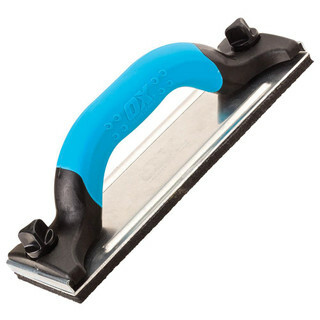
OX Tools Sanding and Finishing Tools
OX sanding tools are built for flattening filler, keying surfaces, and cleaning up edges before paint, plaster, or final finish work starts.
When you're rubbing back filler, knocking down high spots, or tidying plaster before the next trade comes in, decent sanding gear saves time and leaves a cleaner finish. OX finishing tools are the sort of kit decorators, dry liners, and chippies reach for when cheap blocks start slipping or sheets won't stay put. If you need OX hand sanders, detail sanders, sanding blocks, or a full OX sanding kit, this is where to sort it.
What Are OX Sanding Tools Used For?
- Flattening filled walls and taped joints before mist coat or final paint, especially where ridges and trowel marks will show once the light hits them.
- Keying painted timber, MDF, and trim before repainting or refinishing, so the next coat grabs properly instead of sitting on a shiny surface.
- Cleaning up plasterboard edges, internal corners, and awkward reveals where a power sander is overkill and hand control gives you a neater result.
- Rubbing down snagging work on refurbs and fit-outs, where you need to sort small high spots, filler patches, and rough edges without making a huge mess.
- Prepping around windows, sockets, skirts, and other tight spots where an OX detail sander or sanding block gives better feel than a larger tool.
Choosing the Right OX Sanding Tools
Sorting the right one is simple: match the sanding face, grip, and grit to the surface in front of you, not whatever happens to be in the van.
1. Sanding Block or Hand Sander
If you are doing quick touch-ins, small filler spots, or awkward mouldings, a sanding block is usually enough. If you are rubbing down full walls, long joints, or repeated patches all day, go for a proper hand sander that holds the sheet securely and spreads pressure better across the surface.
2. Pick the Right Grit for the Stage
If the filler is rough or you are knocking down clear ridges, start coarser and get it flat first. If you are between coats or finishing for paint, move finer so you do not leave scratches that show through under site lighting or daylight.
3. Flat Areas Need a Flat Base
For walls, boards, and broad filler runs, choose a tool with a decent flat face so you do not dig grooves with finger pressure. Small detail sanders are better for corners and reveals, but they are slower on large open areas.
4. Think About Sheet Changes
If you are changing grits through the day, do not overlook how the abrasive fixes on. A tool that grips sheets properly saves you from loose paper, wasted abrasives, and having to keep stopping to refit everything.
Who Uses These on Site?
- Decorators use OX sanding tools for rubbing back filler, keying gloss, and sorting walls before top coats, because the finish only looks right if the prep is right.
- Dry liners and plasterers keep OX finishing tools close for cleaning taped joints, feathering edges, and knocking back proud areas before the job gets painted.
- Chippies use them on MDF, softwood trim, doors, and fitted units where hand sanding gives better control on edges and profiles than dragging out a machine.
- Maintenance teams and snaggers rely on them for quick patch repairs, small refurbs, and touch-up work where you need to fix the surface fast without overworking the area.
OX Sanding Accessories That Save Time on Prep
The right extras stop prep work dragging on and help you get a cleaner finish with less messing about.
1. Sanding Sheets
Get the right grits in with the tool, not after. Starting with worn or wrong sanding sheets means more effort, slower cut, and a patchy finish that still needs sorting.
2. Scrapers and Filler Knives
Before you sand, you often need to knock off heavy lumps, old paint nibs, or loose filler. A scraper or filler knife saves clogging your abrasive on material that should have been stripped first.
3. Spare Sanding Blocks or Hand Sanders
If one is loaded with coarse grit and another is set up finer, you can move through prep stages without constantly re-sheeting. It is a simple way to keep the job moving on bigger snagging or decorating runs.
Choose the Right OX Sanding Tools for the Job
Use this quick guide to sort the right sanding setup for the surface and finish stage.
| Your Job | Category or Type | Key Features |
|---|---|---|
| Rubbing back small filler repairs and touch-ins | OX sanding block | Compact shape, easy control, quick to use on patch repairs and edges |
| Flattening larger wall areas and jointed plasterboard | OX hand sander | Wider flat base, better pressure spread, secure sheet holding for longer passes |
| Sanding corners, reveals, and tight detail work | OX detail sander | Narrow profile, better access, more control where a full size block is clumsy |
| Between-coat prep on timber and trim | OX finishing tools with finer sanding sheets | Cleaner surface finish, less scratching, better key before paint or varnish |
| General van stock for snagging and refurbs | OX sanding kit | Mixed tools and abrasives ready for patching, prep, and small finishing jobs |
Common Buying and Usage Mistakes
- Using too fine a grit too early slows the whole job down. If the filler still has ridges or proud spots, start coarser, get it flat, then work finer for finish.
- Buying a small sanding block for full-room prep usually ends in sore hands and uneven results. For bigger wall areas, use a proper hand sander that keeps the face flatter.
- Sanding straight over heavy snots of filler or loose paint wastes sheets fast. Scrape the worst off first, then sand what actually needs refining.
- Pressing too hard leaves grooves and shiny patches, especially on filler and soft timber. Let the abrasive do the work and keep your passes even.
- Sticking with one grit for every stage leaves either a rough finish or wasted time. Keep a couple of grades on hand so you can move from shaping to finishing properly.
Sanding Blocks vs Hand Sanders vs Detail Sanders
Sanding Blocks
Best for quick patch repairs, edge work, and small touch-ins. They are cheap, simple, and easy to control, but on big walls they are slower and more likely to leave uneven pressure marks if you rush them.
Hand Sanders
This is the better pick for broader areas, plasterboard joints, and steady prep work through the day. They hold sheets more securely and keep the sanding face flatter, so the finish is usually cleaner and quicker to achieve.
Detail Sanders
Use these where access matters more than coverage, such as corners, window reveals, and tight trim details. They are not the fastest option on open surfaces, but they save a lot of awkward handwork in fiddly spots.
Maintenance and Care
Brush Dust Off After Use
Fine filler and plaster dust gets everywhere and can stop clamps or grips working properly. A quick brush down at the end of the day keeps the tool usable and stops build-up hardening in place.
Do Not Store Them with Worn Sheets Fitted
Old abrasive left on the tool holds dust and moisture and can distort how the next sheet sits. Strip used paper off before it goes back in the box or van.
Check Clamps and Fixings
If the sheet retention starts loosening off, sort it early. A hand sander that will not hold paper properly is just dead weight and wastes abrasive every time it slips.
Keep Different Grits Separate
Throwing all your sanding sheets together leads to bent edges, mixed grades, and wasted time hunting the right one. Keep coarse and fine sheets split so the right grit is there when you need it.
Replace When the Base Stops Running True
If the sanding face is damaged, rounded off, or no longer flat, you will struggle to get a clean result on filler and board. At that point, replacement is usually the sensible call.
Why Shop for OX Sanding Tools at ITS?
Whether you need one sanding block for snagging or a full spread of OX sanding tools, OX finishing tools, sheets, and hand prep gear, we stock the range properly. That includes the site essentials trades pair with them too, from OX scrapers and blades and OX scrapers and filler knives to OX trowels and OX dry lining tools. It is all in our own warehouse, in stock, and ready for next day delivery.
OX Sanding Tools FAQs
What sanding tools does OX make?
OX makes the main hand-prep bits you actually use on site, including hand sanders, sanding blocks, sanding sheets, and detail sanding tools. It is the sort of range decorators, plasterers, and dry liners use for filler work, board joints, trim prep, and general finishing jobs.
What is a hand sander used for?
A hand sander is for rubbing down filler, plasterboard joints, timber, and painted surfaces by hand while keeping the sanding face flatter than loose paper in your palm. It gives you better control, a more even finish, and less hand fatigue on longer prep jobs.
Are OX sanding tools any good?
Yes, they are solid trade tools for prep and finishing work. They are built for repeated use, hold up well in the van, and make more sense than bargain kit that twists, drops sheets, or wears out halfway through a run of filling and sanding.
What grit sandpaper should I use?
Start with the job stage, not a guess. Coarser grits are for knocking down ridges, filler build-up, and rough patches. Medium grits suit general prep, while finer grits are what you want for between coats and final finishing before paint. If you go too fine too early, you will be there all day.
What is the difference between a sanding block and a hand sander?
A sanding block is usually simpler and better for smaller repairs, edges, and quick jobs. A hand sander normally gives you a larger flat base and a better way of holding the sheet, so it is the stronger choice for bigger areas and more regular use.