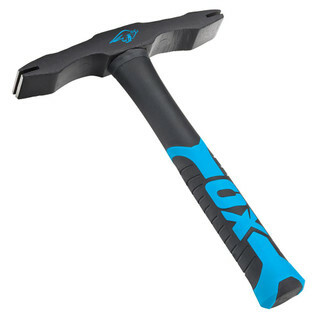
OX Tools Hammers & Mallets
An OX hammer needs to earn its place in the van, whether you're pulling nails, tapping in blockwork, or striking cold chisels on a rough site.
The OX Tools range covers the jobs trades actually face, from an ox claw hammer for first fix and shuttering, to an ox lump hammer or ox brick hammer for tougher demolition and masonry work. If you need an ox mallet for setting slabs, persuading timber into line, or working without marking the finish, this is where you sort it properly. Pick the weight, face and handle style to suit the graft, and buy the one that will still feel right by the end of the day.
What Are OX Hammers Used For?
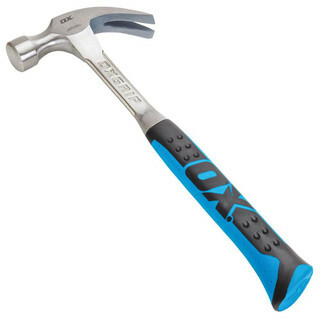
- Driving nails through studwork, battens and general first fix is where an ox claw hammer earns its keep, especially when you need enough balance to swing all day without wrecking your wrist.
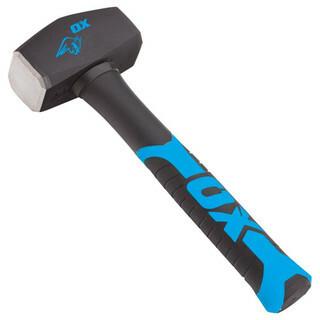
- Breaking back block, knocking off stubborn render and striking chisels on refurbishment work is better suited to an ox lump hammer, where weight matters more than finesse.
- Cutting and dressing bricks on site is proper ox brick hammer work, giving brickies and groundworkers a clean way to chip, trim and tidy masonry without swapping tools every five minutes.
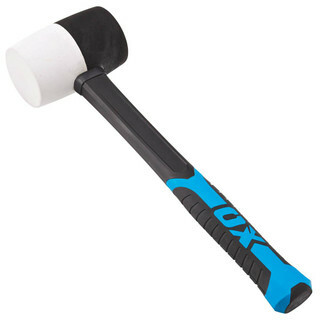
- Setting paving, tapping kerbs into line or knocking joinery together without bruising the surface is where an ox rubber mallet or ox dead blow hammer makes more sense than a steel head.
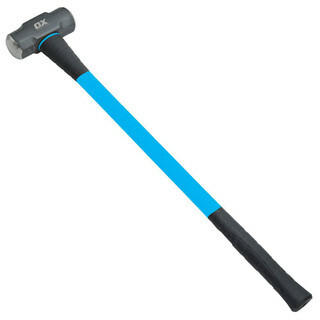
- Freeing seized materials, persuading formwork apart and dealing with awkward fixings on demolition jobs is exactly the kind of abuse an ox pro hammer is built to put up with.
Choosing the Right OX Hammer
Match the hammer to the job first. If the head shape or weight is wrong, you will feel it by lunchtime.
1. Claw Hammer for Fixing Work
If you are on timber, stud, battens or general first fix, go with an ox claw hammer. You need a head that drives nails straight and a claw that actually gets under old fixings without a fight.
2. Lump or Brick Hammer for Masonry
If you are breaking, trimming or striking against brick and block, do not bother with a standard claw hammer. An ox lump hammer gives you the weight for demolition and bolsters, while an ox brick hammer is the better shout for cutting and dressing masonry.
3. Rubber Mallet or Dead Blow for Finished Surfaces
If marking the material will cause you grief, use an ox rubber mallet or ox dead blow hammer instead of steel. They are the right choice for slabs, edging, joinery assembly and anything you need to shift into line without bruising it.
4. Handle Material Matters
If the hammer is in your hand all day, pay attention to the handle. Fibreglass and one piece steel options take site abuse well, while shock reducing grips make a noticeable difference when you are striking hard materials over a full shift.
Who Uses These on Site?
- Chippies reach for an ox claw hammer on first fix, roofing and studwork because it drives clean, pulls nails back out properly and stands up to being thrown in the tool bag every day.
- Brickies and groundworkers swear by an ox brick hammer or ox lump hammer for trimming brick, knocking block into place and dealing with the rougher side of masonry work.
- Landscapers and pavers use an ox mallet when laying slabs, edging and kerbs, because you can bed materials in without smashing corners or marking the finished face.
- Demolition crews and general builders keep a heavier ox pro hammer close by for strip-out, chasing out and stubborn materials that need force rather than a neat finish.
- Maintenance teams and fitters usually carry a couple of types, with a steel hammer for fixings and a rubber or dead blow option for assembly work where marking the job is not on.
Useful Extras to Keep Your OX Hammer Working Hard
A hammer is simple kit, but the right extras stop wasted time and make rough jobs cleaner and safer.
1. Cold Chisels and Bolsters
If you are using an ox lump hammer for demolition or chasing out, a proper cold chisel or bolster saves you battering the wrong tool and making more mess than needed.
2. Nail Pullers and Wrecking Bars
A claw hammer will pull plenty, but for bigger fixings and strip-out work, a wrecking bar stops you twisting the hammer sideways and ruining both the tool and your knuckles.
3. Tool Storage
Do not leave striking tools loose in the van. A proper box or organiser keeps the faces cleaner, protects grips and stops other gear getting smashed about on the drive to site.
Choose the Right OX Hammer for the Job
Here is the quick way to sort the right type before you order.
| Your Job | Hammer Type | Key Features |
|---|---|---|
| First fix carpentry and general nail work | OX claw hammer | Balanced head, nail pulling claw, comfortable grip for repeated swinging |
| Breaking block, striking chisels and rough demolition | OX lump hammer | Heavier head weight, short control handle, built for hard impacts |
| Trimming brick and dressing masonry | OX brick hammer | Square striking face, masonry cutting edge, good control for accurate chips |
| Laying slabs, edging and surface safe adjustment | OX rubber mallet | Non marking faces, controlled strike, less chance of damaging finished materials |
| Assembly work and controlled impact without rebound | OX dead blow hammer | Reduced bounce, steady striking force, useful where accuracy matters |
Common Buying and Usage Mistakes
- Buying one hammer to cover every job is the usual mistake. A claw hammer is not the right tool for brick trimming or bolster work, and using it that way just damages the face and slows you down.
- Choosing the heaviest option because it looks tougher can backfire. Too much head weight for repetitive work will tire your arm faster and make accurate striking harder, especially on first fix or overhead work.
- Using a steel hammer on finished surfaces is asking for trouble. If you are setting slabs, edging or assembled joinery, use an ox mallet or dead blow type so you do not leave marks you have to put right later.
- Ignoring handle construction is short sighted. If the hammer is in use all day, a shock reducing grip or fibreglass handle can make a real difference to fatigue and control.
- Leaving hammers wet and covered in mortar or brick dust shortens their life. Clean the face down after use and store them dry so grips, heads and striking faces stay in decent nick.
Claw Hammer vs Lump Hammer vs Rubber Mallet
OX Claw Hammer
Best for nails, timber fixing and general carpentry jobs. It gives you speed and balance for first fix, but it is not the one for masonry abuse or heavy striking against chisels.
OX Lump Hammer
This is the one for force. Use it for demolition, bolsters and rough brick or block work where a lighter hammer will just bounce off, but it is overkill for neat fixing jobs.
OX Rubber Mallet
A rubber mallet is the right pick where you need to move materials without marking them. It is ideal for paving, edging and assembly, but it will not replace a steel hammer where proper striking power is needed.
OX Dead Blow Hammer
Dead blow hammers give a more controlled hit with less rebound, which helps on assembly and adjustment work. They are useful when accuracy matters, but they are not a substitute for a lump hammer on demolition.
Maintenance and Care
Clean the Striking Faces
Wipe off mortar, brick dust, adhesive or site muck after use. A clean striking face hits more accurately and is less likely to slip on the next job.
Store Them Dry
Do not leave hammers rolling about in a damp van floor tray. Dry storage helps prevent rust on steel heads and keeps grips from perishing early.
Check the Handle and Grip
Before a hard day on demolition or masonry, give the handle a quick once over. If the grip is loose or damaged, sort it before it starts affecting control.
Do Not Use the Wrong Hammer for the Job
A claw hammer used as a mini lump hammer will wear out faster and risk chipping the face. Keeping the right type for the right work is the easiest way to make them last.
Replace Worn or Damaged Tools
If the striking face is badly chipped, the handle is compromised or the head is no longer safe, retire it. A hammer is cheap compared with the damage a failed strike can cause.
Why Shop for OX Hammers at ITS?
Whether you need an ox claw hammer for first fix, an ox mallet for surface safe work, or an ox pro hammer for harder demolition and masonry jobs, we stock the full range in one place. That means the weights, handle types and striking styles trades actually look for are in our own warehouse, in stock and ready for next day delivery.
OX Hammer FAQs
What styles of hammers are available in the OX Tools range?
The OX Tools range covers the main site types you would expect to use properly, including ox claw hammer models for nail work, ox lump hammer options for demolition, ox brick hammer patterns for masonry, plus ox rubber mallet and ox dead blow hammer designs for controlled striking without marking the job.
What materials are used for OX hammer handles to reduce shock?
Across the range you will find practical handle materials like fibreglass and steel with shock reducing grips, depending on the model. Fibreglass is a solid choice for cutting down vibration on repeated strikes, while grip design matters just as much when you are using the hammer all day.
Are OX claw hammers forged in one piece?
Some OX claw hammers are one piece forged, and that is usually the type site lads go for when they want maximum strength through the handle and head. It is a good setup for regular van life and rough treatment, but always check the individual product spec because the range also includes other constructions.
Which OX hammer is best suited for masonry and brickwork?
For actual brickwork and masonry trimming, an ox brick hammer is the right place to start because it is shaped for cutting and dressing brick. If the job is more about force, such as striking chisels or breaking back block, an ox lump hammer is the better tool.
Will an ox rubber mallet mark slabs or finished materials?
Used properly, an ox rubber mallet is there to avoid the marks a steel head would leave behind. It is the right choice for bedding slabs, nudging edging into line or assembling parts where you need movement without chipping or bruising the surface.
Is an ox dead blow hammer worth having as well as a standard mallet?
Yes, if you do a lot of controlled assembly or adjustment work. A dead blow hammer gives less rebound than a standard mallet, so the hit lands cleaner and the tool does not bounce back at you as much on awkward jobs.