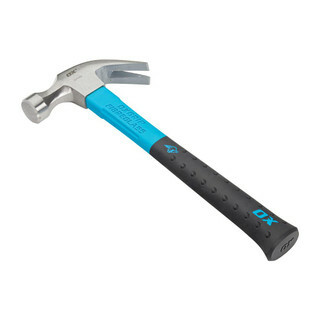
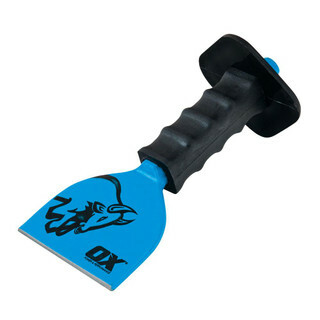
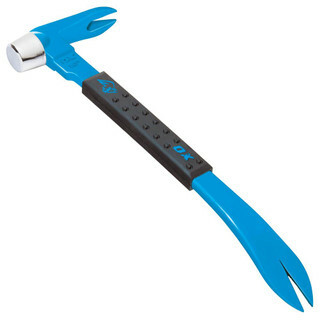
OX Tools Demolition and Construction Tools
OX demolition tools are built for strip-out, breaking, levering and site abuse, with bars, bolsters and hammers that stand up to hard daily graft.
When you're ripping out old timber, knocking back blockwork or lifting stubborn floorboards, this is the sort of kit you want in the van. OX construction tools are made for rough site use, with solid striking faces, proper leverage and grips that do not feel flimsy halfway through the job. If you need OX wrecking bars, OX demolition bars, OX bolsters or OX lump hammers, get the right bits for the work and crack on.
What Are OX Demolition Tools Used For?
- Stripping out old kitchens, stud walls and first-fix timber is where OX demolition tools earn their keep, giving you the leverage and striking force to pull apart tired materials without fighting the tool.
- Breaking back brick, block and mortar around openings or repair work is easier with OX bolsters and lump hammers, especially when you need controlled hits rather than dragging out bigger breaking kit.
- Lifting floorboards, prising off skirting and pulling nailed sections apart is exactly what OX wrecking bars and OX demolition bars are for, helping you get under fixings without chewing your hands up.
- Knocking down small sections of masonry, chasing out damaged areas and clearing snagging mess on refurb jobs suits OX construction tools because they are made for repeated site abuse, not light DIY use.
- Working through general strip-out before follow-on trades arrive is a proper use for OX demolition kit, whether you are opening up access, removing failed finishes or getting a room back to bare structure.
Choosing the Right OX Demolition Tools
Match the tool to what you are breaking, lifting or stripping out. Do not buy a light bar for a heavy rip-out and expect it to last.
1. Bar Shape and Leverage
If you are mostly pulling boards, opening crates or prising trim, a slimmer wrecking bar gives you better access. If you are shifting heavier timber, stubborn fixings or packed materials, go for a thicker OX demolition bar with more leverage and a tougher profile.
2. Hammer Weight
If you are doing short, controlled striking on bolsters or small masonry sections, a lighter lump hammer is easier on the arm. If you are breaking back block and concrete more regularly, step up in weight so the hammer does more of the work for you.
3. Masonry Work or Timber Strip-Out
For masonry, buy OX bolsters and a matching hammer first. For timber strip-out, skirting removal and nail-pulling, start with OX wrecking bars. Most proper vans carry both, because one tool will not cover every stage of a messy refurb.
4. Grip and Site Abuse
If the tool is going to live on site and get used daily, pay attention to grip and handle design. Smooth, cheap-feeling handles become a pain when your gloves are dusty or wet, and that matters when you are swinging or levering all day.
Who Uses These on Site?
- Builders and general trades keep OX demolition tools close for refurb and rip-out work, where a decent bar or hammer saves time opening up floors, walls and timber frames.
- Chippies reach for OX wrecking bars when lifting floorboards, pulling nailed stud apart or easing off architrave without making more damage than the job needs.
- Brickies and groundworkers use OX bolsters and OX lump hammers for trimming block, knocking back masonry and clearing out small areas that do not warrant powered breakers.
- Maintenance teams and fitters swear by OX construction tools on patch jobs and reactive work, especially when they need one hard-wearing tool that can prise, strike and survive being thrown back in the van.
- Demolition crews and labourers use OX demolition kit for fast strip-out, with bars for leverage and hammers for clean, direct impact when materials need shifting now rather than delicately later.
Useful Extras for OX Demolition Kit
A few sensible add-ons make strip-out quicker, safer and less of a slog once the job gets properly messy.
1. Safety Glasses
Get eye protection on before you start swinging. Bolsters, hammers and bars all throw up chips, nails and grit, and you do not want a simple breakout turning into a trip to A and E.
2. Work Gloves
A decent pair of gloves helps when bars are biting into stubborn fixings and handles are covered in dust. They also save your hands when shifting sharp rubble, splintered timber and torn-out metal.
3. Dust Sheets and Rubble Sacks
Demolition gets out of hand quickly if you do not stay on top of the mess. Rubble sacks and protection let you clear as you go instead of spending the last hour dragging debris through a finished part of the building.
Choose the Right OX Demolition Tools for the Job
Use this quick guide to sort the right tool before you start tearing into the job.
| Your Job | Category or Type | Key Features |
|---|---|---|
| Lifting floorboards and pulling nailed timber apart | OX Wrecking Bars | Thin entry points, good leverage, nail pulling ends and solid one-piece strength. |
| General strip-out on refurb jobs | OX Demolition Bars | Tough steel build, broader prying ends and enough length to shift stubborn materials. |
| Cutting back brick and block by hand | OX Bolsters | Strong cutting edge, hand protection where fitted and a profile suited to controlled masonry removal. |
| Striking chisels and breaking small masonry sections | OX Lump Hammers | Balanced head weight, solid handle and repeated striking power without feeling loose in the hand. |
| Keeping a van stocked for mixed demolition tasks | OX Demolition Kit | A mix of bars, bolsters and hammers that covers timber, fixings and light masonry work. |
Common Buying and Usage Mistakes
- Buying one bar and expecting it to cover every demolition task usually ends in bent materials, wasted effort or damaged finishes. Keep a proper mix of bar, bolster and hammer for different parts of the job.
- Using a lump hammer that is too light for masonry work means you do more swings for less result. Match the hammer weight to the material so the tool does the hard part, not your elbow.
- Using a wrecking bar as a substitute chisel or striker wears the tool the wrong way and can spoil control. Use bars for leverage and bolsters for cutting or breaking lines in masonry.
- Ignoring grip and handle comfort seems minor in the aisle but matters after an hour of strip-out. If the tool twists in your hand or feels slippery in gloves, the job gets slower and rougher.
- Starting demolition without eye and hand protection is asking for trouble. Flying chips, rusty fixings and sharp edges are standard on rip-out work, so sort your PPE before the first swing.
Wrecking Bars vs Demolition Bars vs Bolsters
OX Wrecking Bars
Best for getting under boards, trim and nailed sections where access is tight. They are the one to buy for timber strip-out and nail pulling, but they are not the right choice for cutting masonry.
OX Demolition Bars
These are the tougher, broader option for more forceful prying and ripping. Better when materials are heavier or more stubborn, though they can be less precise than a slimmer wrecking bar on finish work.
OX Bolsters
Made for brick, block and mortar rather than levering. If you need to cut, trim or break back masonry by hand, a bolster is the proper tool, but it will not replace a bar for pulling structures apart.
OX Lump Hammers
Not a levering tool at all, but essential for striking bolsters and breaking smaller sections cleanly. Buy one alongside your masonry tools rather than trying to make a bar do a hammer's job.
Maintenance and Care
Clean Off Dust and Mortar
Wipe tools down after masonry work so dried dust and mortar do not build up around striking faces and grips. It keeps everything easier to handle and easier to inspect.
Check Striking Faces and Edges
Look for mushrooming, chips or battered edges on hammers and bolsters. Once striking faces start deforming, sort them properly or replace the tool before fragments start flying.
Store Them Dry
Leaving steel tools in a wet van tray all week is a good way to invite surface rust. Dry them off and keep them in a box or rack where they are not sitting in rainwater and rubble dust.
Replace Damaged Handles or Grips
If a hammer handle loosens or a grip starts tearing up, deal with it early. Demolition work puts plenty through a tool, and once control goes, the risk goes up with it.
Do Not Use the Wrong Tool as a Backup
Using bars as chisels or smashing with tools not meant for striking shortens their life fast. Stick to the right OX construction tools for each task and they will last far longer on site.
Why Shop for OX Demolition Tools at ITS?
Whether you need a single OX wrecking bar, replacement OX bolsters or a full spread of OX demolition kit for site strip-out, we stock the range in depth. That means the sizes, types and core OX construction tools trades actually use are in our own warehouse, ready for next day delivery.
OX Demolition Tools FAQs
What tools are used for demolition?
For most strip-out and small breakout work, you are usually looking at wrecking bars, demolition bars, bolsters and lump hammers. Bars handle levering and pulling apart timber or fixings, while bolsters and hammers deal with brick, block and mortar when you need to break back by hand.
What is a wrecking bar used for?
A wrecking bar is mainly for prising, lifting and pulling things apart. On site that means lifting floorboards, pulling nails, removing skirting, opening timber framing and getting behind materials that are fixed too tight to do by hand.
Are OX demolition tools any good?
Yes, OX demolition tools have a good reputation on site because they are made for trade use rather than occasional DIY jobs. They are built to take repeated striking, levering and rough handling, which is what matters when tools spend their life in rubble, dust and the back of a van.
What is the difference between a crowbar and a wrecking bar?
The terms get used loosely, but in practice a wrecking bar is usually shaped more for demolition and nail pulling, with better access points for getting under timber and trim. A crowbar is often a more general pry bar shape. For strip-out work, a proper wrecking bar is normally the handier option.
What hammer is best for demolition?
For most hand demolition, a lump hammer is the standard choice because it gives solid striking force without being awkward in tighter spaces. Pick the weight based on the material and how long you are using it for. Too light wastes effort, too heavy just tires you out.
Will OX bolsters handle regular brick and block work, or are they just for the odd patch job?
They are built for regular trade use, not just occasional snagging. For trimming brick, cutting back block and knocking out small masonry sections, OX bolsters are the right sort of tool. Just pair them with the right hammer and keep an eye on the striking end as it wears.