



Milwaukee Safety Boots & Trainers Milwaukee Safety Boots & Trainers

Milwaukee Safety Boots & Trainers

Milwaukee boots are built for site graft, giving you proper underfoot protection, grip and support for long days on concrete, steel and rough ground.

If you're on your feet from first light, cheap footwear soon lets you know about it. Milwaukee safety boots and trainers are made for trades who are in and out of plots, workshops and muck all day, with protection that matters and comfort that lasts past break. Whether you want ankle support for heavier site work or lighter Milwaukee shoes for quicker moving jobs, this is the place to sort your Milwaukee footwear properly.

What Are Milwaukee Boots Used For?

  • Working across live sites and new builds, Milwaukee boots protect your feet from dropped fixings, sharp debris and rough ground while giving you enough grip for wet scaffold boards, dusty floors and uneven access routes.
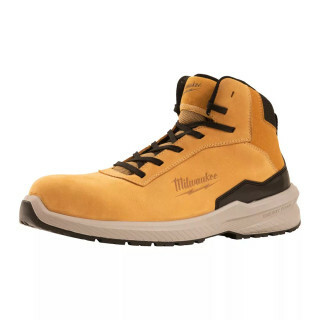
  • Walking concrete slabs, steel decks and hard standings all day, Milwaukee safety boots help cut down foot fatigue and give better ankle support than lighter footwear when you are constantly carrying tools and materials.
  • Moving between indoor fit-out and outdoor groundwork areas, Milwaukee work boots are suited to trades who need one pair that can handle mud, dust, rain and long hours without turning into dead weight by mid-afternoon.
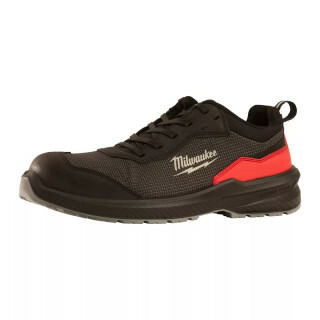
  • Using Milwaukee trainers on lighter duty jobs, fitters and maintenance teams get a more agile option for snagging, service work and warehouse shifts where safety toe protection still matters but full height boots feel overkill.

Choosing the Right Milwaukee Boots

Sorting the right pair is simple: match the footwear to the ground you walk and the weight you carry, not just what looks decent out the box.

1. Boots or Trainers

If you are on rough ground, wet plots or shifting heavier materials, go with Milwaukee safety boots for the added ankle support and coverage. If you are mainly indoors, doing fit-out, maintenance or warehouse work, Milwaukee safety trainers can feel less bulky and quicker underfoot.

2. Waterproofing Matters More Than Most Lads Think

If half your week is outside, do not ignore water resistance or waterproof builds. Wet feet on a ten hour shift will finish you off quicker than most people admit. For indoor-only work, you can often save weight by skipping full waterproof spec.

3. Sole Grip and Underfoot Feel

If you spend all day on concrete, look for Milwaukee footwear with decent cushioning and a sole that does not feel flat after lunch. If you are working mixed ground, ladders and muddy walkways, grip pattern and stability are more important than shaving a few grams off the pair.

4. Think About the Rest of Your Kit

Boots are only part of the job. If you are kitting yourself out properly, pair them with the right Milwaukee Site Safety, Milwaukee PPE and Milwaukee Work Clothes so you are covered head to toe, not just from the ankles down.

Who Uses These on Site?

  • Sparkies wear Milwaukee boots on first and second fix when they are up and down plots all day, carrying kit, stepping over waste and needing something safer than ordinary trainers.
  • Chippies and dryliners go for Milwaukee safety boots when they want toe protection and grip for moving sheet goods, cutting in on dusty floors and covering plenty of ground indoors.
  • Groundworkers, landscapers and civils crews lean towards the more supportive Milwaukee work boots for muddy access, uneven ground and jobs where wet conditions are just part of the week.
  • Maintenance teams, warehouse staff and service engineers often pick Milwaukee trainers because they are easier to move in for lighter site duties, but still give proper protection where standard shoes are not enough.

The Basics: Understanding Milwaukee Safety Footwear

With safety footwear, the main thing is knowing what level of protection and support you actually need for the work. Here is the simple version.

1. Safety Boots for More Support

Milwaukee safety boots cover higher round the ankle, which helps on uneven ground, outdoor work and jobs where you are carrying weight across site. They are the better shout when the ground is poor and the day is long.

2. Safety Trainers for Faster Moving Work

Milwaukee trainers still give site-ready protection, but with a lower cut and lighter feel. They suit indoor trades, maintenance and fit-out work where you are moving constantly and want less bulk around the ankle.

3. Waterproofing Changes the Shift

A waterproof pair is not about bragging rights, it is about finishing the day with dry feet when the weather turns or the ground stays soaked. If you are often outside, it is worth paying attention to straight away rather than after the first wet week.

Milwaukee Footwear Extras That Earn Their Keep

A few simple extras make Milwaukee boots last longer and feel better on long shifts.

1. Spare Insoles

If you are flattening the originals after weeks on concrete, a fresh set of insoles can save your heels and lower back. It is a cheap fix compared with putting up with dead underfoot support.

2. Boot Socks

Decent work socks stop rubbing, help manage sweat and make a big difference when boots are on from six in the morning. Bad socks will ruin even a good pair of Milwaukee safety boots.

3. Waterproofing and Care Products

If your boots are seeing mud, rain and slurry every week, cleaning and proofing them properly helps stop the uppers drying out and cracking. Ignore that and you will shorten the life of the pair for no good reason.

Choose the Right Milwaukee Boots for the Job

Use this quick guide to sort the right Milwaukee footwear for the work in front of you.

Your Job Category or Type Key Features
General site work on mixed ground Milwaukee safety boots Ankle support, toe protection, solid grip and better coverage in wet or rough conditions
Indoor fit-out and finishing work Milwaukee safety trainers Lighter feel, easier movement, safety toe protection and less bulk for long indoor shifts
Outdoor winter work and wet plots Waterproof Milwaukee work boots Weather protection, supportive upper and soles that keep footing on muddy access routes
Maintenance rounds and service calls Milwaukee shoes or trainers Comfort for driving and walking, site compliant protection and quicker on off use through the day

Common Buying and Usage Mistakes

  • Buying purely on weight and ignoring support. A super light pair sounds good until your ankles and arches are finished after a week on uneven ground. If you work outside or carry gear, choose proper Milwaukee safety boots over the lightest option.
  • Using safety trainers for heavy outdoor graft. They are spot on for lighter duties, but on muddy sites and rough access they can leave you wanting more support and weather protection. Match the cut of the footwear to the ground conditions.
  • Assuming every pair is waterproof. Some Milwaukee footwear is built more for breathability and lighter work, so always check the spec before ordering for winter or wet site use.
  • Letting mud and slurry dry on the boots for weeks. That wrecks materials, shortens life and makes them harder to waterproof again. Brush them down and dry them properly after the bad jobs.
  • Getting the fit wrong because they feel fine for five minutes indoors. Safety footwear needs to work through a full shift with socks on and feet swelling through the day, so give yourself enough room without letting your heel lift.

Safety Boots vs Safety Trainers vs Work Shoes

Milwaukee Safety Boots

Best for rougher sites, outdoor work and longer days on mixed ground. You get more ankle support and better coverage, but they can feel bulkier than trainers if you are mainly indoors on lighter duties.

Milwaukee Safety Trainers

A good shout for fit-out, maintenance and jobs where you are moving fast all day. They feel lighter and more flexible, but they are not always the best pick for deep mud, repeated wet weather or heavier carrying work.

Milwaukee Work Shoes

Useful where you want a lower profile option for warehouse, workshop or service work. They are easier for driving and walking, but if your day includes rough terrain or poor weather, boots usually make more sense.

Maintenance and Care

Clean Off Site Dirt Early

Brush mud, dust and plaster off Milwaukee boots after use rather than letting it bake on. It keeps materials in better nick and stops grit wearing away stitching and flex points.

Dry Them Properly

If they get soaked, air dry them naturally and do not ram them against a direct heater. Too much heat can harden uppers, damage adhesives and shorten the life of the pair.

Check Soles and Toe Areas

Look over the tread and front of the boots every week or so. If the grip is wearing smooth or the toe area is taking repeated punishment, sort it early before slips or split uppers become the bigger problem.

Refresh Waterproof Protection

Waterproof footwear still needs looking after. Clean it first, then reproof when water stops beading on the surface. That is the difference between dry socks and a miserable second half of the shift.

Replace When Support Has Gone

If the tread is shot, the insole is dead and the boot feels twisted or soft under load, it is time to replace them. Hanging on too long just means sore feet, poor grip and avoidable strain.

Why Shop for Milwaukee Boots at ITS?

Whether you need supportive Milwaukee Safety Boots for rough site work or lighter Milwaukee Safety Trainers for fit-out and maintenance, we stock the range in one place. It is all in our own warehouse and ready for next day delivery, so you can get the right Milwaukee footwear on site without hanging about.

Milwaukee Boots FAQs

Does Milwaukee Tools make boots?

Yes. Milwaukee does make safety footwear, including Milwaukee boots, Milwaukee safety boots and lighter trainer-style options for site use. They are aimed at trades who want the same practical, job-focused approach from their footwear as they get from the rest of the Milwaukee range.

Are Milwaukee boots made in the USA?

No, not as a rule. Milwaukee is an American brand, but its footwear manufacturing is global like most trade kit in this category. The better question is whether the pair has the right safety rating, fit and build for your work, because that is what affects the job day to day.

Are Milwaukee work boots waterproof?

Some are, some are not. You need to check the product spec on the individual pair because Milwaukee work boots and Milwaukee trainers can vary depending on the model. If you are outside most days, do not assume. Pick a waterproof pair on purpose.

Are Milwaukee trainers safe enough for site work?

Yes, if you choose a proper safety-rated pair and the site conditions suit them. Milwaukee safety trainers are a solid option for indoor trades, fit-out and maintenance, but for rough ground, heavier carrying or regular wet weather, most lads are better off in boots.

Do Milwaukee boots come up true to size?

Generally yes, but safety footwear always needs thinking about with work socks and a full shift in mind. You want enough room for your toes and foot swell through the day, but not so much that your heel lifts. If you sit between sizes, the socks you wear can make the decision for you.

Are Milwaukee shoes any good for long days on concrete?

They can be, especially the lighter Milwaukee shoes and trainers for indoor work, but underfoot comfort matters more than just low weight. If you are walking hard floors all day, look closely at cushioning and insole support. If the job is heavier, boots usually cope better over time.
Read more

Milwaukee Safety Boots & Trainers

Milwaukee boots are built for site graft, giving you proper underfoot protection, grip and support for long days on concrete, steel and rough ground.

If you're on your feet from first light, cheap footwear soon lets you know about it. Milwaukee safety boots and trainers are made for trades who are in and out of plots, workshops and muck all day, with protection that matters and comfort that lasts past break. Whether you want ankle support for heavier site work or lighter Milwaukee shoes for quicker moving jobs, this is the place to sort your Milwaukee footwear properly.

What Are Milwaukee Boots Used For?

  • Working across live sites and new builds, Milwaukee boots protect your feet from dropped fixings, sharp debris and rough ground while giving you enough grip for wet scaffold boards, dusty floors and uneven access routes.
  • Walking concrete slabs, steel decks and hard standings all day, Milwaukee safety boots help cut down foot fatigue and give better ankle support than lighter footwear when you are constantly carrying tools and materials.
  • Moving between indoor fit-out and outdoor groundwork areas, Milwaukee work boots are suited to trades who need one pair that can handle mud, dust, rain and long hours without turning into dead weight by mid-afternoon.
  • Using Milwaukee trainers on lighter duty jobs, fitters and maintenance teams get a more agile option for snagging, service work and warehouse shifts where safety toe protection still matters but full height boots feel overkill.

Choosing the Right Milwaukee Boots

Sorting the right pair is simple: match the footwear to the ground you walk and the weight you carry, not just what looks decent out the box.

1. Boots or Trainers

If you are on rough ground, wet plots or shifting heavier materials, go with Milwaukee safety boots for the added ankle support and coverage. If you are mainly indoors, doing fit-out, maintenance or warehouse work, Milwaukee safety trainers can feel less bulky and quicker underfoot.

2. Waterproofing Matters More Than Most Lads Think

If half your week is outside, do not ignore water resistance or waterproof builds. Wet feet on a ten hour shift will finish you off quicker than most people admit. For indoor-only work, you can often save weight by skipping full waterproof spec.

3. Sole Grip and Underfoot Feel

If you spend all day on concrete, look for Milwaukee footwear with decent cushioning and a sole that does not feel flat after lunch. If you are working mixed ground, ladders and muddy walkways, grip pattern and stability are more important than shaving a few grams off the pair.

4. Think About the Rest of Your Kit

Boots are only part of the job. If you are kitting yourself out properly, pair them with the right Milwaukee Site Safety, Milwaukee PPE and Milwaukee Work Clothes so you are covered head to toe, not just from the ankles down.

Who Uses These on Site?

  • Sparkies wear Milwaukee boots on first and second fix when they are up and down plots all day, carrying kit, stepping over waste and needing something safer than ordinary trainers.
  • Chippies and dryliners go for Milwaukee safety boots when they want toe protection and grip for moving sheet goods, cutting in on dusty floors and covering plenty of ground indoors.
  • Groundworkers, landscapers and civils crews lean towards the more supportive Milwaukee work boots for muddy access, uneven ground and jobs where wet conditions are just part of the week.
  • Maintenance teams, warehouse staff and service engineers often pick Milwaukee trainers because they are easier to move in for lighter site duties, but still give proper protection where standard shoes are not enough.

The Basics: Understanding Milwaukee Safety Footwear

With safety footwear, the main thing is knowing what level of protection and support you actually need for the work. Here is the simple version.

1. Safety Boots for More Support

Milwaukee safety boots cover higher round the ankle, which helps on uneven ground, outdoor work and jobs where you are carrying weight across site. They are the better shout when the ground is poor and the day is long.

2. Safety Trainers for Faster Moving Work

Milwaukee trainers still give site-ready protection, but with a lower cut and lighter feel. They suit indoor trades, maintenance and fit-out work where you are moving constantly and want less bulk around the ankle.

3. Waterproofing Changes the Shift

A waterproof pair is not about bragging rights, it is about finishing the day with dry feet when the weather turns or the ground stays soaked. If you are often outside, it is worth paying attention to straight away rather than after the first wet week.

Milwaukee Footwear Extras That Earn Their Keep

A few simple extras make Milwaukee boots last longer and feel better on long shifts.

1. Spare Insoles

If you are flattening the originals after weeks on concrete, a fresh set of insoles can save your heels and lower back. It is a cheap fix compared with putting up with dead underfoot support.

2. Boot Socks

Decent work socks stop rubbing, help manage sweat and make a big difference when boots are on from six in the morning. Bad socks will ruin even a good pair of Milwaukee safety boots.

3. Waterproofing and Care Products

If your boots are seeing mud, rain and slurry every week, cleaning and proofing them properly helps stop the uppers drying out and cracking. Ignore that and you will shorten the life of the pair for no good reason.

Choose the Right Milwaukee Boots for the Job

Use this quick guide to sort the right Milwaukee footwear for the work in front of you.

Your Job Category or Type Key Features
General site work on mixed ground Milwaukee safety boots Ankle support, toe protection, solid grip and better coverage in wet or rough conditions
Indoor fit-out and finishing work Milwaukee safety trainers Lighter feel, easier movement, safety toe protection and less bulk for long indoor shifts
Outdoor winter work and wet plots Waterproof Milwaukee work boots Weather protection, supportive upper and soles that keep footing on muddy access routes
Maintenance rounds and service calls Milwaukee shoes or trainers Comfort for driving and walking, site compliant protection and quicker on off use through the day

Common Buying and Usage Mistakes

  • Buying purely on weight and ignoring support. A super light pair sounds good until your ankles and arches are finished after a week on uneven ground. If you work outside or carry gear, choose proper Milwaukee safety boots over the lightest option.
  • Using safety trainers for heavy outdoor graft. They are spot on for lighter duties, but on muddy sites and rough access they can leave you wanting more support and weather protection. Match the cut of the footwear to the ground conditions.
  • Assuming every pair is waterproof. Some Milwaukee footwear is built more for breathability and lighter work, so always check the spec before ordering for winter or wet site use.
  • Letting mud and slurry dry on the boots for weeks. That wrecks materials, shortens life and makes them harder to waterproof again. Brush them down and dry them properly after the bad jobs.
  • Getting the fit wrong because they feel fine for five minutes indoors. Safety footwear needs to work through a full shift with socks on and feet swelling through the day, so give yourself enough room without letting your heel lift.

Safety Boots vs Safety Trainers vs Work Shoes

Milwaukee Safety Boots

Best for rougher sites, outdoor work and longer days on mixed ground. You get more ankle support and better coverage, but they can feel bulkier than trainers if you are mainly indoors on lighter duties.

Milwaukee Safety Trainers

A good shout for fit-out, maintenance and jobs where you are moving fast all day. They feel lighter and more flexible, but they are not always the best pick for deep mud, repeated wet weather or heavier carrying work.

Milwaukee Work Shoes

Useful where you want a lower profile option for warehouse, workshop or service work. They are easier for driving and walking, but if your day includes rough terrain or poor weather, boots usually make more sense.

Maintenance and Care

Clean Off Site Dirt Early

Brush mud, dust and plaster off Milwaukee boots after use rather than letting it bake on. It keeps materials in better nick and stops grit wearing away stitching and flex points.

Dry Them Properly

If they get soaked, air dry them naturally and do not ram them against a direct heater. Too much heat can harden uppers, damage adhesives and shorten the life of the pair.

Check Soles and Toe Areas

Look over the tread and front of the boots every week or so. If the grip is wearing smooth or the toe area is taking repeated punishment, sort it early before slips or split uppers become the bigger problem.

Refresh Waterproof Protection

Waterproof footwear still needs looking after. Clean it first, then reproof when water stops beading on the surface. That is the difference between dry socks and a miserable second half of the shift.

Replace When Support Has Gone

If the tread is shot, the insole is dead and the boot feels twisted or soft under load, it is time to replace them. Hanging on too long just means sore feet, poor grip and avoidable strain.

Why Shop for Milwaukee Boots at ITS?

Whether you need supportive Milwaukee Safety Boots for rough site work or lighter Milwaukee Safety Trainers for fit-out and maintenance, we stock the range in one place. It is all in our own warehouse and ready for next day delivery, so you can get the right Milwaukee footwear on site without hanging about.

Milwaukee Boots FAQs

Does Milwaukee Tools make boots?

Yes. Milwaukee does make safety footwear, including Milwaukee boots, Milwaukee safety boots and lighter trainer-style options for site use. They are aimed at trades who want the same practical, job-focused approach from their footwear as they get from the rest of the Milwaukee range.

Are Milwaukee boots made in the USA?

No, not as a rule. Milwaukee is an American brand, but its footwear manufacturing is global like most trade kit in this category. The better question is whether the pair has the right safety rating, fit and build for your work, because that is what affects the job day to day.

Are Milwaukee work boots waterproof?

Some are, some are not. You need to check the product spec on the individual pair because Milwaukee work boots and Milwaukee trainers can vary depending on the model. If you are outside most days, do not assume. Pick a waterproof pair on purpose.

Are Milwaukee trainers safe enough for site work?

Yes, if you choose a proper safety-rated pair and the site conditions suit them. Milwaukee safety trainers are a solid option for indoor trades, fit-out and maintenance, but for rough ground, heavier carrying or regular wet weather, most lads are better off in boots.

Do Milwaukee boots come up true to size?

Generally yes, but safety footwear always needs thinking about with work socks and a full shift in mind. You want enough room for your toes and foot swell through the day, but not so much that your heel lifts. If you sit between sizes, the socks you wear can make the decision for you.

Are Milwaukee shoes any good for long days on concrete?

They can be, especially the lighter Milwaukee shoes and trainers for indoor work, but underfoot comfort matters more than just low weight. If you are walking hard floors all day, look closely at cushioning and insole support. If the job is heavier, boots usually cope better over time.

ITS Click and Collect Icon
What3Words:
Get Directions
Store Opening Hours
Opening times