Milwaukee Heated Clothing Milwaukee Heated Clothing

Milwaukee Heated Clothing

Milwaukee heated jacket kit keeps you warm when the job will not wait, with M12-powered heated clothing built for cold site starts, outside graft, and long winter shifts.

When you're first on site, stood on a scaffold, in a half-finished plot, or loading out before daylight, cold gets into your hands, back, and shoulders fast. That's where Milwaukee heated clothing earns its keep. A Milwaukee heated jacket, Milwaukee heated hoodie, or Milwaukee heated gilet gives you proper wearable warmth without piling on bulky layers that slow you down. Built around the M12 battery system, these heated clothes suit sparks, fitters, maintenance teams, and anyone working through winter callouts or exposed outdoor jobs. If you want site kit that keeps you moving and not shivering, pick the right layer and get sorted.

What Are Milwaukee Heated Jackets Used For?

  • Working outside on cold first-fix jobs, a Milwaukee heated jacket keeps your core warm when you are running cable, fixing brackets, or setting out in open weather.
  • Starting early on winter site shifts, a Milwaukee heated hoodie or heated fleece takes the edge off before the building is sealed up and the temp comes up.
  • Loading vans, handling materials, and doing yard work, a Milwaukee heated gilet keeps warmth round your body while leaving your arms free for lifting and carrying.
  • Turning up to breakdowns and maintenance callouts, heated clothes help plumbers, sparks, and service engineers stay comfortable in plant rooms, rooftops, and unheated units.
  • Layering under waterproofs on jobs you cannot put off till it is dry, Milwaukee heated clothing gives steady heat without the bulk of extra jumpers and coats.

Choosing the Right Milwaukee Heated Clothing

Sorting the right one is simple: match the warmth, fit, and outer layer to the job, not just the weather.

1. Jacket vs Gilet

If you are outside for most of the day in wind and cold, go for a Milwaukee heated jacket. If you are active, lifting, climbing, or wearing it under another layer, a gilet or heated body warmer is usually the better shout because you keep your arms free.

2. Hoodie vs Outerwear

A Milwaukee heated hoodie works well for general site wear, van-to-job use, and indoor cold spots. If you are dealing with exposed weather, damp mornings, or long periods outside, a proper heated coat or jacket makes more sense as your main outer layer.

3. Battery and Runtime

If you are only using it for short early starts or quick callouts, a smaller M12 battery may do the job. If you are out all day, do not skimp. Carry a bigger pack or a spare, because running out of heat halfway through a freezing shift gets old quickly.

4. Fit for Layering

Do not buy it too tight. If you wear thermals, hoodies, or waterproofs over the top, leave enough room to move properly. Too snug and it feels restrictive. Too loose and you lose some of the benefit when cold air keeps circulating round you.

Who Uses These on Site?

  • Sparkies rate a Milwaukee heated jacket for outside containment, temporary power, and winter first-fix, especially when they are moving between indoor and exposed areas all day.
  • Plumbers and heating engineers use heated hoodies and heated body warmers for lofts, plant rooms, and cold new-builds where there is no heat on yet.
  • Groundworkers, roofers, and landscapers swear by a Milwaukee heated gilet or heated vest because it keeps the core warm without turning arm movement stiff when lifting, fixing, or digging.
  • Maintenance teams and FM engineers keep one in the van for early starts, roof access, and outdoor callouts when standing still in the cold is half the battle.
  • Site managers, snagging teams, and delivery crews use Milwaukee heated clothing for walk-rounds and handovers when they are outside for hours but still need to move freely.

The Basics: Understanding Milwaukee Heated Clothing

This kit is straightforward. It uses a compact M12 battery and built-in heating zones to warm your core where cold usually bites first. Here is the simple version.

1. Battery Powered Heat

A Milwaukee heated jacket or Milwaukee heated hoodie runs from the M12 battery system. That means proper cordless heat on site, in the van, or on a callout without trailing leads or disposable warmers.

2. Heat Zones Where It Counts

The warmth is focused through built-in heated panels, usually across the chest, back, and pockets. In real terms, that keeps your body temperature steadier when you are standing about, working outside, or moving between warm and cold areas.

3. Adjustable Heat Settings

Most models give you more than one heat level, so you can turn it up for bitter starts and dial it back once you are moving. That helps balance comfort and battery life over the shift.

Milwaukee Heated Clothing Extras That Make Sense on Site

A few simple add-ons stop your heated kit becoming dead weight halfway through the job.

1. Spare M12 Batteries

This is the obvious one. If your Milwaukee heated jacket with battery gets you through the morning but not the full shift, a spare pack saves you standing on a cold site with a jacket that is just another layer.

2. M12 Chargers

Keep one in the van or workshop so you are not relying on remembering to charge up at home. It is a small thing until you turn up to a freezing job and realise yesterday's battery is still flat.

3. Base Layers and Thermals

A decent thermal layer helps the heat stay where it should instead of escaping straight out. It also means you can run lower settings and stretch runtime a lot further on long winter shifts.

Choose the Right Milwaukee Heated Clothing for the Job

Use this quick guide to match the layer to the job in front of you.

Your Job Category or Type Key Features
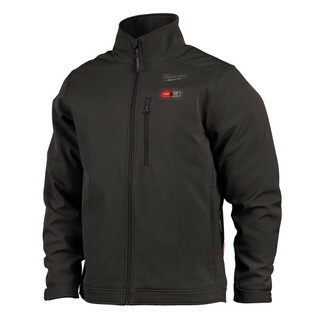
Cold outdoor first-fix, roofing, or exposed site work Milwaukee heated jacket Full outer layer warmth, better weather protection, M12 battery heat, suited to long spells outside
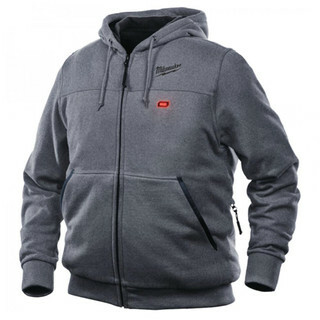
General winter site wear with plenty of movement Milwaukee heated hoodie Softer fit, easy layering, good for part-indoor and part-outdoor work, less bulky than a coat
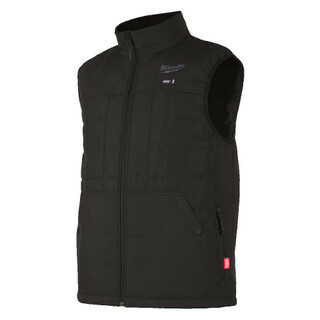
Lifting, climbing, van loading, and active work Milwaukee heated gilet Core warmth without bulky sleeves, easy under a shell, better freedom round shoulders and arms
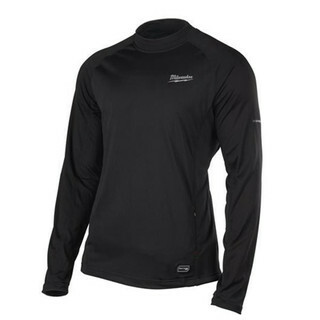
Extra warmth under jackets in very cold conditions Heated thermal clothing Close-fit layering, low bulk, helps hold heat in, useful under waterproofs or work coats
Mixed site and off-site use through winter Heated fleece or body warmer Comfortable all-day wear, good mid-layer option, enough heat for yard work, driving, and callouts

Common Buying and Usage Mistakes

  • Buying the warmest-looking option instead of the right layer for the job. A full Milwaukee heated coat is great for standing out in the cold, but if you are constantly climbing, lifting, or crawling about, a heated gilet or hoodie is often more practical.
  • Ignoring battery runtime. If you only buy one small battery and expect all-day heat, you will be disappointed. Match the pack size to the shift length or keep a spare charged and ready.
  • Choosing the wrong fit for layering. Too tight and it restricts movement with thermals or hoodies underneath. Too loose and you lose heat efficiency, especially in windy conditions.
  • Treating it like a standard jacket when cleaning. Heated clothes have electronics built in, so follow the wash instructions properly and remove the battery and controller parts where required before chucking it in with the rest of the work gear.
  • Using heated clothing as a replacement for proper weather protection. It adds warmth, but in heavy rain or harsh wind you still need the right outer shell over the top or you will end up cold and wet anyway.

Heated Jackets vs Heated Hoodies vs Heated Gilets

Heated Jackets

Best for proper outdoor exposure, cold starts, and jobs where wind chill is the main issue. A Milwaukee heated jacket gives you more coverage and works well as your main outer layer, but it can feel bulkier than a hoodie or gilet if you are working flat out.

Heated Hoodies

A Milwaukee heated hoodie suits mixed environments where you are in and out of plots, units, lofts, and vans all day. It is usually the better choice for comfort and flexibility, but it is not the first pick for harsh weather with no extra layer over it.

Heated Gilets

Milwaukee heated gilets are ideal when arm movement matters more than full sleeve coverage. They are spot on under a shell or over a base layer, but on their own they will not shield you like a jacket when the weather turns.

Which One to Buy

If you stand around outside a lot, buy the jacket. If you move between cold and sheltered areas, go hoodie. If you graft hard and need freedom through the shoulders, the gilet is usually the smarter buy.

Maintenance and Care

Remove the Battery Before Cleaning

Sounds obvious, but it gets missed. Always remove the M12 battery and check the garment instructions before washing, otherwise you risk damaging the heating setup or connectors.

Clean Off Site Grime Properly

Mud, plaster dust, and general site muck will shorten the life of any jacket if you leave it caked on. Brush heavy dirt off first and wash it as directed rather than letting grime build up around seams and zips.

Store It Dry

Do not screw it up wet in the back of the van for a week. Let the garment dry fully before storing it, especially after wet weather jobs, or the fabric and electrical parts will not thank you.

Check Cables and Pockets

Give the battery pocket, lead routing, and connectors a quick look every so often. If something is snagging, wearing through, or getting crushed by tools in the van, sort it before the heat cuts out on site.

Replace When the Garment Is Past It

If the zip is gone, the fabric is torn to bits, or the heating performance has dropped off badly, do not keep forcing it through another winter. Worn heated workwear soon becomes more hassle than help.

Why Shop for Milwaukee Heated Clothing at ITS?

Whether you need Milwaukee Heated Jackets for full outdoor cover, Milwaukee Heated Gilets for lighter core warmth, Milwaukee Heated Hoodies for everyday winter wear, Milwaukee Heated Thermal Clothing for layering, or broader Milwaukee Work Clothes, we stock the lot. It is all in our own warehouse, ready for fast next day delivery, so you can get the right heated jacket milwaukee kit on site without hanging about.

Milwaukee Heated Clothing FAQs

Which battery system is used for Milwaukee heated clothing?

Milwaukee heated clothing uses the M12 battery system. That is good news if you already run Milwaukee M12 kit, because you can keep batteries and chargers in the same setup rather than carrying another platform just for your jacket or hoodie.

How long does the heat last on a single charge?

It depends on the battery size, the heat setting, and how cold the job is. On lower settings you will get much longer runtime than on high. In plain terms, if you are out all day in winter, carry a spare battery rather than hoping one pack will see you through.

Can you wash Milwaukee heated jackets and hoodies?

Yes, but do it properly. Remove the battery first and follow the garment care label. They are built for site wear, but they are not something you should treat like an old cotton hoodie and just throw in without checking.

Are there different heat settings available?

Yes, most Milwaukee heated jackets, hoodies, and gilets have multiple heat settings. That lets you turn it up for bitter early starts, then back it off once you are moving or working indoors to save battery.

Is a Milwaukee heated hoodie warm enough on its own in winter?

For light outdoor work, van runs, and mixed indoor jobs, yes, often it is. But for exposed sites, rain, and proper wind chill, you will still want a shell or heavier outer layer over it. Think of it as working warmth, not magic.

Does a heated gilet actually make sense, or should I just get a jacket?

It makes perfect sense if you are active and do not want bulky sleeves getting in the way. A heated gilet keeps your core warm and layers well under waterproofs. If you spend more time standing around in the open, the jacket is usually the better call.
Read more

Milwaukee Heated Clothing

Milwaukee heated jacket kit keeps you warm when the job will not wait, with M12-powered heated clothing built for cold site starts, outside graft, and long winter shifts.

When you're first on site, stood on a scaffold, in a half-finished plot, or loading out before daylight, cold gets into your hands, back, and shoulders fast. That's where Milwaukee heated clothing earns its keep. A Milwaukee heated jacket, Milwaukee heated hoodie, or Milwaukee heated gilet gives you proper wearable warmth without piling on bulky layers that slow you down. Built around the M12 battery system, these heated clothes suit sparks, fitters, maintenance teams, and anyone working through winter callouts or exposed outdoor jobs. If you want site kit that keeps you moving and not shivering, pick the right layer and get sorted.

What Are Milwaukee Heated Jackets Used For?

  • Working outside on cold first-fix jobs, a Milwaukee heated jacket keeps your core warm when you are running cable, fixing brackets, or setting out in open weather.
  • Starting early on winter site shifts, a Milwaukee heated hoodie or heated fleece takes the edge off before the building is sealed up and the temp comes up.
  • Loading vans, handling materials, and doing yard work, a Milwaukee heated gilet keeps warmth round your body while leaving your arms free for lifting and carrying.
  • Turning up to breakdowns and maintenance callouts, heated clothes help plumbers, sparks, and service engineers stay comfortable in plant rooms, rooftops, and unheated units.
  • Layering under waterproofs on jobs you cannot put off till it is dry, Milwaukee heated clothing gives steady heat without the bulk of extra jumpers and coats.

Choosing the Right Milwaukee Heated Clothing

Sorting the right one is simple: match the warmth, fit, and outer layer to the job, not just the weather.

1. Jacket vs Gilet

If you are outside for most of the day in wind and cold, go for a Milwaukee heated jacket. If you are active, lifting, climbing, or wearing it under another layer, a gilet or heated body warmer is usually the better shout because you keep your arms free.

2. Hoodie vs Outerwear

A Milwaukee heated hoodie works well for general site wear, van-to-job use, and indoor cold spots. If you are dealing with exposed weather, damp mornings, or long periods outside, a proper heated coat or jacket makes more sense as your main outer layer.

3. Battery and Runtime

If you are only using it for short early starts or quick callouts, a smaller M12 battery may do the job. If you are out all day, do not skimp. Carry a bigger pack or a spare, because running out of heat halfway through a freezing shift gets old quickly.

4. Fit for Layering

Do not buy it too tight. If you wear thermals, hoodies, or waterproofs over the top, leave enough room to move properly. Too snug and it feels restrictive. Too loose and you lose some of the benefit when cold air keeps circulating round you.

Who Uses These on Site?

  • Sparkies rate a Milwaukee heated jacket for outside containment, temporary power, and winter first-fix, especially when they are moving between indoor and exposed areas all day.
  • Plumbers and heating engineers use heated hoodies and heated body warmers for lofts, plant rooms, and cold new-builds where there is no heat on yet.
  • Groundworkers, roofers, and landscapers swear by a Milwaukee heated gilet or heated vest because it keeps the core warm without turning arm movement stiff when lifting, fixing, or digging.
  • Maintenance teams and FM engineers keep one in the van for early starts, roof access, and outdoor callouts when standing still in the cold is half the battle.
  • Site managers, snagging teams, and delivery crews use Milwaukee heated clothing for walk-rounds and handovers when they are outside for hours but still need to move freely.

The Basics: Understanding Milwaukee Heated Clothing

This kit is straightforward. It uses a compact M12 battery and built-in heating zones to warm your core where cold usually bites first. Here is the simple version.

1. Battery Powered Heat

A Milwaukee heated jacket or Milwaukee heated hoodie runs from the M12 battery system. That means proper cordless heat on site, in the van, or on a callout without trailing leads or disposable warmers.

2. Heat Zones Where It Counts

The warmth is focused through built-in heated panels, usually across the chest, back, and pockets. In real terms, that keeps your body temperature steadier when you are standing about, working outside, or moving between warm and cold areas.

3. Adjustable Heat Settings

Most models give you more than one heat level, so you can turn it up for bitter starts and dial it back once you are moving. That helps balance comfort and battery life over the shift.

Milwaukee Heated Clothing Extras That Make Sense on Site

A few simple add-ons stop your heated kit becoming dead weight halfway through the job.

1. Spare M12 Batteries

This is the obvious one. If your Milwaukee heated jacket with battery gets you through the morning but not the full shift, a spare pack saves you standing on a cold site with a jacket that is just another layer.

2. M12 Chargers

Keep one in the van or workshop so you are not relying on remembering to charge up at home. It is a small thing until you turn up to a freezing job and realise yesterday's battery is still flat.

3. Base Layers and Thermals

A decent thermal layer helps the heat stay where it should instead of escaping straight out. It also means you can run lower settings and stretch runtime a lot further on long winter shifts.

Choose the Right Milwaukee Heated Clothing for the Job

Use this quick guide to match the layer to the job in front of you.

Your Job Category or Type Key Features
Cold outdoor first-fix, roofing, or exposed site work Milwaukee heated jacket Full outer layer warmth, better weather protection, M12 battery heat, suited to long spells outside
General winter site wear with plenty of movement Milwaukee heated hoodie Softer fit, easy layering, good for part-indoor and part-outdoor work, less bulky than a coat
Lifting, climbing, van loading, and active work Milwaukee heated gilet Core warmth without bulky sleeves, easy under a shell, better freedom round shoulders and arms
Extra warmth under jackets in very cold conditions Heated thermal clothing Close-fit layering, low bulk, helps hold heat in, useful under waterproofs or work coats
Mixed site and off-site use through winter Heated fleece or body warmer Comfortable all-day wear, good mid-layer option, enough heat for yard work, driving, and callouts

Common Buying and Usage Mistakes

  • Buying the warmest-looking option instead of the right layer for the job. A full Milwaukee heated coat is great for standing out in the cold, but if you are constantly climbing, lifting, or crawling about, a heated gilet or hoodie is often more practical.
  • Ignoring battery runtime. If you only buy one small battery and expect all-day heat, you will be disappointed. Match the pack size to the shift length or keep a spare charged and ready.
  • Choosing the wrong fit for layering. Too tight and it restricts movement with thermals or hoodies underneath. Too loose and you lose heat efficiency, especially in windy conditions.
  • Treating it like a standard jacket when cleaning. Heated clothes have electronics built in, so follow the wash instructions properly and remove the battery and controller parts where required before chucking it in with the rest of the work gear.
  • Using heated clothing as a replacement for proper weather protection. It adds warmth, but in heavy rain or harsh wind you still need the right outer shell over the top or you will end up cold and wet anyway.

Heated Jackets vs Heated Hoodies vs Heated Gilets

Heated Jackets

Best for proper outdoor exposure, cold starts, and jobs where wind chill is the main issue. A Milwaukee heated jacket gives you more coverage and works well as your main outer layer, but it can feel bulkier than a hoodie or gilet if you are working flat out.

Heated Hoodies

A Milwaukee heated hoodie suits mixed environments where you are in and out of plots, units, lofts, and vans all day. It is usually the better choice for comfort and flexibility, but it is not the first pick for harsh weather with no extra layer over it.

Heated Gilets

Milwaukee heated gilets are ideal when arm movement matters more than full sleeve coverage. They are spot on under a shell or over a base layer, but on their own they will not shield you like a jacket when the weather turns.

Which One to Buy

If you stand around outside a lot, buy the jacket. If you move between cold and sheltered areas, go hoodie. If you graft hard and need freedom through the shoulders, the gilet is usually the smarter buy.

Maintenance and Care

Remove the Battery Before Cleaning

Sounds obvious, but it gets missed. Always remove the M12 battery and check the garment instructions before washing, otherwise you risk damaging the heating setup or connectors.

Clean Off Site Grime Properly

Mud, plaster dust, and general site muck will shorten the life of any jacket if you leave it caked on. Brush heavy dirt off first and wash it as directed rather than letting grime build up around seams and zips.

Store It Dry

Do not screw it up wet in the back of the van for a week. Let the garment dry fully before storing it, especially after wet weather jobs, or the fabric and electrical parts will not thank you.

Check Cables and Pockets

Give the battery pocket, lead routing, and connectors a quick look every so often. If something is snagging, wearing through, or getting crushed by tools in the van, sort it before the heat cuts out on site.

Replace When the Garment Is Past It

If the zip is gone, the fabric is torn to bits, or the heating performance has dropped off badly, do not keep forcing it through another winter. Worn heated workwear soon becomes more hassle than help.

Why Shop for Milwaukee Heated Clothing at ITS?

Whether you need Milwaukee Heated Jackets for full outdoor cover, Milwaukee Heated Gilets for lighter core warmth, Milwaukee Heated Hoodies for everyday winter wear, Milwaukee Heated Thermal Clothing for layering, or broader Milwaukee Work Clothes, we stock the lot. It is all in our own warehouse, ready for fast next day delivery, so you can get the right heated jacket milwaukee kit on site without hanging about.

Milwaukee Heated Clothing FAQs

Which battery system is used for Milwaukee heated clothing?

Milwaukee heated clothing uses the M12 battery system. That is good news if you already run Milwaukee M12 kit, because you can keep batteries and chargers in the same setup rather than carrying another platform just for your jacket or hoodie.

How long does the heat last on a single charge?

It depends on the battery size, the heat setting, and how cold the job is. On lower settings you will get much longer runtime than on high. In plain terms, if you are out all day in winter, carry a spare battery rather than hoping one pack will see you through.

Can you wash Milwaukee heated jackets and hoodies?

Yes, but do it properly. Remove the battery first and follow the garment care label. They are built for site wear, but they are not something you should treat like an old cotton hoodie and just throw in without checking.

Are there different heat settings available?

Yes, most Milwaukee heated jackets, hoodies, and gilets have multiple heat settings. That lets you turn it up for bitter early starts, then back it off once you are moving or working indoors to save battery.

Is a Milwaukee heated hoodie warm enough on its own in winter?

For light outdoor work, van runs, and mixed indoor jobs, yes, often it is. But for exposed sites, rain, and proper wind chill, you will still want a shell or heavier outer layer over it. Think of it as working warmth, not magic.

Does a heated gilet actually make sense, or should I just get a jacket?

It makes perfect sense if you are active and do not want bulky sleeves getting in the way. A heated gilet keeps your core warm and layers well under waterproofs. If you spend more time standing around in the open, the jacket is usually the better call.
ITS Click and Collect Icon
What3Words:
Get Directions
Store Opening Hours
Opening times