Milwaukee SHOCKWAVE Drill Bits
Milwaukee SHOCKWAVE drill bits are built for site drilling through metal, timber and masonry, with impact-rated options that take proper daily abuse.
When you're drilling all day, cheap bits burn out, wander off line, or snap just when you need the hole finished. Milwaukee SHOCKWAVE drill bits are the sort of kit trades keep in the van for first fix, snagging, steel, timber and mixed material work, with sets and singles that hold up better under impact drivers and combis. If you need a milwaukee shockwave drill bit set that matches the jobs in front of you, start with the material and buy properly.
What Are Milwaukee SHOCKWAVE Drill Bits Used For?
- Drilling clean holes through sheet steel, trunking, brackets and fixings on electrical and mechanical installs is where Milwaukee SHOCKWAVE HSS drill bits earn their keep, especially when the job moves fast and bits get worked hard.
- Boring into block, brick and similar masonry for plugs, clips and light fixings suits Milwaukee SHOCKWAVE masonry drill bits when you need something that can live in a site case instead of being babied in the van.
- Opening out holes in metalwork, conduit boxes and panel work is exactly why plenty of fitters keep Milwaukee Step Drill Bits close to hand for cleaner enlargement without swapping half your kit.
- Running rough holes through joists and timber framing on first fix is quicker with auger patterns, and Milwaukee SHOCKWAVE Auger Drill Bits are built for that sort of repetitive timber work.
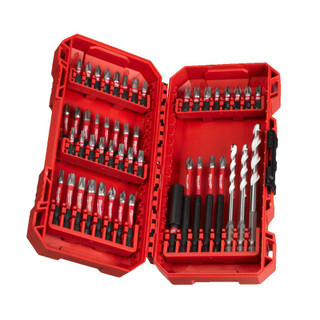
- Keeping a milwaukee shockwave drill and screw set 40 pieces in the van makes sense for breakdowns, second fix and punch-list jobs, because you've got common drilling and driving sizes together instead of hunting through mixed tubs.
Choosing the Right Milwaukee SHOCKWAVE Drill Bits
Match the bit to the material first. That sounds obvious, but it is where most wasted money starts.
1. Metal, Masonry or Timber
If you are drilling steel, stainless or general metalwork, go for HSS or titanium-coated metal bits. If you are fixing into brick or block, buy proper masonry patterns, not a mixed set and wishful thinking. For joists and framing, auger bits are the faster choice and put less strain on the tool.
2. Singles vs Sets
If you keep killing the same two or three sizes, buy singles and a few spares. If your work changes day to day, a milwaukee shockwave drill bit set is the better shout because it keeps the common sizes together and stops you making do with the wrong bit.
3. Impact Use
If the bits are going in an impact driver, do not guess. Milwaukee SHOCKWAVE impact duty drill bits are made for that repeated torsion. Standard bits can work in light use, but on regular site drilling they are far more likely to twist, overheat or snap.
4. Hole Shape and Finish
If you need to enlarge holes in thin metal or conduit neatly, step drills are the right tool. If you need straight drilling in metal bar, fixings or plate, use a proper HSS pattern. Pick for the finish you need, not just the diameter on the packet.
Who Uses These on Site?
- Sparkies use Milwaukee SHOCKWAVE drill bits for drilling trunking, back boxes, metal fixings and light masonry, usually straight from an impact driver when they are moving room to room on first fix.
- Plumbers and HVAC fitters swear by a milwaukee shockwave drill bit set for brackets, clips, plant housings and sheet material, because the bits cope better with mixed jobs where steel and masonry turn up in the same hour.
- Joiners and chippies keep wood and auger options ready for studwork, joists and general timber boring, especially when they want bits that do not give up after a few hidden nails or awkward angles.
- Maintenance teams and fitters like these for service work and snagging, where one case covering metal, masonry and driving saves time walking back to the van for odd sizes.
The Basics: Understanding Milwaukee SHOCKWAVE Drill Bits
The main thing to understand is that SHOCKWAVE covers different bit types for different materials. The name matters less than choosing the right pattern for the actual hole you need to make.
1. Impact Duty Means Built for Driver Abuse
Milwaukee SHOCKWAVE impact duty drill bits are designed to deal with the twisting force that comes from impact drivers. On site, that means fewer snapped shanks and a better chance of the bit surviving repeated stop-start drilling.
2. Red Helix Is About Chip Clearance
Milwaukee SHOCKWAVE impact red helix bits use a flute design that helps clear swarf out of the hole. In plain terms, they drill cooler and cleaner in metal, which matters when you are doing repeated holes and do not want the bit binding up.
3. Coating and Tip Style Change the Job
Milwaukee SHOCKWAVE titanium drill bits are there for metal drilling longevity, masonry bits are for brick and block, and step drills are for opening out thin material. One range, different jobs, so buy by material rather than grabbing the first red case you see.
Useful Extras to Keep Your Drill Bits Working
A decent bit lasts longer and works straighter when you pair it with the right support kit.
1. Cutting Fluid
If you are drilling metal dry all day, you are cooking the edge and shortening bit life for no reason. A bit of cutting fluid keeps heat down, clears swarf better and stops you bluing the tip halfway through a run of holes.
2. Spare Common Sizes
The sizes you use for pilot holes, fixings and anchors always go first. Keep spare 3mm to 6mm metal and masonry sizes in the van so one broken bit does not stall the whole job.
3. Bit Cases and Organisers
Loose bits rattling around in the van end up blunt, rusty or missing. A proper case keeps sets complete, stops mixing worn and fresh bits, and saves the usual rummage when you need one size quickly.
Choose the Right Milwaukee SHOCKWAVE Drill Bits for the Job
Use this quick guide to sort the right bit type before you buy.
| Your Job | Bit Type | Key Features |
|---|---|---|
| Drilling steel brackets, trunking and sheet metal | Milwaukee SHOCKWAVE HSS Drill Bits | Metal cutting geometry, cleaner starts, better heat handling for repeated holes |
| Fixing into brick and block | Milwaukee SHOCKWAVE masonry drill bits | Tungsten carbide tip, suited to hammer drilling, built for plugs and anchor points |
| Opening out holes in conduit boxes and thin metal | Milwaukee SHOCKWAVE step drill bits | One bit covers multiple sizes, cleaner enlargement, less grabbing in sheet material |
| Boring through joists and framing timber | Milwaukee SHOCKWAVE auger drill bits | Fast chip removal, deeper timber drilling, better for repetitive first-fix boring |
| General van stock for mixed snagging and install work | Milwaukee SHOCKWAVE drill bit set | Common sizes together, quicker selection on site, less downtime hunting odd bits |
Common Buying and Usage Mistakes
- Buying one mixed set for every material is the usual mistake. Metal, masonry and timber all want different bit geometry, so the fix is simple: buy for the material you drill most, then top up with specialist bits.
- Running metal bits too fast and too dry burns the edge off quickly. Slow the speed down, use steady pressure and add cutting fluid when drilling steel if you want the bit to last.
- Using worn masonry bits for critical fixing holes leads to loose plugs and sloppy finishes. If the tip is rounded or the hole comes out oversized, replace it before it starts costing you time on snagging.
- Forcing standard drill bits through impact driver work all week usually ends in snapped shanks. If the tool is an impact driver, use impact-rated bits and stop treating replacements as a normal running cost.
- Ignoring the sizes you actually use means you end up with a full case and nothing useful left. Keep spare common diameters instead of buying a fancy set once and hoping it covers the next six months.
HSS vs Masonry vs Step Drill Bits
HSS Drill Bits
These are the choice for metal, plastics and general precise drilling. They give a cleaner, truer hole in steel than masonry bits ever will, but they are the wrong choice for brick and block.
Masonry Drill Bits
Use these for brick, block and similar materials where hammer action is needed. They are built for dusty, abrasive drilling, but they will make a mess of metal and are no substitute for HSS.
Step Drill Bits
Best for enlarging and sizing holes in thin metal, plastic and conduit boxes without swapping bits. They are tidy and quick in sheet material, but they are not the tool for deep drilling or masonry work.
Maintenance and Care
Clean Swarf and Dust Off
After use, wipe metal swarf and masonry dust off before bits go back in the case. Leaving grit on them just wears the finish and makes the next job harder to start cleanly.
Keep Them Dry
Bits left loose in a damp van tray soon pick up rust, especially after wet site work. Store them in their case and keep the case off the floor if the van is prone to condensation.
Use the Right Speed
Most bit damage is heat damage. Lower speeds for metal, steady feed pressure and a bit of lubricant will do more for bit life than any coating on the packet.
Replace Blunt Favourites Early
If your regular sizes stop cutting cleanly or start wandering, replace them before they chew up workpieces and fixings. A blunt 5mm bit costs more in wasted time than a fresh one costs to buy.
Separate Worn and New Bits
Do not throw used replacements back in with fresh stock if you want consistent drilling. Keep worn bits to one side for rough work and keep your sharper set for neat visible jobs.
Why Shop for Milwaukee SHOCKWAVE Drill Bits at ITS?
Whether you need a single replacement for metalwork, a full milwaukee shockwave drill bit set for the van, or specialist options like Milwaukee SHOCKWAVE HSS Drill Bits and Milwaukee Masonry Drill Bits, we stock the range properly. We also carry alternatives like Vaunt Masonry Drill Bits when the job calls for it. It is all in our own warehouse, in stock, and ready for next day delivery.
Milwaukee SHOCKWAVE Drill Bits FAQs
Are Milwaukee Shockwave drill bits good for metal?
Yes, especially the HSS and titanium options in the range. They are a solid choice for sheet steel, brackets, trunking and general metalwork, provided you use the right speed and do not cook them by drilling too fast.
Are Milwaukee Shockwave drill bits impact rated?
Many Milwaukee SHOCKWAVE bits are impact rated, but not every bit in every style should be treated the same, so always check the product type. If it is sold as SHOCKWAVE impact duty, it is built to handle the twisting force from impact drivers better than a standard drill bit.
What does Red Helix mean on Milwaukee drill bits?
Red Helix refers to Milwaukee's flute design on certain metal drilling bits. In real use, it helps lift swarf out of the hole more efficiently, which means cooler drilling, less binding and a cleaner cut when you are doing repeated holes in steel.
How long do Milwaukee Shockwave bits last vs standard bits?
In proper site use, they generally last longer than cheap standard bits because the shank and cutting design cope better with repeated drilling and impact use. That said, bit life still comes down to the material, speed, pressure and whether you are using the right bit for the job.
Is a Milwaukee SHOCKWAVE drill bit set worth it, or is it better to buy singles?
If your work changes from job to job, a set is worth having because it keeps the common sizes together and ready. If you burn through the same sizes every week, buy the set for coverage then top up your regular diameters as singles so you are not constantly robbing one case.
Can I use Milwaukee SHOCKWAVE masonry drill bits in concrete all day?
For light to medium fixing work, yes, they will handle concrete and masonry properly. For heavy repetitive concrete drilling, especially larger diameters, you are usually better stepping up to a dedicated SDS solution rather than expecting a standard masonry bit to do everything.