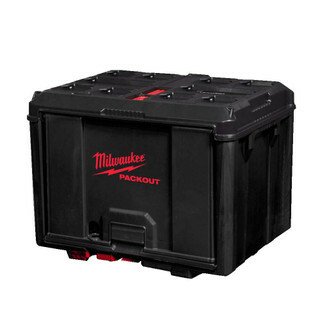
Milwaukee PACKOUT Workshop Milwaukee PACKOUT Workshop

Milwaukee PACKOUT Workshop

A proper work shop needs storage that keeps kit visible, secure, and easy to grab. Milwaukee Packout racking helps sort benches, vans, and wall space properly.

When the bench is buried, cases are stacked three deep, and you're wasting ten minutes looking for one bit holder, this is the fix. The Milwaukee PACKOUT workshop range is built for turning dead wall space into proper storage with plates, shelves, holders, cabinets and cases that lock in solid. If you're setting up a work shop, a van fit-out or a site container, build it once and keep your gear where it should be.

What Is Milwaukee PACKOUT Workshop Used For?

  • Setting up a work shop wall so drills, fixings, batteries and hand tools are off the bench and easy to grab during busy first fix and second fix work.
  • Fitting out small vans and service vehicles where Milwaukee PACKOUT racking keeps cases, shelves and holders locked in place instead of sliding about on every roundabout.
  • Organising site containers and welfare units so common gear stays together, stays visible and does not end up piled under offcuts, leads and empty boxes.
  • Building a dedicated maintenance area where mounted shelves, cabinets and tool holders keep inspection kit, consumables and charging gear in one sensible spot.
  • Sorting handover and snagging kit so the bits you use every day are mounted at eye level rather than buried in stacked boxes at the back of the work shop.

Choosing the Right Milwaukee PACKOUT Workshop

Sorting the right setup is simple: match the storage to what you grab most, not what looks tidy on day one.

1. Wall Plates First

If you are building a proper work shop layout, start with mounting plates first. They are the base of the system. Get your fixing points and spacing right, then add shelves, holders and cases around the gear you use every shift.

2. Open Storage vs Closed Storage

If you need quick access to batteries, fixings and everyday hand tools, go with open shelves and holders. If the kit is expensive, shared, or likely to gather dust and muck, cabinets and lockers make more sense.

3. Workshop Wall or Van Fit Out

If this is staying in a static work shop, you can spread out and build around your bench. If it is going in a van, keep the layout tighter, watch clearances, and make sure mounted cases and shelves do not foul doors or bulkheads.

4. Plan for Growth

Do not fill every plate on day one. Leave room for more batteries, more cases and the bits you have not bought yet. A packout racking setup works best when you can add to it without ripping the whole wall apart.

Who Uses These on Site?

  • Sparkies use Milwaukee PACKOUT workshop storage to keep testers, fixings, hole saws and consumables laid out properly, especially when the same bits are in and out all day.
  • Plumbers and heating engineers swear by packout racking in vans and workshops because it stops press tools, fittings and sealants getting mixed up or crushed under loose kit.
  • Joiners and fitters use it to store blades, screws, setting-out gear and small cases where they can see everything fast rather than hunting through stacks before every job.
  • Site managers and maintenance teams use wall plates, shelves and cabinets to keep shared gear controlled, tidy and harder to walk off on busy sites and in compounds.
  • Workshop owners and van fitters reach for this system when they want one layout that can be changed later without starting again from scratch.

The Basics: Understanding Milwaukee PACKOUT Workshop

The system is straightforward. You fix the base plates properly, then lock storage and holders onto them so your kit stays organised, visible and easy to remove when the job changes.

1. Mounting Plates Are the Foundation

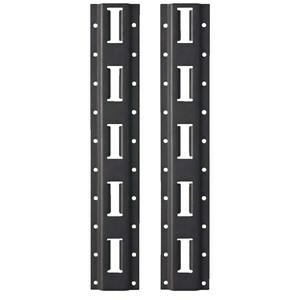
The wall plate is what turns a bare wall, van side or bench area into usable storage. Once fixed into a sound surface, it gives you the points needed to mount PACKOUT gear securely instead of balancing cases on shelves.

2. Locked In but Still Modular

Shelves, holders, cabinets and cases clip into the system so they stay put in day-to-day use, but you can still move them about when your setup changes. That matters when one week is first fix and the next is service work.

3. Build Around the Job Flow

The best layouts put the most-used gear nearest the bench, charger or van door. Heavy items go lower, daily-use bits stay at hand height, and less-used kit can sit higher up without getting in the way.

PACKOUT Workshop Accessories That Make the Setup Work

These are the add-ons that stop your wall system becoming another pile-up of cases and loose gear.

1. Mounting Plates

Start here. Without enough mounting plates, the whole layout gets compromised and you end up spacing things badly or leaving expensive kit balanced on a bench. Use Milwaukee Packout Mounting Plates to build the base properly.

2. Shelving

Shelves save you from stacking loose consumables, chargers and odd-shaped gear where they are always in the way. Milwaukee PACKOUT Shelving gives you open access for the bits you reach for all day.

3. Mounted Tool Holders

If your drill, impact driver or hand tools are forever ending up on the floor or under packaging, tool holders are worth fitting. Milwaukee PACKOUT Mounted Tool Holders keep the daily kit visible and stop bench clutter building up again.

4. Cabinets and Mounted Cases

For pricier gear, testing equipment and stock you do not want covered in dust, closed storage is the better shout. Milwaukee PACKOUT Mounted Tool Cases and Milwaukee PACKOUT Cabinets & Lockers keep it protected and where it belongs.

Choose the Right Milwaukee PACKOUT Workshop for the Job

Use this as a quick guide before you start building your layout.

Your Job PACKOUT Type Key Features
Building a fixed work shop wall above a bench Mounting plates with shelves and holders Solid wall fixing, fast access to daily kit, easy layout changes later on
Fitting out a small van for service work Compact plates with mounted cases Secure storage, tighter footprint, less movement in transit
Storing shared site tools and expensive gear Cabinets and lockers More protection, tidier control of stock, better for dusty areas
Keeping hand tools and drivers ready to grab Mounted tool holders Visible storage, less bench clutter, quicker tool changes during the job
Holding chargers, fixings and odd-shaped kit Open shelving Easy access, good visibility, handy for consumables and loose gear

Common Buying and Usage Mistakes

  • Buying plates and accessories before measuring the wall or van properly usually leaves you with wasted space, blocked doors or awkward gaps. Mark out the full layout first, then buy to the plan.
  • Loading heavy gear high up on the wall makes the setup less safe and more annoying to use. Keep the weight low and put everyday kit roughly at hand height.
  • Fixing into weak board or tired ply without proper support is asking for trouble. The system is only as sound as the surface behind it, so use the right fixings and a solid mounting area.
  • Using open storage for everything sounds tidy until dust, swarf and site muck get into expensive kit. Use cabinets or mounted cases where protection matters.
  • Overbuilding on day one can leave no room to expand when more batteries, tools or cases turn up. Leave spare capacity so the workshop system can grow with the job.

Open Shelving vs Mounted Cases vs Cabinets

Open Shelving

Best for chargers, consumables and the bits you need all day. It is the quickest to access, but it leaves gear exposed to dust and workshop mess.

Mounted Cases

A better option when you want tools and fixings packed by task and easy to unclip for the job. They take longer to access than open shelves, but they travel better and keep kit together.

Cabinets and Lockers

The right call for valuable tools, testing gear or stock you want covered and controlled. They are less instant than holders or shelves, but far better for protection and a cleaner-looking work shop.

Wall Plates and Holders

Ideal when speed matters and you want drivers, hand tools and daily kit right in front of you. They are brilliant for workflow, but they need sensible planning or the wall gets crowded fast.

Maintenance and Care

Check Fixings Regularly

Give wall plates, shelves and holders a quick check every so often, especially in vans or busy workshops where vibration and repeated loading can loosen things over time.

Keep the Mounting Points Clean

Dust, plaster and metal swarf build up quickly in a work shop. Brush the contact points and plate slots out now and then so accessories keep locking in properly.

Do Not Ignore Cracked or Damaged Parts

If a plate, shelf or holder has taken a proper knock and looks damaged, swap it out. It is not worth trusting expensive tools to a part that has already started to fail.

Clean Before Reorganising

When you change the layout, wipe everything down first. It is the easiest time to clear out dead batteries, empty fixings tubs and the rubbish that quietly fills shelves.

Store Weight Sensibly

Even if the system is rated for proper use, spreading heavy items sensibly will make it last longer. Put dense kit lower down and avoid hammering one shelf or plate with all the load.

Why Shop for Milwaukee PACKOUT Workshop at ITS?

Whether you are after one wall plate for a van or a full Milwaukee PACKOUT workshop layout with shelving, holders, cases and cabinets, we stock the lot. It is all in our own warehouse, ready for fast dispatch and next day delivery, so you can get your work shop sorted without hanging about.

Milwaukee PACKOUT Workshop FAQs

How do I mount the Milwaukee Packout wall plates in my workshop?

Fix them to a sound surface with suitable fixings for the wall material, and do not trust weak board on its own. Mark your layout first, keep everything level, and think about where heavy kit will sit before you start drilling. If it is a proper workshop setup, take the time to hit solid timber, masonry, or reinforced backing.

Can the Packout workshop system be customised for small vans?

Yes, that is one of the main reasons lads buy it. The trick is keeping the layout tight and practical so doors, shelves and cases do not foul each other in a smaller van. Use compact wall sections, mounted cases and holders for the gear you use every day, then leave a bit of room for future additions.

What is the weight limit for Packout wall-mounted shelves?

The exact limit depends on the shelf and how well the mounting setup is fixed behind it, so always check the individual product rating before loading it up. Be honest with it as well. Spread heavy kit sensibly, keep dense items lower down, and never assume the wall is stronger than it is.

Is Milwaukee PACKOUT workshop storage only for garages and home setups?

No. It works just as well in trade workshops, site containers, maintenance rooms and van fit-outs. The real benefit is stopping tools and consumables ending up in heaps, not making the place look pretty for photos.

Will PACKOUT racking stay solid in a working van, or will it rattle itself loose?

Done properly, it is solid. The weak point is usually the van lining or rushed fitting, not the system itself. Fix into a proper reinforced area, check fasteners now and then, and it will cope far better than loose boxes sliding round the floor.

Can I change the layout later, or am I stuck with the first setup?

Yes, you can change it later, and that is the whole point of modular storage. You can move holders, shelves and cases around as your kit changes. It is worth planning ahead though, because a sensible layout from the start saves a lot of reshuffling.
Read more

Milwaukee PACKOUT Workshop

A proper work shop needs storage that keeps kit visible, secure, and easy to grab. Milwaukee Packout racking helps sort benches, vans, and wall space properly.

When the bench is buried, cases are stacked three deep, and you're wasting ten minutes looking for one bit holder, this is the fix. The Milwaukee PACKOUT workshop range is built for turning dead wall space into proper storage with plates, shelves, holders, cabinets and cases that lock in solid. If you're setting up a work shop, a van fit-out or a site container, build it once and keep your gear where it should be.

What Is Milwaukee PACKOUT Workshop Used For?

  • Setting up a work shop wall so drills, fixings, batteries and hand tools are off the bench and easy to grab during busy first fix and second fix work.
  • Fitting out small vans and service vehicles where Milwaukee PACKOUT racking keeps cases, shelves and holders locked in place instead of sliding about on every roundabout.
  • Organising site containers and welfare units so common gear stays together, stays visible and does not end up piled under offcuts, leads and empty boxes.
  • Building a dedicated maintenance area where mounted shelves, cabinets and tool holders keep inspection kit, consumables and charging gear in one sensible spot.
  • Sorting handover and snagging kit so the bits you use every day are mounted at eye level rather than buried in stacked boxes at the back of the work shop.

Choosing the Right Milwaukee PACKOUT Workshop

Sorting the right setup is simple: match the storage to what you grab most, not what looks tidy on day one.

1. Wall Plates First

If you are building a proper work shop layout, start with mounting plates first. They are the base of the system. Get your fixing points and spacing right, then add shelves, holders and cases around the gear you use every shift.

2. Open Storage vs Closed Storage

If you need quick access to batteries, fixings and everyday hand tools, go with open shelves and holders. If the kit is expensive, shared, or likely to gather dust and muck, cabinets and lockers make more sense.

3. Workshop Wall or Van Fit Out

If this is staying in a static work shop, you can spread out and build around your bench. If it is going in a van, keep the layout tighter, watch clearances, and make sure mounted cases and shelves do not foul doors or bulkheads.

4. Plan for Growth

Do not fill every plate on day one. Leave room for more batteries, more cases and the bits you have not bought yet. A packout racking setup works best when you can add to it without ripping the whole wall apart.

Who Uses These on Site?

  • Sparkies use Milwaukee PACKOUT workshop storage to keep testers, fixings, hole saws and consumables laid out properly, especially when the same bits are in and out all day.
  • Plumbers and heating engineers swear by packout racking in vans and workshops because it stops press tools, fittings and sealants getting mixed up or crushed under loose kit.
  • Joiners and fitters use it to store blades, screws, setting-out gear and small cases where they can see everything fast rather than hunting through stacks before every job.
  • Site managers and maintenance teams use wall plates, shelves and cabinets to keep shared gear controlled, tidy and harder to walk off on busy sites and in compounds.
  • Workshop owners and van fitters reach for this system when they want one layout that can be changed later without starting again from scratch.

The Basics: Understanding Milwaukee PACKOUT Workshop

The system is straightforward. You fix the base plates properly, then lock storage and holders onto them so your kit stays organised, visible and easy to remove when the job changes.

1. Mounting Plates Are the Foundation

The wall plate is what turns a bare wall, van side or bench area into usable storage. Once fixed into a sound surface, it gives you the points needed to mount PACKOUT gear securely instead of balancing cases on shelves.

2. Locked In but Still Modular

Shelves, holders, cabinets and cases clip into the system so they stay put in day-to-day use, but you can still move them about when your setup changes. That matters when one week is first fix and the next is service work.

3. Build Around the Job Flow

The best layouts put the most-used gear nearest the bench, charger or van door. Heavy items go lower, daily-use bits stay at hand height, and less-used kit can sit higher up without getting in the way.

PACKOUT Workshop Accessories That Make the Setup Work

These are the add-ons that stop your wall system becoming another pile-up of cases and loose gear.

1. Mounting Plates

Start here. Without enough mounting plates, the whole layout gets compromised and you end up spacing things badly or leaving expensive kit balanced on a bench. Use Milwaukee Packout Mounting Plates to build the base properly.

2. Shelving

Shelves save you from stacking loose consumables, chargers and odd-shaped gear where they are always in the way. Milwaukee PACKOUT Shelving gives you open access for the bits you reach for all day.

3. Mounted Tool Holders

If your drill, impact driver or hand tools are forever ending up on the floor or under packaging, tool holders are worth fitting. Milwaukee PACKOUT Mounted Tool Holders keep the daily kit visible and stop bench clutter building up again.

4. Cabinets and Mounted Cases

For pricier gear, testing equipment and stock you do not want covered in dust, closed storage is the better shout. Milwaukee PACKOUT Mounted Tool Cases and Milwaukee PACKOUT Cabinets & Lockers keep it protected and where it belongs.

Choose the Right Milwaukee PACKOUT Workshop for the Job

Use this as a quick guide before you start building your layout.

Your Job PACKOUT Type Key Features
Building a fixed work shop wall above a bench Mounting plates with shelves and holders Solid wall fixing, fast access to daily kit, easy layout changes later on
Fitting out a small van for service work Compact plates with mounted cases Secure storage, tighter footprint, less movement in transit
Storing shared site tools and expensive gear Cabinets and lockers More protection, tidier control of stock, better for dusty areas
Keeping hand tools and drivers ready to grab Mounted tool holders Visible storage, less bench clutter, quicker tool changes during the job
Holding chargers, fixings and odd-shaped kit Open shelving Easy access, good visibility, handy for consumables and loose gear

Common Buying and Usage Mistakes

  • Buying plates and accessories before measuring the wall or van properly usually leaves you with wasted space, blocked doors or awkward gaps. Mark out the full layout first, then buy to the plan.
  • Loading heavy gear high up on the wall makes the setup less safe and more annoying to use. Keep the weight low and put everyday kit roughly at hand height.
  • Fixing into weak board or tired ply without proper support is asking for trouble. The system is only as sound as the surface behind it, so use the right fixings and a solid mounting area.
  • Using open storage for everything sounds tidy until dust, swarf and site muck get into expensive kit. Use cabinets or mounted cases where protection matters.
  • Overbuilding on day one can leave no room to expand when more batteries, tools or cases turn up. Leave spare capacity so the workshop system can grow with the job.

Open Shelving vs Mounted Cases vs Cabinets

Open Shelving

Best for chargers, consumables and the bits you need all day. It is the quickest to access, but it leaves gear exposed to dust and workshop mess.

Mounted Cases

A better option when you want tools and fixings packed by task and easy to unclip for the job. They take longer to access than open shelves, but they travel better and keep kit together.

Cabinets and Lockers

The right call for valuable tools, testing gear or stock you want covered and controlled. They are less instant than holders or shelves, but far better for protection and a cleaner-looking work shop.

Wall Plates and Holders

Ideal when speed matters and you want drivers, hand tools and daily kit right in front of you. They are brilliant for workflow, but they need sensible planning or the wall gets crowded fast.

Maintenance and Care

Check Fixings Regularly

Give wall plates, shelves and holders a quick check every so often, especially in vans or busy workshops where vibration and repeated loading can loosen things over time.

Keep the Mounting Points Clean

Dust, plaster and metal swarf build up quickly in a work shop. Brush the contact points and plate slots out now and then so accessories keep locking in properly.

Do Not Ignore Cracked or Damaged Parts

If a plate, shelf or holder has taken a proper knock and looks damaged, swap it out. It is not worth trusting expensive tools to a part that has already started to fail.

Clean Before Reorganising

When you change the layout, wipe everything down first. It is the easiest time to clear out dead batteries, empty fixings tubs and the rubbish that quietly fills shelves.

Store Weight Sensibly

Even if the system is rated for proper use, spreading heavy items sensibly will make it last longer. Put dense kit lower down and avoid hammering one shelf or plate with all the load.

Why Shop for Milwaukee PACKOUT Workshop at ITS?

Whether you are after one wall plate for a van or a full Milwaukee PACKOUT workshop layout with shelving, holders, cases and cabinets, we stock the lot. It is all in our own warehouse, ready for fast dispatch and next day delivery, so you can get your work shop sorted without hanging about.

Milwaukee PACKOUT Workshop FAQs

How do I mount the Milwaukee Packout wall plates in my workshop?

Fix them to a sound surface with suitable fixings for the wall material, and do not trust weak board on its own. Mark your layout first, keep everything level, and think about where heavy kit will sit before you start drilling. If it is a proper workshop setup, take the time to hit solid timber, masonry, or reinforced backing.

Can the Packout workshop system be customised for small vans?

Yes, that is one of the main reasons lads buy it. The trick is keeping the layout tight and practical so doors, shelves and cases do not foul each other in a smaller van. Use compact wall sections, mounted cases and holders for the gear you use every day, then leave a bit of room for future additions.

What is the weight limit for Packout wall-mounted shelves?

The exact limit depends on the shelf and how well the mounting setup is fixed behind it, so always check the individual product rating before loading it up. Be honest with it as well. Spread heavy kit sensibly, keep dense items lower down, and never assume the wall is stronger than it is.

Is Milwaukee PACKOUT workshop storage only for garages and home setups?

No. It works just as well in trade workshops, site containers, maintenance rooms and van fit-outs. The real benefit is stopping tools and consumables ending up in heaps, not making the place look pretty for photos.

Will PACKOUT racking stay solid in a working van, or will it rattle itself loose?

Done properly, it is solid. The weak point is usually the van lining or rushed fitting, not the system itself. Fix into a proper reinforced area, check fasteners now and then, and it will cope far better than loose boxes sliding round the floor.

Can I change the layout later, or am I stuck with the first setup?

Yes, you can change it later, and that is the whole point of modular storage. You can move holders, shelves and cases around as your kit changes. It is worth planning ahead though, because a sensible layout from the start saves a lot of reshuffling.

ITS Click and Collect Icon
What3Words:
Get Directions
Store Opening Hours
Opening times