Milwaukee PACKOUT Tool Boxes & Organisers Milwaukee PACKOUT Tool Boxes & Organisers

Milwaukee PACKOUT Tool Boxes & Organisers

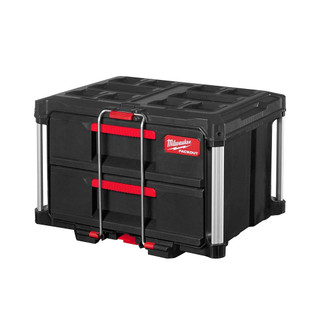
Milwaukee PACKOUT drawers keep fixings, hand tools and gear organised without unstacking the whole lot on busy site jobs.

If you're fed up pulling half the stack apart just to get at a box of screws or your testers, Milwaukee PACKOUT drawers are the fix. These packout drawers let you get straight to the gear you use most, which matters on first fix, snagging and van setups where wasted minutes soon add up. The runners are solid, the layout stays tidy, and the stack still locks in with the rest of the system. If you need fast access without losing the toughness of a proper site storage setup, this is where to start.

What Are Milwaukee PACKOUT Drawers Used For?

  • Keeping daily-use fixings, connectors and hand tools close to hand on first fix so you are not unclipping the whole stack every time you need a pouch of screws or a set of terminals.
  • Setting up vans and workshops with Milwaukee drawers that open from the front, which makes more sense in tight spaces than lifting lids when shelves or racking are above the stack.
  • Sorting snagging gear, testing kit and consumables into separate sections so decorators, sparkies and maintenance teams can grab what they need fast and keep moving.
  • Building a modular site storage setup where a Milwaukee drawer PACKOUT sits under cases, totes or crates and still gives access to the bits you reach for most during the day.
  • Storing small parts in a way that actually stays organised through transport, so washers, clips, blades and anchors are not all mixed together by the time you get to site.

Choosing the Right Milwaukee PACKOUT Drawers

Sorting the right one is simple: match the drawer layout to what you need to reach quickly, not just what fits in the stack.

1. Two Drawer or Three Drawer

If you carry bulkier gear like hand tools, larger fittings or battery chargers, go for fewer deeper drawers. If your day revolves around screws, clips, terminals and small consumables, more shallow drawers keep everything split out properly and save hunting through one deep box.

2. Site Stack or Van Racking

If the unit is living in a van or workshop, front opening drawers are the smarter choice because you can get into them under shelves and worktops. If you are lifting boxes on and off site all day, think about where the drawer unit sits in the stack so the most-used kit is easiest to reach.

3. Small Parts or Mixed Kit

If you mainly store fixings and connectors, choose a layout that works with bins and dividers so stock does not all drift together. If it is more of a grab box for hand tools and odd bits, deeper open storage makes more sense than over-compartmentalising it.

4. Think About the Full PACKOUT Build

Do not buy a drawer unit like it works on its own. If you are building a full setup, make sure it ties in with your cases, crates and bases properly. A drawer packout is best used as the quick-access middle of the stack, not buried where you still have to strip everything down.

Who Uses These on Site?

  • Sparkies swear by Milwaukee PACKOUT drawers for keeping connectors, glands, clips and testers sorted, especially on first and second fix where they are in and out the same kit all day.
  • Kitchen fitters and chippies use packout drawers for screws, hinges, bits and small hand tools, because front access is quicker than stripping down a full stack in a finished room.
  • Plumbers and heating engineers keep olives, clips, seals and service parts in Milwaukee drawers so the van stays organised and they are not rooting about for one fitting at the back of a box.
  • Maintenance teams like a Milwaukee packout tray and drawer setup for mixed callout work, where one stack needs to cover fixings, electrical bits, hand tools and quick repair parts.
  • Site managers and supervisors use them for snagging kit, labels, markers and paperwork bits, as they stack neatly with the wider system and take the usual knocks in transit.

The Basics: Understanding Milwaukee PACKOUT Drawers

These work differently from standard tool boxes because the whole point is access. You keep the stack locked together, then open the drawer you need without lifting anything off the top.

1. Front Access Instead of Top Access

A standard box needs lid clearance and often means unstacking other cases first. A packout drawer opens from the front, which is better in vans, workshops and tight rooms where space above the stack is limited.

2. Modular Locking System

Milwaukee drawers lock into the same PACKOUT platform as the rest of the range. That means you can build one stack for transport, then still get to your fixings, blades or testers without breaking the whole setup apart on site.

3. Organised Storage That Stays Put

The real benefit is not just storage capacity. It is keeping small parts, accessories and everyday tools sorted so they stay where you put them, travel better in the van and are quicker to grab when the job is moving fast.

Milwaukee PACKOUT Accessories That Make Drawers More Useful

A good drawer unit is only half the job. The right add-ons stop wasted space, messy trays and repeat trips back to the van.

1. Bins and Inlays

If you are storing screws, clips, glands or service parts loose, they will end up mixed together after a week on the road. Proper bins and inlays keep small stock separated so you can actually find what you came for first time.

2. PACKOUT Trays

A Milwaukee PACKOUT tray helps split one drawer into a workable layout for hand tools and consumables. It saves that annoying setup where the drawer looks tidy on day one and turns into a jumble once the van has bounced over a few kerbs.

3. Labels and Layout Inserts

Label your drawers properly if more than one person uses the stack. It sounds basic, but it stops wasted time on site and makes stock checks quicker when fixings and accessories need topping up.

Choose the Right Milwaukee PACKOUT Drawers for the Job

Use this quick guide to sort the right drawer setup for how you actually work.

Your Job Category or Type Key Features
Daily first fix with lots of small fixings and connectors Multi drawer PACKOUT unit More compartments, better stock separation, quicker access to small parts.
Van setup with hand tools and mixed consumables Deeper drawer PACKOUT unit Front opening access, room for bulkier kit, easier use under racking.
Snagging and maintenance callouts Compact drawer setup Fast grab-and-go access, tidy layout, suits mixed repair parts and testers.
Building a full modular storage stack Drawer unit for middle of stack Keeps most-used gear accessible while still locking into the wider PACKOUT system.
Workshop or bench-side storage Drawer organiser with bins or tray inserts Better visibility, cleaner stock control, less rummaging through loose parts.

Common Buying and Usage Mistakes

  • Buying on stack size alone instead of drawer layout is a common mistake. If the drawers are too shallow or too deep for your kit, you end up with wasted space and a setup that is awkward every day.
  • Sticking a drawer unit at the bottom of a badly planned stack defeats the point. Put quick-access packout drawers where you can actually reach them, otherwise you are still wasting time moving kit about.
  • Using drawers for loose small parts without bins or dividers soon turns tidy storage into a mess. Fit the right inserts or trays so fixings and fittings stay sorted in transit.
  • Treating a drawer unit like a replacement for every other box in the range causes frustration. Drawers are best for regular-access tools and consumables, while bigger awkward kit is usually better off in a standard box or chest.
  • Overloading one drawer with dense fixings or heavy tools puts unnecessary strain on the layout and makes access harder. Spread the weight sensibly and keep the most-used gear in the easiest drawer to reach.

Drawer Units vs Standard Boxes vs Tool Chests

Milwaukee PACKOUT Drawers

Best when you need quick access without unstacking anything. Ideal for fixings, consumables, testers and daily-use hand tools, especially in vans and on snagging jobs. Not the best choice for bulky kit that needs one big open space.

Standard PACKOUT Boxes

Better for larger tools, awkward accessories and gear you do not need every five minutes. They carry plenty, but once stacked they are slower to get into because top access means moving other cases first.

PACKOUT Organisers

A good shout for very small parts like screws, plugs and connectors where removable bins matter most. They are excellent for layout and visibility, but less convenient than drawers if they are buried inside a taller stack.

PACKOUT Tool Chests

Tool chests suit bigger loads and heavier site kit where capacity matters more than quick sorting. Good for bulk storage and transport, but if your day involves constant in and out access, drawers are usually the more efficient call.

Maintenance and Care

Keep the Runners Clean

Dust, plaster and loose screws in the drawer channels will make any unit feel rough over time. Empty them out now and then and wipe the runners so the drawers keep opening properly.

Do Not Leave Wet Kit Sitting Inside

The box can take site abuse, but soaking wet tools and fittings left in drawers will still lead to rust, grime and that stale smell. Dry gear off before it goes back in where possible.

Check the Stack Points

If your Milwaukee drawer PACKOUT is part of a full stack, keep an eye on the locking points and handles. Mud and grit around the joins can stop everything seating cleanly and make the stack awkward to move.

Use Inserts Properly

Bins and trays only help if they match what you are storing. If small parts are constantly jumping compartments or heavy tools are crushing organisers, change the layout before the whole drawer becomes dead space.

Replace Worn Layout Parts Early

If dividers, bins or trays are cracked or bent, swap them before they fail completely on the van. It is cheaper than losing a full drawer of fixings across site or mixing up stock you rely on every day.

Why Shop for Milwaukee PACKOUT Drawers at ITS?

Whether you need a single Milwaukee drawer PACKOUT for everyday fixings or you are building a full stack around boxes, organisers and transport bases, we stock the range that matters. You will find Milwaukee PACKOUT Toolboxes With Drawers, Milwaukee PACKOUT Tool Box Accessories & Inlays, Milwaukee PACKOUT Tool Box, Milwaukee PACKOUT Tool Chests and Milwaukee PACKOUT Toolboxes With Wheels all in one place. It is all held in our own warehouse, in stock and ready for next day delivery.

Milwaukee PACKOUT Drawers FAQs

Are Milwaukee Packout organisers waterproof or IP rated?

Some Milwaukee PACKOUT organisers and boxes are built with weather seals, but do not assume every unit has the same rating or protection level. Always check the product spec on the exact box or drawer you are buying. They are tough enough for proper site use and van life, but if water resistance matters for electronics, paperwork or sensitive gear, check the stated rating rather than guessing from the range name.

Can you stack different-sized Packout boxes together?

Yes, that is the whole point of PACKOUT. Different sized boxes, organisers, drawers and bases are made to lock into the same system, so you can build the stack around how you work. Just be sensible with the layout. Put the heavier gear lower down, and keep the drawer units where you can still get into them easily.

Do Packout organisers include removable bins for small parts?

Many do, yes, and that is why they are popular for screws, rawl plugs, connectors and other small stock. That said, the exact bin layout depends on the organiser or drawer setup. If you want removable bins for bench work or restocking the van, check the product listing carefully rather than assuming every packout drawer or organiser includes them.

Are Milwaukee PACKOUT drawers better than standard top opening boxes?

For quick access, yes. If you are constantly in and out of screws, testers, blades or hand tools, drawers are far less hassle because you do not have to unstack the lot first. For bigger awkward tools, a normal top opening box still makes more sense, so most trades end up using both in the same setup.

Will Milwaukee drawers hold up to van use and site abuse?

Yes, they are built for trade use and daily transport, not just tidy workshop shelves. The cases are solid and the system is made to lock together properly. Like any storage, though, they last longer if you do not overload the drawers, slam them with loose metal parts inside or leave them packed with wet kit for weeks.

What is the best way to set up a Milwaukee drawer PACKOUT stack?

Put the drawer unit where your hand naturally goes first, usually mid stack or high enough to open without crouching right down. Keep bulkier heavy kit lower in the system and use drawers for the bits you reach for all day. If you bury the drawers at the bottom under awkward boxes, you lose most of the benefit.

Read more

Milwaukee PACKOUT Tool Boxes & Organisers

Milwaukee PACKOUT drawers keep fixings, hand tools and gear organised without unstacking the whole lot on busy site jobs.

If you're fed up pulling half the stack apart just to get at a box of screws or your testers, Milwaukee PACKOUT drawers are the fix. These packout drawers let you get straight to the gear you use most, which matters on first fix, snagging and van setups where wasted minutes soon add up. The runners are solid, the layout stays tidy, and the stack still locks in with the rest of the system. If you need fast access without losing the toughness of a proper site storage setup, this is where to start.

What Are Milwaukee PACKOUT Drawers Used For?

  • Keeping daily-use fixings, connectors and hand tools close to hand on first fix so you are not unclipping the whole stack every time you need a pouch of screws or a set of terminals.
  • Setting up vans and workshops with Milwaukee drawers that open from the front, which makes more sense in tight spaces than lifting lids when shelves or racking are above the stack.
  • Sorting snagging gear, testing kit and consumables into separate sections so decorators, sparkies and maintenance teams can grab what they need fast and keep moving.
  • Building a modular site storage setup where a Milwaukee drawer PACKOUT sits under cases, totes or crates and still gives access to the bits you reach for most during the day.
  • Storing small parts in a way that actually stays organised through transport, so washers, clips, blades and anchors are not all mixed together by the time you get to site.

Choosing the Right Milwaukee PACKOUT Drawers

Sorting the right one is simple: match the drawer layout to what you need to reach quickly, not just what fits in the stack.

1. Two Drawer or Three Drawer

If you carry bulkier gear like hand tools, larger fittings or battery chargers, go for fewer deeper drawers. If your day revolves around screws, clips, terminals and small consumables, more shallow drawers keep everything split out properly and save hunting through one deep box.

2. Site Stack or Van Racking

If the unit is living in a van or workshop, front opening drawers are the smarter choice because you can get into them under shelves and worktops. If you are lifting boxes on and off site all day, think about where the drawer unit sits in the stack so the most-used kit is easiest to reach.

3. Small Parts or Mixed Kit

If you mainly store fixings and connectors, choose a layout that works with bins and dividers so stock does not all drift together. If it is more of a grab box for hand tools and odd bits, deeper open storage makes more sense than over-compartmentalising it.

4. Think About the Full PACKOUT Build

Do not buy a drawer unit like it works on its own. If you are building a full setup, make sure it ties in with your cases, crates and bases properly. A drawer packout is best used as the quick-access middle of the stack, not buried where you still have to strip everything down.

Who Uses These on Site?

  • Sparkies swear by Milwaukee PACKOUT drawers for keeping connectors, glands, clips and testers sorted, especially on first and second fix where they are in and out the same kit all day.
  • Kitchen fitters and chippies use packout drawers for screws, hinges, bits and small hand tools, because front access is quicker than stripping down a full stack in a finished room.
  • Plumbers and heating engineers keep olives, clips, seals and service parts in Milwaukee drawers so the van stays organised and they are not rooting about for one fitting at the back of a box.
  • Maintenance teams like a Milwaukee packout tray and drawer setup for mixed callout work, where one stack needs to cover fixings, electrical bits, hand tools and quick repair parts.
  • Site managers and supervisors use them for snagging kit, labels, markers and paperwork bits, as they stack neatly with the wider system and take the usual knocks in transit.

The Basics: Understanding Milwaukee PACKOUT Drawers

These work differently from standard tool boxes because the whole point is access. You keep the stack locked together, then open the drawer you need without lifting anything off the top.

1. Front Access Instead of Top Access

A standard box needs lid clearance and often means unstacking other cases first. A packout drawer opens from the front, which is better in vans, workshops and tight rooms where space above the stack is limited.

2. Modular Locking System

Milwaukee drawers lock into the same PACKOUT platform as the rest of the range. That means you can build one stack for transport, then still get to your fixings, blades or testers without breaking the whole setup apart on site.

3. Organised Storage That Stays Put

The real benefit is not just storage capacity. It is keeping small parts, accessories and everyday tools sorted so they stay where you put them, travel better in the van and are quicker to grab when the job is moving fast.

Milwaukee PACKOUT Accessories That Make Drawers More Useful

A good drawer unit is only half the job. The right add-ons stop wasted space, messy trays and repeat trips back to the van.

1. Bins and Inlays

If you are storing screws, clips, glands or service parts loose, they will end up mixed together after a week on the road. Proper bins and inlays keep small stock separated so you can actually find what you came for first time.

2. PACKOUT Trays

A Milwaukee PACKOUT tray helps split one drawer into a workable layout for hand tools and consumables. It saves that annoying setup where the drawer looks tidy on day one and turns into a jumble once the van has bounced over a few kerbs.

3. Labels and Layout Inserts

Label your drawers properly if more than one person uses the stack. It sounds basic, but it stops wasted time on site and makes stock checks quicker when fixings and accessories need topping up.

Choose the Right Milwaukee PACKOUT Drawers for the Job

Use this quick guide to sort the right drawer setup for how you actually work.

Your Job Category or Type Key Features
Daily first fix with lots of small fixings and connectors Multi drawer PACKOUT unit More compartments, better stock separation, quicker access to small parts.
Van setup with hand tools and mixed consumables Deeper drawer PACKOUT unit Front opening access, room for bulkier kit, easier use under racking.
Snagging and maintenance callouts Compact drawer setup Fast grab-and-go access, tidy layout, suits mixed repair parts and testers.
Building a full modular storage stack Drawer unit for middle of stack Keeps most-used gear accessible while still locking into the wider PACKOUT system.
Workshop or bench-side storage Drawer organiser with bins or tray inserts Better visibility, cleaner stock control, less rummaging through loose parts.

Common Buying and Usage Mistakes

  • Buying on stack size alone instead of drawer layout is a common mistake. If the drawers are too shallow or too deep for your kit, you end up with wasted space and a setup that is awkward every day.
  • Sticking a drawer unit at the bottom of a badly planned stack defeats the point. Put quick-access packout drawers where you can actually reach them, otherwise you are still wasting time moving kit about.
  • Using drawers for loose small parts without bins or dividers soon turns tidy storage into a mess. Fit the right inserts or trays so fixings and fittings stay sorted in transit.
  • Treating a drawer unit like a replacement for every other box in the range causes frustration. Drawers are best for regular-access tools and consumables, while bigger awkward kit is usually better off in a standard box or chest.
  • Overloading one drawer with dense fixings or heavy tools puts unnecessary strain on the layout and makes access harder. Spread the weight sensibly and keep the most-used gear in the easiest drawer to reach.

Drawer Units vs Standard Boxes vs Tool Chests

Milwaukee PACKOUT Drawers

Best when you need quick access without unstacking anything. Ideal for fixings, consumables, testers and daily-use hand tools, especially in vans and on snagging jobs. Not the best choice for bulky kit that needs one big open space.

Standard PACKOUT Boxes

Better for larger tools, awkward accessories and gear you do not need every five minutes. They carry plenty, but once stacked they are slower to get into because top access means moving other cases first.

PACKOUT Organisers

A good shout for very small parts like screws, plugs and connectors where removable bins matter most. They are excellent for layout and visibility, but less convenient than drawers if they are buried inside a taller stack.

PACKOUT Tool Chests

Tool chests suit bigger loads and heavier site kit where capacity matters more than quick sorting. Good for bulk storage and transport, but if your day involves constant in and out access, drawers are usually the more efficient call.

Maintenance and Care

Keep the Runners Clean

Dust, plaster and loose screws in the drawer channels will make any unit feel rough over time. Empty them out now and then and wipe the runners so the drawers keep opening properly.

Do Not Leave Wet Kit Sitting Inside

The box can take site abuse, but soaking wet tools and fittings left in drawers will still lead to rust, grime and that stale smell. Dry gear off before it goes back in where possible.

Check the Stack Points

If your Milwaukee drawer PACKOUT is part of a full stack, keep an eye on the locking points and handles. Mud and grit around the joins can stop everything seating cleanly and make the stack awkward to move.

Use Inserts Properly

Bins and trays only help if they match what you are storing. If small parts are constantly jumping compartments or heavy tools are crushing organisers, change the layout before the whole drawer becomes dead space.

Replace Worn Layout Parts Early

If dividers, bins or trays are cracked or bent, swap them before they fail completely on the van. It is cheaper than losing a full drawer of fixings across site or mixing up stock you rely on every day.

Why Shop for Milwaukee PACKOUT Drawers at ITS?

Whether you need a single Milwaukee drawer PACKOUT for everyday fixings or you are building a full stack around boxes, organisers and transport bases, we stock the range that matters. You will find Milwaukee PACKOUT Toolboxes With Drawers, Milwaukee PACKOUT Tool Box Accessories & Inlays, Milwaukee PACKOUT Tool Box, Milwaukee PACKOUT Tool Chests and Milwaukee PACKOUT Toolboxes With Wheels all in one place. It is all held in our own warehouse, in stock and ready for next day delivery.

Milwaukee PACKOUT Drawers FAQs

Are Milwaukee Packout organisers waterproof or IP rated?

Some Milwaukee PACKOUT organisers and boxes are built with weather seals, but do not assume every unit has the same rating or protection level. Always check the product spec on the exact box or drawer you are buying. They are tough enough for proper site use and van life, but if water resistance matters for electronics, paperwork or sensitive gear, check the stated rating rather than guessing from the range name.

Can you stack different-sized Packout boxes together?

Yes, that is the whole point of PACKOUT. Different sized boxes, organisers, drawers and bases are made to lock into the same system, so you can build the stack around how you work. Just be sensible with the layout. Put the heavier gear lower down, and keep the drawer units where you can still get into them easily.

Do Packout organisers include removable bins for small parts?

Many do, yes, and that is why they are popular for screws, rawl plugs, connectors and other small stock. That said, the exact bin layout depends on the organiser or drawer setup. If you want removable bins for bench work or restocking the van, check the product listing carefully rather than assuming every packout drawer or organiser includes them.

Are Milwaukee PACKOUT drawers better than standard top opening boxes?

For quick access, yes. If you are constantly in and out of screws, testers, blades or hand tools, drawers are far less hassle because you do not have to unstack the lot first. For bigger awkward tools, a normal top opening box still makes more sense, so most trades end up using both in the same setup.

Will Milwaukee drawers hold up to van use and site abuse?

Yes, they are built for trade use and daily transport, not just tidy workshop shelves. The cases are solid and the system is made to lock together properly. Like any storage, though, they last longer if you do not overload the drawers, slam them with loose metal parts inside or leave them packed with wet kit for weeks.

What is the best way to set up a Milwaukee drawer PACKOUT stack?

Put the drawer unit where your hand naturally goes first, usually mid stack or high enough to open without crouching right down. Keep bulkier heavy kit lower in the system and use drawers for the bits you reach for all day. If you bury the drawers at the bottom under awkward boxes, you lose most of the benefit.
ITS Click and Collect Icon
What3Words:
Get Directions
Store Opening Hours
Opening times