



Milwaukee PACKOUT Tool Bags & Totes Milwaukee PACKOUT Tool Bags & Totes

Milwaukee PACKOUT Tool Bags & Totes

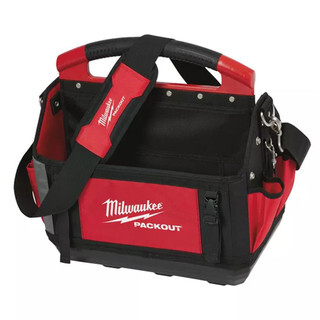
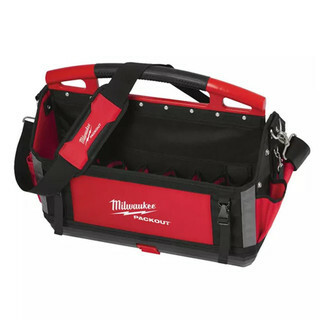
Milwaukee PACKOUT bags are built for carrying tools through rough site work, keeping kit organised, protected, and easy to grab when you're moving room to room.

If you're sick of soft bags collapsing, handles digging in, or gear ending up buried at the bottom, a Milwaukee PACKOUT bag is the sort of kit worth buying once. These bags and totes suit sparks, plumbers, fitters and maintenance teams who need proper access on the move, with solid bases, tough fabric and PACKOUT compatibility that actually helps when you're loading up with Milwaukee PACKOUT Trolleys. If you want open-top access, look at Milwaukee PACKOUT Tool Totes; for zipped protection, check Milwaukee PACKOUT Tool Bags and get your loadout sorted.

What Jobs Are Milwaukee PACKOUT Bags Best At?

  • Carrying hand tools, testers, fixings and small power tools around first fix jobs is where a Milwaukee PACKOUT tote really earns its keep, especially when you are in and out of plots all day.
  • Working on maintenance call-outs is easier with a packout tool bag because you can keep the everyday fault-finding kit upright, visible and ready without tipping everything onto the floor.
  • Loading vans and moving from the yard to site is simpler when your Milwaukee packout bag locks into the wider system, so loose bags are not sliding about every time you brake.
  • Using open-top totes for punch lists and snagging saves time because you can reach straight for drivers, pliers, tapes and bits instead of unzipping and rummaging around.
  • Shifting gear through refurbs, stairwells and occupied buildings suits these bags well, as the reinforced build stands up to rough floors, door frames and the usual site knocks.

Choosing the Right Milwaukee PACKOUT Bag

Sorting the right one is simple: match it to what you carry every day, not what looks biggest on the van floor.

1. Tote or Closed Bag

If you are reaching for hand tools all day, a Milwaukee tote bag makes more sense because everything stays visible. If your kit needs better protection from dust, rain and van mess, go for a closed Milwaukee packout tool bag with a lid.

2. Size and Load

Do not buy the biggest bag by default. If you only carry service tools, a compact packout tote is easier on the shoulder and quicker through tight jobs. If you are hauling heavier hand tools, meters and fixings, step up to a larger structured bag with a base that will not sag.

3. Structured or Soft Sides

If you want the bag to stand open and keep shape, a Milwaukee structured tool bag is the better shout. For lighter mixed loads and easier stowage in the van, a softer tote can be enough, but it will not feel as planted when fully loaded.

4. PACKOUT Compatibility

If you already run PACKOUT, stick with bags that lock into the stack so you are not carrying more than you need. If your setup lives more in the workshop, it is worth checking how your bag works alongside Milwaukee PACKOUT Workshop storage as well.

Who Uses These on Site?

  • Sparkies rate a Milwaukee tool tote for first and second fix because it keeps cutters, screwdrivers, testers and connectors upright and easy to grab when moving between rooms.
  • Plumbers and heating engineers use a milwaukee packout tool bag for service and install work, especially when they need grips, spanners, seals and small consumables in one carry.
  • Joiners and fitters swear by these for snagging and finishing jobs, where you only want the core hand tools with you rather than dragging a full box into every room.
  • Maintenance teams and facilities engineers keep them loaded for call-outs, as a structured tool bag makes it quicker to spot what is missing and get straight to the fault.
  • Site managers and supervisors often pair them with Milwaukee PACKOUT Radios and other modular kit when they want one organised setup for moving around larger jobs.

PACKOUT Extras That Make These Bags More Useful

A good bag carries the tools, but the right add-ons stop wasted trips, loose kit and awkward loads.

1. PACKOUT Trolley

If your Milwaukee packout bag is loaded with hand tools and fixings, carrying it across a big site gets old quickly. Locking it onto a trolley saves your back and stops you making two or three trips from the van.

2. Compact Organisers

Loose screws, connectors, clips and consumables turn any tool bag into a mess. A proper organiser keeps the small stuff sorted so you are not digging around for ten minutes just to find the right fixing.

3. Shoulder Strap and Handle Setup

On lighter service loads, a decent strap setup matters more than most lads admit. It makes a big difference when you are walking plant rooms, stairs and long corridors with the bag on you all day.

Choose the Right Milwaukee PACKOUT Bag for the Job

Use this as a quick guide before you load up the wrong bag for the day.

Your Job Bag or Type Key Features
First fix room to room work Open PACKOUT tote Fast tool access, upright storage, easy to grab and move
Service and maintenance call-outs Medium PACKOUT tool bag Zipped protection, organised pockets, manageable carry weight
Heavy hand tool loadouts Structured PACKOUT bag Rigid shape, stronger base, better support for heavier tools
Van to site transport with other PACKOUT kit PACKOUT compatible bag Locks into the system, stacks securely, less shifting in transit
Snagging and finishing work Compact Milwaukee tote Light carry, quick access, enough room for core hand tools

Common Buying and Usage Mistakes

  • Buying the biggest Milwaukee packout tote bag just because it holds more usually backfires. Once it is full of steel hand tools, it becomes awkward, overweight and a pain on stairs, so match the bag size to the load you actually carry.
  • Choosing an open tote for exposed outdoor work can leave your kit wet and filthy. If the bag spends time in the rain, dust or the back of an open vehicle, a closed bag is the safer option.
  • Ignoring PACKOUT compatibility means missing half the benefit of the system. If you already use boxes or rolling bases, make sure your bag locks in properly rather than treating it like a stand-alone carry bag.
  • Overloading the side pockets with fixings and loose bits makes the bag harder to carry and harder to work from. Keep consumables in organisers and leave the bag for the tools you need in hand.
  • Leaving a loaded bag soaked and dirty after site use shortens its life fast. Brush the muck off, dry it out and check the base and handles before the next shift.

Totes vs Closed Bags vs Structured Bags

Open Tote

Best when speed matters and you want every tool visible. Ideal for first fix, snagging and maintenance, but less suited to filthy or wet conditions because everything is exposed.

Closed Tool Bag

Better for transport, van storage and keeping dust and rain off the kit. You lose some instant access, but it is the smarter choice if the bag gets thrown in and out of the van all week.

Structured Bag

This is the one for heavier loads and lads who hate bags collapsing in on themselves. It stands open better, protects the shape and keeps tools easier to reach, though it can feel bulkier when empty.

Maintenance and Care

Clear Out Dust and Swarf

Empty the bag regularly and shake out plaster dust, metal swarf and site grit. Leave that lot sitting in the bottom and it will wear the lining and scratch tools.

Dry It Properly After Wet Jobs

If the bag gets rained on, open it up and let it dry before loading it back into the van. Trapping moisture inside is a good way to rust tools and leave the bag smelling rough.

Check Handles and Stitching

Loaded tool bags put all the strain into the handles and seams. Give them a quick check now and then, especially if you carry spanners, grips or other heavy gear every day.

Do Not Store Dead Weight You Never Use

Half the wear on a milwaukee tool bag uk comes from carrying junk you do not need. Strip it back to the tools for that trade and that day, and the bag lasts longer and works better.

Replace When the Base or Frame Gives Up

If the base is split, the structure has gone soft, or it no longer sits properly in the PACKOUT stack, do not keep fighting it. At that point it is costing you time more than it is saving money.

Why Shop for Milwaukee PACKOUT Bags at ITS?

Whether you need a compact milwaukee tote bag for service work or a larger milwaukee packout tool bag for daily site use, we stock the full range in one place. That means totes, bags and system-ready options all in our own warehouse, in stock and ready for next day delivery.

Milwaukee PACKOUT Bag FAQs

Are packout bags a good investment?

Yes, if you are using them properly on site. They cost more than a basic bag, but the tougher build, better layout and proper PACKOUT connection save hassle every day, especially if you are already running the system.

What is so special about the Milwaukee Packout?

The main difference is that it is not just a bag on its own. Milwaukee PACKOUT is a modular setup, so your bag can lock in with boxes, organisers and rolling storage instead of rattling around loose in the van.

Can a Milwaukee packout be left outside?

For a short spell on site, yes, they will put up with rough weather better than cheap bags. But no soft bag wants to live outside long term. Dry it out after rain and do not leave your tools sitting in damp overnight if you want the whole setup to last.

How durable is a Milwaukee Packout bag?

Properly durable. The better ones have reinforced bases, hard-wearing fabric and strong handles, so they cope well with van floors, stairs and daily knocks. Tough, yes, but still worth keeping clean and not overloading for no reason.

Is a Milwaukee PACKOUT tote better than a zipped tool bag?

Depends on the job. A tote is quicker for hand access and room-to-room work. A zipped bag is better if your tools need more protection in transit or you are working in wet, dusty or messy areas.

Will these bags take heavy hand tools without sagging?

Yes, especially the more structured Milwaukee packout bags. They are designed for real site loads, but common sense still applies. If you cram in every spanner you own, even a good bag gets awkward and harder on the stitching.

Are Milwaukee PACKOUT bags only worth it if I already own the system?

No, they still work well as stand-alone bags because the materials and layouts are solid. But if you already use PACKOUT boxes or storage, that is when you get the full benefit of the locking setup.

What size Milwaukee PACKOUT bag should I buy?

Buy for the tools you actually carry every day. Service work and snagging usually suit a smaller tote or medium bag. Heavier install work with more hand tools and consumables often needs a larger structured option.
Read more

Milwaukee PACKOUT Tool Bags & Totes

Milwaukee PACKOUT bags are built for carrying tools through rough site work, keeping kit organised, protected, and easy to grab when you're moving room to room.

If you're sick of soft bags collapsing, handles digging in, or gear ending up buried at the bottom, a Milwaukee PACKOUT bag is the sort of kit worth buying once. These bags and totes suit sparks, plumbers, fitters and maintenance teams who need proper access on the move, with solid bases, tough fabric and PACKOUT compatibility that actually helps when you're loading up with Milwaukee PACKOUT Trolleys. If you want open-top access, look at Milwaukee PACKOUT Tool Totes; for zipped protection, check Milwaukee PACKOUT Tool Bags and get your loadout sorted.

What Jobs Are Milwaukee PACKOUT Bags Best At?

  • Carrying hand tools, testers, fixings and small power tools around first fix jobs is where a Milwaukee PACKOUT tote really earns its keep, especially when you are in and out of plots all day.
  • Working on maintenance call-outs is easier with a packout tool bag because you can keep the everyday fault-finding kit upright, visible and ready without tipping everything onto the floor.
  • Loading vans and moving from the yard to site is simpler when your Milwaukee packout bag locks into the wider system, so loose bags are not sliding about every time you brake.
  • Using open-top totes for punch lists and snagging saves time because you can reach straight for drivers, pliers, tapes and bits instead of unzipping and rummaging around.
  • Shifting gear through refurbs, stairwells and occupied buildings suits these bags well, as the reinforced build stands up to rough floors, door frames and the usual site knocks.

Choosing the Right Milwaukee PACKOUT Bag

Sorting the right one is simple: match it to what you carry every day, not what looks biggest on the van floor.

1. Tote or Closed Bag

If you are reaching for hand tools all day, a Milwaukee tote bag makes more sense because everything stays visible. If your kit needs better protection from dust, rain and van mess, go for a closed Milwaukee packout tool bag with a lid.

2. Size and Load

Do not buy the biggest bag by default. If you only carry service tools, a compact packout tote is easier on the shoulder and quicker through tight jobs. If you are hauling heavier hand tools, meters and fixings, step up to a larger structured bag with a base that will not sag.

3. Structured or Soft Sides

If you want the bag to stand open and keep shape, a Milwaukee structured tool bag is the better shout. For lighter mixed loads and easier stowage in the van, a softer tote can be enough, but it will not feel as planted when fully loaded.

4. PACKOUT Compatibility

If you already run PACKOUT, stick with bags that lock into the stack so you are not carrying more than you need. If your setup lives more in the workshop, it is worth checking how your bag works alongside Milwaukee PACKOUT Workshop storage as well.

Who Uses These on Site?

  • Sparkies rate a Milwaukee tool tote for first and second fix because it keeps cutters, screwdrivers, testers and connectors upright and easy to grab when moving between rooms.
  • Plumbers and heating engineers use a milwaukee packout tool bag for service and install work, especially when they need grips, spanners, seals and small consumables in one carry.
  • Joiners and fitters swear by these for snagging and finishing jobs, where you only want the core hand tools with you rather than dragging a full box into every room.
  • Maintenance teams and facilities engineers keep them loaded for call-outs, as a structured tool bag makes it quicker to spot what is missing and get straight to the fault.
  • Site managers and supervisors often pair them with Milwaukee PACKOUT Radios and other modular kit when they want one organised setup for moving around larger jobs.

PACKOUT Extras That Make These Bags More Useful

A good bag carries the tools, but the right add-ons stop wasted trips, loose kit and awkward loads.

1. PACKOUT Trolley

If your Milwaukee packout bag is loaded with hand tools and fixings, carrying it across a big site gets old quickly. Locking it onto a trolley saves your back and stops you making two or three trips from the van.

2. Compact Organisers

Loose screws, connectors, clips and consumables turn any tool bag into a mess. A proper organiser keeps the small stuff sorted so you are not digging around for ten minutes just to find the right fixing.

3. Shoulder Strap and Handle Setup

On lighter service loads, a decent strap setup matters more than most lads admit. It makes a big difference when you are walking plant rooms, stairs and long corridors with the bag on you all day.

Choose the Right Milwaukee PACKOUT Bag for the Job

Use this as a quick guide before you load up the wrong bag for the day.

Your Job Bag or Type Key Features
First fix room to room work Open PACKOUT tote Fast tool access, upright storage, easy to grab and move
Service and maintenance call-outs Medium PACKOUT tool bag Zipped protection, organised pockets, manageable carry weight
Heavy hand tool loadouts Structured PACKOUT bag Rigid shape, stronger base, better support for heavier tools
Van to site transport with other PACKOUT kit PACKOUT compatible bag Locks into the system, stacks securely, less shifting in transit
Snagging and finishing work Compact Milwaukee tote Light carry, quick access, enough room for core hand tools

Common Buying and Usage Mistakes

  • Buying the biggest Milwaukee packout tote bag just because it holds more usually backfires. Once it is full of steel hand tools, it becomes awkward, overweight and a pain on stairs, so match the bag size to the load you actually carry.
  • Choosing an open tote for exposed outdoor work can leave your kit wet and filthy. If the bag spends time in the rain, dust or the back of an open vehicle, a closed bag is the safer option.
  • Ignoring PACKOUT compatibility means missing half the benefit of the system. If you already use boxes or rolling bases, make sure your bag locks in properly rather than treating it like a stand-alone carry bag.
  • Overloading the side pockets with fixings and loose bits makes the bag harder to carry and harder to work from. Keep consumables in organisers and leave the bag for the tools you need in hand.
  • Leaving a loaded bag soaked and dirty after site use shortens its life fast. Brush the muck off, dry it out and check the base and handles before the next shift.

Totes vs Closed Bags vs Structured Bags

Open Tote

Best when speed matters and you want every tool visible. Ideal for first fix, snagging and maintenance, but less suited to filthy or wet conditions because everything is exposed.

Closed Tool Bag

Better for transport, van storage and keeping dust and rain off the kit. You lose some instant access, but it is the smarter choice if the bag gets thrown in and out of the van all week.

Structured Bag

This is the one for heavier loads and lads who hate bags collapsing in on themselves. It stands open better, protects the shape and keeps tools easier to reach, though it can feel bulkier when empty.

Maintenance and Care

Clear Out Dust and Swarf

Empty the bag regularly and shake out plaster dust, metal swarf and site grit. Leave that lot sitting in the bottom and it will wear the lining and scratch tools.

Dry It Properly After Wet Jobs

If the bag gets rained on, open it up and let it dry before loading it back into the van. Trapping moisture inside is a good way to rust tools and leave the bag smelling rough.

Check Handles and Stitching

Loaded tool bags put all the strain into the handles and seams. Give them a quick check now and then, especially if you carry spanners, grips or other heavy gear every day.

Do Not Store Dead Weight You Never Use

Half the wear on a milwaukee tool bag uk comes from carrying junk you do not need. Strip it back to the tools for that trade and that day, and the bag lasts longer and works better.

Replace When the Base or Frame Gives Up

If the base is split, the structure has gone soft, or it no longer sits properly in the PACKOUT stack, do not keep fighting it. At that point it is costing you time more than it is saving money.

Why Shop for Milwaukee PACKOUT Bags at ITS?

Whether you need a compact milwaukee tote bag for service work or a larger milwaukee packout tool bag for daily site use, we stock the full range in one place. That means totes, bags and system-ready options all in our own warehouse, in stock and ready for next day delivery.

Milwaukee PACKOUT Bag FAQs

Are packout bags a good investment?

Yes, if you are using them properly on site. They cost more than a basic bag, but the tougher build, better layout and proper PACKOUT connection save hassle every day, especially if you are already running the system.

What is so special about the Milwaukee Packout?

The main difference is that it is not just a bag on its own. Milwaukee PACKOUT is a modular setup, so your bag can lock in with boxes, organisers and rolling storage instead of rattling around loose in the van.

Can a Milwaukee packout be left outside?

For a short spell on site, yes, they will put up with rough weather better than cheap bags. But no soft bag wants to live outside long term. Dry it out after rain and do not leave your tools sitting in damp overnight if you want the whole setup to last.

How durable is a Milwaukee Packout bag?

Properly durable. The better ones have reinforced bases, hard-wearing fabric and strong handles, so they cope well with van floors, stairs and daily knocks. Tough, yes, but still worth keeping clean and not overloading for no reason.

Is a Milwaukee PACKOUT tote better than a zipped tool bag?

Depends on the job. A tote is quicker for hand access and room-to-room work. A zipped bag is better if your tools need more protection in transit or you are working in wet, dusty or messy areas.

Will these bags take heavy hand tools without sagging?

Yes, especially the more structured Milwaukee packout bags. They are designed for real site loads, but common sense still applies. If you cram in every spanner you own, even a good bag gets awkward and harder on the stitching.

Are Milwaukee PACKOUT bags only worth it if I already own the system?

No, they still work well as stand-alone bags because the materials and layouts are solid. But if you already use PACKOUT boxes or storage, that is when you get the full benefit of the locking setup.

What size Milwaukee PACKOUT bag should I buy?

Buy for the tools you actually carry every day. Service work and snagging usually suit a smaller tote or medium bag. Heavier install work with more hand tools and consumables often needs a larger structured option.

ITS Click and Collect Icon
What3Words:
Get Directions
Store Opening Hours
Opening times