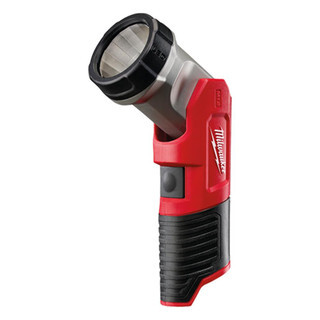
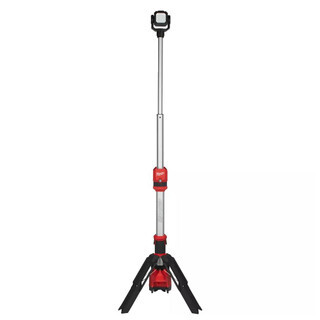
Milwaukee M12 Torches & Lighting
Milwaukee M12 light range gives you compact 12V lighting for lofts, cupboards, first fix and snagging, with torches and tripod lights that travel easy.
When you're working where the main lights are useless or not even in yet, a Milwaukee M12 light saves messing about with extension leads and bulky site lamps. These are the bits sparks, plumbers and maintenance lads grab for loft runs, plant rooms, under-sink work and late snagging, with Milwaukee tripod light options when you need to light a whole area properly. If you're already on M12, it makes sense to keep the same batteries in the van and get the right light for the way you actually work.
What Are Milwaukee M12 Lights Used For?
- Working in loft spaces, risers and ceiling voids is far easier with a Milwaukee M12 torch or compact m12 light that gives you proper visibility without dragging a cable through insulation and boards.
- Lighting first fix and fault-finding jobs under sinks, behind boilers and inside cupboards is where a milwaukee 12v torch earns its keep, especially when one hand is already busy holding pipe, cable or test gear.
- Setting up a Milwaukee tripod light on refurbs, shopfits and handover work gives you broad area light where permanent lighting is missing, so you can see fixings, snags and finish quality properly.
- Keeping a milwaukee torch m12 in the van is handy for early starts, meter cupboards and plant checks, where a quick reliable light saves hunting about with your phone torch.
- Using an m12 torch for punch lists and final inspections helps you spot missed sealant, poor cuts and hidden leaks before the client or site manager does.
Choosing the Right Milwaukee M12 Light
Sorting the right one is simple: match the beam and runtime to the space you actually work in, not what looks biggest on paper.
1. Torch or Area Light
If you're fault-finding, checking services or working one-handed in tight spots, go for a Milwaukee M12 torch. If you're fitting out a room, snagging or working off a hop-up for hours, an area light is the better shout because it lights the job, not just the bit straight in front of you.
2. Compact Light or Milwaukee Tripod Light
If you're in and out of cupboards, loft hatches and service risers all day, keep it compact. If you're on larger refurbs, plant rooms or unfinished spaces with no decent lighting, a Milwaukee tripod light gives you height and wider spread so you're not forever repositioning it.
3. Battery Size Matters
A smaller M12 pack keeps the light handier for quick inspection work, but if you're running area lights through a full shift, step up the battery size. There is no point buying a bright light if you're swapping packs halfway through the afternoon.
4. Think About How It Mounts
If you work off pipework, cable tray or steel, look at lights that can be hung or positioned easily. If most of your jobs are on open floors and fit-out spaces, a freestanding or tripod setup is usually the least hassle.
Who Uses These on Site?
- Sparkies use Milwaukee M12 lights for first fix, board changes and fault-finding in dark voids, because compact 12V lighting is easier to carry up ladders and into ceiling spaces.
- Plumbers and heating engineers swear by a milwaukee m12 torch for cupboards, service ducts and under-bath access, where you need light exactly where your hands are working.
- Kitchen fitters and chippies reach for an m12 light during installs and snagging, especially when checking scribe lines, fixings and finishes in corners with poor temporary lighting.
- Maintenance teams and site managers keep Milwaukee tripod light models around for plant rooms, shutdown work and inspection jobs, where lighting up the whole area makes the work safer and quicker.
- Van-based engineers like these because if they already run M12 gear, the same batteries cover their lighting kit without another charger rattling about in the cab.
The Basics: Understanding Milwaukee M12 Lights
The main thing to understand is not just brightness. It is how the light is delivered on the job and how long it will run on the M12 battery you already use.
1. Torch Beam vs Flood Light
A Milwaukee M12 torch throws a more focused beam for inspection, fault-finding and looking deep into voids. A flood or area light spreads output across the work area, which is what you want when fitting, cutting in or snagging.
2. Runtime Comes from the Battery
The light itself is only half the story. A milwaukee 12v light on a small battery is fine for short jobs and quick checks, but for room lighting or longer tasks you will want a larger M12 pack so the light lasts the shift.
3. Height Changes Coverage
That is why a Milwaukee tripod light can be worth it on bigger jobs. Getting the light up off the floor spreads it across the room better, cuts harsh shadows and stops you working in your own silhouette.
Milwaukee M12 Light Accessories That Make Site Life Easier
A couple of sensible add-ons stop downtime and make your lighting far more useful on the job.
1. Spare M12 Batteries
A spare pack is the obvious one, especially for area lights and longer snagging sessions. It saves that annoying point where the light drops out halfway through a loft job or while you are still tracing a fault.
2. M12 Chargers
Keep a charger in the van or workshop so your milwaukee light m12 is always ready for the next callout. No one wants to find the battery flat when they are heading into a dark plant room at six in the morning.
3. Tripods and Mounting Options
If you are using a Milwaukee tripod light or compatible site light, proper mounting gear gives you better height and spread. That means fewer shadows, less repositioning and a cleaner setup in larger work areas.
Choose the Right Milwaukee M12 Light for the Job
Use this quick guide to pick the right type for the way you work.
| Your Job | Light Type | Key Features |
|---|---|---|
| Fault-finding in cupboards, risers and plant | Milwaukee M12 torch | Focused beam, compact size, easy one-handed use |
| Loft work and service runs in tight voids | Compact M12 light | Small footprint, cordless setup, easy to carry through access hatches |
| Room fit-outs, snagging and refurbs | M12 area light | Wider spread, stable base, better all-round task visibility |
| Open floors, unfinished units and larger spaces | Milwaukee tripod light | Raised light position, broader coverage, fewer shadows |
| Van checks, early starts and quick inspections | Milwaukee 12v torch | Fast grab-and-go use, compact storage, reliable light without leads |
Common Buying and Usage Mistakes
- Buying on brightness alone is a common mistake, because a very bright beam is not much use if it is too narrow for the job. Match the light pattern to the work area, not just the output figure.
- Choosing a small battery for all-day area lighting usually ends in frustration. Compact packs are fine for quick inspections, but bigger jobs need the runtime of a larger M12 battery.
- Using a handheld torch where a freestanding or tripod light is needed slows the job down. If both hands are on the tools, get a light that stays put and lights the area properly.
- Leaving the light loose in the van with the lens exposed shortens its life. Store it properly so the lens stays clear and the housing does not get battered by other kit.
- Forgetting battery platform compatibility wastes money. If you are already on M12, stick with a milwaukee m12 light and keep your charging and spare battery setup simple.
M12 Torch vs Area Light vs Tripod Light
M12 Torch
Best for inspections, fault-finding and quick jobs in tight spaces. It is easy to carry and fast to grab, but it will not light a full room as well as an area or tripod light.
M12 Area Light
The right choice for benches, floors and fit-out spaces where you need broad usable light close to the work. Better than a torch for hands-free jobs, but not as far-reaching as a raised tripod setup.
Milwaukee Tripod Light
Made for larger spaces, open rooms and unfinished areas where floor-level lighting leaves too many shadows. It takes up more room and is less grab-and-go, but coverage is far better on bigger jobs.
Maintenance and Care
Keep the Lens Clean
Wipe dust, plaster and site grime off the lens after use. A dirty lens cuts output quickly, and half the time lads think the light is failing when it just needs cleaning.
Check Battery Contacts
Keep the battery rails and contacts free from dust and moisture so the light powers up properly. If the pack is not seating cleanly, sort that before blaming the tool.
Store It Properly in the Van
Do not chuck your m12 torch in with loose fixings and sharp gear. A bit of care stops scratched lenses, cracked housings and switches getting jammed with muck.
Look Over Hinges and Stands
On adjustable lights and tripod setups, check moving parts now and then for wear or looseness. Catching that early stops the light sagging or falling over mid-job.
Replace Damaged Parts Before Site Use
If the housing is cracked, the stand is bent or the switch is failing, sort it before taking it back on site. Lighting is a safety bit of kit as much as a convenience one.
Why Shop for Milwaukee M12 Lights at ITS?
Whether you need a compact Milwaukee M12 torch for service work or a Milwaukee tripod light for wider coverage, we stock the full range of Milwaukee M12 lighting in one place. You can also browse Milwaukee Torches & Lighting, Milwaukee Site Lighting & Torches, Milwaukee RedLithium USB Torches & Lighting, Milwaukee RedLithium USB Site Lighting & Torches and Milwaukee PACKOUT Torches & Lighting. It is all held in our own warehouse, in stock and ready for next day delivery.
Milwaukee M12 Light FAQs
Is MILWAUKEE light a lager or an ale?
No. On this page, Milwaukee light means Milwaukee site lighting and torches, not beer. You are looking at M12 work lights, torches and tripod lighting for trade jobs.
Are MILWAUKEE flashlights any good?
Yes, they are solid bits of kit for trade use. Milwaukee torches are built for proper site conditions, with good beam control, tough housings and the big advantage that M12 users can run them off the same batteries as the rest of their kit.
Which MILWAUKEE light is the brightest?
That depends on the range and whether you mean a torch or an area light. In simple terms, larger Milwaukee area lights and tripod lights will usually give you more overall output than a compact M12 torch, because they are meant to light a room rather than a single point.
How much does it cost to see MILWAUKEE lights?
There is no charge to browse the range on ITS. The actual cost depends on whether you need a simple Milwaukee 12v torch, a larger m12 light or a Milwaukee tripod light setup with batteries and charger.
Will a Milwaukee M12 light run on the same batteries as my other M12 tools?
Yes, that is the whole point of the platform. If you are already using M12 drills, impacts or inspection gear, your Milwaukee M12 light will use the same M12 battery system, which keeps the van setup simpler.
Is an M12 torch enough for a full room with no site lighting?
Not usually. A torch is spot on for inspections and tight spaces, but for lighting a whole room you will be better off with an area light or Milwaukee tripod light so you get proper spread and fewer shadows.
Are these lights worth it for van work and callouts?
Yes, especially if you are in and out of occupied properties, meter cupboards or service areas. A compact milwaukee torch m12 is easier to grab than a bigger site light and far more reliable than relying on your phone torch.
Do I need a tripod light or will a standard work light do?
If you are mostly doing close-up work, a standard work light is enough. If you are fitting out larger spaces, working in empty units or trying to cover a wider area from one position, a Milwaukee tripod light is the better buy.