Milwaukee Site Lighting & Torches
Milwaukee site light kit gives you proper job lighting for lofts, risers, first fix and late finishes, with torches and flood lights that take site knocks.
When you're working in a dark plant room, a loft full of insulation, or finishing snagging after the daylight's gone, a Milwaukee work light stops you guessing. This range covers everything from Milwaukee torch and inspection light options to Milwaukee M12 work light, Milwaukee M18 LED work light, tripod work light and tower light setups for bigger areas. If you're already on Milwaukee batteries, match the light to the job and get proper visibility without dragging leads round site.
What Are Milwaukee Site Lights Used For?
- Working in dark lofts, ceiling voids and service risers is where a Milwaukee site light earns its keep, giving sparks and fitters a clear view when running cable, tracing faults or dressing final connections.
- Lighting up first fix rooms, refurbs and extensions is easier with a Milwaukee M18 site light or Milwaukee floor light, especially when temporary power is not sorted and daylight is gone by mid-afternoon.
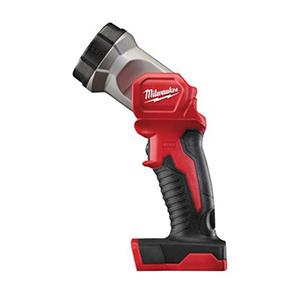
- Inspecting behind boilers, under sinks, inside cupboards and around trunking suits a Milwaukee inspection light or Milwaukee torch, where a tighter beam saves you waving a full flood light about in cramped spaces.
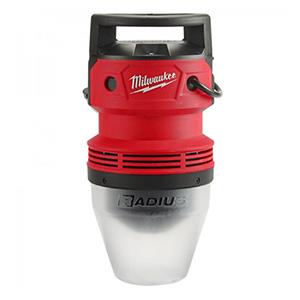
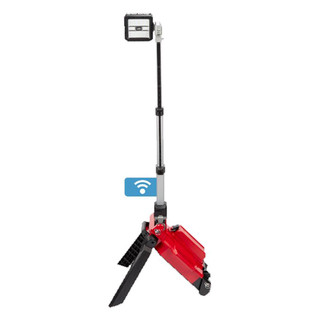
- Covering wider work areas such as plastering, decorating, kitchen fitting or handover snagging is what a Milwaukee tripod light or Milwaukee M18 tower light is built for, throwing light high and evenly across the room.
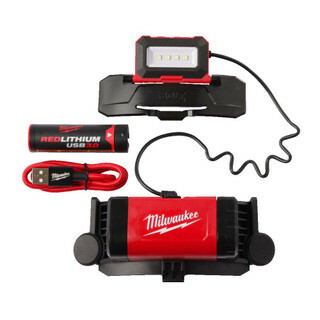
- Keeping both hands free on ladders, in roof spaces or under floors is where a Milwaukee head torch comes into its own, so you can cut, fix and test without balancing a torch on the nearest bit of timber.
Choosing the Right Milwaukee Site Light
Sort the light by where you work and how much area you need to cover. A pocket torch and a tower light are not the same job.
1. Torch, Inspection Light or Area Light
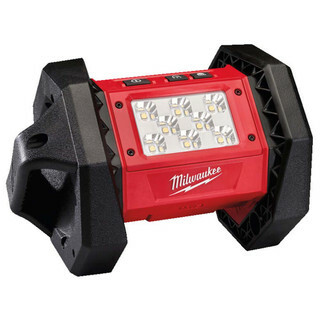
If you're fault finding, checking pipe runs or working in cupboards, go for a Milwaukee torch or inspection light. If you're lighting a room, stairwell or work bay, you need a Milwaukee work light with a wider beam, not a spot beam that leaves half the job in shadow.
2. M12, M18 or USB
If you want something small for service work and quick van jobs, a Milwaukee M12 work light or Milwaukee USB torch makes more sense. If you're on longer shifts or lighting bigger spaces, a Milwaukee M18 site light gives you better runtime and output without constantly swapping batteries.
3. Floor, Tripod or Tower Setup
A Milwaukee floor light is handy when you're working low level or moving room to room. If you need height and broader coverage for plastering, decorating or full-room fit out, buy a Milwaukee tripod light or Milwaukee tripod work light so the beam gets up and over the job instead of blasting straight into your knees.
4. Match It to the Battery Kit You Already Own
If your van is already full of M18 packs, stick with an M18 light. If you mainly carry compact service kit, M12 or USB models are easier to live with. It is no bargain buying into a light you cannot keep powered with the batteries you already use every day.
Who Uses These on Site?
- Sparkies use Milwaukee site light kit for first fix, board changes and fault finding, especially in lofts, corridors and plant rooms where the house lights are off or not fitted yet.
- Plumbers and heating engineers swear by a Milwaukee inspection light or Milwaukee torch for tight cupboards, under baths and behind cylinders, where you need light exactly on the joint without filling the whole room with glare.
- Chippies, kitchen fitters and snagging teams reach for a Milwaukee work light when they need to see lines, fixings and finish quality properly, especially on winter jobs when natural light disappears early.
- Decorators and dryliners use tripod and floor lighting to throw even light across walls and ceilings, which makes imperfections, missed filling and poor edges far easier to spot before sign-off.
- Site managers and maintenance teams keep a Milwaukee head torch or USB torch in the van for quick checks, late call-outs and safe access through dark stairwells, compounds and service areas.
The Basics: Understanding Milwaukee Site Lighting
The main thing to understand is beam type, battery platform and mounting style. Get those right and the light will suit the job instead of just being bright on paper.
1. Spot Beams vs Flood Beams
A Milwaukee torch or head torch throws light further and is better for inspections, access routes and focused tasks. A Milwaukee work light uses a broader flood beam to light up the whole area, which is what you want for fixing, cutting, marking out and finishing work.
2. Compact Lights vs Area Lights
Compact M12 and USB lights are for close-up work, van use and quick call-outs. M18 floor, tripod and tower lights are built to replace poor temporary lighting on site and cover wider spaces for longer without the faff of extension leads.
3. Height Changes the Result
The higher the light sits, the fewer harsh shadows you get. That is why tripod and tower lights work better for room coverage, while low floor lights are better for underfloor, low-level fixing and jobs where you need to move fast between areas.
Milwaukee Site Lighting Accessories That Save Time
The right add-ons stop dead batteries, poor positioning and wasted trips back to the van.
1. Spare M12 or M18 Batteries
A spare pack is the obvious one. Do not get halfway through a late finish, lose your light, and end up working off a phone torch because your only battery is on charge in the van.
2. USB Charging Cables and RedLithium USB Packs
If you use a Milwaukee USB torch or head torch, keep spare charging kit handy. It saves the usual mess of hunting for the right lead when the light dies just before a call-out or inspection.
3. Tripods and Mounting Options
A proper stand or tripod gets the beam up where it belongs. That means fewer shadows on walls, less glare in your face and no balancing the light on paint tins, steps or the nearest window board.
4. Carry Cases and Storage
Good storage stops lenses getting scratched and brackets bent in the back of the van. If your lighting kit gets thrown in with breakers and hand tools, it will not stay tidy for long.
Choose the Right Milwaukee Site Light for the Job
Use this quick guide to match the light to the sort of work you actually do.
| Your Job | Category or Type | Key Features |
|---|---|---|
| Fault finding in cupboards, risers and plant | Milwaukee inspection light or torch | Focused beam, compact body, easy one handed use, fits tight spaces |
| Service work, call-outs and van kit | Milwaukee M12 work light or Milwaukee USB torch | Small size, quick charging, light carry, ideal for short jobs and checks |
| Room by room first fix and refurb work | Milwaukee floor light or Milwaukee M18 LED work light | Wide flood beam, solid runtime, easy to move, no leads underfoot |
| Plastering, decorating and larger fit-out areas | Milwaukee tripod light | Raised beam height, wider spread, fewer shadows, better wall and ceiling coverage |
| Big open spaces and full area lighting | Milwaukee M18 tower light | High output, strong runtime, broad site coverage, suits larger rooms and work zones |
Common Buying and Usage Mistakes
- Buying a torch when you really need an area light is the usual mistake. You save money up front, then spend the whole job working in shadows and moving the light every five minutes.
- Choosing the wrong battery platform causes hassle fast. If the rest of your kit is M18, a random USB or M12 light might be fine as a spare, but not if it leaves you juggling different chargers on site.
- Ignoring mounting height ruins the result. A bright floor light shoved in a corner still leaves hard shadows, so for walls, ceilings and room coverage you are better off with a tripod or tower setup.
- Not checking runtime against the shift means the light gives up before you do. If you are on longer jobs, carry spare batteries or move up to a higher capacity setup instead of hoping one pack lasts all day.
- Throwing site lights loose in the van shortens their life. Lenses get scratched, brackets get bent and chargers go missing, so store them properly if you want reliable lighting on the next job.
Torch vs Tripod Light vs Tower Light
Milwaukee Torch
Best for inspections, call-outs and focused close work. It is easy to carry and quick to grab, but it will not light a whole room properly if you are fitting out or snagging.
Milwaukee Floor or Work Light
This is the practical middle ground for most trades. It gives wider coverage than a torch and moves easily from room to room, but it does not throw light as high or as evenly as a proper tripod setup.
Milwaukee Tripod Light
The right pick for room coverage, finishing work and seeing surfaces clearly. It takes up more space and is less grab-and-go than a floor light, but the height makes a big difference on walls and ceilings.
Milwaukee Tower Light
Built for bigger spaces, longer jobs and broader work areas where one compact light will not cut it. If you mainly do service work or tight domestic jobs, it is more light than you need and less convenient to move about.
Maintenance and Care
Keep the Lens Clean
Dust, plaster and paint mist dull the beam faster than most people realise. Wipe lenses down after use so you get the full output rather than wondering why the light seems weak.
Check Hinges, Stands and Brackets
Moving parts take the knocks first. If a bracket starts loosening off or a stand bends, sort it early before the light will not hold position and keeps falling over on site.
Look After the Batteries
Do not leave packs flat for weeks in a cold van. Charge them properly, rotate spares and keep battery contacts clean so your Milwaukee M18 site light or M12 light runs as it should.
Store Charging Gear Together
USB leads and chargers are always the first bits to go missing. Keep them in the same case as the light so you are not stuck with a dead head torch and no way of topping it up.
Replace Worn Lights Before They Cost You Time
If the housing is cracked, seals are failing or the output has dropped badly after years of abuse, replace it. A tired site light wastes time and makes close work harder than it needs to be.
Why Shop for Milwaukee Site Lights at ITS?
Whether you need a compact Milwaukee torch, a Milwaukee work light for first fix, or a full Milwaukee M18 tower light for larger areas, we stock the proper range in one place. That includes Milwaukee RedLithium USB Site Lighting & Torches and Milwaukee M18 Site Lighting & Torches, all held in our own warehouse and ready for next day delivery. If you are also weighing up other options, we stock Vaunt Site Lighting & Torches, Vaunt Lighting Site Lighting & Torches and Vaunt Lighting Head Torches too.
Milwaukee Site Light FAQs
How bright is a Milwaukee site light?
It depends on the model, and that matters more than the badge. A Milwaukee head torch or inspection light is built for close work and access, while a Milwaukee M18 LED work light, tripod light or tower light is there to light a room or wider work area properly. For fault finding and service work, compact output is fine. For first fix, finishing or handover work, go bigger so you are not chasing shadows all shift.
How long does a Milwaukee site light run?
Runtime comes down to the battery platform, the battery size and how hard you are driving the light. USB and M12 models suit shorter jobs, inspections and call-outs. Milwaukee M18 site light models usually make more sense for longer site use because they give stronger runtime on bigger packs. If you are working late or covering full rooms, carry a spare battery and stop it becoming a problem.
Can Milwaukee site lights be charged via USB?
Some can, some cannot. Milwaukee USB torch and RedLithium USB models are designed around USB charging, which is handy for van use and quick top-ups. M12 and M18 lights use their own battery systems, so check the platform before you buy. Do not assume every Milwaukee site light charges by USB just because the smaller ones do.
Are Milwaukee site lights waterproof?
They are built for site conditions, but waterproof means different things depending on the model. Most are fine for normal trade use, damp conditions and the usual site abuse, but that is not the same as being happy left out in standing water. If you are working outdoors a lot, check the actual IP rating and buy to the environment rather than guessing.
Is a Milwaukee tripod work light worth it over a standard floor light?
Yes, if you need proper room coverage. A floor light is quicker to move and fine for low-level tasks, but a Milwaukee tripod work light gets the beam higher, which cuts shadows and shows surfaces better. If you are decorating, plastering, fitting kitchens or snagging finishes, the tripod setup is usually the smarter buy.
Which Milwaukee light is best for tight spaces and inspections?
A Milwaukee inspection light, head torch or compact Milwaukee torch is the better fit. They are easier to position in cupboards, loft hatches, under sinks and behind plant. Dragging a full site light into those spaces is awkward and usually gives you too much glare in the wrong place.