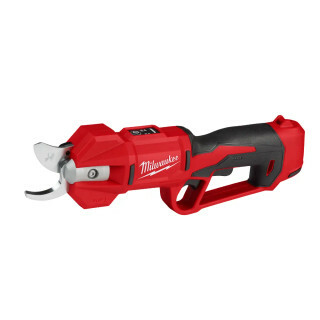
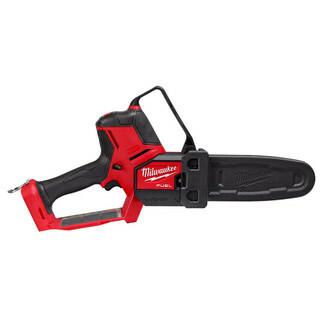
Milwaukee Pruners & Shears
Milwaukee pruner tools make light work of repetitive cutting, trimming live growth cleanly without wrecking your hands on long days in the yard or on site.
If you're spending half the day cutting back shrubs, tidying boundary lines or clearing thicker stems by hand, a Milwaukee pruner saves your grip and speeds the job up. These Milwaukee secateurs are built for landscapers, grounds crews and maintenance teams who need clean cuts, one handed use and battery kit that stands up to daily graft. If you're already running Milwaukee M12 Garden Power Tools or Milwaukee M18 Garden Power Tools, it makes sense to keep everything on one platform and get the right cutter for the work.
What Are Milwaukee Pruners Used For?
- Cutting back shrubs, hedging growth and woody stems on commercial grounds jobs where hand snips soon start punishing your wrists.
- Clearing overgrown borders and site edges before fencing, paving or access work so the area is ready without dragging out bigger cutting kit.
- Working one handed up ladders, off steps or while holding growth back with the free hand, where a powered Milwaukee pruner keeps cuts neat and controlled.
- Tidying estates, schools and managed properties where maintenance teams need fast, repeatable cuts through live branches without tearing the plant up.
- Handling routine pruning in the same battery setup as Milwaukee Garden Power Tools, which keeps charging and spare batteries simple across the van.
Choosing the Right Milwaukee Pruner
Sort the right one by the stem size, the amount of cutting you do in a day, and the battery platform you already own.
1. Battery Platform First
If you are already running Milwaukee cordless garden kit, stay on that platform. A pruner that shares packs with your other gear is the sensible buy, especially if you already use Milwaukee Fuel Garden Power Tools and want fewer chargers and less loose kit in the van.
2. Match It to Branch Thickness
Do not buy purely on price and hope it will handle thicker hardwood all day. If you are mainly trimming softer green growth and routine maintenance cuts, a compact pruner is spot on. If you are regularly into older, tougher stems, check the stated cutting capacity properly before you commit.
3. Think About Repetition, Not Just Power
If it is just occasional garden tidy ups, almost any decent cordless pruner will do. If you are pruning for hours at a time, go for the model with the best ergonomics, one handed control and runtime, because hand fatigue is what slows you down first.
4. Keep the Rest of the Range in Mind
If pruning is only one part of the work, it is worth looking at the wider Milwaukee Garden Power Tools range so your blowers, trimmers and pruning kit all run together without doubling up on batteries and chargers.
Who Uses These on Site?
- Landscapers use Milwaukee secateurs for day long pruning, shaping and cutting back because they are quicker than manual cutters when you have hundreds of stems to get through.
- Grounds maintenance teams reach for a Milwaukee pruner when keeping schools, business parks and housing sites tidy, especially for regular cutting where clean finish matters.
- Fencers and property maintenance crews use them for clearing light growth around posts, panels and boundaries before the proper install starts.
- Facilities teams keep one in the van for routine grounds work, snagging and quick vegetation clearances without carrying heavier saws for small cutting jobs.
The Basics: Understanding Milwaukee Pruners
A Milwaukee pruner does the same job as manual secateurs, but with a powered blade that closes through the cut for you. The main thing to understand is not just raw power, but how that helps on repetitive cutting work.
1. Powered Cutting Instead of Hand Squeeze
The tool drives the blade through the branch, so you are not constantly crushing the handles by hand. On real jobs that means less strain in the wrist and forearm, especially when you are cutting all morning.
2. Clean Cuts on Live Growth
A proper cordless pruner is designed to cut stems cleanly rather than tearing them. That matters for shrubs, roses, fruit trees and managed planting where rough cuts leave a mess and can damage healthy growth.
3. One Handed Control for Tight Spots
Because the tool can be used one handed, you can hold growth aside or steady yourself with the other hand when working in awkward borders, dense shrubs or ladder jobs. It speeds the work up, but you still need to respect the cutting head and keep fingers clear.
Milwaukee Pruner Accessories That Keep You Working
A cordless pruner is only useful if it is charged, protected and ready for the next run of cuts.
1. Spare Batteries
A spare battery is the obvious one. Do not get caught halfway through a long hedge line or estate tidy up with dead kit and a walk back to the van.
2. Battery Charger
A proper charger keeps turnaround quick between jobs and means your Milwaukee secateurs are ready at the start of the day, not still flat from yesterday.
3. Blade Maintenance Kit
Keep the blade clean, lubricated and protected. Sap, dirt and moisture soon make pruning gear cut badly, stick in the head and wear faster than it should.
4. Carry Case or Tool Bag
Do not just throw it loose in with spades and hand tools. A case or proper storage stops the blade and body getting knocked about between jobs.
Choose the Right Milwaukee Pruner for the Job
Use this quick guide to match the cutter to the sort of pruning work you actually do.
| Your Job | Category or Type | Key Features |
|---|---|---|
| Routine shrub trimming and border maintenance | Compact cordless pruner | Light weight build, one handed use and clean cutting on softer live growth. |
| Estate work with repeated daily cuts | High runtime cordless pruner | Better battery endurance, reduced hand fatigue and quick repeat cutting through mixed stems. |
| Thicker branch pruning and tougher woody growth | Larger capacity pruner | Wider cutting capacity and stronger cutting force for older stems and harder material. |
| Battery sharing with existing garden kit | Platform matched pruner | Uses the same packs and chargers as your existing Milwaukee garden setup. |
| Full grounds care setup across multiple tools | System based cordless kit | Easy battery rotation across pruners, blowers and trimmers from Milwaukee Garden Power Tools. |
Common Buying and Usage Mistakes
- Buying on battery platform alone and ignoring cutting capacity. That is how you end up with a pruner that suits light trimming but struggles on the thicker stems you actually deal with.
- Using a pruner as a mini lopper. Forcing it through material beyond its rating slows the cut, strains the mechanism and shortens blade life.
- Letting sap and dirt build up on the blade after use. The result is rougher cuts, sticking jaws and a tool that starts feeling weaker than it really is.
- Starting a full day with one battery and no spare. If pruning is part of paid work, keep a second pack ready or you will lose time waiting on charge.
- Treating one handed use as licence to get careless. These are quicker than manual secateurs, so keep your free hand clear and work properly, especially in dense growth.
Cordless Pruners vs Manual Secateurs vs Loppers
Cordless Pruners
Best for repeated cutting where hand fatigue becomes the real problem. A Milwaukee pruner is the right call for landscapers and maintenance teams doing high volumes of clean cuts through live stems.
Manual Secateurs
Fine for quick tidy ups, light home use or the odd stem here and there. They are cheaper and simpler, but on proper daily work they soon slow you down and punish your grip.
Loppers
These are for longer reach and thicker branches where a handheld pruner is the wrong tool. Good for leverage on heavier growth, but not as fast or controlled for close repetitive pruning.
What Most Pros Do
Most crews keep all three. Cordless pruners handle the bulk of standard cuts, manual secateurs stay in the pocket for quick snips, and loppers come out only when the branch size demands it.
Maintenance and Care
Clean the Blade After Every Shift
Wipe off sap, leaf residue and dirt before it hardens. A dirty blade drags through the cut and makes the tool work harder than it needs to.
Keep the Cutting Head Lubricated
A light lubricating oil on the moving parts helps the jaws cycle smoothly and cuts down wear, especially if the pruner is used in dusty or damp conditions.
Store It Dry and Protected
Do not leave it wet in the back of the van or loose under other tools. Dry storage helps prevent corrosion and stops the blade from getting chipped or bent.
Check Battery Contacts and Charge Routine
Keep the battery terminals clean and charge packs properly between jobs. Poor battery care is one of the quickest ways to end up blaming the tool for lost runtime.
Replace Worn Blades Before Cuts Go Ragged
If the tool starts tearing instead of slicing cleanly, inspect the blade. A worn cutting edge wastes battery, damages growth and slows the job down.
Why Shop for Milwaukee Pruners at ITS?
Whether you need a single Milwaukee pruner for routine grounds work or you are building out a full cordless cutting setup, we stock the proper range in one place. That includes pruning kit across the wider Milwaukee Fuel Garden Power Tools lineup, all held in our own warehouse and ready for next day delivery.
Milwaukee Pruner FAQs
How thick can a Milwaukee pruner cut?
It depends on the exact model, but these are built for pruning stems and branches rather than heavy limb removal. Check the stated maximum cut diameter on the tool you are buying and be honest about the material too, because green live growth is very different from old hard wood.
Are Milwaukee pruners suitable for professional landscapers?
Yes, that is exactly where they make the most sense. If you are pruning all day on maintenance rounds, commercial grounds jobs or estate work, a Milwaukee pruner cuts faster than manual secateurs and saves a lot of strain in the hand and wrist.
How long does the Milwaukee pruner run per charge?
Runtime depends on the battery fitted, the branch thickness and how hard the tool is being worked. On light to medium pruning you will get a lot of cuts from a single charge, but if it is earning money for you all day, carry a spare pack and keep moving.
Are Milwaukee shears one-handed?
Yes, most Milwaukee shears and pruners in this type are designed for one handed operation. That is handy when you need the other hand for positioning growth, but you still need to work carefully and keep fingers well clear of the cutting head.
Will a Milwaukee pruner replace loppers or a pruning saw?
No, not completely. It is the right tool for repeated cuts on stems and smaller branches, but once the material gets too thick or awkward, you still want loppers or a saw rather than forcing the pruner past its limit.
Are Milwaukee secateurs worth it if I only do occasional pruning?
If it is genuinely only the odd cut now and then, manual secateurs may do the job. A Milwaukee secateurs setup really earns its keep when you are doing enough pruning for speed, cleaner repeat cuts and reduced hand fatigue to matter.