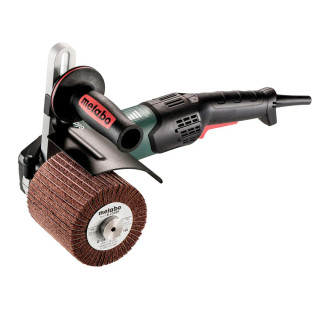
Metabo Sanders
Metabo sanders are built for clean stock removal, fine finishing and proper site prep on timber, filler, paint and metal without fighting the tool.
If you're flattening doors, keying painted surfaces or knocking filler back before second fix, a metabo sander saves time and leaves a better finish than doing it by hand. From compact detail models to a metabo orbital sander or metabo sander 150mm for bigger areas, these are bits of kit made for regular graft, decent dust control and all-day use. If you need a machine that cuts cleanly and stays controllable, start here.
What Are Metabo Sanders Used For?
- Flattening timber doors, frames and window boards on second fix where hand sanding just wastes time and leaves high spots behind.
- Keying painted walls, skirting and trim before decorators start so new coats bond properly and you are not painting over glossy patches.
- Knocking back filler on refurbs and snagging jobs where a metabo orbital sander gives you control without gouging the surface.
- Cleaning up metalwork, old coatings and rough edges in workshops or on site where a metabo belt sander is better suited to fast material removal.
- Finishing larger panels, worktops and sheet material with a metabo random orbital sander when you need a tidy swirl-free result and workable dust collection.
Choosing the Right Metabo Sander
Sorting the right one is simple: match the sanding action to the finish you need, not just the size of the tool.
1. Random Orbital for Finish Work
If you are sanding doors, panels, filler or painted timber and want a cleaner finish, go for a metabo random orbital sander. It is the safe bet for most site users because it removes material well without leaving harsh straight-line scratches.
2. Belt Sanders for Fast Removal
If you need to strip back old finishes, level rough timber or remove stock quickly, a metabo belt sander is the one. Just do not use it where a fine finish matters unless you are planning to follow up with a finer machine afterwards.
3. Disc Size Matters
If you are covering bigger boards, doors or bench tops all day, a metabo sander 150mm gives you better coverage and quicker progress. For smaller parts and tighter work, a compact pad is easier to control and less likely to catch edges.
4. Dust Control Is Not Optional
If you are working indoors, in finished homes or on snagging jobs, pick a model with proper extraction connection and use it. It keeps the cut cleaner, saves sweep-up and stops dust settling where the client will spot it first.
Who Uses These on Site?
- Chippies rely on metabo sanders for easing doors, cleaning up scribed joints and finishing timber before it goes in, especially on second fix where a rough edge stands out straight away.
- Decorators keep a metabo orbital sander handy for prep work on walls, woodwork and filler because it speeds up rubbing down and leaves less mess when dust extraction is hooked up.
- Kitchen fitters use a metabo random orbital sander on worktops, end panels and fillers where control matters and over-sanding an edge means starting again.
- Joiners and workshop teams use larger metabo sander 150mm models and belt sanders for steady stock removal on boards, doors and fabricated parts over long runs.
- Maintenance teams and snaggers keep compact units in the van for quick repairs, patch prep and awkward corners that need sorting before handover.
The Basics: Understanding Metabo Sanders
The main thing to understand is how each sanding action affects the finish. Get that right and you will buy once instead of ending up with the wrong machine for the job.
1. Orbital and Random Orbital
A metabo orbital sander moves the pad in a small sanding pattern for controlled prep work. A metabo random orbital sander adds a spinning motion as well, which helps remove material faster and leaves a more even finish on timber, paint and filler.
2. Belt Sanders
A belt sander runs a continuous abrasive belt and is built for quick stock removal. This is what you reach for when rough timber, old coatings or uneven surfaces need knocking back fast, not when you are trying to leave a final finish straight off the tool.
3. Detail Sanders
Detail and delta sanders use pointed pads to get into corners, along edges and around trims. They are not the fastest on big flat areas, but they save a lot of hand sanding when the shape of the job gets awkward.
Metabo Sander Accessories That Save Time on Site
The right extras keep your finish cleaner, your machine working properly and your day moving without constant stops.
1. Sanding Discs and Belts
Get a proper spread of grits, not just one pack of whatever is cheapest. Starting too fine wastes time and starting too coarse can leave scratches you will be chasing for ages on paint prep and finish work.
2. Dust Bags and Extraction Adaptors
Do not wait until the room is fogged out to think about dust control. A decent bag or adaptor keeps the air clearer, stops the abrasive clogging as quickly and cuts down the clean-up nobody wants at the end of the job.
3. Spare Backing Pads
Once a hook and loop pad is worn, discs stop holding properly and start spinning off or sitting unevenly. Keeping a spare pad in the van is a cheap fix for a problem that ruins finish quality fast.
4. Extraction Vacuums
If you are sanding indoors day after day, hook up to a proper vacuum rather than relying on the onboard bag alone. You will get better dust pick-up, less airborne mess and fewer complaints when working in occupied properties.
Choose the Right Metabo Sander for the Job
Use this quick guide to sort the right sanding type before you buy.
| Your Job | Category or Type | Key Features |
|---|---|---|
| Fine finishing on doors, panels and painted woodwork | Metabo random orbital sander | Clean finish, good control, round pad, solid all-round choice for prep and finishing |
| Fast stock removal on rough timber or old coatings | Metabo belt sander | Aggressive cut, larger contact area, better for flattening and stripping than final finish work |
| Corners, edges and awkward trim details | Detail or delta sander | Pointed pad, gets into tight spots, saves hand sanding around frames and mouldings |
| Large flat surfaces and regular bench work | Metabo sander 150mm | Bigger sanding area, quicker coverage, suited to panels, worktops and sheet material |
| Indoor refurb work where dust is a problem | Extraction-ready sander setup | Vacuum connection, cleaner cut, less airborne dust, better for occupied properties and tidy handovers |
Common Buying and Usage Mistakes
- Buying a belt sander for finish work is a common misstep. It removes material fast, but it can mark the surface badly if you really needed a metabo orbital sander or random orbital model.
- Using the wrong grit wastes time both ways. Too coarse and you leave scratches to sort out later. Too fine and you stand there all day wondering why nothing is shifting.
- Ignoring dust extraction is a false economy. Dust builds up, abrasives clog sooner and the finish often comes out worse, especially on painted surfaces and filler.
- Picking the biggest pad size for every job sounds sensible until you are fighting it around edges and details. Match the pad size to the workpiece and access, not just speed.
- Running worn discs or a tired backing pad ruins performance. If the abrasive is clogged or the pad is not gripping properly, swap it out before you blame the machine.
Random Orbital vs Belt Sander vs Detail Sander
Metabo Random Orbital Sander
Best all-rounder for most trades. It balances material removal with a tidy finish, so it suits prep, filler work, timber finishing and painted surfaces without being too aggressive.
Metabo Belt Sander
Best when you need to shift material quickly on rough timber or strip back stubborn surfaces. Faster than orbital types, but far less forgiving if the job needs finesse rather than brute removal.
Metabo Detail Sander
Best for corners, narrow sections and shaped trim where round pads cannot reach. It is not the tool for large flat areas, but it saves a lot of awkward hand sanding on fiddly jobs.
Maintenance and Care
Clear the Dust Properly
Empty bags and blow dust out of vents after use, especially after fine filler or paint sanding. Packed dust makes the machine run hotter and shortens motor life.
Change Abrasives Before They Glaze
Once discs or belts clog over, they stop cutting and start burning time. Fresh abrasives work faster, put less strain on the machine and leave a cleaner finish.
Watch the Backing Pad
Check hook and loop pads for wear, flat spots and poor grip. A damaged pad throws sanding off, causes uneven contact and can ruin edges on finish work.
Store It Dry and Protected
Do not leave sanders loose under rubble in the van. Keep them in a case or clean box so pads stay flat, vents stay clear and leads or batteries do not get battered.
Repair or Replace Sensibly
If it is just a pad, bag or adaptor, replace the part and carry on. If the motor is running hot, the bearing noise is getting worse or the base is no longer stable, it is time to sort it before it spoils paid work.
Why Shop for Metabo Sanders at ITS?
Whether you need a compact finishing tool, a metabo orbital sander, a metabo random orbital sander or a metabo belt sander for heavier removal, we stock the full range in one place. You will also find the discs, pads and extraction gear to keep it working properly, all in our own warehouse and ready for next day delivery. Need to narrow it down further, look at Metabo Detail Sanders & Delta Sanders, Metabo Random Orbit Sanders, or Metabo Rotating Sander. For cleaner indoor work, pair yours with Metabo Dust Extractors & Vacuums and keep stocked up through Metabo Power Tool Accessories.
Metabo Sanders FAQs
Are Metabo sanders good?
Yes. Metabo sanders are well regarded for solid build, good control and reliable dust extraction setup. They are proper working tools for regular site and workshop use, not throwaway bits that feel tired after a few hard weeks.
Is Metabo belt sander good?
Yes, if you are buying it for the right job. A Metabo belt sander is a strong choice for fast stock removal, levelling rough timber and stripping surfaces back. Just be honest about the finish you need, because a belt sander is not the one for delicate final prep.
Which Metabo sander is best for fine finishing?
For most fine finishing jobs, a metabo random orbital sander is the best place to start. It gives you a smoother, more even result on timber, filler and painted surfaces than a belt sander, with less chance of leaving obvious marks behind.
What grit sanding discs should I use?
Start coarse only if the surface really needs cutting back, then work up through the grits. Rough shaping and stripping usually wants lower grits, general prep sits in the middle, and fine finishing needs a finer disc. The trick is not to jump straight from very coarse to very fine and expect the scratches to disappear.
Do Metabo sanders connect to dust extraction?
Many do, yes. That matters on real jobs because extraction keeps the abrasive cutting cleaner, improves visibility and cuts the mess in finished rooms. Check the model details for port type and compatibility if you are pairing it with an existing vac.
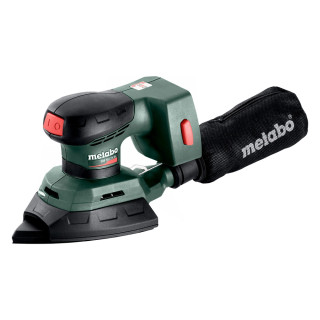
Metabo Sanders
Metabo sanders are built for clean stock removal, fine finishing and proper site prep on timber, filler, paint and metal without fighting the tool.
If you're flattening doors, keying painted surfaces or knocking filler back before second fix, a metabo sander saves time and leaves a better finish than doing it by hand. From compact detail models to a metabo orbital sander or metabo sander 150mm for bigger areas, these are bits of kit made for regular graft, decent dust control and all-day use. If you need a machine that cuts cleanly and stays controllable, start here.
What Are Metabo Sanders Used For?
- Flattening timber doors, frames and window boards on second fix where hand sanding just wastes time and leaves high spots behind.
- Keying painted walls, skirting and trim before decorators start so new coats bond properly and you are not painting over glossy patches.
- Knocking back filler on refurbs and snagging jobs where a metabo orbital sander gives you control without gouging the surface.
- Cleaning up metalwork, old coatings and rough edges in workshops or on site where a metabo belt sander is better suited to fast material removal.
- Finishing larger panels, worktops and sheet material with a metabo random orbital sander when you need a tidy swirl-free result and workable dust collection.
Choosing the Right Metabo Sander
Sorting the right one is simple: match the sanding action to the finish you need, not just the size of the tool.
1. Random Orbital for Finish Work
If you are sanding doors, panels, filler or painted timber and want a cleaner finish, go for a metabo random orbital sander. It is the safe bet for most site users because it removes material well without leaving harsh straight-line scratches.
2. Belt Sanders for Fast Removal
If you need to strip back old finishes, level rough timber or remove stock quickly, a metabo belt sander is the one. Just do not use it where a fine finish matters unless you are planning to follow up with a finer machine afterwards.
3. Disc Size Matters
If you are covering bigger boards, doors or bench tops all day, a metabo sander 150mm gives you better coverage and quicker progress. For smaller parts and tighter work, a compact pad is easier to control and less likely to catch edges.
4. Dust Control Is Not Optional
If you are working indoors, in finished homes or on snagging jobs, pick a model with proper extraction connection and use it. It keeps the cut cleaner, saves sweep-up and stops dust settling where the client will spot it first.
Who Uses These on Site?
- Chippies rely on metabo sanders for easing doors, cleaning up scribed joints and finishing timber before it goes in, especially on second fix where a rough edge stands out straight away.
- Decorators keep a metabo orbital sander handy for prep work on walls, woodwork and filler because it speeds up rubbing down and leaves less mess when dust extraction is hooked up.
- Kitchen fitters use a metabo random orbital sander on worktops, end panels and fillers where control matters and over-sanding an edge means starting again.
- Joiners and workshop teams use larger metabo sander 150mm models and belt sanders for steady stock removal on boards, doors and fabricated parts over long runs.
- Maintenance teams and snaggers keep compact units in the van for quick repairs, patch prep and awkward corners that need sorting before handover.
The Basics: Understanding Metabo Sanders
The main thing to understand is how each sanding action affects the finish. Get that right and you will buy once instead of ending up with the wrong machine for the job.
1. Orbital and Random Orbital
A metabo orbital sander moves the pad in a small sanding pattern for controlled prep work. A metabo random orbital sander adds a spinning motion as well, which helps remove material faster and leaves a more even finish on timber, paint and filler.
2. Belt Sanders
A belt sander runs a continuous abrasive belt and is built for quick stock removal. This is what you reach for when rough timber, old coatings or uneven surfaces need knocking back fast, not when you are trying to leave a final finish straight off the tool.
3. Detail Sanders
Detail and delta sanders use pointed pads to get into corners, along edges and around trims. They are not the fastest on big flat areas, but they save a lot of hand sanding when the shape of the job gets awkward.
Metabo Sander Accessories That Save Time on Site
The right extras keep your finish cleaner, your machine working properly and your day moving without constant stops.
1. Sanding Discs and Belts
Get a proper spread of grits, not just one pack of whatever is cheapest. Starting too fine wastes time and starting too coarse can leave scratches you will be chasing for ages on paint prep and finish work.
2. Dust Bags and Extraction Adaptors
Do not wait until the room is fogged out to think about dust control. A decent bag or adaptor keeps the air clearer, stops the abrasive clogging as quickly and cuts down the clean-up nobody wants at the end of the job.
3. Spare Backing Pads
Once a hook and loop pad is worn, discs stop holding properly and start spinning off or sitting unevenly. Keeping a spare pad in the van is a cheap fix for a problem that ruins finish quality fast.
4. Extraction Vacuums
If you are sanding indoors day after day, hook up to a proper vacuum rather than relying on the onboard bag alone. You will get better dust pick-up, less airborne mess and fewer complaints when working in occupied properties.
Choose the Right Metabo Sander for the Job
Use this quick guide to sort the right sanding type before you buy.
| Your Job | Category or Type | Key Features |
|---|---|---|
| Fine finishing on doors, panels and painted woodwork | Metabo random orbital sander | Clean finish, good control, round pad, solid all-round choice for prep and finishing |
| Fast stock removal on rough timber or old coatings | Metabo belt sander | Aggressive cut, larger contact area, better for flattening and stripping than final finish work |
| Corners, edges and awkward trim details | Detail or delta sander | Pointed pad, gets into tight spots, saves hand sanding around frames and mouldings |
| Large flat surfaces and regular bench work | Metabo sander 150mm | Bigger sanding area, quicker coverage, suited to panels, worktops and sheet material |
| Indoor refurb work where dust is a problem | Extraction-ready sander setup | Vacuum connection, cleaner cut, less airborne dust, better for occupied properties and tidy handovers |
Common Buying and Usage Mistakes
- Buying a belt sander for finish work is a common misstep. It removes material fast, but it can mark the surface badly if you really needed a metabo orbital sander or random orbital model.
- Using the wrong grit wastes time both ways. Too coarse and you leave scratches to sort out later. Too fine and you stand there all day wondering why nothing is shifting.
- Ignoring dust extraction is a false economy. Dust builds up, abrasives clog sooner and the finish often comes out worse, especially on painted surfaces and filler.
- Picking the biggest pad size for every job sounds sensible until you are fighting it around edges and details. Match the pad size to the workpiece and access, not just speed.
- Running worn discs or a tired backing pad ruins performance. If the abrasive is clogged or the pad is not gripping properly, swap it out before you blame the machine.
Random Orbital vs Belt Sander vs Detail Sander
Metabo Random Orbital Sander
Best all-rounder for most trades. It balances material removal with a tidy finish, so it suits prep, filler work, timber finishing and painted surfaces without being too aggressive.
Metabo Belt Sander
Best when you need to shift material quickly on rough timber or strip back stubborn surfaces. Faster than orbital types, but far less forgiving if the job needs finesse rather than brute removal.
Metabo Detail Sander
Best for corners, narrow sections and shaped trim where round pads cannot reach. It is not the tool for large flat areas, but it saves a lot of awkward hand sanding on fiddly jobs.
Maintenance and Care
Clear the Dust Properly
Empty bags and blow dust out of vents after use, especially after fine filler or paint sanding. Packed dust makes the machine run hotter and shortens motor life.
Change Abrasives Before They Glaze
Once discs or belts clog over, they stop cutting and start burning time. Fresh abrasives work faster, put less strain on the machine and leave a cleaner finish.
Watch the Backing Pad
Check hook and loop pads for wear, flat spots and poor grip. A damaged pad throws sanding off, causes uneven contact and can ruin edges on finish work.
Store It Dry and Protected
Do not leave sanders loose under rubble in the van. Keep them in a case or clean box so pads stay flat, vents stay clear and leads or batteries do not get battered.
Repair or Replace Sensibly
If it is just a pad, bag or adaptor, replace the part and carry on. If the motor is running hot, the bearing noise is getting worse or the base is no longer stable, it is time to sort it before it spoils paid work.
Why Shop for Metabo Sanders at ITS?
Whether you need a compact finishing tool, a metabo orbital sander, a metabo random orbital sander or a metabo belt sander for heavier removal, we stock the full range in one place. You will also find the discs, pads and extraction gear to keep it working properly, all in our own warehouse and ready for next day delivery. Need to narrow it down further, look at Metabo Detail Sanders & Delta Sanders, Metabo Random Orbit Sanders, or Metabo Rotating Sander. For cleaner indoor work, pair yours with Metabo Dust Extractors & Vacuums and keep stocked up through Metabo Power Tool Accessories.
Metabo Sanders FAQs
Are Metabo sanders good?
Yes. Metabo sanders are well regarded for solid build, good control and reliable dust extraction setup. They are proper working tools for regular site and workshop use, not throwaway bits that feel tired after a few hard weeks.
Is Metabo belt sander good?
Yes, if you are buying it for the right job. A Metabo belt sander is a strong choice for fast stock removal, levelling rough timber and stripping surfaces back. Just be honest about the finish you need, because a belt sander is not the one for delicate final prep.
Which Metabo sander is best for fine finishing?
For most fine finishing jobs, a metabo random orbital sander is the best place to start. It gives you a smoother, more even result on timber, filler and painted surfaces than a belt sander, with less chance of leaving obvious marks behind.
What grit sanding discs should I use?
Start coarse only if the surface really needs cutting back, then work up through the grits. Rough shaping and stripping usually wants lower grits, general prep sits in the middle, and fine finishing needs a finer disc. The trick is not to jump straight from very coarse to very fine and expect the scratches to disappear.
Do Metabo sanders connect to dust extraction?
Many do, yes. That matters on real jobs because extraction keeps the abrasive cutting cleaner, improves visibility and cuts the mess in finished rooms. Check the model details for port type and compatibility if you are pairing it with an existing vac.
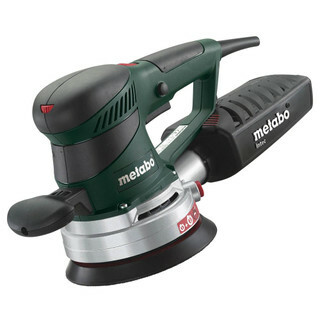
Our Stores
| Opening times |
|---|