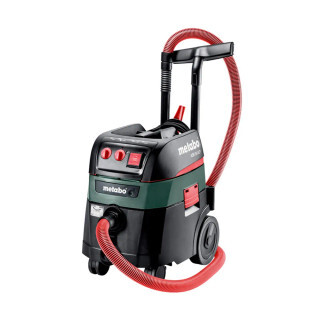
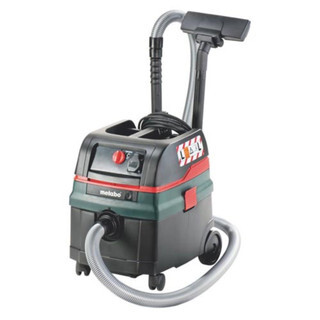
Metabo Dust Extractors & Vacuums
Metabo dust extractor models keep cutting dust, slurry and site muck under control, whether you're chasing walls, drilling concrete or clearing up at handover.
If your extractor cannot keep up, the whole job slows down. A proper Metabo hoover gives you cleaner cuts, less sweep-up and safer working when you're on concrete, brick, plasterboard or wet mess. From compact cordless dust extractor units to bigger Metabo dust extractor 240V machines, this is the kit trades reach for when they need reliable suction, tool-triggered extraction and dust classes that actually match the work. If you're sorting site-compliant cleanup or connecting straight to your power tools, start with the job and pick the right Metabo vacuum from there.
What Are Metabo Dust Extractors Used For?
- Chasing out block and brick for cable runs or pipework is cleaner and quicker when a Metabo dust extractor pulls debris straight from the tool instead of letting it spread across finished rooms.
- Drilling concrete, fixing rails and cutting board on refurb jobs is easier to manage when a Metabo vacuum with power take off starts with the tool and saves you trailing two switches every time.
- Clearing plaster dust, masonry debris and general site dirt at the end of the shift helps keep walkways safer and stops fine dust being dragged back through the client's property.
- Picking up wet waste, slurry and small spills on mixed jobs is where a Metabo hoover earns its keep, especially when you're moving between cutting, drilling and clean-down without swapping machines.
- Working to dust control rules on tougher materials often means stepping up to a Metabo M-Class Extractors & Vacuums range that is built for the sort of dust most trades create every day.
Choosing the Right Metabo Dust Extractor
Sorting the right one is simple: match the dust class, power source and tank size to the mess you actually make.
1. Dust Class Comes First
If you are mostly cleaning up general site dust and light workshop mess, L Class can be enough. If you are drilling, chasing or cutting concrete, brick, hardwood or plaster in regular site conditions, a metabo m class dust extractor is the one to look at. For the highest-risk dusts, step up to Metabo H-Class Extractors & Vacuums and do not cut corners.
2. Cordless or 240V
If you are working room to room, up steps, in vans or on small snagging jobs, a Metabo cordless dust extractor saves time and trailing leads. If the extractor is staying on one tool for long cutting or grinding sessions, a metabo dust extractor 240v machine usually makes more sense for runtime and sustained pull.
3. Tank Size and Airflow
Do not buy a small unit if you are lifting heavy masonry dust all day. Bigger tanks mean fewer stops, and stronger airflow matters when you have long hoses, fine dust or tools that throw out constant debris.
4. Tool Take Off and Filter Cleaning
If the extractor is living on a saw, grinder or wall chaser, get one with power take off so it starts when the tool does. If you are on fine dust day after day, automatic or semi-automatic filter cleaning is worth having because blocked filters kill suction and waste your time.
Who Uses These on Site?
- Sparkies use a Metabo extractor when wall chasing, drilling fixing holes and tidying up after first fix, because nobody wants brick dust all through a finished hallway.
- Joiners and kitchen fitters keep a Metabo vacuum cleaner on saws and sanders to stop fine dust covering units, worktops and floors during snag-free installs.
- Decorators and refurb teams swear by them for sanding prep, surface cleanup and keeping occupied properties livable while the work is still going on.
- Groundworkers, builders and general site crews use larger Metabo dust extraction units for rubble, slurry and heavy clean-down where a light domestic vacuum would give up fast.
- Site managers and compliance-led teams often split the choice by dust class, with lighter duties covered by Metabo L-Class Extractors & Vacuums and specialist hazardous work moving up from there.
The Basics: Understanding Metabo Dust Extractors
The main thing to understand is not just suction. It is how the machine handles the dust type, how it works with your tools and how long it keeps pulling before the filter clogs.
1. Dust Class Means Legal and Safe Use
L, M and H Class tell you what sort of dust the extractor is designed to handle. On site, that means choosing a machine that matches the material you are cutting or drilling, not just whichever vacuum happens to be cheapest.
2. Tool Triggering Saves Time
Many Metabo vacuum models have a power take-off socket, so the extractor starts when the tool starts. That keeps extraction consistent and stops lads forgetting to switch the hoover on halfway through a dusty cut.
3. Filters and Bags Keep Suction Steady
The cleaner the filter and bag setup, the better the machine performs. Fine dust packs filters quickly, so the right bag and cleaning system make the difference between steady extraction and a machine that sounds busy but leaves half the mess behind.
Metabo Dust Extractor Accessories That Save Time on Site
A decent extractor is only half the setup. The right extras stop blockages, cut downtime and keep the suction where it should be.
1. Dust Bags
Keep spare Metabo Dust Bags in the van. It saves you trying to shake out a full bag in the car park or running a machine with poor airflow because the old one is rammed with fine plaster and concrete dust.
2. Hoses and Tool Adaptors
A bad hose fit is where loads of extraction setups fall down. Proper adaptors and replacement hoses stop air leaks, stop the hose popping off mid cut and make sure the machine actually captures dust at source.
3. Filters
If suction has dropped off, a tired or clogged filter is usually the reason. Swapping filters at the right time keeps airflow up and stops the motor working harder than it needs to.
4. Specialist Add Ons
For replacement parts, connectors and job-specific extras, check Metabo Dust Extractor Accessories so the machine stays matched to the tools you actually use.
Choose the Right Metabo Dust Extractor for the Job
Use this as a quick guide before you pick a machine.
| Your Job | Category or Type | Key Features |
|---|---|---|
| General site tidy up and light workshop dust | L Class Metabo vacuum | Good all-round suction, lighter cleanup use, compact handling |
| Concrete drilling, wall chasing and regular building dust | M Class Metabo dust extractor | Correct dust class for common site materials, tool take off, stronger filtration |
| Room to room snagging and mobile jobs | Metabo cordless dust extractor | No lead to drag about, easy transport, quick setup |
| Long cutting sessions in one area | Metabo dust extractor 240V | Steady runtime, consistent suction, better for fixed work zones |
| Hazardous fine dust and specialist compliance work | H Class Metabo extractor | Higher containment, specialist filtration, for the jobs that demand it |
Common Buying and Usage Mistakes
- Buying on tank size alone and ignoring dust class is the big one. A bigger machine is no good if it is not rated for the material you are cutting, so check the dust class before anything else.
- Using a fine dust extractor with a packed bag or blocked filter kills suction fast. Change bags and clean filters before the machine starts struggling, not after the mess is already on the floor.
- Picking cordless for all-day static cutting can leave you short on runtime. If the extractor is staying with one tool for hours, a mains machine is often the better shout.
- Assuming every hose fits every tool usually ends in air leaks and poor extraction. Match the hose and adaptor properly so the dust is captured at source, not halfway across the room.
- Using one machine for both wet pickup and dry fine dust without sorting the setup first can clog filters and make a right mess. Follow the correct wet or dry configuration and empty the unit properly between jobs.
Cordless vs 240V vs M Class
Cordless Metabo Dust Extractor
Best for quick moving jobs, snagging, service work and places where dragging a lead is more trouble than the dust itself. Handy and fast to deploy, but not always the best choice for long, heavy extraction sessions.
240V Metabo Dust Extractor
Better when you are parked in one area cutting, grinding or drilling for hours. You get steady runtime and consistent pull, but you lose some of the freedom that makes cordless units so useful on smaller jobs.
M Class Metabo Vacuum
This is less about power source and more about what dust the machine is approved to handle. If your work regularly creates concrete, brick or hardwood dust, M Class is usually the practical site standard to aim for.
Maintenance and Care
Empty Before It Chokes
Do not wait until the drum is completely rammed. Emptying dust and debris early keeps airflow up and stops the motor straining for no reason.
Change Bags on Time
If the bag is heavy, airflow is dropping or fine dust is hanging about longer than it should, change it. Running a full bag just makes the machine work harder and extract worse.
Keep Filters Clean
Knock out, clean or replace filters to suit the machine and the dust type. Fine masonry dust blocks filters quickly, so stay on top of it if you want reliable suction.
Check Hoses and Seals
A split hose or loose cuff will rob suction long before the motor is at fault. Give the hose, fittings and seals a quick look over before blaming the extractor.
Store It Dry and Clean
After wet pickup, empty the tank and let it dry out properly. Leaving slurry or dirty water sitting inside is the quickest way to create smells, clogs and avoidable wear.
Why Shop for Metabo Dust Extractors at ITS?
Whether you need a compact Metabo hoover for van work, a site-ready M Class machine or a larger Metabo vacuum cleaner for heavy clean-down, we stock the full range. That means the right dust class, size and setup for the job, all in our own warehouse and ready for next day delivery.
Metabo Dust Extractor FAQs
Which Metabo vacuum should I choose for site work?
Start with the dust you are making, not the size of the machine. For general cleanup and lighter dust, an L Class unit can be enough. For regular drilling, chasing and cutting in brick, concrete, plaster and hardwood, most trades should be looking at an M Class Metabo vacuum because that is the level that suits everyday site dust control.
Can a Metabo vacuum pick up water?
Many Metabo vacuums can handle wet pickup, yes, but check the individual machine first. Some are built for both wet and dry work, which is useful when you are dealing with slurry, leaks or mixed cleanup. Just set it up properly for wet use and empty it straight after rather than leaving dirty water sat in the tank.
What is the difference between L; M and H dust classes?
L Class is for lower-risk dust and general cleanup. M Class is the usual site standard for dust from materials like concrete, brick, plaster and hardwood. H Class is for the highest-risk hazardous dusts where tighter containment is needed. If you are unsure, do not guess. Match the class to the material and the rules on the job.
Do Metabo vacuums have power take-off sockets?
A lot of them do, especially the models aimed at tool-connected extraction. It is a proper useful feature on site because the extractor starts when the saw, sander or grinder starts. That means less dust getting away from you and no forgetting to switch the vacuum on.
How often should you change a Metabo vacuum bag?
Change it when airflow starts dropping or the bag is clearly filling out, not when it is bursting. Fine plaster and masonry dust can load a bag quickly, so on heavy jobs you may get through them faster than you think. Keeping fresh bags in the van is the simple fix.
Are Metabo dust extractors worth it over a standard shop vacuum?
Yes, if you are using it on actual site work. A standard shop vacuum might tidy a garage, but it is usually not built for the dust classes, tool take-off use or constant fine dust loads that come with chasing, grinding and drilling on the job.
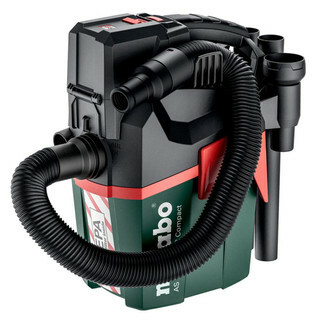
Metabo Dust Extractors & Vacuums
Metabo dust extractor models keep cutting dust, slurry and site muck under control, whether you're chasing walls, drilling concrete or clearing up at handover.
If your extractor cannot keep up, the whole job slows down. A proper Metabo hoover gives you cleaner cuts, less sweep-up and safer working when you're on concrete, brick, plasterboard or wet mess. From compact cordless dust extractor units to bigger Metabo dust extractor 240V machines, this is the kit trades reach for when they need reliable suction, tool-triggered extraction and dust classes that actually match the work. If you're sorting site-compliant cleanup or connecting straight to your power tools, start with the job and pick the right Metabo vacuum from there.
What Are Metabo Dust Extractors Used For?
- Chasing out block and brick for cable runs or pipework is cleaner and quicker when a Metabo dust extractor pulls debris straight from the tool instead of letting it spread across finished rooms.
- Drilling concrete, fixing rails and cutting board on refurb jobs is easier to manage when a Metabo vacuum with power take off starts with the tool and saves you trailing two switches every time.
- Clearing plaster dust, masonry debris and general site dirt at the end of the shift helps keep walkways safer and stops fine dust being dragged back through the client's property.
- Picking up wet waste, slurry and small spills on mixed jobs is where a Metabo hoover earns its keep, especially when you're moving between cutting, drilling and clean-down without swapping machines.
- Working to dust control rules on tougher materials often means stepping up to a Metabo M-Class Extractors & Vacuums range that is built for the sort of dust most trades create every day.
Choosing the Right Metabo Dust Extractor
Sorting the right one is simple: match the dust class, power source and tank size to the mess you actually make.
1. Dust Class Comes First
If you are mostly cleaning up general site dust and light workshop mess, L Class can be enough. If you are drilling, chasing or cutting concrete, brick, hardwood or plaster in regular site conditions, a metabo m class dust extractor is the one to look at. For the highest-risk dusts, step up to Metabo H-Class Extractors & Vacuums and do not cut corners.
2. Cordless or 240V
If you are working room to room, up steps, in vans or on small snagging jobs, a Metabo cordless dust extractor saves time and trailing leads. If the extractor is staying on one tool for long cutting or grinding sessions, a metabo dust extractor 240v machine usually makes more sense for runtime and sustained pull.
3. Tank Size and Airflow
Do not buy a small unit if you are lifting heavy masonry dust all day. Bigger tanks mean fewer stops, and stronger airflow matters when you have long hoses, fine dust or tools that throw out constant debris.
4. Tool Take Off and Filter Cleaning
If the extractor is living on a saw, grinder or wall chaser, get one with power take off so it starts when the tool does. If you are on fine dust day after day, automatic or semi-automatic filter cleaning is worth having because blocked filters kill suction and waste your time.
Who Uses These on Site?
- Sparkies use a Metabo extractor when wall chasing, drilling fixing holes and tidying up after first fix, because nobody wants brick dust all through a finished hallway.
- Joiners and kitchen fitters keep a Metabo vacuum cleaner on saws and sanders to stop fine dust covering units, worktops and floors during snag-free installs.
- Decorators and refurb teams swear by them for sanding prep, surface cleanup and keeping occupied properties livable while the work is still going on.
- Groundworkers, builders and general site crews use larger Metabo dust extraction units for rubble, slurry and heavy clean-down where a light domestic vacuum would give up fast.
- Site managers and compliance-led teams often split the choice by dust class, with lighter duties covered by Metabo L-Class Extractors & Vacuums and specialist hazardous work moving up from there.
The Basics: Understanding Metabo Dust Extractors
The main thing to understand is not just suction. It is how the machine handles the dust type, how it works with your tools and how long it keeps pulling before the filter clogs.
1. Dust Class Means Legal and Safe Use
L, M and H Class tell you what sort of dust the extractor is designed to handle. On site, that means choosing a machine that matches the material you are cutting or drilling, not just whichever vacuum happens to be cheapest.
2. Tool Triggering Saves Time
Many Metabo vacuum models have a power take-off socket, so the extractor starts when the tool starts. That keeps extraction consistent and stops lads forgetting to switch the hoover on halfway through a dusty cut.
3. Filters and Bags Keep Suction Steady
The cleaner the filter and bag setup, the better the machine performs. Fine dust packs filters quickly, so the right bag and cleaning system make the difference between steady extraction and a machine that sounds busy but leaves half the mess behind.
Metabo Dust Extractor Accessories That Save Time on Site
A decent extractor is only half the setup. The right extras stop blockages, cut downtime and keep the suction where it should be.
1. Dust Bags
Keep spare Metabo Dust Bags in the van. It saves you trying to shake out a full bag in the car park or running a machine with poor airflow because the old one is rammed with fine plaster and concrete dust.
2. Hoses and Tool Adaptors
A bad hose fit is where loads of extraction setups fall down. Proper adaptors and replacement hoses stop air leaks, stop the hose popping off mid cut and make sure the machine actually captures dust at source.
3. Filters
If suction has dropped off, a tired or clogged filter is usually the reason. Swapping filters at the right time keeps airflow up and stops the motor working harder than it needs to.
4. Specialist Add Ons
For replacement parts, connectors and job-specific extras, check Metabo Dust Extractor Accessories so the machine stays matched to the tools you actually use.
Choose the Right Metabo Dust Extractor for the Job
Use this as a quick guide before you pick a machine.
| Your Job | Category or Type | Key Features |
|---|---|---|
| General site tidy up and light workshop dust | L Class Metabo vacuum | Good all-round suction, lighter cleanup use, compact handling |
| Concrete drilling, wall chasing and regular building dust | M Class Metabo dust extractor | Correct dust class for common site materials, tool take off, stronger filtration |
| Room to room snagging and mobile jobs | Metabo cordless dust extractor | No lead to drag about, easy transport, quick setup |
| Long cutting sessions in one area | Metabo dust extractor 240V | Steady runtime, consistent suction, better for fixed work zones |
| Hazardous fine dust and specialist compliance work | H Class Metabo extractor | Higher containment, specialist filtration, for the jobs that demand it |
Common Buying and Usage Mistakes
- Buying on tank size alone and ignoring dust class is the big one. A bigger machine is no good if it is not rated for the material you are cutting, so check the dust class before anything else.
- Using a fine dust extractor with a packed bag or blocked filter kills suction fast. Change bags and clean filters before the machine starts struggling, not after the mess is already on the floor.
- Picking cordless for all-day static cutting can leave you short on runtime. If the extractor is staying with one tool for hours, a mains machine is often the better shout.
- Assuming every hose fits every tool usually ends in air leaks and poor extraction. Match the hose and adaptor properly so the dust is captured at source, not halfway across the room.
- Using one machine for both wet pickup and dry fine dust without sorting the setup first can clog filters and make a right mess. Follow the correct wet or dry configuration and empty the unit properly between jobs.
Cordless vs 240V vs M Class
Cordless Metabo Dust Extractor
Best for quick moving jobs, snagging, service work and places where dragging a lead is more trouble than the dust itself. Handy and fast to deploy, but not always the best choice for long, heavy extraction sessions.
240V Metabo Dust Extractor
Better when you are parked in one area cutting, grinding or drilling for hours. You get steady runtime and consistent pull, but you lose some of the freedom that makes cordless units so useful on smaller jobs.
M Class Metabo Vacuum
This is less about power source and more about what dust the machine is approved to handle. If your work regularly creates concrete, brick or hardwood dust, M Class is usually the practical site standard to aim for.
Maintenance and Care
Empty Before It Chokes
Do not wait until the drum is completely rammed. Emptying dust and debris early keeps airflow up and stops the motor straining for no reason.
Change Bags on Time
If the bag is heavy, airflow is dropping or fine dust is hanging about longer than it should, change it. Running a full bag just makes the machine work harder and extract worse.
Keep Filters Clean
Knock out, clean or replace filters to suit the machine and the dust type. Fine masonry dust blocks filters quickly, so stay on top of it if you want reliable suction.
Check Hoses and Seals
A split hose or loose cuff will rob suction long before the motor is at fault. Give the hose, fittings and seals a quick look over before blaming the extractor.
Store It Dry and Clean
After wet pickup, empty the tank and let it dry out properly. Leaving slurry or dirty water sitting inside is the quickest way to create smells, clogs and avoidable wear.
Why Shop for Metabo Dust Extractors at ITS?
Whether you need a compact Metabo hoover for van work, a site-ready M Class machine or a larger Metabo vacuum cleaner for heavy clean-down, we stock the full range. That means the right dust class, size and setup for the job, all in our own warehouse and ready for next day delivery.
Metabo Dust Extractor FAQs
Which Metabo vacuum should I choose for site work?
Start with the dust you are making, not the size of the machine. For general cleanup and lighter dust, an L Class unit can be enough. For regular drilling, chasing and cutting in brick, concrete, plaster and hardwood, most trades should be looking at an M Class Metabo vacuum because that is the level that suits everyday site dust control.
Can a Metabo vacuum pick up water?
Many Metabo vacuums can handle wet pickup, yes, but check the individual machine first. Some are built for both wet and dry work, which is useful when you are dealing with slurry, leaks or mixed cleanup. Just set it up properly for wet use and empty it straight after rather than leaving dirty water sat in the tank.
What is the difference between L; M and H dust classes?
L Class is for lower-risk dust and general cleanup. M Class is the usual site standard for dust from materials like concrete, brick, plaster and hardwood. H Class is for the highest-risk hazardous dusts where tighter containment is needed. If you are unsure, do not guess. Match the class to the material and the rules on the job.
Do Metabo vacuums have power take-off sockets?
A lot of them do, especially the models aimed at tool-connected extraction. It is a proper useful feature on site because the extractor starts when the saw, sander or grinder starts. That means less dust getting away from you and no forgetting to switch the vacuum on.
How often should you change a Metabo vacuum bag?
Change it when airflow starts dropping or the bag is clearly filling out, not when it is bursting. Fine plaster and masonry dust can load a bag quickly, so on heavy jobs you may get through them faster than you think. Keeping fresh bags in the van is the simple fix.
Are Metabo dust extractors worth it over a standard shop vacuum?
Yes, if you are using it on actual site work. A standard shop vacuum might tidy a garage, but it is usually not built for the dust classes, tool take-off use or constant fine dust loads that come with chasing, grinding and drilling on the job.
Our Stores
| Opening times |
|---|