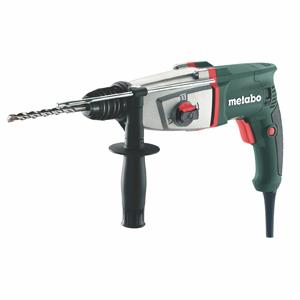
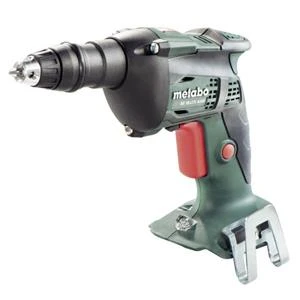
Metabo Drills and Drivers
A good metabo drill earns its keep on first fix, second fix and snagging, with metabo 18v kit built for proper site work, not shelf life.
If you're drilling studs, driving long fixings or punching through brick for a quick bracket run, this is the sort of kit you buy once and keep on the van. Metabo drills and drivers are well liked for solid gearing, sensible ergonomics and batteries that suit full working days, so pick the right drill driver, combi or impact setup and get the job moving.
What Are Metabo Drills and Drivers Used For?
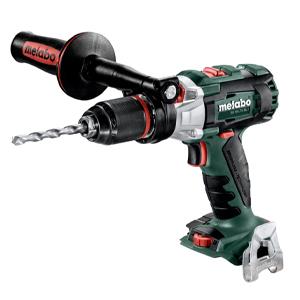
- Drilling timber stud, sheet material and kitchen carcasses is straightforward with a metabo drill driver when you need clean pilot holes and controlled screwdriving on fit-out work.
- Chasing fixings into masonry, brick and block is where a metabo combi drill earns its place, especially for first fix brackets, plugs and general install work around site.
- Driving long structural screws and repeated fixings into joists, battens and framing is quicker with a metabo 18v impact driver because it saves your wrist and keeps the pace up.
- Working through snagging, maintenance and service calls suits metabo 18v kit well, as one battery platform covers drilling, fastening and quick in-and-out van jobs without dragging leads about.
- Fitting cables, pipe clips, trunking and light steel fixings is easier when you match the tool to the task, whether that means a metabo screwdriver for control or a heavier drill for tougher holes.
Choosing the Right Metabo Drill
Sort the right one by the work in front of you, not by the biggest numbers on the box.
1. Drill Driver or Combi
If most of your day is timber, sheet and screws, a drill driver is usually the handier tool. If you are regularly fixing into brick or block, go straight to Metabo Combi Drills so you are not stuck reaching for another tool every hour.
2. Impact Driver for Repetitive Fixings
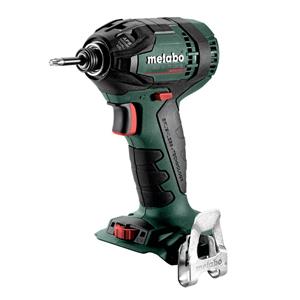
If you are driving long screws, coach screws or loads of repeated fixings, do not force a drill to do an impact driver's job. A dedicated Metabo Impact Drivers setup is faster, kinder on your wrist and less likely to cam out fixings.
3. Battery Platform
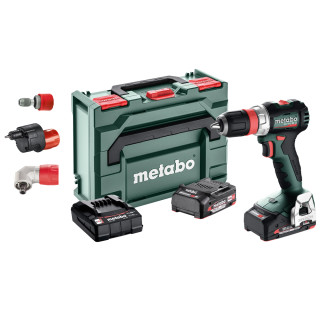
If you are already on metabo 18v, stick with it and save money by buying bare units where it makes sense. If you are starting fresh, check kits against the jobs you do most and make sure you have enough runtime from Metabo Batteries & Chargers before the first full week on site.
4. Torque and Tool Size
If you work overhead, inside cupboards or in service voids, a lighter compact drill is worth more than headline power. If you are drilling bigger holes and driving heavier fixings all day, step up to a stronger model with the torque to keep pace.
Who Uses These on Site?
- Sparkies reach for Metabo drills and drivers for back boxes, tray, trunking and repeated fixing work, and most keep an impact driver handy for faster second fix.
- Chippies use a metabo drill driver for studwork, carcass fitting and long screw runs where balance matters just as much as torque.
- Plumbers and heating engineers swear by combi drills for brackets, clips and plant room fixings, especially when they are moving between timber, tile and block in the same day.
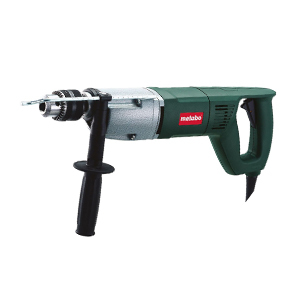
- Maintenance teams and site fitters like metabo 18v gear because one platform covers day to day drilling and fastening without filling the van with odd chargers and spare corded kit.
- General builders and refurb crews use these for the lot from first fix to final snagging, then step up to specialist kit like Metabo SDS Drills when the walls get tougher.
The Basics: Understanding Metabo Drills and Drivers
These tools all spin bits and fixings, but the way they deliver power changes what they are actually good at on site. Here is the simple version.
1. Drill Drivers
This is the everyday all rounder for drilling wood, metal and plastics, then driving screws with proper clutch control. It is the one most fitters and joiners grab first for clean work where accuracy matters.
2. Combi Drills
A combi drill adds a hammer action so it can tackle lighter masonry jobs as well as normal drilling and screwdriving. It is the better shout when your day jumps between timber and brick and you do not want two tools out for every small fixing.
3. Impact Drivers
An impact driver uses rotational impacts to drive screws and fixings with less kick back through your wrist. It is what you want for long screws, structural fixings and repetitive fastening where a standard drill starts fighting you.
Metabo Drill Accessories That Save Time on Site
A decent drill is only half the story. The right extras stop downtime and save you walking back to the van.
1. Spare Batteries and Chargers
A spare battery is a no brainer if your metabo 18v drill is in your hand all day. Do not get caught halfway through a run of fixings or up steps with a dead pack and nowhere to charge.
2. Impact Rated Bit Sets
Cheap bits round off fast and start wrecking screw heads, especially on repetitive fixing work. A proper impact rated set keeps driving cleaner and stops that annoying slip when you are working one handed.
3. Drill Bit Sets for Timber, Metal and Masonry
Keep a mixed set in the case so you are not bodging the wrong bit into the wrong material. It saves burnt metal bits, slow progress in timber and useless holes in brick.
4. Socket Adaptors and Nut Setters
If you are fixing channel, coach bolts or hex head fasteners, these let your driver do more than just screws. They are the sort of add on you miss only when you have not got one.
Choose the Right Metabo Drill for the Job
Match the tool type to the work and the day goes a lot smoother.
| Your Job | Category or Type | Key Features |
|---|---|---|
| Cabinet fitting, joinery and general screwdriving | Metabo drill driver | Compact size, clutch settings, good balance, clean drilling in timber and sheet |
| Mixed first fix with timber and occasional brick or block | Metabo combi drill | Hammer mode, drilling and driving in one tool, enough torque for general site fixing |
| Long screws, structural fixings and repeated fastening | Metabo 18v impact driver | High fastening speed, less wrist strain, impact action for stubborn fixings |
| Bolts, larger hex fixings and heavier fastening jobs | Metabo Impact Wrenches | Higher fastening force, square drive setup, better suited to nuts and bolts than standard drivers |
| Concrete drilling and tougher masonry work | Metabo SDS drill | SDS mechanism, faster drilling in hard material, better for repeated masonry work than a combi |
Common Buying and Usage Mistakes
- Buying a combi drill for every job when most of your work is just screwdriving makes the tool heavier than it needs to be. If you are mainly fitting kitchens, stud or second fix, a drill driver or impact setup is usually the better call.
- Using a standard drill to drive long structural screws all day soon hammers your wrist and cooks bits. Move to an impact driver for repetitive fastening and the job gets quicker with less grief.
- Choosing body only without checking your battery platform first is an easy way to save nothing. Make sure your metabo 18v packs and charger match what you are buying before it lands on site.
- Forcing a combi drill through hard concrete because it says hammer on the selector wastes time and strains the tool. For regular heavy masonry drilling, use SDS kit instead.
- Ignoring chuck size and bit capacity catches people out when they start using larger bits or accessories. Check the chuck spec against the work you actually do, not just the odd pilot hole.
Drill Driver vs Combi Drill vs Impact Driver
Drill Driver
Best for clean drilling in wood and metal plus controlled screwdriving. It is usually lighter and easier to handle than a combi, but it is not the right choice for regular masonry fixing.
Combi Drill
The better all round site choice when your day mixes timber, metal and light masonry. It gives you hammer action for plugs and brackets, though it can feel bulkier for nonstop screwdriving jobs.
Impact Driver
Made for driving screws and fixings fast with less kick back. It is the tool for long screws and repetitive fastening, but it is not a substitute for a proper drill when you need clean, accurate holes.
When to Step Up
If a combi is struggling in hard concrete, stop fighting it and move to SDS. If a drill driver is doing endless long screws, pair it with an impact and save the wear on both you and the tool.
Maintenance and Care
Clean the Chuck and Vents
Blow dust out of the chuck and motor vents after masonry or plaster work. Letting fine dust build up affects grip, airflow and long term reliability.
Use the Right Bits
Worn or wrong bits put extra strain on the motor and clutch and make every job slower. Swap damaged bits early instead of chewing up screws and blaming the drill.
Look After Batteries
Do not leave packs flat for ages in a cold van if you can help it. Rotate batteries, recharge properly and store them dry so your runtime stays consistent.
Check the Chuck Grip
If bits start slipping, inspect the chuck before it turns into a bigger problem. A chuck that will not hold properly slows drilling and can damage shanks.
Know When to Repair or Replace
Brush wear, wobbling chucks and failing batteries are worth sorting before they stop a job dead. If the tool is still sound, replacing service parts often makes more sense than binning it.
Why Shop for Metabo Drills and Drivers at ITS?
Whether you need a compact metabo drill driver for fitting work, a metabo combi drill for mixed site jobs or a metabo 18v impact driver for repeated fixings, we stock the full range in one place. That means kits, body only options, batteries and the supporting gear, all in our own warehouse and ready for next day delivery.
Metabo Drills and Drivers FAQs
Who makes Metabo drills?
Metabo drills are made by Metabo, the long established German power tool manufacturer. On site, they are known for solid engineering, practical battery platforms and tools built for regular trade use rather than occasional DIY jobs.
Are Metabo drills brushless?
Some are and some are not, so check the spec on the exact model. If you are using the tool hard most days, brushless is usually worth having because it runs more efficiently, gives better runtime and stands up better to regular site graft.
What is the difference between a drill driver and a combi drill?
A drill driver is mainly for drilling wood, metal and plastics, plus controlled screwdriving. A combi drill does that as well but adds hammer action for lighter masonry work, so it is the better option if you are often fixing into brick or block.
Do Metabo drills come with batteries?
Not always. Some Metabo drills are sold as kits with batteries and a charger, while others are body only for lads already on the metabo 18v platform. Always check what is in the box before ordering.
What chuck size do Metabo drills use?
It depends on the model, but most standard drills and combis use common trade sizes suited to everyday wood, metal and masonry bits. If you are planning to run larger accessories or specific shanks, check the chuck size and capacity first so it matches the work.
Will a Metabo 18v drill handle proper site use, or is it more for light work?
Yes, the better metabo 18v models are built for full trade use. They are well suited to first fix, second fix and maintenance work, but as ever, match the tool size and torque to the job instead of expecting one compact drill to cover everything.
Can I use a Metabo impact driver instead of a drill?
Not really, not for all jobs. An impact driver is brilliant for screws and hex fixings, but if you need neat, accurate holes in timber or metal, a proper drill driver or combi is still the right tool.
Are these worth buying as body only?
Yes, if you already own compatible Metabo batteries and chargers. If you do not, body only can be a false saving once you add power packs after the fact, so price the full setup before you decide.