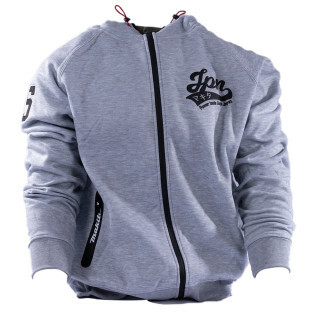
Makita Hoodies, Fleeces & Sweatshirts
Makita hoodies and fleeces keep the cold off on early starts, outdoor jobs, and draughty internals without getting in the way when you're grafting.
When you're on a cold first fix, loading out before sun-up, or stuck on snagging in an unheated plot, decent layers matter. Makita hoodies, fleeces, sweatshirts and jumpers are the sort of warm workwear that earns its place fast comfortable enough for all-day wear, tough enough for regular site use, and easy to layer under jackets when the weather turns. If you want site clothing that works without feeling bulky, start with the right layer and get sorted.
What Are Makita Hoodies and Fleeces Used For?
- Working through cold morning set-ups, these Makita hoodies and fleeces keep the chill off when you are unloading the van, setting out, or getting power on before the rest of site wakes up.
- Layering up on exposed jobs, Makita work fleeces sit neatly under coats without bunching up, which makes them handy for roof work, external first fix, and winter maintenance rounds.
- Handling indoor jobs on half-finished plots, Makita sweatshirts and jumpers give you enough warmth for plasterboarded shells, warehouses, and draughty refurbs where the heating is still nowhere near live.
- Using them as everyday casual workwear for tradesmen, these tops are ideal for travel to site, yard work, and quick call-out jobs where you want warm gear that still looks tidy enough off the tools.
- Keeping moving on active jobs, work hoodies for tradesmen are useful when you need warmth without the stiff feel of a coat, especially for joinery, electrical work, and general site running.
Choosing the Right Makita Hoodies and Fleeces
Sorting the right one is simple match it to the weather, the job, and whether it is going under a jacket or doing the work on its own.
1. Hoodie vs Fleece
If you are mostly outside, on the van, or working through cold mornings, a hoodie gives you that bit more casual warmth and coverage. If you are layering under outerwear or working in changeable conditions, a fleece is usually the better shout because it sits flatter and does not feel bulky.
2. Sweatshirt and Jumper for Indoor Graft
If you are mainly in plots, workshops, or warehouse jobs, Makita work jumpers and sweatshirts make more sense than a full hoodie. You still get warmth, but without a hood bunching up round the neck or catching under other layers.
3. Think About Layering First
If it needs to go under a coat every day, do not buy the thickest bit of kit going. A midweight fleece or sweatshirt will get worn more often, especially with Makita Work Jackets over the top on wet or windy jobs.
4. Buy for Daily Wear, Not One Cold Snap
If it is going to live in the van and get used five days a week, pick the one you can work in comfortably all day. Warm workwear only earns its keep if you can bend, lift, climb, and drive in it without constantly wanting to take it off.
Who Uses These on Site?
- Sparkies wear Makita hoodies and fleeces on first fix and testing jobs where they are in and out of plots all day and need a layer that stays warm without snagging every time they reach into a board or ceiling void.
- Chippies and kitchen fitters use Makita sweatshirts and jumpers for indoor fit-out work because they are warm enough for unfinished buildings but lighter and less clumsy than dragging a jacket round every room.
- Groundworkers, landscapers, and labourers reach for Makita work hoodies on cold starts, material runs, and general graft where you need something that takes the edge off the weather but still lets you move properly.
- Maintenance teams and van-based trades keep a fleece in the cab for quick reactive jobs, especially when one minute you are driving and the next you are outside checking plant, gates, lighting, or fencing.
The Basics: Understanding Makita Hoodies and Fleeces
With site layering clothing, the main thing is knowing which style gives you warmth on its own and which works better as part of a full cold-weather set-up.
1. Hoodies for Standalone Warmth
A hoodie is the one most lads grab for dry, cold starts and general running about. It gives you warmth, a bit of weather protection round the neck and head, and works well when a jacket would feel like overkill.
2. Fleeces for Layering
A fleece is better when you need warmth without too much bulk. It is the practical choice for wearing under waterproofs or softshells, especially on outdoor work where the temperature changes through the day.
3. Sweatshirts and Jumpers for Clean Indoor Work
Sweatshirts and jumpers sit in the middle. They are a solid option for workshop jobs, fit-outs, driving between calls, or indoor site work where you want a warm top that feels less bulky than a hoodie and less technical than a fleece.
Workwear Extras That Make These Layers More Useful
A warm top does more when the rest of your kit is set up properly for the weather and the job.
1. Work Jackets
A hoodie or fleece on its own is fine until the wind picks up or the rain starts coming sideways. Add an outer layer and you are not losing half the day because your mid layer got soaked through.
2. Base Layers
If you are working outdoors all week, a decent base layer stops you sweating up early then getting cold later. It is a simple fix for that stop start site rhythm where you are hot one minute and stood about the next.
3. Beanies and Caps
You lose a lot of heat fast on exposed jobs. Keeping a hat in the van saves you trying to pull a hood tight every time the weather turns or the wind cuts across the scaffold.
Choose the Right Makita Hoodies and Fleeces for the Job
Match the layer to the job and you will wear it more, not leave it in the van.
| Your Job | Category or Type | Key Features |
|---|---|---|
| Cold morning starts and general outdoor graft | Makita work hoodies | Good everyday warmth, easy throw-on fit, useful for yard work and site set-up |
| Layering under coats on exposed sites | Makita work fleeces | Lower bulk, better under jackets, handy when weather changes through the day |
| Indoor fit-out and workshop jobs | Makita sweatshirts and jumpers | Warm without the extra hood, easier to wear all day inside finished spaces |
| Driving between jobs and quick call-outs | Lightweight fleece or sweatshirt | Comfortable in the van, quick to pull on, tidy enough for everyday wear |
| Wet and windy winter site work | Fleece with jacket over the top | Better layering, improved weather protection, less bulk than doubling up on hoodies |
Common Buying and Usage Mistakes
- Buying the thickest hoodie you can find without thinking about the job usually ends with you overheating, taking it off, and leaving it somewhere. If you layer every day, a fleece or sweatshirt is often the smarter buy.
- Using a hoodie as your only cold weather plan on exposed or wet jobs is a common mistake. It is fine for dry mornings, but if the weather is rough, you need a proper outer layer over it.
- Picking casual workwear for tradesmen based only on looks can backfire fast. If it rides up, feels bulky under a jacket, or gets in the way when lifting and reaching, it will not last long in regular site use.
- Not thinking about where you actually work wastes money. For indoor fit-outs a sweatshirt or jumper may get worn far more than a heavier hoodie built for standing outside.
- Keeping damp layers screwed up in the van shortens their life and makes them miserable to put back on. Dry them out properly after wet shifts so they stay comfortable and ready for the next day.
Hoodies vs Fleeces vs Sweatshirts
Makita Hoodies
Best for everyday outdoor wear, cold starts, and general yard or site work. They are easy to throw on and comfortable all day, but they can feel bulkier under jackets than a fleece or plain sweatshirt.
Makita Fleeces
Best when you need a proper mid layer that works under outerwear. Fleeces trap warmth well and sit flatter under coats, which makes them a better pick for wind, winter, and long days outside.
Makita Sweatshirts and Jumpers
Best for indoor work, workshop use, and cleaner fit-out jobs where you still want warmth but do not need a hood. They are usually the simplest option for comfortable day to day wear.
Maintenance and Care
Brush Off Dust and Debris
Plaster dust, sawdust, and site muck soon build up in fibres and seams. Give hoodies and fleeces a proper shake or brush down before washing so the fabric does not get clogged up.
Wash Little and Often
Do not leave sweat, dust, and general grime sitting in workwear for weeks. Regular washing keeps layers comfortable and stops cuffs, collars, and inner linings getting rough or stale.
Dry Them Properly
If a fleece or hoodie gets wet on site, dry it out fully before it goes back in the van or locker. Damp workwear quickly turns cold, smells off, and wears out faster.
Do Not Overcook the Fabric
Too much heat in washing or drying can shrink sweatshirts, harden prints, and knock the shape out of fleeces. Stick to sensible wash care if you want them fitting right for longer.
Replace When Fit and Warmth Go Off
If cuffs are shot, zips are failing, or the layer has gone thin and cold, it is time. Workwear that no longer keeps you warm or moves properly is just dead weight in the kit pile.
Why Shop for Makita Hoodies and Fleeces at ITS?
Whether you need a simple Makita Work Hoodies layer for cold starts, a proper mid layer from Makita Work Fleeces, or everyday options in Makita Work Jumpers, we stock the full range in one place. You can also shop the wider Work Hoodies, Work Fleeces & Sweatshirts range if you want to compare styles. It is all held in our own warehouse, in stock, and ready for next day delivery.
Makita Hoodies and Fleeces FAQs
Are Makita hoodies suitable for site work?
Yes, for the right jobs. Makita hoodies are a solid choice for cold starts, yard work, indoor first fix, travel between jobs, and general site wear. They are warm and practical, but like any hoodie they are best treated as a mid layer or standalone dry weather option, not a replacement for proper waterproof outerwear.
What is the difference between work hoodies and fleeces?
A work hoodie is usually the easier everyday throw-on layer for general graft and cold mornings. A fleece is the better pick when you want warmth without too much bulk, especially under coats. If you are layering a lot, fleece usually wins. If you want one easy top for site and van, hoodie often makes more sense.
Are fleeces good for layering under work jackets?
Yes, that is exactly where fleeces earn their keep. They sit flatter than most hoodies, hold warmth well, and do not bunch up as much under a shell or softshell. On windy or wet jobs, a fleece under one of the Makita Work Jackets is usually a better set-up than trying to force a thick hoodie underneath.
Can tradesmen wear sweatshirts on site?
Yes, plenty do, especially on indoor jobs, workshop work, fit-outs, and lighter duties where you want warmth without a hood. Just make sure it suits the task and your site rules. On heavy outdoor jobs or in poor weather, a sweatshirt is usually better as part of a layered set-up rather than your only warm bit of kit.
How do I choose warm workwear for everyday use?
Start with where you actually work. If you are outside a lot, go hoodie or fleece and plan to layer it. If you are mainly indoors, a sweatshirt or jumper is often enough. The best everyday layer is the one you can bend, drive, lift, and work in all day without sweating up or wanting to rip it off by ten in the morning.