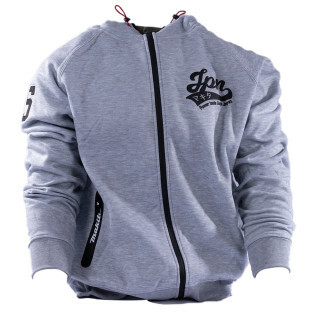
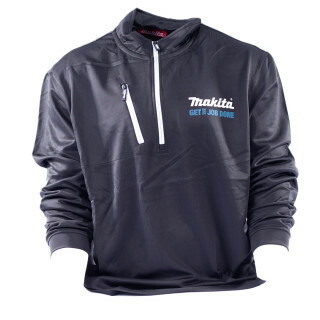
Makita Hoodies, Fleeces & Sweatshirts

Makita hoodies, fleeces and sweatshirts keep you warm without getting in the way on site, so you can crack on when the weather turns or the unit's freezing.

When you're loading out at 7am, working in draughty shells, or bouncing between inside and outside all day, a decent mid-layer matters. Makita workwear is made for graft, with practical fits that sit right under a jacket and hold up to daily snagging, dust, and van life. Pick the weight for the season, then get kitted and get back on the tools.

What Jobs Are Makita Hoodies, Fleeces and Sweatshirts Best At?

  • Working in cold, half-finished buildings where you need a warm layer that still lets you reach, lift, and work overhead without riding up.
  • Early starts and late finishes on outdoor jobs when a hoodie or fleece under a shell jacket keeps the chill off without the bulk of a big coat.
  • Van and yard work, loading tools and materials, where hard-wearing cuffs and a proper fit stop sleeves dragging through muck and catching on racking.
  • Snagging, second fix, and maintenance call-outs where you want something comfortable all day that still looks tidy when you're in and out of occupied properties.

Who Are Makita Hoodies, Fleeces and Sweatshirts For on Site?

  • Sparks and plumbers doing first fix in cold shells, because a decent mid-layer keeps you moving without bulky sleeves catching on joists and pipework.
  • Chippies and kitchen fitters who need warmth while working inside unheated plots, but still want a clean fit that sits right under a vest or jacket.
  • Groundworkers and landscapers for changeable days, when you're on and off machinery and need something you can throw on, zip up, and crack on.
  • Maintenance teams and site managers who live in the van, because these are the grab-and-go layers that handle daily wear without feeling restrictive.

Choosing the Right Makita Hoodie, Fleece or Sweatshirt

Sort the right one by matching warmth and movement to the job, not just the logo.

1. Hoodie vs Sweatshirt vs Fleece

If you want a simple warm layer that sits neatly under a jacket, a sweatshirt is the no-faff option. If you're in and out all day and like extra cover round the neck, go hoodie. If you need quick warmth without weight, a fleece is the one you'll keep by the van door.

2. Weight for the season

For summer mornings and indoor work, go lighter so you do not end up sweating on the tools. For winter shells and exposed jobs, pick a thicker mid-layer you can still move in, then top it with a waterproof when it turns.

3. Fit for working, not standing about

If you are reaching overhead, carrying boards, or working off steps, avoid anything too baggy that catches on edges and fixings. If you are layering under a coat, do not size so tight that it binds at the shoulders once you have a vest and jacket on top.

Workwear Extras That Make These Layers Earn Their Keep

Pair your mid-layer with the right outer and base kit so you stay warm without getting soaked or overheating.

1. Waterproof Work Jackets

A hoodie or fleece keeps you warm, but it will not stop driving rain. Add a proper waterproof shell so you can stay outside and keep working instead of getting drenched and packing up early.

2. Base Layers and Thermals

If you are working in freezing plots, a thermal base layer stops you relying on thick tops that restrict movement, and it keeps sweat off your skin so you do not get cold the minute you slow down.

3. Work Gilets

A gilet over a sweatshirt is a solid setup for dry, cold days because it keeps your core warm while leaving your arms free for drilling, fixing, and lifting without feeling boxed in.

Shop Makita Hoodies, Fleeces and Sweatshirts at ITS

Whether you need a lightweight layer for site mornings or a warmer fleece for winter shells, we stock a proper range of Makita hoodies, fleeces and sweatshirts in the sizes and styles trades actually wear. It is all held in our own warehouse, in stock and ready for next day delivery.

Makita Hoodies, Fleeces and Sweatshirts FAQs

Are these warm enough for winter site work, or do I still need a jacket?

They are proper mid-layers, so they are built to keep the chill off, not replace a waterproof. In winter you will still want a shell over the top for wind and rain, especially on scaffolds, roofs, and exposed plots.

Do Makita hoodies and fleeces fit true to size for working, or do they come up tight?

Most lads buy their normal size for a regular work fit, but think about what you wear underneath. If you are layering over a tee and under a jacket, normal size is usually right. If you want room for a base layer and a vest, going up one can save you tight shoulders when you are reaching and lifting.

Will they snag and tear the first time they catch on timber or blockwork?

They will handle normal site knocks and daily wear, but no fabric top is indestructible. If you are constantly brushing against rough block, sharp fixings, or Velcro, expect wear over time and keep a tougher outer layer for the worst of it.

Can I wash these regularly without them going misshapen?

Yes, as long as you wash them normally and do not cook them on a hot wash and tumble dry. Turn them inside out, keep to the care label, and they will stay wearable even with weekly washes from dust and site grime.

Are fleeces better than hoodies for working indoors?

Often, yes. Fleeces are easy to zip up and down as you heat up, and they layer neatly under a jacket without a hood bunching at the neck. If you are in and out of warm plant rooms and cold corridors, a fleece is usually the more practical option.

Read more

Makita Hoodies, Fleeces & Sweatshirts

Makita hoodies, fleeces and sweatshirts keep you warm without getting in the way on site, so you can crack on when the weather turns or the unit's freezing.

When you're loading out at 7am, working in draughty shells, or bouncing between inside and outside all day, a decent mid-layer matters. Makita workwear is made for graft, with practical fits that sit right under a jacket and hold up to daily snagging, dust, and van life. Pick the weight for the season, then get kitted and get back on the tools.

What Jobs Are Makita Hoodies, Fleeces and Sweatshirts Best At?

  • Working in cold, half-finished buildings where you need a warm layer that still lets you reach, lift, and work overhead without riding up.
  • Early starts and late finishes on outdoor jobs when a hoodie or fleece under a shell jacket keeps the chill off without the bulk of a big coat.
  • Van and yard work, loading tools and materials, where hard-wearing cuffs and a proper fit stop sleeves dragging through muck and catching on racking.
  • Snagging, second fix, and maintenance call-outs where you want something comfortable all day that still looks tidy when you're in and out of occupied properties.

Who Are Makita Hoodies, Fleeces and Sweatshirts For on Site?

  • Sparks and plumbers doing first fix in cold shells, because a decent mid-layer keeps you moving without bulky sleeves catching on joists and pipework.
  • Chippies and kitchen fitters who need warmth while working inside unheated plots, but still want a clean fit that sits right under a vest or jacket.
  • Groundworkers and landscapers for changeable days, when you're on and off machinery and need something you can throw on, zip up, and crack on.
  • Maintenance teams and site managers who live in the van, because these are the grab-and-go layers that handle daily wear without feeling restrictive.

Choosing the Right Makita Hoodie, Fleece or Sweatshirt

Sort the right one by matching warmth and movement to the job, not just the logo.

1. Hoodie vs Sweatshirt vs Fleece

If you want a simple warm layer that sits neatly under a jacket, a sweatshirt is the no-faff option. If you're in and out all day and like extra cover round the neck, go hoodie. If you need quick warmth without weight, a fleece is the one you'll keep by the van door.

2. Weight for the season

For summer mornings and indoor work, go lighter so you do not end up sweating on the tools. For winter shells and exposed jobs, pick a thicker mid-layer you can still move in, then top it with a waterproof when it turns.

3. Fit for working, not standing about

If you are reaching overhead, carrying boards, or working off steps, avoid anything too baggy that catches on edges and fixings. If you are layering under a coat, do not size so tight that it binds at the shoulders once you have a vest and jacket on top.

Workwear Extras That Make These Layers Earn Their Keep

Pair your mid-layer with the right outer and base kit so you stay warm without getting soaked or overheating.

1. Waterproof Work Jackets

A hoodie or fleece keeps you warm, but it will not stop driving rain. Add a proper waterproof shell so you can stay outside and keep working instead of getting drenched and packing up early.

2. Base Layers and Thermals

If you are working in freezing plots, a thermal base layer stops you relying on thick tops that restrict movement, and it keeps sweat off your skin so you do not get cold the minute you slow down.

3. Work Gilets

A gilet over a sweatshirt is a solid setup for dry, cold days because it keeps your core warm while leaving your arms free for drilling, fixing, and lifting without feeling boxed in.

Shop Makita Hoodies, Fleeces and Sweatshirts at ITS

Whether you need a lightweight layer for site mornings or a warmer fleece for winter shells, we stock a proper range of Makita hoodies, fleeces and sweatshirts in the sizes and styles trades actually wear. It is all held in our own warehouse, in stock and ready for next day delivery.

Makita Hoodies, Fleeces and Sweatshirts FAQs

Are these warm enough for winter site work, or do I still need a jacket?

They are proper mid-layers, so they are built to keep the chill off, not replace a waterproof. In winter you will still want a shell over the top for wind and rain, especially on scaffolds, roofs, and exposed plots.

Do Makita hoodies and fleeces fit true to size for working, or do they come up tight?

Most lads buy their normal size for a regular work fit, but think about what you wear underneath. If you are layering over a tee and under a jacket, normal size is usually right. If you want room for a base layer and a vest, going up one can save you tight shoulders when you are reaching and lifting.

Will they snag and tear the first time they catch on timber or blockwork?

They will handle normal site knocks and daily wear, but no fabric top is indestructible. If you are constantly brushing against rough block, sharp fixings, or Velcro, expect wear over time and keep a tougher outer layer for the worst of it.

Can I wash these regularly without them going misshapen?

Yes, as long as you wash them normally and do not cook them on a hot wash and tumble dry. Turn them inside out, keep to the care label, and they will stay wearable even with weekly washes from dust and site grime.

Are fleeces better than hoodies for working indoors?

Often, yes. Fleeces are easy to zip up and down as you heat up, and they layer neatly under a jacket without a hood bunching at the neck. If you are in and out of warm plant rooms and cold corridors, a fleece is usually the more practical option.

ITS - All The Tools You Need Click and Collect Icon
Store Opening Hours
Opening times