

Makita Heated Clothing
Makita heated clothing keeps you working through cold starts, exposed jobs and long winter shifts without piling on bulky layers.
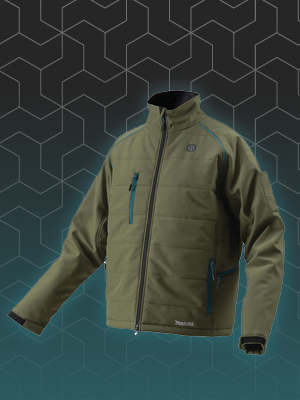
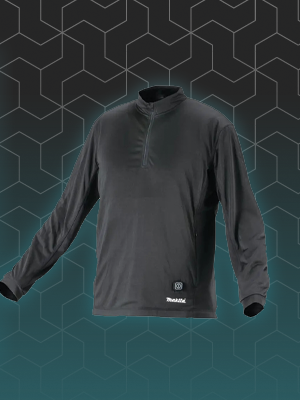
When you're first on site in January and the wind is cutting through a shell, this is the kit that keeps your core warm without slowing you down. Makita heated workwear suits roofers, sparkies, groundworkers and anyone stuck outside for hours. Go for Makita Heated Jackets if you need full upper-body cover, Makita Heated Gilets for easier layering and arm movement, or add Makita Heated Thermal Clothing when the temperature really drops. If you're already on Makita batteries, it is a straightforward way to sort proper winter site clothing without messing about, so pick the layer that matches the job and get through the shift warmer.
What Is Makita Heated Clothing Used For?
- Working on exposed roofs, scaffolds and steel where the wind cuts straight through standard layers, Makita heated clothing keeps warmth around your core so you can stay on the job longer.
- Starting early on winter first fix jobs, this heated workwear helps sparkies, plumbers and chippies stay warm in half-finished buildings before the heating is live.
- Handling outdoor maintenance, fencing, landscaping and snagging through cold, damp weather, Makita heated workwear gives you warmth without the bulk of piling on extra jumpers.
- Running in and out of vans, compounds and open plots, Makita battery heated clothing is useful when the job keeps changing and you need heat on tap rather than heavy static layers.
- Layering up for long site shifts, a Makita heated jacket or heated gilet helps keep your body temperature steady so your hands stay more responsive and you are not wasting energy fighting the cold.
Choosing the Right Makita Heated Clothing
Sorting the right one is simple: match the warmth and cut to the way you actually work, not just to the weather forecast.
1. Jacket or Gilet
If you are out in open weather, standing about, or want full coverage, go with a heated jacket. If you are active all day, climbing, reaching or working overhead, a heated gilet is often the better shout because it warms your core without loading up your arms.
2. Layering Matters
If you are working in stop start conditions, buy with layering in mind. A slimmer heated vest or thermal layer sits better under waterproofs and shells, while a heavier outer heated jacket suits open site work where the cold is constant.
3. Battery Platform
If you already run Makita cordless kit, check what battery and adaptor setup the clothing uses before you buy. There is no point saving a few quid on the wrong garment if it complicates charging, runtime or comfort on site.
4. Movement on the Job
If you are driving plant, fitting overhead services or constantly crouching and climbing, keep the fit neat and flexible. Do not buy a bulky layer that turns awkward the minute you put a harness, tool belt or outer shell over it.
Who Uses These on Site?
- Roofers and cladders use Makita heated clothing when they are up high in open weather and cannot afford bulky winter gear that catches or restricts movement.
- Sparkies, plumbers and HVAC fitters swear by it on first fix and plant room jobs where the building shell is up but there is still no heat in the place.
- Groundworkers, landscapers and fencing crews reach for Makita heated workwear on long outdoor shifts because it keeps the chill off without stopping them bending, lifting or kneeling.
- Site managers, surveyors and snagging teams use it when they are walking plots all day, standing around in the cold, or checking works without constantly diving back into the van to warm up.
- Anyone already wearing Makita Work Jackets or Makita Work Fleeces will find the heated range an easy step up for proper winter site use.
The Basics: Understanding Makita Heated Clothing
This kit is straightforward. It uses battery-powered heating zones to keep key parts of your body warm, so you stay comfortable on site without stacking on thick layers.
1. Heat Where It Matters
Makita heated clothing is built to warm the core areas that lose heat fastest, usually across the chest and back. That matters on site because once your core stays warm, the whole shift feels easier to manage.
2. Battery Powered, Not Bulky
Instead of relying on thick insulation alone, Makita cordless heated clothing uses a compatible power source to generate heat while keeping the garment more workable than a heavy winter coat. It is a better setup for active trades who still need to move properly.
3. Built for Layering
The real advantage is how it fits into a normal workwear setup. You can run it over a base layer or under a shell, depending on the weather, which gives you more control than just throwing on another hoodie and hoping for the best.
Choose the Right Makita Heated Clothing for the Job
Use this quick guide to match the garment to the way you work.
| Your Job | Category or Type | Key Features |
|---|---|---|
| Working on exposed roofs, scaffolds or open plots | Heated jacket | Full upper-body coverage, better wind protection, easier as an outer layer in harsh weather |
| First fix, service work and active indoor outdoor jobs | Heated gilet | Core warmth without bulky sleeves, easier arm movement, good under shells and site jackets |
| Cold weather layering under waterproofs | Heated thermal clothing | Closer fit, lower bulk, better for trapping warmth when you already wear outer protection |
| Van based maintenance and stop start callout work | Cordless heated workwear | Quick heat when moving between jobs, less need for changing layers, practical for winter rounds |
| Long outdoor shifts with steady cold rather than heavy rain | Battery heated clothing | Consistent warmth through the day, better comfort on exposed jobs, less restriction than thick insulated gear |
Common Buying and Usage Mistakes
- Buying a heated jacket when a gilet would do the job can leave you too bulky through the arms. If you spend all day reaching, climbing or fixing overhead, core-only warmth is often the smarter option.
- Ignoring the battery setup is where people come unstuck. Always check compatibility and runtime properly, otherwise you end up with heated workwear that is awkward to power or does not last the shift.
- Using heated clothing as your only weather protection is a bad call. It keeps you warm, but on wet and exposed jobs you still need the right outer shell to handle rain and wind.
- Buying too tight for layering usually means less comfort and worse performance. Leave room for a sensible base layer underneath, especially if you are on site from early morning through to dark.
- Not adjusting the garment to the actual job wastes battery and comfort. Use the heat level to suit the conditions rather than blasting it flat out all day for no reason.
Heated Jackets vs Heated Gilets vs Heated Thermal Clothing
Heated Jackets
Best for exposed site work, colder starts and jobs where you are standing around more. They give you the most coverage, but they can feel bulkier if your day involves constant overhead work or tight access.
Heated Gilets
Best for active trades who need warmth without losing arm movement. They are ideal under another layer and suit fitters, sparkies and chippies who are moving all day, but they do not shield the arms in bitter weather.
Heated Thermal Clothing
Best as a base or mid layer when you already need waterproofs or hi vis outerwear on top. It is the neatest option for layering, though it is not the one to rely on as your main outer garment on rough outdoor jobs.
Which One to Buy
If you are mainly outdoors in open weather, buy the jacket. If movement matters most, buy the gilet. If your workwear system already includes shells, fleeces or mandatory site layers, thermal heated clothing usually makes more sense.
Maintenance and Care
Keep It Clean
Brush off site dust, plaster and general muck after use so zips, seams and controls do not get clogged up. Heated workwear lasts better when dirt is not left ground into it all week.
Remove Power Parts Before Washing
Do not just throw it in the wash as it is. Take out the battery and any connector parts first, then follow the care label properly if you want the heating system and fabric to stay in good nick.
Dry It Properly
If it gets caught in rain or soaked with sweat, let it dry fully before storing it in the van or locker. Stuffing damp clothing into a bag is a quick way to ruin the garment and leave it smelling rough.
Check Cables and Connection Points
Give the wiring and battery connection areas a quick look over now and then, especially if the gear gets folded, packed tight or worn under other site layers. If connections are damaged, sort it before the next shift.
Replace Worn Gear Before It Becomes a Nuisance
If the fabric is badly torn, the zip is failing or the heating performance has clearly dropped off, do not keep nursing it through another winter. Cold, damaged kit is just dead weight on site.
Why Shop for Makita Heated Clothing at ITS?
Whether you need a Makita heated jacket for exposed site work, a heated gilet for layering, or winter-ready heated thermal clothing, we stock the proper range in one place. ITS holds Makita heated clothing and Makita heated workwear in our own warehouse, ready for fast next day delivery so you can get sorted before the cold bites again.
Makita Heated Clothing FAQs
How does Makita heated clothing work?
It uses powered heating elements built into the garment to warm key areas like the chest and back. In plain terms, you connect the correct Makita power setup, switch the heat on, and it gives you steady warmth without needing thick, restrictive winter layers.
Is Makita heated clothing suitable for outdoor site work?
Yes, that is exactly where it earns its keep. It is well suited to cold starts, exposed jobs and long hours outside, but be sensible about it. Heated clothing keeps you warm, not magically dry, so in proper bad weather you still want the right outer waterproof layer over the top.
What is the difference between Makita heated jackets and gilets?
A heated jacket gives you more coverage and suits exposed work where you want extra protection. A heated gilet keeps your core warm but leaves your arms free, which is often better for active trades, overhead fixing, climbing and layering under other site clothing.
Can Makita heated workwear be used in cold weather?
Yes, that is the whole point of it. Makita heated workwear is made for cold weather use, especially on outdoor and unheated site jobs, and it is far more practical than just piling on heavy jumpers that slow you down and still let the cold get in.
Which Makita heated clothing is best for layering?
Usually the gilets and heated thermal pieces are the easiest to layer. They sit cleaner under shells, hi vis jackets and waterproofs, and they are the better choice if your site setup already demands outer protective clothing over the top.
Is Makita heated clothing too bulky for active site work?
No, not if you pick the right type. Jackets are better for colder, more exposed work, while gilets and thermal layers are the smarter option if you are bending, climbing, driving or working overhead all day.
Will Makita heated clothing replace normal winter workwear?
Not fully. Think of it as part of your cold weather setup, not the whole answer. It adds controllable warmth, but you still need sensible base layers and weather protection depending on the site and the conditions.
Is Makita heated clothing worth it if I already wear fleeces and coats?
Yes, if you spend real time outside in winter. Standard layers trap heat, but heated clothing actively adds it, which makes a noticeable difference on long, cold shifts, especially when you are standing still or working in exposed areas.