Makita Sanders
Makita sanders are for getting timber, filler, and paintwork flat fast without chewing edges or leaving swirl marks when you're chasing a proper finish.
On refurbs and second-fix, sanding is where time disappears if your kit clogs, vibrates your hands to bits, or can't keep up. This Makita sander range covers orbital, random orbital, palm, belt and detail sanders, including Makita 18V LXT cordless options, so you can match the machine to the surface and get on with it.
What Jobs Are Makita Sanders Best At?
- Flattening filler, plaster patches, and timber repairs on refurbs so you are not fighting high spots when it comes to paint or paper.
- Finish sanding doors, skirting, architrave, and kitchen panels with a Makita orbital sander or random orbital sander that leaves a clean surface ready for coating.
- Shifting old varnish and paint back on stair parts, window boards, and handrails where scraping alone just gums up and wastes time.
- Keying between coats on joinery and woodwork so the next coat bites properly and you do not end up with a shiny patchy finish.
- Levelling larger areas like worktops and boards with a belt sander where you need fast stock removal before you step down to finer grits.
Choosing the Right Makita Sander
Sorting the right one is simple: pick the sander that matches the finish you need, not the one that just feels powerful in your hand.
1. Orbital vs Random Orbital
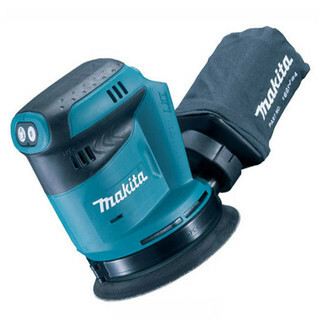
If you are doing straight finish sanding on flat faces and you want predictable control, a Makita orbital sander is a solid pick. If you are trying to avoid visible sanding patterns on doors, panels, and varnished timber, go Makita random orbital sander and you will get a cleaner finish with less risk of swirl marks.
2. Corded vs Makita 18V LXT Cordless
If you are bench sanding all day in one spot, corded keeps you running without battery swaps. If you are bouncing room to room on snagging, stairs, or punch lists, a Makita cordless sander on LXT is the one you actually keep in your hand, and a Makita 18V sander body only makes sense if you already run LXT batteries.
3. Palm and Detail Sanders for Tight Work
If you are working on corners, profiles, and awkward trim, a Makita hand sander style palm or detail sander is quicker and neater than trying to force a round pad into a square corner. Keep it for edges and touch-ups, then use an orbital for the main faces.
4. Belt Sanders for Fast Removal
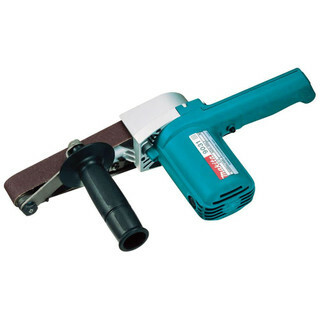
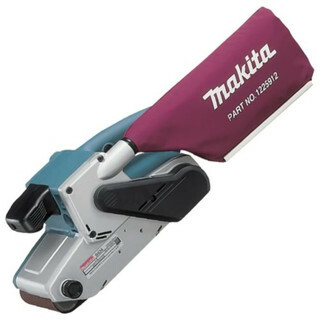
If you need to take material off fast, a belt sander is the right tool, but it will punish you if you rush it. Use it for flattening and stripping, then step down to an orbital or random orbital to finish, otherwise you will be chasing belt lines at the end.
Makita Sander FAQs
Which Makita sander is best for finish sanding?
For most visible woodwork, a Makita random orbital sander is the safer choice because it leaves a less obvious scratch pattern. If you are just keying between coats or working on flat panels with controlled passes, a Makita orbital sander does the job fine, but you still need to step through grits properly.
Is a Makita sander 18V powerful enough, or do I need corded?
A Makita 18V sander is plenty for site finishing, snagging, and room to room work, and you will use it more because you are not dragging a lead. If you are sanding big areas all day, every day, corded still wins for nonstop runtime, but cordless is the right call for most fit-out and maintenance jobs.
What does Makita 18V sander body only actually mean?
Body only means you get the tool without batteries or a charger. It is the sensible buy if you already run Makita LXT, because you can use the same batteries as your drills and saws and keep the cost down.
Will a Makita cordless orbital sander leave swirl marks?
It can if you rush it, press too hard, or run worn discs, and that is true of any orbital sander Makita or otherwise. Keep the pad flat, let the machine do the work, and change abrasives when they clog, and a Makita random orbital sander 18V is perfectly capable of a clean, paint ready finish.
Is a Makita belt sander 18V worth it, or is belt sanding better on mains?
If you need quick removal on site without a lead, a Makita belt sander 18V is handy for flattening and stripping in short bursts. For long, heavy sanding sessions, corded belt sanders are still easier to run all day because you are not cycling batteries.
Do I need dust extraction with a Makita sanding machine, or is the bag enough?
The bag is fine for quick knocks outside or rough prep, but for indoor work and finished rooms you want proper extraction. It keeps the abrasive cutting longer, stops the pad clogging, and saves you from coating the room in fine dust.
Where can I get straight answers on choosing a Makita sander?
If you want a quick steer before you buy, use these guides: Which Makita sander is best? and Which sander is best used for finish sanding?.
Who Uses Makita Sanders on Site?
- Chippies and joiners doing second-fix, doors, and kitchens who need a Makita palm sander or Makita random orbital sander for clean finishing without rounding edges.
- Decorators and maintenance teams stripping back and keying up between coats, especially on occupied jobs where control matters more than brute force.
- Shopfitters and fit-out crews who live on cordless, grabbing a Makita 18V sander body only to stay on the same LXT batteries as the rest of the kit.
The Basics: Understanding Makita Orbital and Random Orbital Sanders
Most of the choice comes down to the sanding motion and how it shows up in the finish. Get this bit right and you stop wasting time re-sanding.
1. Orbital (Sheet) Sanders
An orbital sander runs in a tight, consistent pattern, which makes it easy to control on edges and flat faces. It is a good shout for general finishing and keying, but you still need to work through grits properly to avoid visible lines.
2. Random Orbital Sanders
A random orbital combines spin and orbit so the scratch pattern is less obvious, which is why it is the go-to for joinery and paint prep. It is the safer bet when the surface is going to be seen in raking light, like doors, panels, and worktops.
3. Belt Sanders
A belt sander is for removal and flattening, not finesse. Use it to get the job close, then switch to an orbital or random orbital to take out the heavy scratches and leave it ready for finishing.
Sanding Accessories That Save You Time and Rework
The right abrasives and dust control make more difference than people admit, especially when you are trying to hit a clean finish on site.
1. Hook and Loop Sanding Discs and Sheets
Stock a spread of grits and change them when they stop cutting, because a clogged disc just burns the surface and leaves you fighting swirl marks. Match the disc size and hole pattern to the pad so the dust extraction actually works.
2. Backing Pads and Interface Pads
A tired pad gives you uneven sanding and chewed edges, and you will blame the machine when it is the consumable. An interface pad helps on curved or slightly uneven faces so you do not dig in and ruin the profile.
3. Dust Bags and Extractor Adaptors
Use the proper dust bag or adaptor so you are not sanding in a cloud and then spending an hour cleaning up. If you are working in finished rooms, hooking to extraction is the difference between a tidy job and a complaint.
Shop Makita Sanders at ITS
Whether you need a Makita orbital sander for finishing, a Makita belt sander for fast removal, or a Makita 18V sander to stay on LXT, we stock the range in the sizes and setups trades actually use. It is all held in our own warehouse and ready for next day delivery, so you can get the right sander on site without losing a day.