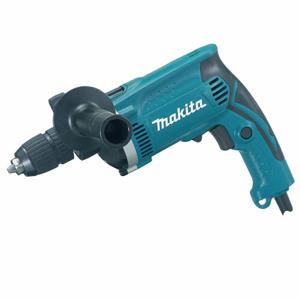
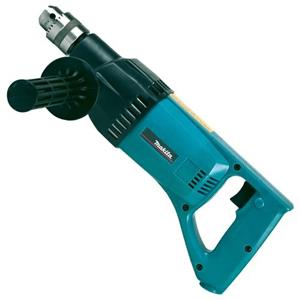
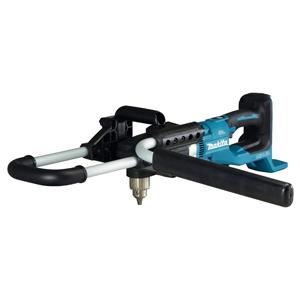
Makita Drills and Drivers
Makita drills and drivers are the go-to for drilling, fixing, and first-fix work when you need dependable power that won't quit mid-shift.
When you're on a full day of fixings, there's nothing worse than a drill that bogs down in timber or chews batteries. Makita drills and drivers are built for proper site use, with brushless options and Makita brushless hammer drill models for masonry and mixed refurbs. Pick the right chuck, torque, and battery platform, then get your kit on the van and crack on.
What Jobs Are Makita Drills and Drivers Best At?
- Driving hundreds of screws into studwork, joists, and sheet materials all day, where a Makita drill brushless setup keeps heat down and runtime up.
- Drilling clean holes in timber and metal for first fix and fit-out, using the clutch and gear ranges so you do not strip heads or snap bits.
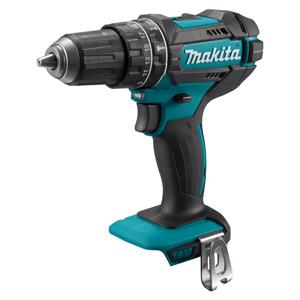
- Hammer drilling into brick and block for plugs and fixings, where a Makita brushless hammer drill saves you swapping tools on snagging and refurb work.
- Working overhead and in tight cupboards, where compact drills and impact drivers keep the weight down and the control up when you are on steps or a ladder.
- Quick on site repairs and maintenance, from hinge adjustments to plant panels, where you need a driver that starts clean and does not stall on stubborn fixings.
Choosing the Right Makita Drills and Drivers
Sort the right one by the work you do most, not the one big job you might do once a month.
1. Drill Driver vs Impact Driver
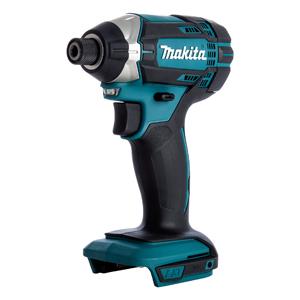
If you are drilling holes and doing controlled fixing, go drill driver for the chuck and clutch. If you are driving long screws and coach fixings all day, add an impact driver so you are not fighting kickback and cam-out.
2. Brushless vs Brushed
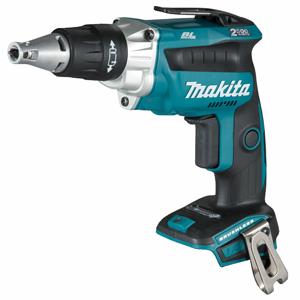
If it is a daily tool, go Makita drill brushless because it runs cooler and tends to give better runtime under load. Brushed is fine for occasional use, but it will feel it on heavy fixing days.
3. Hammer Function for Mixed Sites
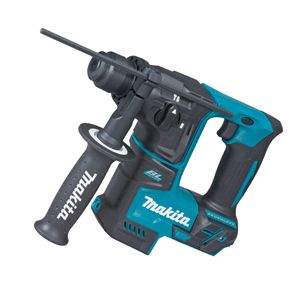
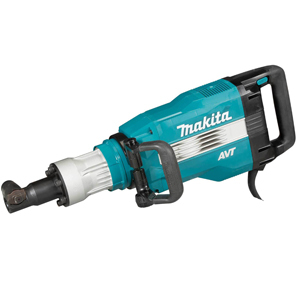
If you are regularly drilling plugs into brick and block, get a Makita brushless hammer drill so you are not swapping tools for every other hole. If you are into concrete all day, you still want an SDS for speed and less strain on the drill.
4. Battery Platform and Kit vs Body Only
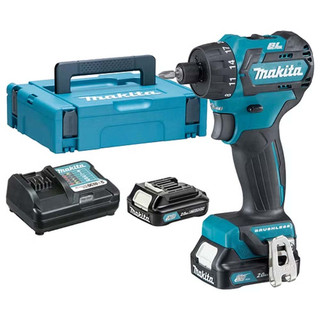
If you are already on Makita batteries, stick to the same platform and buy body only to save money. If you are starting from scratch, buy a kit with two batteries and a charger so you are not dead in the water halfway through the shift.
Makita Drills and Drivers FAQs
What is the best Makita drill driver?
It depends what you actually do day to day. For constant site use, a Makita drill brushless combi is usually the sensible pick because it handles drilling and fixing without cooking itself. If you are regularly drilling plugs into brick and block, step up to a Makita brushless hammer drill model, and if you are mainly driving long fixings, pair the drill with an impact driver.
Is a Makita brushless hammer drill enough, or do I still need an SDS?
For brick and block plug holes, a hammer drill is spot on and saves you carrying extra kit. If you are drilling lots of holes in hard concrete, bigger diameters, or doing it all day, an SDS is quicker, kinder on the tool, and less hassle on your arms.
Will a Makita drill brushless model actually run longer, or is it just a label?
In real use, brushless drills generally give better runtime and stay cooler when you are driving fixings or drilling repeatedly. It is not magic, but on long shifts you will notice fewer battery swaps and less fade when you lean on it.
Do I need an impact driver as well as a drill driver?
If you are doing a lot of fixing, yes, it is worth it. Use the drill for holes and controlled screw work, then use the impact for long screws and heavy fixings so you are not fighting kickback and chewing heads.
What is the main mistake people make when buying drills and drivers?
Buying on max torque numbers and ignoring day-to-day usability. On site, balance, chuck quality, clutch control, and having enough batteries matters more than a spec sheet, because that is what stops downtime and rework.
Who Uses Makita Drills and Drivers on Site?
- Chippies and joiners for first fix and second fix, because the clutch control and consistent power stops you rounding screws and splitting timber.
- Sparks and plumbers for daily fixing and drilling, especially where a Makita brushless hammer drill covers the odd masonry hole without dragging out an SDS.
- Kitchen and bathroom fitters for tight-space work, where compact bodies and good balance matter more than headline torque.
- Maintenance and facilities teams who need a reliable Makita drill brushless option that lives in the van and just gets used, day after day.
How Drills and Drivers Work for You
The difference is not marketing, it is how the tool delivers power and control when you are drilling holes or driving fixings all day.
1. Clutch and Gears (Control vs Speed)
A drill driver uses a clutch to stop overdriving screws and a gearbox to match speed to the material. Low gear is for torque and controlled fixing, high gear is for faster drilling in timber and metal.
2. Hammer Drill Action (For Brick and Block)
A hammer drill adds a tapping action to help the bit bite into masonry for plugs and light anchor work. It is ideal for brick and block, but it is not a replacement for an SDS when you are into hard concrete all day.
3. Impact Driving (Less Wrist Strain on Fixings)
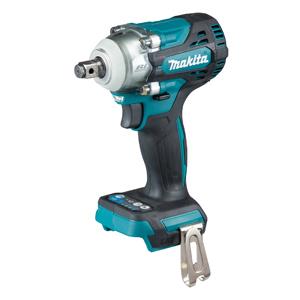
An impact driver hits in short bursts as it turns, which helps drive long fixings without constant kickback. It is why impacts feel easier on the wrist when you are running screws for hours.
Makita Drill and Driver Accessories That Save Time on Site
The right add-ons stop snapped bits, chewed screwheads, and constant walks back to the van.
1. Impact-rated screwdriver bit sets
Use proper impact bits in the driver so you are not rounding heads or shattering cheap bits halfway through a run of fixings.
2. Masonry drill bit sets
If you are using a Makita brushless hammer drill for plugs, keep a dedicated masonry set so your timber bits do not get ruined the first time you hit brick.
3. Spare batteries and a fast charger
Two batteries is the minimum for site work, especially on brushless tools that you will actually push hard all day, so you can rotate packs and keep drilling without downtime.
4. Right-angle attachment or compact bit holder
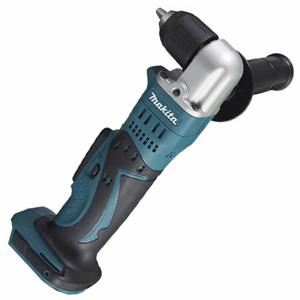
For kitchen units, stud corners, and tight service voids, this stops you bodging angles and stripping fixings when the drill body will not physically fit.
Shop Makita Drills and Drivers at ITS
Whether you need a compact driver for daily fixing or a Makita brushless hammer drill for mixed refurb work, we stock the full Makita drills and drivers range in the key types and kit options. It is all held in our own warehouse, in stock and ready for next day delivery when you need it on site fast.