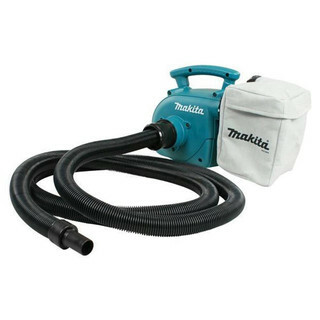
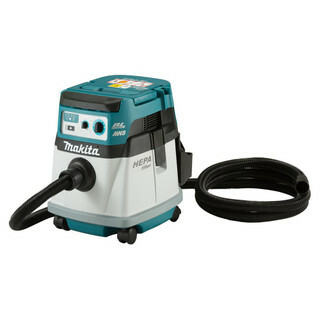
Makita 18V LXT Vacuums & Dust Extractors
Makita 18V vacuum options keep dust under control when you're drilling, cutting, and tidying up between trades, without trailing leads round site.
When you're chasing walls, trimming doors, or drilling overhead all day, the mess builds up fast and it gets everywhere. A Makita LXT vacuum or Makita dust extractor keeps the work area safer, the client happier, and your tools cleaner. Pick the right Makita cordless vacuum cleaner for tool extraction or quick clean-ups, and get your dust control sorted properly.
What Are Makita 18V Vacuums Used For?
- Chasing, drilling, and fixing indoors where you need Makita construction dust extraction to keep the room liveable and cut down on sweep-up at the end.
- Hooking up to sanders, saws, and multi-tools with Makita dust extraction tools so fine dust gets captured at source instead of coating the whole plot.
- Cleaning out vans, cupboards, and plant rooms with a Makita cordless vacuum cleaner when you need quick grab-and-go power without finding a socket.
- End-of-day site tidy-ups using a Makita jobsite vacuum to lift plaster dust, timber shavings, and general debris before the next trade walks in.
- Workshop clean-downs with a Makita workshop vacuum where you want a compact unit that lives on the bench and gets used constantly.
Choosing the Right Makita 18V Vacuum
Sorting the right one is simple: decide if you need proper tool extraction all day, or a cordless cleaner for fast tidy-ups and van work.
1. Tool extraction or clean-up only
If you're mainly cleaning up after yourself, a compact Makita cordless vacuum cleaner is spot on and lives in the van. If you're running sanders, saws, or chasing regularly, pick a Makita dust extractor built for tool take-off so it can keep up without clogging and losing pull.
2. Fine dust vs general rubble
If you're dealing with plaster, MDF, and concrete dust, you want a fine dust extractor setup with the right filter and bags so it doesn't just blow the worst stuff back into the room. If it's mostly timber shavings and general site debris, you can prioritise capacity and quick emptying.
3. Runtime on the LXT platform
If you're already on Makita LXT, buy body-only and put your best batteries on it, because vacs are constant-draw tools. For all-day use, don't kid yourself with tiny packs; run higher Ah batteries and keep a spare charged so the extractor doesn't become the bottleneck.
4. Size, storage, and getting it on the job
If you're up stairs, in lofts, or moving room to room, lighter and compact wins every time. If it's living in the workshop or staying near the cutting station, go bigger so you're not emptying it every five minutes.
Makita 18V Vacuum and Dust Extractor FAQs
How do Makita vacuums compare to Dyson?
Dyson is mainly aimed at domestic cleaning. A Makita 18V vacuum is built around site reality, meaning it's happier dealing with plaster dust, timber mess, and rough handling, and it runs on the same LXT batteries as your drills and saws. For proper on-tool dust control, you'll generally be looking at a Makita dust extractor rather than a household-style vacuum.
What does LXT mean on Makita?
LXT is Makita's 18V cordless battery platform. If you've already got Makita LXT batteries and chargers, a Makita LXT vacuum body-only makes sense because you can share packs across your kit and keep downtime to a minimum.
What's the difference between a dust collector and a dust extractor?
A dust collector is usually aimed at picking up general debris and bigger particles. A dust extractor is designed for construction dust extraction and fine dust control, with better filtration and a setup intended for connecting to tools. If you're sanding, chasing, or cutting indoors, you want extraction, not just a quick clean-up vac.
What is the best dust extractor vacuum?
The best one is the one that matches your tools and how you work. If you need cordless access for small jobs and constant moving, a Makita cordless dust extractor on LXT is the practical choice. If you're doing heavy sanding and cutting all day, prioritise proper fine dust filtration, enough capacity that you're not emptying it constantly, and a hose setup that fits your tools without bodges.
Will a Makita 18V vacuum handle fine plaster and MDF dust without choking?
Yes, as long as you run it with the correct filter and bags and you keep on top of cleaning. Fine dust will clog any vacuum if you run it bare or let the filter cake up, so treat filters and bags as consumables and you'll keep suction where it needs to be.
Is a Makita cordless vacuum strong enough for tool extraction, or is it just for tidy-ups?
Some are designed for tool extraction and some are mainly for clean-up, so check what the model is built for. If you're connecting to sanders and saws regularly, go for a Makita dust extractor model intended for that job, and use a proper hose and adaptor so you're not losing airflow through leaks.
Who Uses Makita LXT Vacuums and Dust Extractors?
- Sparks and data installers who are drilling and chasing daily and want Makita professional dust control that keeps dust off finished walls and ceilings.
- Joiners and kitchen fitters using sanders and saws who rely on a Makita dust extractor to stop fine dust filling the room and wrecking the finish.
- Decorators and maintenance teams who need a Makita site vacuum for quick clean-ups between rooms and snagging without dragging a cord through the house.
- Site managers and handover teams who keep Makita trade vacuums on the go for fast, regular tidy-ups that stop dust travelling across the job.
The Basics: Understanding Makita Dust Extractors vs Site Vacuums
Not every vacuum is built for proper dust control. The difference comes down to filtration, airflow, and whether it's designed to pull dust straight off a tool all day.
1. Airflow and suction for tool take-off
A Makita dust extractor is designed to keep steady pull through a hose while you're cutting, sanding, or drilling, so dust gets captured at the source. A basic Makita site vacuum is more about fast clean-ups and spot clearing, not continuous extraction on a tool.
2. Filtration is what stops fine dust coming back out
With fine dust, the filter and bag setup matters as much as the motor. Better filtration means less dust in the air, less coating on finished surfaces, and less muck getting into your power tool vents and switches.
3. Cordless dust control is about access, not miracles
Makita cordless cleaning tools are ideal when there's no power on, the house is occupied, or you're moving constantly. Just be realistic: heavy, continuous extraction eats batteries, so plan your packs like you would for grinders and saws.
Makita Vacuum Accessories That Make Dust Control Work Properly
The right add-ons stop blockages, keep suction consistent, and make tool extraction actually worth doing on busy jobs.
1. Fleece dust bags and replacement filters
If you're collecting fine plaster or MDF dust, bags and clean filters are non-negotiable, because a clogged setup kills airflow and turns your "extraction" into a dust blower. Keep spares in the van so you're not bodging it mid-job.
2. Tool extraction hose and adaptor set
Most of the pain is getting a proper fit on different tools. A hose and adaptor kit saves you taping up loose connections, and it keeps the hose from popping off the minute you start cutting.
3. Spare Makita LXT batteries and a fast charger
Vacuums draw power constantly, so a spare battery is what stops you downing tools to wait for charging. If you're using it for tool extraction through the day, a fast charger earns its keep straight away.
Shop Makita 18V Vacuums and Dust Extractors at ITS
Whether you need a compact Makita 18V vacuum for quick clean-ups or a Makita dust extractor for proper tool extraction systems, we stock the full range for trade use. It's all held in our own warehouse, in stock and ready for next day delivery so you can get dust control sorted before the next shift.